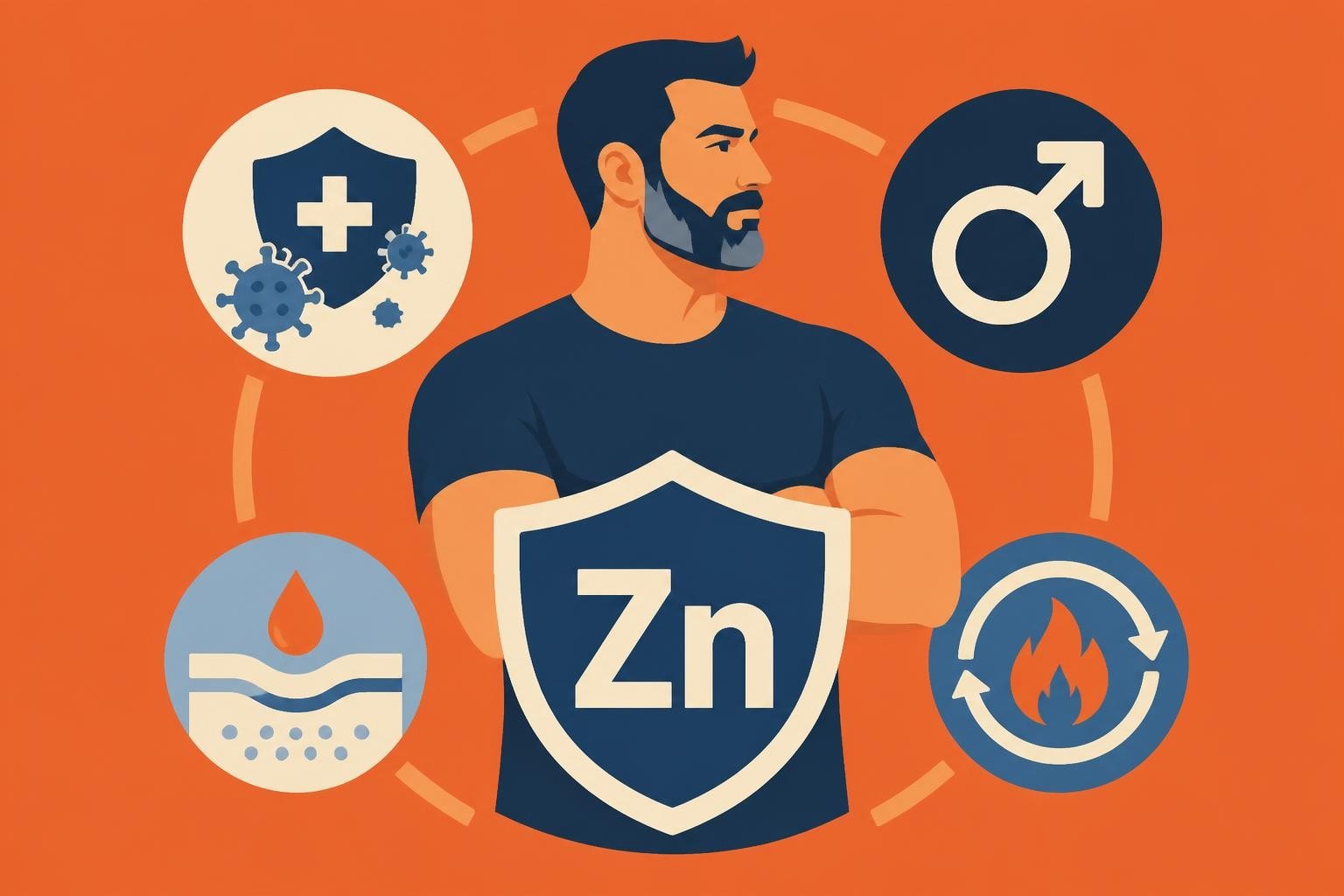
Zinc Benefits: The Essential Mineral for Performance
Most men over 35 aren't deficient in information about nutrition. They're deficient in minerals that directly impact their ability to perform, recover, and lead. Zinc stands as one of the most critical micronutrients for fathers who train hard, carry responsibility, and refuse to accept decline as inevitable. Understanding zinc benefits isn't about chasing the latest supplement trend. It's about addressing a gap that shows up as low energy, poor recovery, weakened immune response, and declining hormone levels. This mineral operates at the foundation of hundreds of enzymatic processes that determine whether you show up strong or struggle through the basics.
Why Zinc Demands Your Attention
Zinc participates in over 300 enzymatic reactions throughout your body. That's not marketing language. That's biochemistry. Every time your body synthesizes protein, fights infection, or produces testosterone, zinc is involved.According to the National Institutes of Health, zinc is essential for immune function, protein synthesis, wound healing, DNA synthesis, and cell division. Men who train consistently deplete zinc faster than sedentary populations. Men who carry stress burn through it even quicker.
The reality is simple: if you're not intentional about zinc intake, you're operating below capacity.
The Immune System Connection
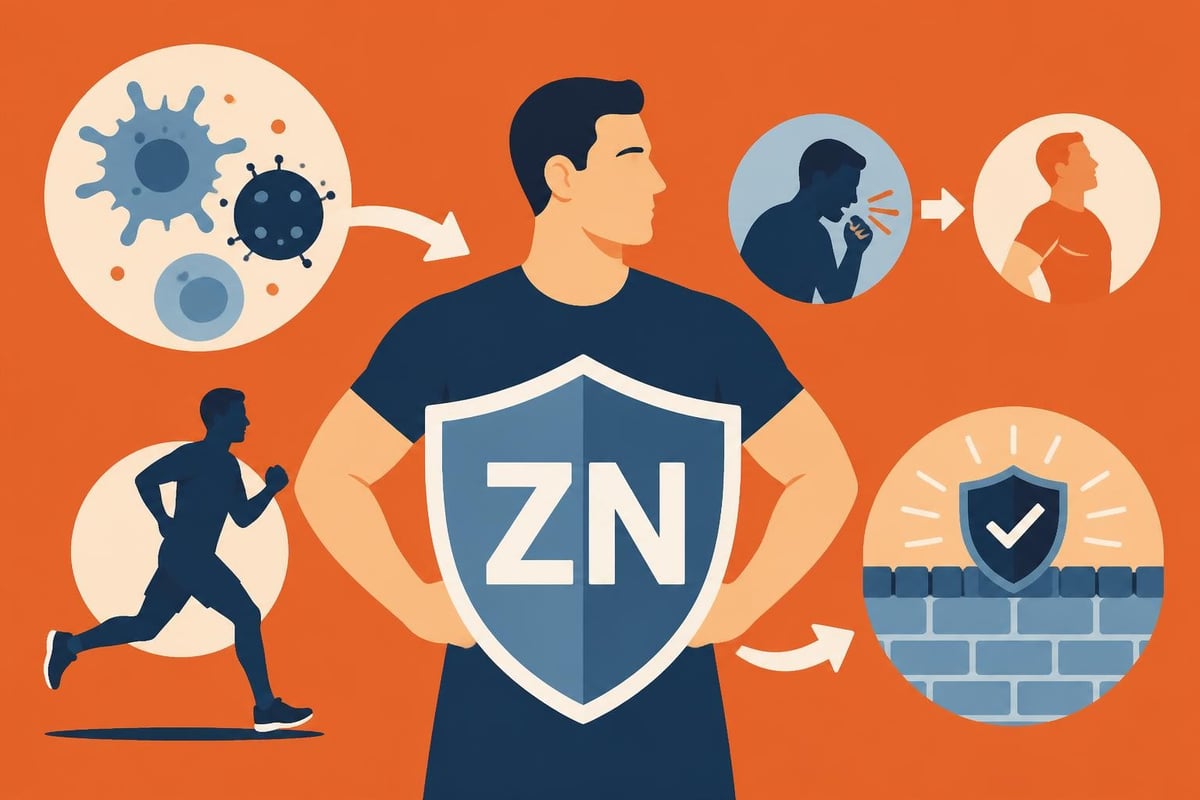
Your immune system relies on zinc to function at full strength. This mineral supports the development and function of immune cells, particularly neutrophils and natural killer cells. When zinc levels drop, your ability to fight off infections drops with them.Research published by Harvard Healthconfirms that zinc deficiency impairs immune function and increases susceptibility to infections.
This matters for fathers who cannot afford to get sick. Missing training sessions destroys momentum. Missing work creates stress. Missing time with your family is unacceptable.
Key immune benefits of adequate zinc:
Supports production and activation of T-cells
Enhances natural killer cell activity
Reduces duration and severity of common cold symptoms
Maintains barrier function of skin and mucous membranes
Regulates inflammatory response
Testosterone Production and Hormonal Balance
Zinc benefits extend directly into hormone production, particularly testosterone. This isn't supplement company propaganda. It's documented endocrine function. Zinc is required for the enzymatic conversion of cholesterol to testosterone. Without adequate zinc, this process slows. Men with marginal zinc deficiency often present with low testosterone symptoms: reduced libido, decreased muscle mass, increased body fat, and diminished mental clarity.
One study found that men who supplemented with zinc while following a rigorous training program maintained higher testosterone levels than those who didn't. The control group experienced significant drops. The zinc group held steady. That difference compounds over months and years.
Zinc StatusTestosterone ImpactRecovery CapacityMuscle Protein SynthesisDeficientSignificantly reducedImpairedCompromisedMarginalModerately reducedSlowedBelow optimalAdequateNormal rangeEfficientMaximizedSupplemented (if deficient)Restored to baselineImprovedEnhanced
How Zinc Supports Muscle Growth and Recovery
Protein synthesis doesn't happen without zinc. Your body cannot build or repair muscle tissue efficiently when zinc is lacking.Cleveland Clinic explainsthat zinc plays a crucial role in cellular metabolism and protein synthesis, both essential for muscle repair after training.
Fathers who lift weights, run, or train martial arts create micro-damage in muscle tissue. That's the stimulus for growth. But growth only occurs if your body can execute the repair process. Zinc serves as a cofactor in this process. Without it, you're training hard but recovering poorly. That gap leads to overtraining symptoms, persistent soreness, and stalled progress.
Men inThe Father Forge communityunderstand that training is non-negotiable, but so is recovery. Programming includes both. Nutrition supports both. Zinc sits at the intersection of stimulus and adaptation.
Optimal Zinc Dosing and Food Sources
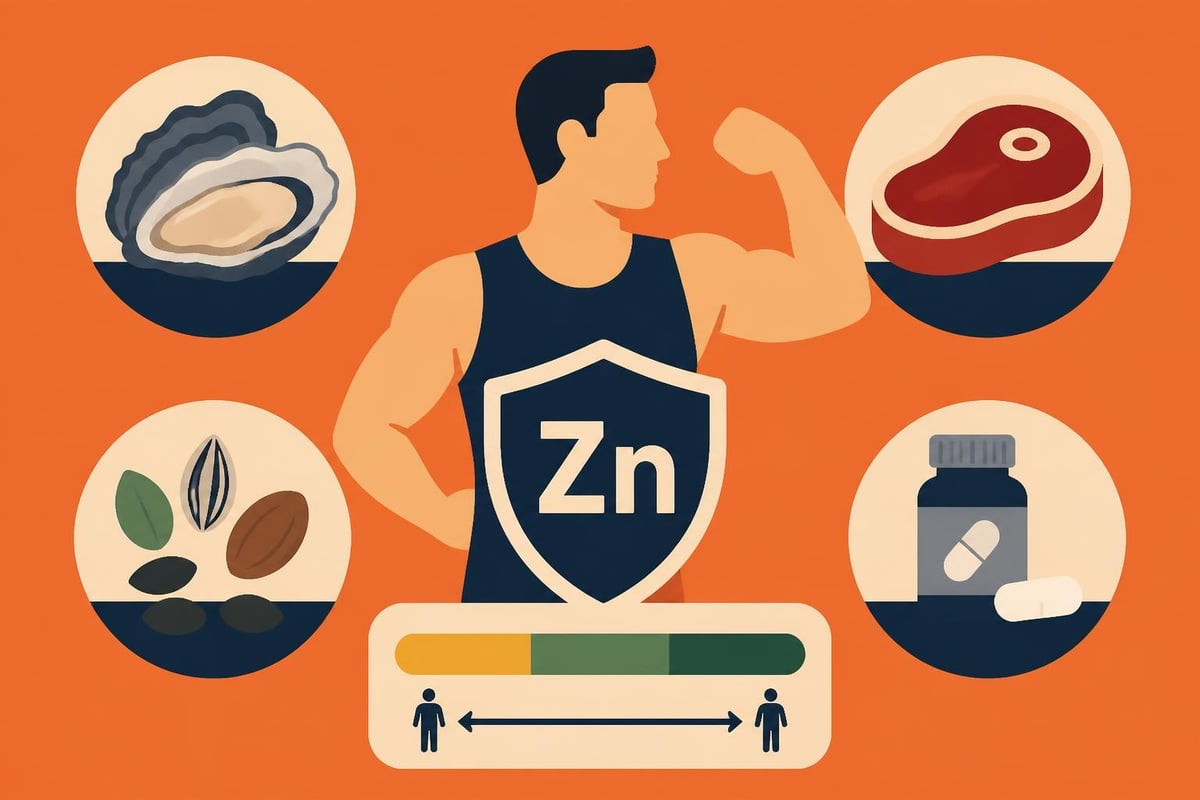
Most men don't need megadoses of zinc. They need consistent, adequate intake from real food sources, supplemented strategically when gaps exist. The recommended daily allowance for adult men is 11 mg per day. Men who train intensely may benefit from 15-30 mg daily, particularly during high-volume training phases or when fighting illness.
Top food sources of zinc (per 100g serving):
Oysters: 78 mg
Beef (chuck roast): 7 mg
Pumpkin seeds: 7.6 mg
Lamb: 5.3 mg
Cashews: 5.6 mg
Chickpeas: 2.5 mg
Chicken (dark meat): 2.4 mg
Real food should provide the foundation. Oysters deliver an exceptional zinc payload, but most men aren't eating them daily. Beef, lamb, and pumpkin seeds offer practical, regular sources. Men who follow plant-based diets face higher risk of deficiency because phytates in grains and legumes bind zinc and reduce absorption.
Supplementation Strategy
Healthline's analysis of zinc supplementsnotes that supplementation should target specific needs, not arbitrary megadosing. Zinc picolinate and zinc citrate offer superior absorption compared to zinc oxide. Dosing timing matters. Taking zinc with food reduces stomach upset but may slightly decrease absorption. Taking it on an empty stomach maximizes bioavailability but increases nausea risk.
The practical solution: take zinc with a small amount of protein. A piece of meat or handful of nuts provides enough buffer to prevent stomach issues while supporting absorption.
Do not exceed 40 mg daily from supplements without medical supervision. Excessive zinc intake interferes with copper absorption and can create new imbalances. More is not better. Adequate is the standard.
Cognitive Function and Mental Resilience
Zinc benefits reach beyond physical performance into cognitive function and mood regulation. This mineral modulates neurotransmitter function, particularly in the hippocampus where memory formation occurs. Low zinc status correlates with increased rates of depression, anxiety, and cognitive decline.Medical News Today reportsthat zinc's antioxidant properties help protect against oxidative stress in the brain, supporting long-term cognitive health.
Fathers carry mental load that never stops. You're processing work decisions, family logistics, financial planning, and your own development simultaneously. Mental resilience isn't optional. It's required. Zinc supports the neurochemical environment that allows clear thinking under pressure.
Zinc also regulates cortisol response. Chronic stress depletes zinc stores while simultaneously increasing zinc requirements. This creates a vicious cycle: stress burns zinc, zinc deficiency worsens stress response, poor stress response creates more dysfunction. Breaking this cycle requires both stress management practices and nutritional support. Working with resources likeAlquimedez Mental Health Counselingalongside proper nutrition creates a comprehensive approach to mental resilience.
Sleep Quality and Recovery
Zinc influences sleep quality through its role in melatonin production and neurotransmitter regulation. Men with adequate zinc status report better sleep quality and faster sleep onset. Poor sleep destroys progress in every domain: training, cognition, mood, and relationships. You cannot lead effectively on broken sleep.
Supplementing zinc in the evening, particularly in combination with magnesium, supports deeper sleep and improved recovery. This isn't about dependency on supplements. It's about creating the biochemical environment for natural processes to function optimally.
Wound Healing and Skin Health
Zinc is essential for proper wound healing. It supports every phase: inflammation, proliferation, and remodeling. Men who train with barbells develop calluses, occasional cuts, and skin irritation. Men who grapple or practice martial arts sustain mat burns and abrasions. Fathers with young kids constantly pick up minor injuries.Healthline confirmsthat zinc accelerates wound healing and is often used therapeutically for burn victims and surgical patients.
Beyond acute injuries, zinc supports overall skin integrity. It regulates sebum production, fights acne-causing bacteria, and supports collagen synthesis. Men over 35 notice skin changes: slower healing, increased dryness, loss of elasticity. Adequate zinc intake won't reverse aging, but it supports the maintenance functions that preserve skin health.
Zinc's role in tissue repair:
Supports inflammatory phase (initial response to injury)
Promotes cell proliferation (new tissue formation)
Enhances collagen synthesis (structural strength)
Regulates immune cell migration to wound site
Reduces infection risk through antimicrobial properties
Antioxidant Defense and Long-Term Health
Zinc functions as an antioxidant, protecting cells from oxidative damage caused by free radicals. Hard training generates oxidative stress as a natural byproduct. So does chronic stress. So does aging. Your body needs robust antioxidant defenses to manage this load without accumulating damage. Zinc activates antioxidant enzymes and stabilizes cell membranes against oxidative attack.
Long-term zinc benefits include reduced risk of age-related diseases. Men who maintain adequate zinc status throughout their 40s, 50s, and beyond show better preservation of cognitive function, immune competence, and metabolic health. This isn't about adding years to your life for the sake of it. It's about maintaining capacity to lead, serve, and perform across decades.
Deficiency Signs You Cannot Ignore
Zinc deficiency develops slowly, often without obvious symptoms until it's significant. Men dismiss early warning signs as "just getting older" or "normal training fatigue." That's a mistake. Deficiency manifests across multiple systems simultaneously.
Common deficiency indicators:
Frequent illness or infections
Poor wound healing
Hair loss or thinning
Decreased sense of taste or smell
Loss of appetite
Persistent fatigue despite adequate sleep
Reduced libido and sexual function
Difficulty concentrating
White spots on fingernails
If you recognize multiple items on this list, get tested. A serum zinc test provides baseline data. Don't guess. Men who operate on assumptions rather than information make poor decisions. The same accountability you apply to business, training, and family applies to your health metrics. Organizations likeAccountability Nowemphasize measurement and honest assessment in business; the principle transfers directly to personal health management.
Risk Factors for Inadequate Zinc Status
Certain populations face higher deficiency risk. Understanding your risk profile determines whether you need to be more aggressive about intake.
High-risk categories:
Men over 50 (decreased absorption efficiency)
Vegetarians and vegans (lower bioavailability from plant sources)
Athletes in heavy training phases (increased losses through sweat)
Men with digestive disorders (impaired absorption)
Heavy alcohol consumers (increased urinary zinc loss)
Men taking certain medications (diuretics, antibiotics, PPIs)
If you fall into multiple categories, supplementation becomes more critical than casual optimization. This isn't about being precious with your health. It's about removing obstacles that prevent you from operating at full capacity.
Interaction with Other Nutrients
Zinc doesn't operate in isolation. It interacts with other minerals, sometimes competitively. High zinc intake can reduce copper absorption. High calcium or iron supplementation can interfere with zinc absorption. Phytates from grains and legumes bind zinc and decrease bioavailability.
Understanding these interactions prevents well-intentioned supplementation from creating new problems. If you're supplementing zinc long-term above 25 mg daily, monitor copper status or include 1-2 mg of copper. If you're taking iron supplements, separate them from zinc by at least two hours.
Balance beats optimization in isolation. Your body functions as a system, not a collection of independent variables. Addressing zinc benefits requires systems thinking, not tunnel vision on one mineral.
Implementation Standards
Knowledge without implementation is useless. Here's how fathers should approach zinc optimization:
Step 1: Assess current intake
Track your food for three days. Calculate zinc intake from whole food sources. Most tracking apps include zinc data.
Step 2: Identify gaps
Compare your average daily intake to the 11 mg RDA minimum. Add 50% if you train hard consistently.
Step 3: Adjust food first
Increase consumption of beef, lamb, seafood, seeds, and nuts before reaching for supplements.
Step 4: Supplement strategically
If whole food can't close the gap, add 15-25 mg zinc picolinate or citrate daily. Take with a small amount of protein.
Step 5: Monitor response
Track changes in recovery, immune function, and training performance over 4-6 weeks. Adjust based on results, not feelings.
This approach is methodical, measurable, and accountable. It's how you build sustainable improvement in any domain.
Zinc benefits cascade through every system that determines your capacity as a father, husband, and leader. Immune strength, hormone production, recovery capacity, mental clarity, and long-term health all depend on adequate zinc status. Most men operate below optimal without knowing it.The Father Forgebuilds custom programs that address nutrition, training, and mindset simultaneously because performance requires all three. You cannot lead from a position of weakness or deficiency. Fix the foundation, then build on it.