Zepbound: What Every Father Needs to Know in 2026
Prescription weight loss medications have flooded the market in the past few years. Everyone from your neighbor to your CEO is talking about injections that promise 20% body weight reduction. Zepbound is one of the newest names in that conversation, and if you're a father looking to drop fat and reclaim your health, you've probably heard someone mention it. This isn't a review or an endorsement. This is an honest assessment of what zepbound is, what it does, how it works, and what it means for men who are serious about accountability and long-term results. You deserve the facts without the hype, and you need to understand the difference between a tool and a transformation.
What Zepbound Is and How It Works
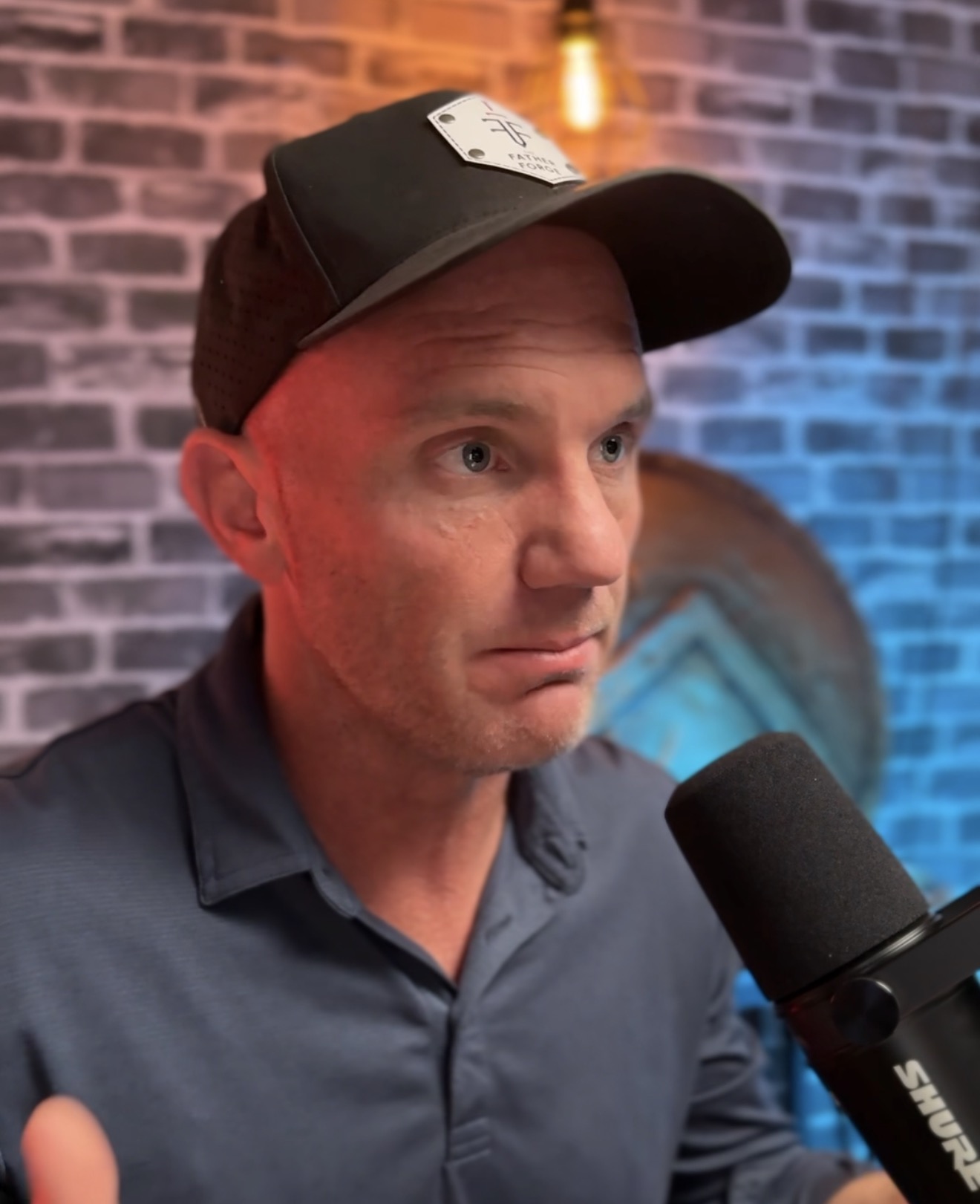
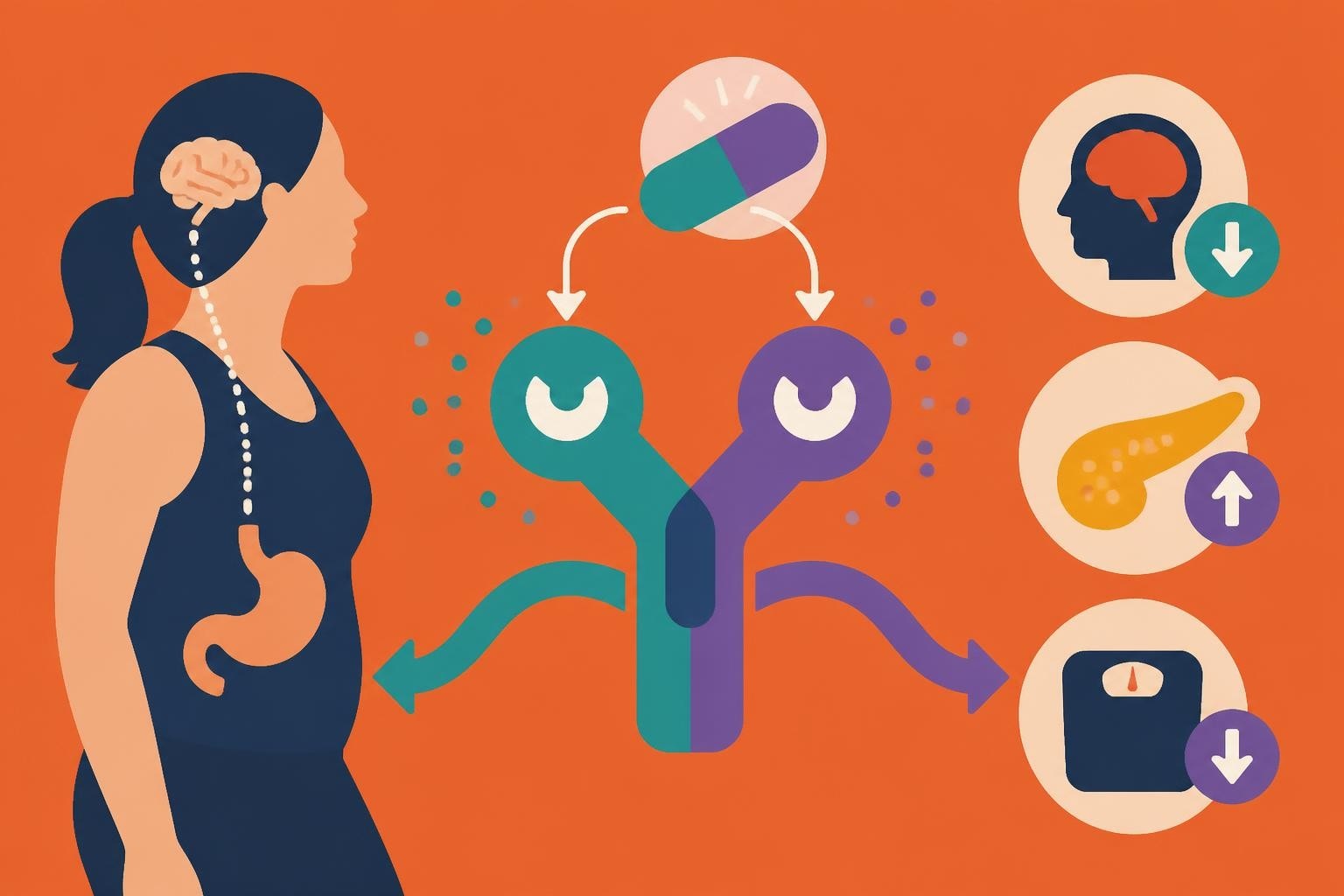
Zepbound is the brand name for tirzepatide, a once-weekly injectable medication approved by the FDA in November 2023 for chronic weight management in adults. It is not a stimulant. It is not a fat burner. It is a dual agonist that targets two hormone receptors: GIP (glucose-dependent insulinotropic polypeptide) and GLP-1 (glucagon-like peptide-1). These hormones regulate blood sugar, insulin secretion, and appetite. When activated, they slow gastric emptying, reduce hunger signals, and improve how your body processes glucose.
The medication is administered subcutaneously once per week using a pre-filled pen. Dosing starts low and escalates over several months to minimize side effects. The FDA prescribing information for zepbound outlines the full titration schedule, contraindications, and black-box warnings. This is prescription-only. You cannot buy it over the counter, and you should not source it from online vendors or "wellness clinics" that skip proper medical evaluation.
The Clinical Evidence Behind Tirzepatide
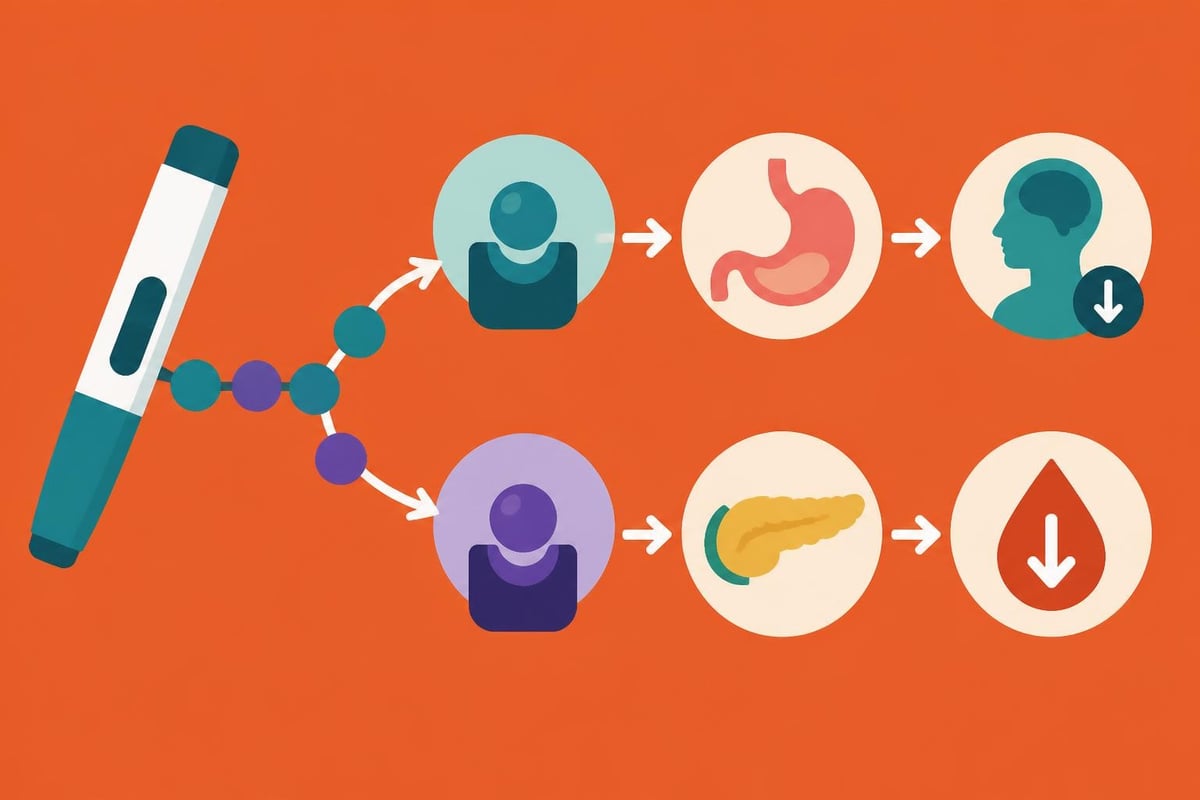
The SURMOUNT trials are the foundation of zepbound's approval for weight management. SURMOUNT-1 enrolled adults without diabetes, and SURMOUNT-2 focused on individuals with type 2 diabetes. In both studies, participants receiving the highest dose (15 mg weekly) lost an average of 20-22% of their body weight over 72 weeks when combined with diet and exercise. That is substantial. That is also in a controlled trial environment with frequent monitoring, dietary counseling, and exclusion criteria that ruled out many real-world patients.
Research on tirzepatide for weight loss in people with type 2 diabetes shows similar efficacy but also highlights dropout rates due to gastrointestinal side effects. Nausea, vomiting, diarrhea, and constipation are common, especially during dose escalation. Some participants discontinued treatment. Some regained weight after stopping. The medication works while you use it, but it does not rewire your relationship with food, stress, or accountability.
A systematic review and meta-analysis of tirzepatide pooled data across multiple trials and confirmed the drug's efficacy but also noted that long-term adherence and post-treatment maintenance remain major gaps in the evidence. You lose weight on the drug. The question is what happens when you stop.
Trial | Population | Average Weight Loss (%) | Duration (Weeks) | Common Side Effects |
|---|---|---|---|---|
SURMOUNT-1 | No diabetes | 20-22% | 72 | Nausea, diarrhea, vomiting |
SURMOUNT-2 | Type 2 diabetes | 15-20% | 72 | GI distress, constipation |
Meta-analysis | Mixed | 15-21% | 52-72 | GI events, injection site reactions |
Who Should Consider Zepbound
Zepbound is FDA-approved for adults with a body mass index (BMI) of 30 or higher, or 27 or higher with at least one weight-related comorbidity such as hypertension, type 2 diabetes, or dyslipidemia. It is not approved for cosmetic weight loss. It is not for someone who wants to drop 10 pounds for a vacation. It is a medical intervention for chronic obesity, and it should be treated as such.
If you are a father over 35 carrying 50, 80, or 100+ pounds of excess fat, zepbound may be a viable option under the right clinical supervision. But candidacy is not just about BMI. It requires honest evaluation of your health history, current medications, risk factors for thyroid cancer or pancreatitis, and willingness to follow a structured plan. The DailyMed medication guide for zepbound lists contraindications clearly: personal or family history of medullary thyroid carcinoma, multiple endocrine neoplasia syndrome type 2, and severe GI disease.
When the Drug Is Not the Answer
Zepbound will not fix a chaotic schedule, poor sleep, unmanaged stress, or a lack of purpose. It will not teach you how to cook, how to lead your family, or how to show up when you don't feel like it. It suppresses appetite and lowers blood sugar, but it does not address the environment that created the weight problem in the first place. If you are eating out of boredom, loneliness, or avoidance, the drug will mask the symptom without solving the root cause.
Many men come to The Father Forge after trying every shortcut, every supplement, every "30-day transformation." They are looking for accountability and structure, not another pill or injection. That is the right instinct. The men who succeed long-term are the ones who rebuild their environment, commit to a sustainable plan, and surround themselves with brothers who call them higher. Zepbound can support that process in specific cases, but it cannot replace it.
How Zepbound Fits Into a Real Fitness Plan
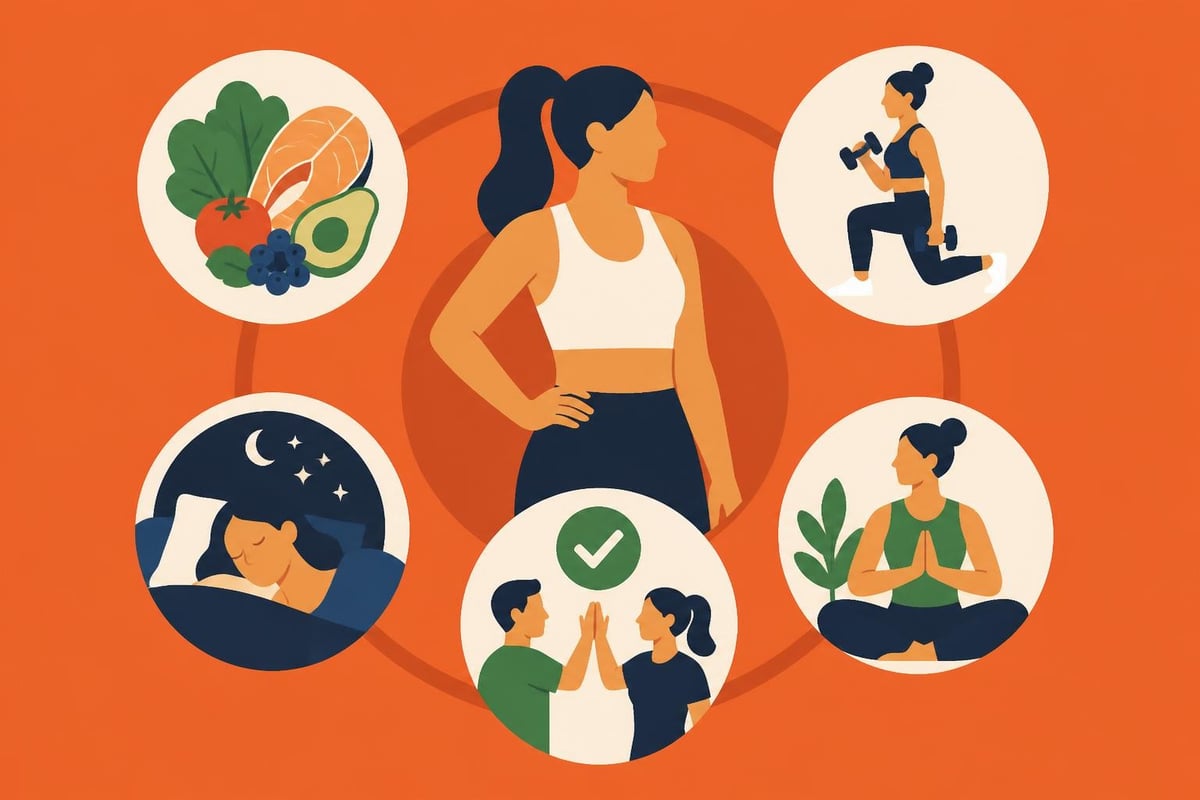
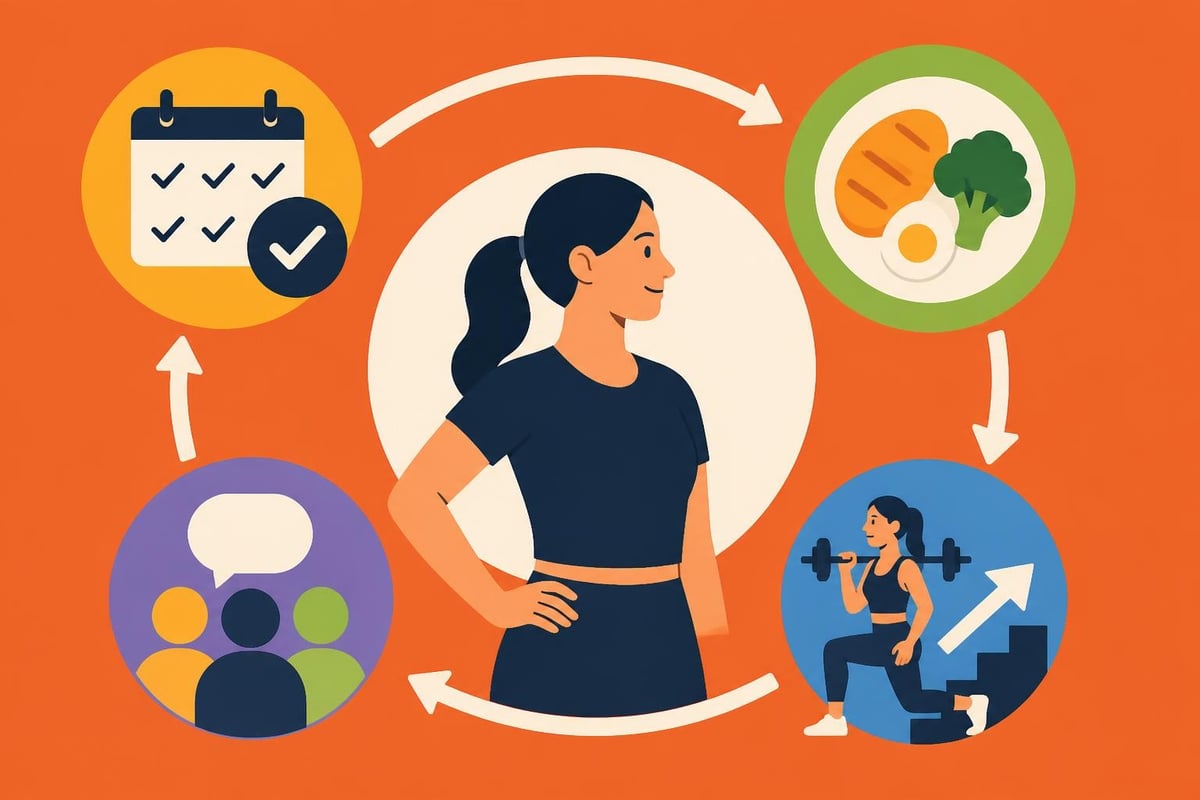
If you and your physician decide zepbound is appropriate, it should be one tool in a broader strategy, not the strategy itself. That strategy must include resistance training, protein intake, sleep hygiene, and behavior change. The drug will reduce your appetite, but you still need to eat enough protein to preserve lean mass. Rapid weight loss without adequate protein and training leads to muscle loss, metabolic slowdown, and rebound weight gain.
Non-negotiable components of any weight loss plan:
Resistance training 3-4 times per week to maintain or build muscle during a caloric deficit
1 gram of protein per pound of goal body weight to preserve lean tissue and support recovery
7-8 hours of sleep per night to regulate hunger hormones and cortisol
Accountability check-ins with a coach, group, or partner to track behavior, not just outcomes
Stress management practices such as prayer, journaling, or walks to prevent emotional eating
The mechanisms of GLP-1 and dual GIP/GLP-1 receptor agonists show that tirzepatide improves insulin sensitivity and reduces inflammatory markers, which can support better training performance and recovery. But those benefits only translate if you are training consistently and eating to support muscle. A sedentary person on zepbound will lose weight, but much of it will be muscle. That is not a win.
The Role of Accountability and Environment
You cannot out-medicate a bad environment. If your pantry is full of processed junk, your schedule has no margin, and your evenings are spent in front of screens, zepbound will not fix those things. It may help you lose weight for six months, but what happens at month seven when the prescription runs out or the side effects become unbearable?
Accountability is the difference between temporary results and lasting transformation. That means a coach who tracks your training, a group of men who check in weekly, and a clear plan for what you will do when motivation fades. Group coaching for fathers over 35 is built around this principle: weekly calls, brotherhood, and structure that holds you to the standard you set for yourself. The drug can lower the barrier to entry, but accountability is what keeps you moving when the drug wears off.
Side Effects and Long-Term Considerations
Zepbound is not without risk. The most common side effects are gastrointestinal: nausea, diarrhea, vomiting, constipation, and abdominal pain. These often improve after the first few weeks but can persist throughout treatment. Rarer but more serious risks include pancreatitis, gallbladder disease, hypoglycemia (especially in combination with other diabetes medications), and acute kidney injury due to dehydration from vomiting or diarrhea.
The black-box warning on the label addresses thyroid C-cell tumors observed in rodent studies. While no causal link has been established in humans, zepbound is contraindicated in patients with a personal or family history of medullary thyroid carcinoma or MEN 2. This is not a theoretical concern. This is why proper screening and medical supervision matter.
Common and serious side effects:
Category | Examples | Frequency | Management |
|---|---|---|---|
GI events | Nausea, diarrhea, vomiting | Very common (>10%) | Start low dose, hydrate, eat smaller meals |
Pancreatitis | Severe abdominal pain | Rare (<1%) | Stop drug immediately, seek medical care |
Hypoglycemia | Dizziness, sweating, confusion | Uncommon (with insulin) | Monitor glucose, adjust other meds |
Gallbladder disease | Right upper quadrant pain, jaundice | Uncommon (1-2%) | Imaging, possible surgical intervention |
What Happens When You Stop
Weight regain after stopping GLP-1 medications is well-documented. A recent review on anti-obesity medications notes that most patients regain a significant portion of lost weight within 12 months of discontinuation. This is not a failure of willpower. This is biology. The drug suppresses appetite and alters metabolism. When you remove it, those systems rebound unless you have built the habits, environment, and accountability to maintain the loss.
This is why zepbound should never be the primary intervention. It should be an adjunct to behavior change, not a replacement for it. If you spend 12 months on the drug but never learn to cook, never build a training routine, and never address the stress or loneliness driving overeating, you will regain the weight. Guaranteed.
The Bigger Question: Leadership and Self-Mastery
Every father struggling with weight is facing a deeper question: Am I leading myself the way I want to lead my family? Zepbound can help you lose fat, but it cannot teach you discipline, patience, or resilience. It cannot show you how to handle a hard day without reaching for comfort food. It cannot build the mental toughness required to show up for your kids when you're exhausted.
Self-mastery is not about perfection. It is about ownership. It is about acknowledging that your health, your body, and your example are your responsibility. No one else can do the work for you. Not your wife, not your doctor, not a medication. Zepbound can lower the barrier, but you still have to walk through the door every single day.
The men who succeed long-term are the ones who treat their health like a leadership obligation. They train not because they feel like it, but because their family needs them strong. They eat protein and vegetables not because it's fun, but because it's the standard. They show up to coaching calls, track their habits, and ask for help when they need it. That is what separates a temporary win from a permanent transformation.
If you are serious about reclaiming your health, you need more than a prescription. You need a plan, a community, and a standard that does not bend when life gets hard. That is what The Father Forge builds: structure, accountability, and brotherhood for men who refuse to settle for average.
Cost, Access, and Insurance Coverage
Zepbound is expensive. Without insurance, the list price exceeds $1,000 per month. Some insurance plans cover it for patients with documented obesity and comorbidities, but many do not. Prior authorization is often required, and even with approval, copays can be high. Eli Lilly, the manufacturer, offers a savings card for eligible patients, but availability and terms change frequently.
Cost is a real barrier. If you cannot afford the medication or your insurance denies coverage, that does not mean you are out of options. The fundamentals of fat loss-caloric deficit, protein intake, resistance training, and sleep-cost nothing but time and consistency. The drug can accelerate results, but it is not required for success. Thousands of men have lost 50, 75, or 100+ pounds without ever touching a GLP-1 medication. They did it with structure, accountability, and relentless execution.
Estimated monthly costs in 2026:
Without insurance: $1,050-$1,200
With insurance (approved): $25-$300 copay
Manufacturer savings card: May reduce cost to $25-$50 for eligible patients
Generic availability: Not expected until patents expire (2030s)
Zepbound is a powerful tool, but it is not a solution. It suppresses appetite and supports fat loss, but it does not build discipline, accountability, or leadership. If you are considering it, do so under proper medical supervision, and pair it with a sustainable plan that includes training, nutrition, and behavior change. The Father Forge builds custom fitness and mindset programs for fathers who want to lead by example, lose fat, and build strength that lasts. If you are ready to stop chasing shortcuts and start building real change, visit The Father Forge and take the first step toward self-mastery.