Wolverine Stack Peptides: What Fathers Need to Know
Men over thirty-five face a hard truth about recovery. The body that once bounced back from heavy training sessions and weekend injuries now requires deliberate intervention. Sleep, nutrition, and mobility work form the foundation, but some men explore additional tools to maintain performance while managing the demands of fatherhood, career, and leadership. Wolverine stack peptides have gained attention in performance circles for their potential to support tissue repair and accelerate recovery timelines. This combination of BPC-157 and TB-500 represents a specific protocol approach backed by research and anecdotal evidence from competitive athletes and aging men seeking to extend their training capacity. Understanding the mechanism, dosing, and practical considerations requires cutting through marketing claims to establish what these compounds actually do and whether they belong in your recovery toolkit.
Understanding the Wolverine Stack Foundation
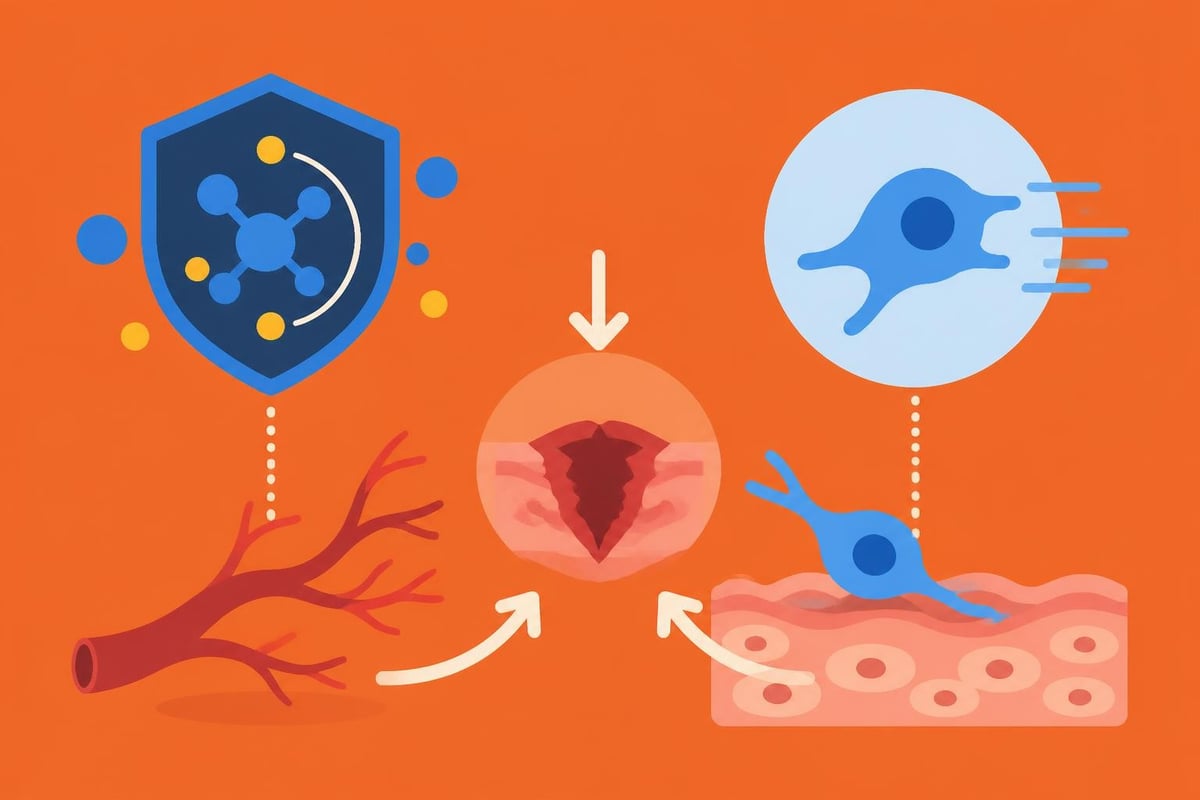
The wolverine stack peptides protocol combines two synthetic peptides with complementary mechanisms. BPC-157 derives from a protective protein found in gastric juice, while TB-500 represents a synthetic fraction of Thymosin Beta-4, a protein involved in cellular repair processes. Neither compound operates through hormonal pathways or anabolic signaling. Both target tissue repair at the cellular level through distinct but overlapping mechanisms.
BPC-157 demonstrates activity in stabilizing growth factors and supporting angiogenesis, the formation of new blood vessels that deliver nutrients to damaged tissue. Research indicates potential benefits for tendon repair, muscle healing, and gut integrity. TB-500 works through cellular migration and differentiation, helping cells reach injury sites and transform into the specific tissue types needed for repair.
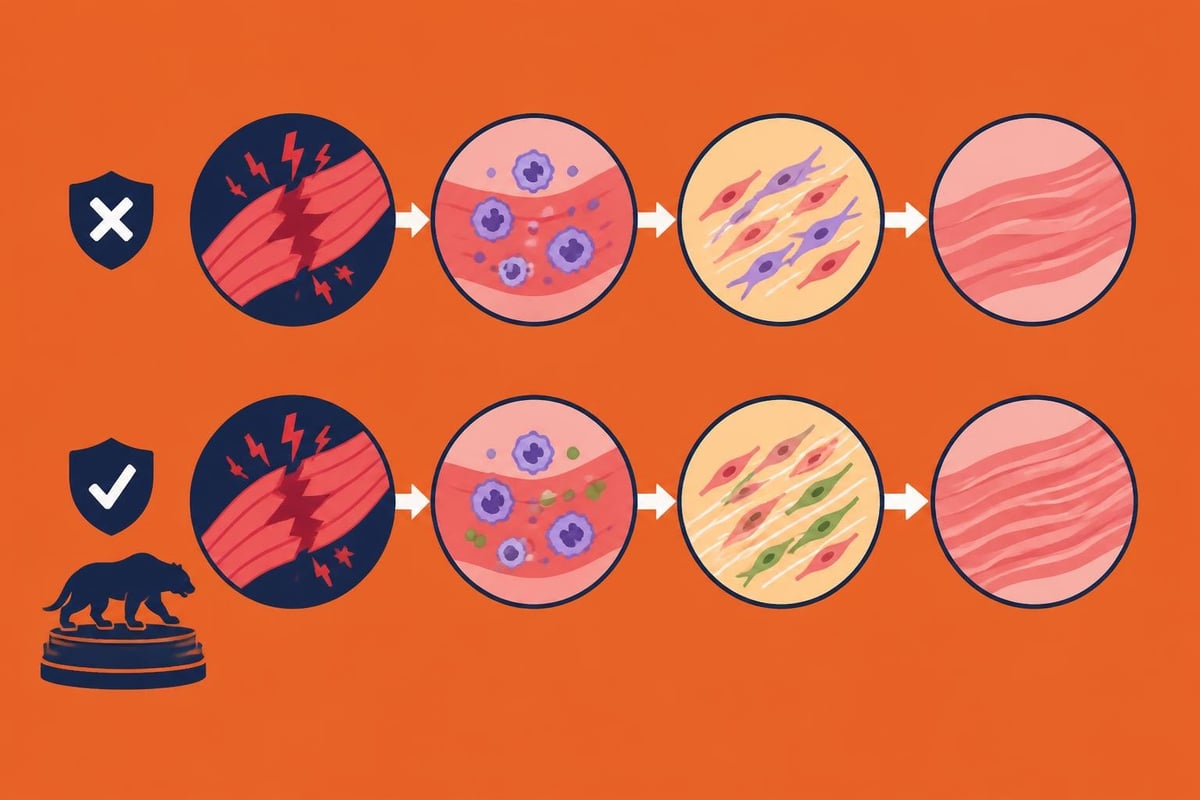
The combination earned its nickname from the fictional character known for rapid healing. Thewolverine stack peptide protocolgained traction among athletes dealing with nagging injuries that interfered with training consistency. Men report shortened recovery windows from soft tissue injuries, reduced inflammation around joints, and improved healing quality in previously damaged areas.
The Science Behind Synergistic Effects
Research on both compounds exists independently, but limited peer-reviewed studies examine their combined use in humans. Animal studies provide the bulk of evidence supporting recovery claims. BPC-157 research demonstrates tendon-to-bone healing improvements, reduced inflammatory markers, and protective effects on various tissue types. TB-500 studies show enhanced muscle fiber repair, improved flexibility in scar tissue, and faster functional recovery from acute injuries.
The synergy concept rests on non-competing mechanisms. BPC-157 creates a better environment for healing through blood vessel formation and growth factor stabilization. TB-500 ensures appropriate cells reach the repair site and differentiate correctly. Together, they theoretically address both the structural and cellular components of tissue repair simultaneously.
Critical evaluation reveals gaps. Human trials remain limited. Most dosing protocols derive from animal research scaled to bodyweight or from community experimentation rather than clinical validation. Themedical perspective on wolverine stack peptidesemphasizes these limitations while acknowledging the biological plausibility of the proposed mechanisms.
Protocol Design and Dosing Considerations
Wolverine stack peptides require structured protocols, not casual experimentation. Most protocols divide into loading and maintenance phases. Loading phases use higher frequencies to saturate tissue and establish baseline effects. Maintenance phases reduce frequency while preserving therapeutic benefits.
Common BPC-157 dosing parameters:
Loading phase: 250-500 mcg daily
Maintenance phase: 250 mcg 3-4 times weekly
Duration: 4-8 week cycles
Administration: Subcutaneous or intramuscular injection
Common TB-500 dosing parameters:
Loading phase: 5-10 mg weekly (split into 2 doses)
Maintenance phase: 2-5 mg weekly
Duration: 4-8 week cycles
Administration: Subcutaneous injection
Thedetailed wolverine stack dosing protocolsspecify timing considerations that matter for practical implementation. BPC-157 shows potential benefits from local injection near injury sites, though systemic administration also demonstrates effects. TB-500 works systemically regardless of injection location.
Implementation Standards
Peptide therapy demands pharmaceutical-grade products and sterile technique. Contaminated or degraded peptides pose infection risks and deliver unpredictable results. Storage requires refrigeration for reconstituted solutions and protection from light degradation. Bacteriostatic water serves as the standard reconstitution medium.
Quality verification checklist:
Third-party testing certificates
Proper packaging with amber vials
Clear labeling with batch numbers
Established supplier reputation
Storage and shipping temperature control
Injectable protocols require basic competency. Subcutaneous administration uses insulin syringes with short needles. Injection sites rotate between abdomen, thighs, and deltoids to prevent tissue irritation. Alcohol swabs, proper needle disposal, and infection monitoring represent non-negotiable safety measures.
Men pursuing performance optimization often lack medical supervision for peptide use. This creates accountability gaps. Working with clinicians familiar with peptide protocols provides oversight for dosing adjustments, side effect management, and integration with existing health conditions or medications.
Recovery Applications and Realistic Expectations
Wolverine stack peptides show the most promise for specific recovery scenarios. Chronic tendon issues, partial muscle tears, joint inflammation, and connective tissue injuries represent common targets. Men report improvements in long-standing issues that resisted conventional recovery protocols. These anecdotal reports require context against recovery timelines and concurrent interventions.
A forty-year-old father dealing with persistent elbow tendinitis might implement the stack while maintaining physical therapy, modifying training loads, and optimizing sleep. The peptides potentially accelerate healing, but they don't replace foundational recovery work. Expecting miracles leads to disappointment and continued dysfunction.
Recovery ScenarioExpected TimelineStack RoleSupporting Actions RequiredTendon inflammation6-12 weeksReduce healing time 20-40%Load management, mobility workMuscle strain3-6 weeksSupport tissue qualityProgressive strengtheningJoint inflammation4-8 weeksDecrease inflammationMovement modificationChronic overuse8-16 weeksImprove tissue resilienceTechnique correction
Thecomprehensive examination of wolverine stack mechanismschallenges common misconceptions about instant recovery. Tissue repair follows biological timelines that peptides may enhance but cannot circumvent. Collagen synthesis, cellular migration, and tissue remodeling require weeks to months regardless of intervention.
Integration With Training Demands
Fathers managing training alongside work and family obligations face compressed recovery windows. A missed workout or reduced training capacity creates downstream effects on strength maintenance and body composition goals. Thestructured approach to peptide therapy at The Father Forgeintegrates recovery tools within personalized programming that accounts for individual recovery capacity and life demands.
Peptide protocols work best when training adapts to recovery status. Pushing through pain while running the stack defeats the purpose. The compounds support healing when you provide appropriate recovery conditions. This means intelligent deloads, exercise modifications, and patience with timeline expectations.
Men typically report noticing effects within two to four weeks. Reduced morning stiffness, decreased pain during specific movements, and improved training tolerance signal positive responses. Absence of improvement within six weeks suggests reassessment of the protocol, injury diagnosis, or underlying recovery limitations unrelated to tissue healing capacity.
Safety Profile and Risk Management
Wolverine stack peptides demonstrate relatively benign safety profiles in available research and user reports. Serious adverse events remain rare in documented cases. Common reported effects include injection site reactions, mild water retention, and occasional headaches. These typically resolve with dosage adjustment or discontinuation.
Reported side effects by frequency:
Very common: Injection site redness (mild, temporary)
Common: Slight fatigue during loading phase
Uncommon: Headaches, water retention
Rare: Digestive changes, mood alterations
The absence of long-term human studies creates uncertainty about extended use. Most protocols limit continuous use to eight to twelve weeks followed by equal off periods. This cycling approach theoretically prevents adaptation and allows assessment of sustained benefits versus compound dependence.
Contraindications require consideration. Men with active cancer diagnoses face theoretical concerns about peptides affecting cell proliferation. Those with autoimmune conditions need medical oversight given immune system interactions. Blood pressure medications may require monitoring given potential fluid retention effects.
Medical Oversight Standards
The legal landscape for peptide use varies. Some peptides exist in regulatory gray zones. Clinicians prescribe them off-label. Others operate through research chemical suppliers without medical supervision. This creates quality control challenges and liability questions.
Baseline health markers establish monitoring protocols. Basic metabolic panels, complete blood counts, and inflammatory markers provide before-and-after comparison data. Men with existing health conditions require closer oversight. Thedetailed safety considerations for wolverine stack useemphasize individual assessment over blanket protocols.
Interaction potential with other supplements and medications deserves attention. Blood thinning medications combined with peptides affecting angiogenesis require medical discussion. Growth hormone protocols or other performance compounds create additive effects that change risk profiles.
Practical Implementation for Aging Athletes
Men over thirty-five face accumulated damage from years of training, sports, and physical work. Past injuries create compensation patterns. Flexibility decreases. Recovery capacity diminishes. Wolverine stack peptides represent one tool among many for maintaining training capacity while managing these realities.
The compound approach to recovery optimization includes multiple interventions working together. Sleep optimization provides the foundation. Nutrition timing and quality support tissue repair. Mobility work maintains movement quality. Stress management prevents systemic inflammation. Peptides potentially enhance these factors but don't replace them.
Complete recovery protocol components:
Foundation layer (non-negotiable)
Seven to eight hours quality sleep
Protein intake 0.8-1g per pound bodyweight
Hydration maintenance above two liters daily
Stress management practices
Enhancement layer (significant impact)
Strategic deload weeks every 4-6 weeks
Daily mobility work 10-15 minutes
Contrast therapy through heat and cold exposure
Targeted soft tissue work on problem areas
Optimization layer (marginal gains)
Peptide protocols for specific injuries
Supplement timing around training
Recovery modality rotation
Advanced programming periodization
Theresearch perspective on wolverine stack protocolsexamines synergistic timing between compounds. Some protocols suggest front-loading TB-500 during the first two weeks while maintaining consistent BPC-157 dosing. Others prefer simultaneous loading phases for both compounds. Individual response varies enough that rigid adherence to single protocols misses optimization opportunities.
Men combining peptides with contrast therapy through regular sauna and cold exposure create complementary recovery pathways. Heat stress proteins activate through sauna use, supporting cellular repair mechanisms. Cold exposure reduces inflammation and triggers adaptive responses. Finnish sauna traditions practiced for centuries demonstrate sustainable recovery practices that modern research continues validating. Quality equipment from retailers likeRecoSaunamakes implementing this ancestral recovery tool accessible for home use.

Cycle Planning and Strategic Implementation
Effective wolverine stack peptides use requires strategic timing aligned with training objectives and injury status. Random implementation wastes resources and produces unclear results. Deliberate cycles targeting specific goals provide actionable feedback on effectiveness.
Strategic cycle timing scenarios:
ScenarioTiming StrategyDurationExpected OutcomeAcute injuryImmediate implementation6-8 weeksAccelerated return to trainingChronic issueDuring deload or reduced volume8-12 weeksTissue quality improvementPreventiveOff-season or transition period4-6 weeksAccumulated damage repairPerformance prep8-12 weeks before competitionVariableOptimize training capacity
The planning process starts with clear injury assessment or recovery goals. A shoulder issue interfering with pressing movements requires different considerations than Achilles tendinitis affecting running capacity. Compound selection, dosing, and injection site selection all adapt to specific situations.
Documentation matters. Tracking pain levels, movement quality, training performance, and subjective recovery provides data for effectiveness assessment. Simple scales rating pain from one to ten before and after protocols establish baseline comparisons. Video analysis of movement patterns reveals quality improvements independent of pain reduction.
Men often want to run continuous protocols indefinitely. This approach lacks strategic thinking. On-cycle periods establish effects. Off-cycle periods test sustainability and prevent dependency. Thepeptide database protocols for wolverine stackrecommend minimum four-week breaks between eight-week cycles for most users.
Cost-Benefit Analysis
Wolverine stack peptides represent financial investment beyond basic supplementation. Quality compounds cost one hundred to three hundred dollars monthly depending on dosing and supplier. Sterile supplies, storage equipment, and testing add additional expenses. Men must weigh these costs against potential benefits and alternative interventions.
Conservative comparison includes conventional treatments avoided or reduced. Physical therapy sessions cost seventy-five to two hundred dollars each. Ongoing sessions for chronic issues create monthly expenses exceeding peptide protocols. Cortisone injections range from one hundred to five hundred dollars per treatment. These interventions carry their own risk profiles and effectiveness limitations.
The calculation extends beyond money. Training consistency lost to injury creates compounding effects on strength, body composition, and mental state. A father sidelined from training for three months loses more than muscle mass. The accountability structure collapses. The stress outlet disappears. Confidence erodes. Effective recovery tools that prevent extended downtime deliver value beyond direct cost comparison.
Sourcing and Quality Control Standards
The peptide market includes legitimate pharmaceutical suppliers, research chemical companies, and outright fraudulent operations. Quality variance directly impacts both safety and effectiveness. Underdosed products waste money and time. Contaminated products create health risks. Establishing reliable sourcing represents a critical implementation step.
Third-party testing certificates verify peptide purity and concentration. Reputable suppliers provide these certificates with batch numbers matching products shipped. Certificates should come from independent laboratories using mass spectrometry or HPLC analysis. Supplier-generated testing lacks credibility.
Quality verification requirements:
Certificate of analysis from independent lab
Purity above 98% for research compounds
Proper pharmaceutical packaging
Temperature-controlled shipping
Established company history and reviews
Responsive customer service
Clear reconstitution and storage instructions
Thedetailed explanation of wolverine stack sourcingaddresses common supplier evaluation criteria. Price alone fails as a quality indicator. Some premium suppliers charge excessive markups for standard products. Budget suppliers occasionally provide quality compounds at fair prices. Research, testing verification, and community reputation provide better guidance than cost comparison.
Storage failures destroy expensive compounds. Reconstituted peptides stored at room temperature degrade within days. Refrigerated storage extends viability to weeks. Frozen storage of unreconstituted powder maintains potency for months. Temperature monitoring during shipping prevents degradation before receipt. These details matter for protecting investment and ensuring expected results.
Alternative Protocols and Compound Combinations
Wolverine stack peptides represent one recovery approach among several. Men explore various peptide combinations based on specific goals and injury patterns. Understanding alternatives provides context for protocol selection and prevents tunnel vision on single solutions.
Common peptide alternatives and combinations:
BPC-157 alone for gut health and local tissue repair
TB-500 alone for systemic recovery and flexibility
GHK-Cu for skin quality and general healing
Ipamorelin/CJC-1295 for growth hormone optimization
Selank/Semax for cognitive and stress management
Some protocols layer multiple compounds addressing different recovery aspects simultaneously. A comprehensive approach might include wolverine stack for tissue repair, growth hormone secretagogues for overall recovery capacity, and cognitive peptides for stress resilience. This complexity requires careful management and clear attribution of effects to specific compounds.
Thecomprehensive guide to wolverine peptide protocolsexplores these combinations with dosing guidance and timing considerations. Most experienced users recommend establishing baseline responses to single compounds before combining multiple peptides. This approach clarifies which interventions deliver results and which create unnecessary complexity.
Men dealing with multiple concurrent issues face protocol decisions. A father managing both shoulder tendinitis and digestive problems might benefit from BPC-157's dual applications over TB-500's more specific tissue repair focus. Individual situations demand individual solutions rather than universal protocols.
Wolverine stack peptides offer a legitimate recovery tool for men managing the accumulated damage of decades of training and life demands. The combination provides biological mechanisms that support tissue repair when implemented with proper dosing, quality products, and realistic expectations. These compounds work best within comprehensive recovery frameworks that prioritize sleep, nutrition, intelligent training, and stress management. For fathers over thirty-five maintaining performance while leading families, targeted recovery interventions create the capacity for sustained consistency that compounds into long-term results.The Father Forgebuilds personalized programming that integrates recovery strategies with training demands, providing the accountability structure that separates temporary fixes from lasting transformation.