Weight Training for Weight Loss: Results Over Gimmicks
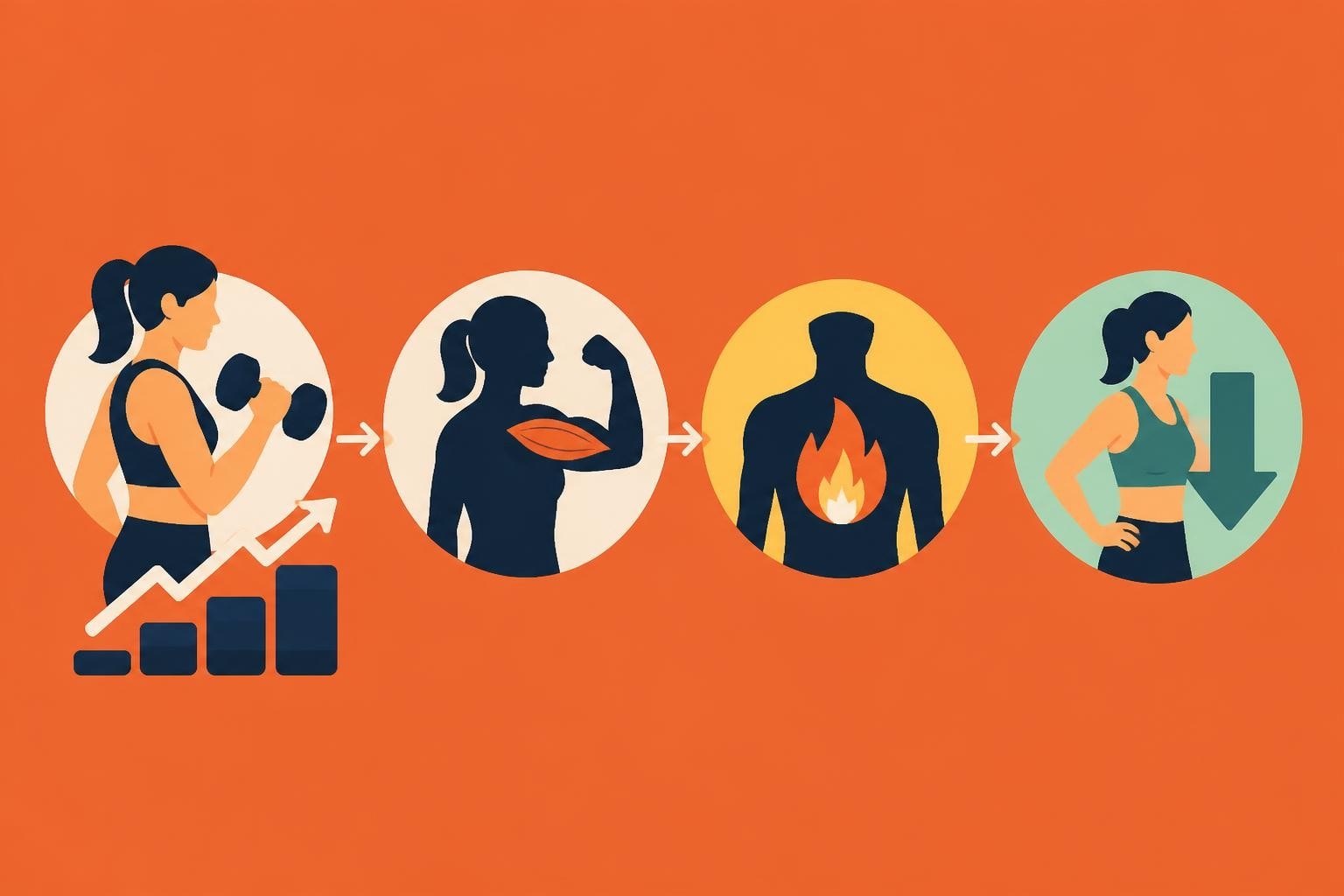
Most men approaching weight loss have been sold the same tired story: eat less, run more, suffer until the scale moves. That approach fails because it treats the symptom and ignores the root cause. Your body doesn't need another crash diet or endless cardio sessions. It needs structure, resistance, and the metabolic advantage that comes from building muscle. Weight training for weight loss isn't a new trend or clever hack. It's the foundation of sustainable body composition change, grounded in physiology and proven in the field. When you build strength, you create an engine that burns fuel efficiently, preserves lean tissue during caloric deficit, and delivers results that last beyond the first thirty days.
Why Weight Training Outperforms Cardio Alone for Fat Loss
Cardio burns calories during the session. Weight training builds tissue that burns calories around the clock.
The difference isn't subtle. When you perform resistance training, you create micro-tears in muscle fibers that require energy to repair. That repair process elevates your metabolic rate for hours after you leave the gym, a phenomenon researchers call excess post-exercise oxygen consumption. You're burning fuel while you sleep, while you work, while you sit in traffic. Muscle tissue is metabolically active. Fat tissue is not.
The Metabolic Advantage of Lean Mass
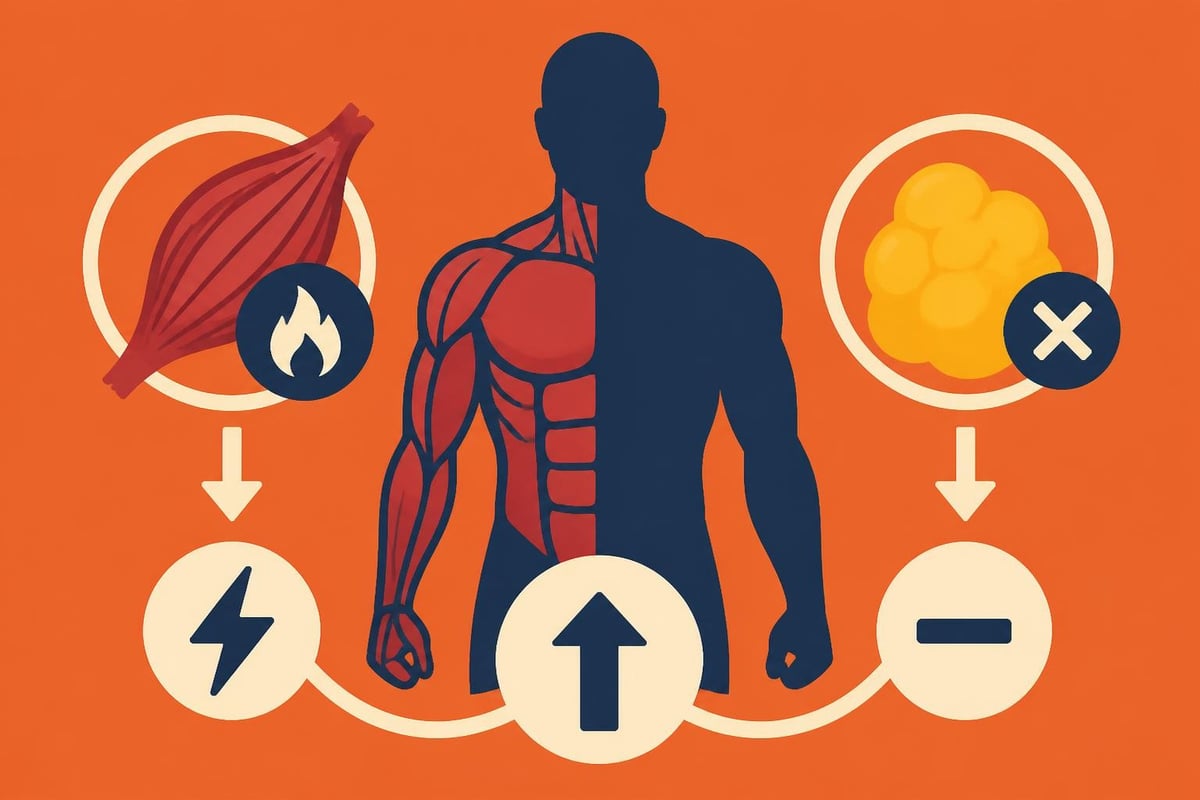
Every pound of muscle you carry requires energy to maintain. Estimates vary, but the principle remains constant: more muscle means higher baseline caloric expenditure. When you combine weight training for weight loss with a caloric deficit, you signal your body to preserve the tissue it needs and shed what it doesn't.
Recent systematic reviews confirm that resistance training preserves lean mass while supporting fat reduction in individuals with overweight and obesity. The data isn't ambiguous. Strength training protects muscle during weight loss. Cardio-only approaches do not.
Muscle preservation during caloric restriction
Elevated resting metabolic rate from increased lean tissue
Improved insulin sensitivity and glucose disposal
Hormonal optimization including testosterone and growth hormone response
The Father Forge online fitness community connects men who understand this principle. We help fathers over thirty-five build strength through progressive resistance programs, and the results speak for themselves: better body composition, boosted metabolism, and sustainable progress over time. This isn't theory. It's what happens when you train with purpose and accountability.
Progressive Overload: The Non-Negotiable Principle
You don't build muscle by repeating the same workout indefinitely. You build it by forcing adaptation. Progressive overload means systematically increasing the demand you place on your muscles: more weight, more reps, more sets, shorter rest, or improved form under the same load.
Without progression, you maintain. With it, you grow.
Three Pathways to Progressive Resistance
Method | Application | Example |
|---|---|---|
Load progression | Add weight to the bar each week | Squat 185 lbs for 5 reps, then 190 lbs next session |
Volume progression | Increase total reps or sets | 3 sets of 8 becomes 4 sets of 8, then 4 sets of 10 |
Density progression | Reduce rest periods between sets | Rest 90 seconds, then 75 seconds for same work |
Pick one variable. Track it. Improve it. Repeat.
Most men fail at weight training for weight loss because they never track progression. They show up, move weights, and hope effort alone produces results. Effort without measurement is noise. Track your lifts. Write down the numbers. Hold yourself accountable to objective improvement, not subjective feelings.
Compound Movements Build the Foundation
Isolation exercises have a place. That place is after you've built foundational strength through compound movements. Squats, deadlifts, presses, rows, and pull-ups recruit multiple muscle groups, generate significant metabolic demand, and deliver the greatest return on training time.
A man who can squat, deadlift, and press heavy loads carries functional strength into every domain of his life. He's not training to look good in a mirror. He's training to perform under load, to endure, to lead.
The Big Five and Their Role in Fat Loss
Squat: Lower body power, core stability, largest muscle groups activated
Deadlift: Posterior chain development, grip strength, total-body tension
Bench Press: Upper body pressing strength, chest and tricep mass
Overhead Press: Shoulder stability, core engagement, functional pushing
Row or Pull-Up: Back thickness, postural integrity, balanced pulling strength
These movements are not optional. They are the foundation. Everything else is supplemental.
When combined with appropriate caloric intake and protein targets, compound lifts preserve muscle mass during fat loss phases. The International Society of Sports Nutrition confirms that higher protein intake paired with resistance training supports lean mass retention during hypocaloric weight loss. You can't out-train a poor diet, but you can protect your muscle while you cut.
Training Frequency and Volume for Maximum Results
How often should you train? Enough to create adaptation. Not so much that you impair recovery.
Most men over thirty-five will see optimal results from three to four resistance sessions per week. Each session should target major movement patterns: push, pull, hinge, squat. Total weekly volume per muscle group should land between ten and twenty working sets, depending on training age and recovery capacity.
Sample Weekly Training Split
Option A: Full-Body Three Days per Week
Monday: Squat, Press, Row
Wednesday: Deadlift, Bench, Pull-Up
Friday: Front Squat, Overhead Press, Accessory Work
Option B: Upper/Lower Four Days per Week
Monday: Lower (Squat emphasis)
Tuesday: Upper (Press emphasis)
Thursday: Lower (Hinge emphasis)
Friday: Upper (Pull emphasis)
Both approaches work. Choose the one you'll execute consistently. The American College of Sports Medicine position stands recommend resistance training at least two days per week for health benefits, with additional frequency supporting greater adaptations in strength and body composition.
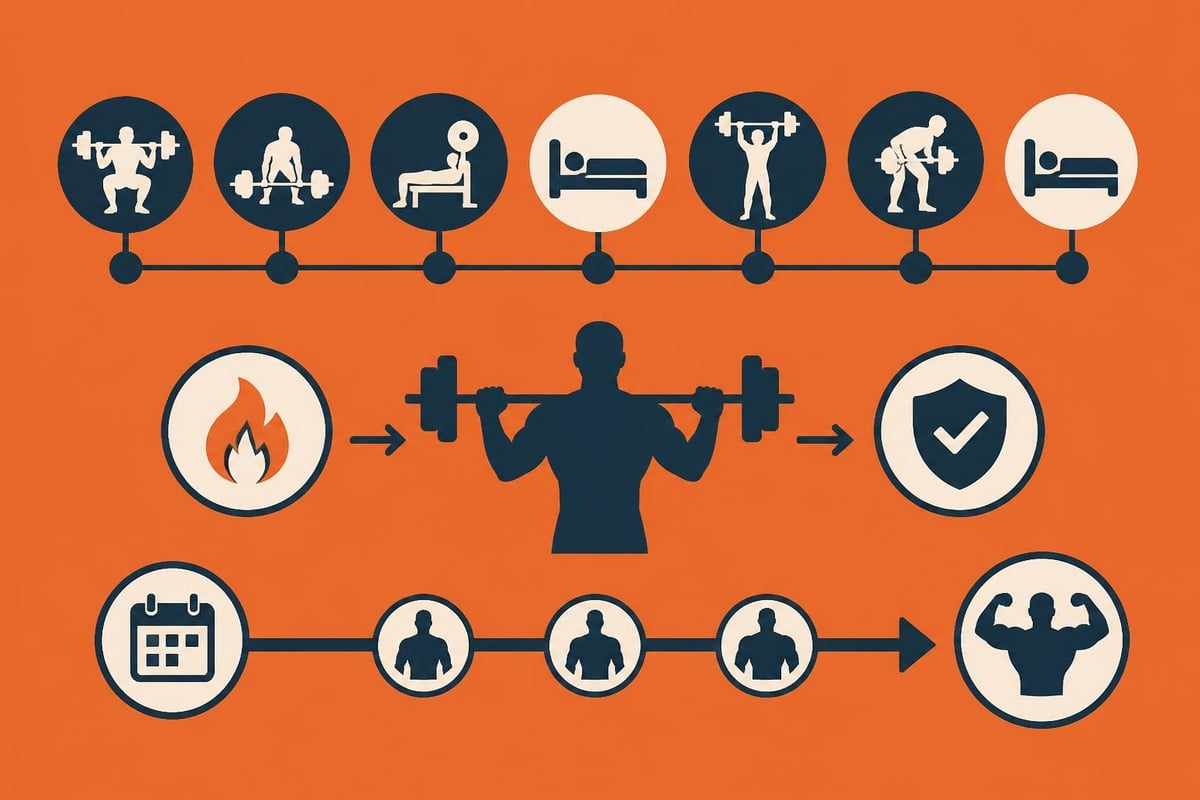
Recovery isn't passive. It's where growth occurs. Sleep, nutrition, and stress management determine whether your training produces adaptation or breakdown. Most men underestimate the need for recovery and wonder why they plateau.
Nutrition: The Variable That Determines Success or Failure
Weight training for weight loss creates the environment for change. Nutrition determines whether that change happens.
You cannot train your way out of a caloric surplus. You cannot preserve muscle without adequate protein. These are not opinions. They are biological facts.
Protein Targets for Muscle Preservation
During fat loss, protein intake should range from 0.8 to 1.2 grams per pound of body weight. Higher end for leaner individuals, aggressive deficits, or older lifters. This intake supports muscle protein synthesis, increases satiety, and has a higher thermic effect than carbohydrates or fats.
Lean meats: Chicken, turkey, lean beef
Fish: Salmon, tuna, white fish
Eggs: Whole eggs provide complete amino acids
Dairy: Greek yogurt, cottage cheese
Plant sources: Beans, lentils, tofu (if tolerated)
Spread protein across three to four meals. Timing matters less than total daily intake, but consistent feeding supports recovery and performance.
Harvard Health guidance on weight loss emphasizes sustainable dietary patterns over restrictive fads. You're not building a six-week transformation. You're building a system that works for years.
The Role of Cardiovascular Conditioning
Cardio has a place. That place is subordinate to resistance training when the goal is body composition change.
Use low-intensity steady-state cardio for general conditioning, heart health, and additional caloric expenditure. Walking, hiking, and easy cycling fit this category. Keep sessions moderate: twenty to forty minutes, three to five days per week.
High-intensity interval training can complement resistance work, but it also competes for recovery resources. If you're training heavy three to four days per week, excessive HIIT will impair your ability to progress on lifts. The American Heart Association's scientific statement provides guidance on combining resistance and aerobic training safely, particularly for men with cardiovascular considerations.
Cardio Hierarchy for Fat Loss:
Resistance training (3-4 days, primary focus)
Daily walking (10,000 steps, general activity)
Low-intensity steady state (2-3 sessions, optional)
High-intensity intervals (1-2 sessions max, only if recovery supports it)
Prioritize lifting. Supplement with movement. Don't confuse activity with productivity.
Common Mistakes That Sabotage Progress
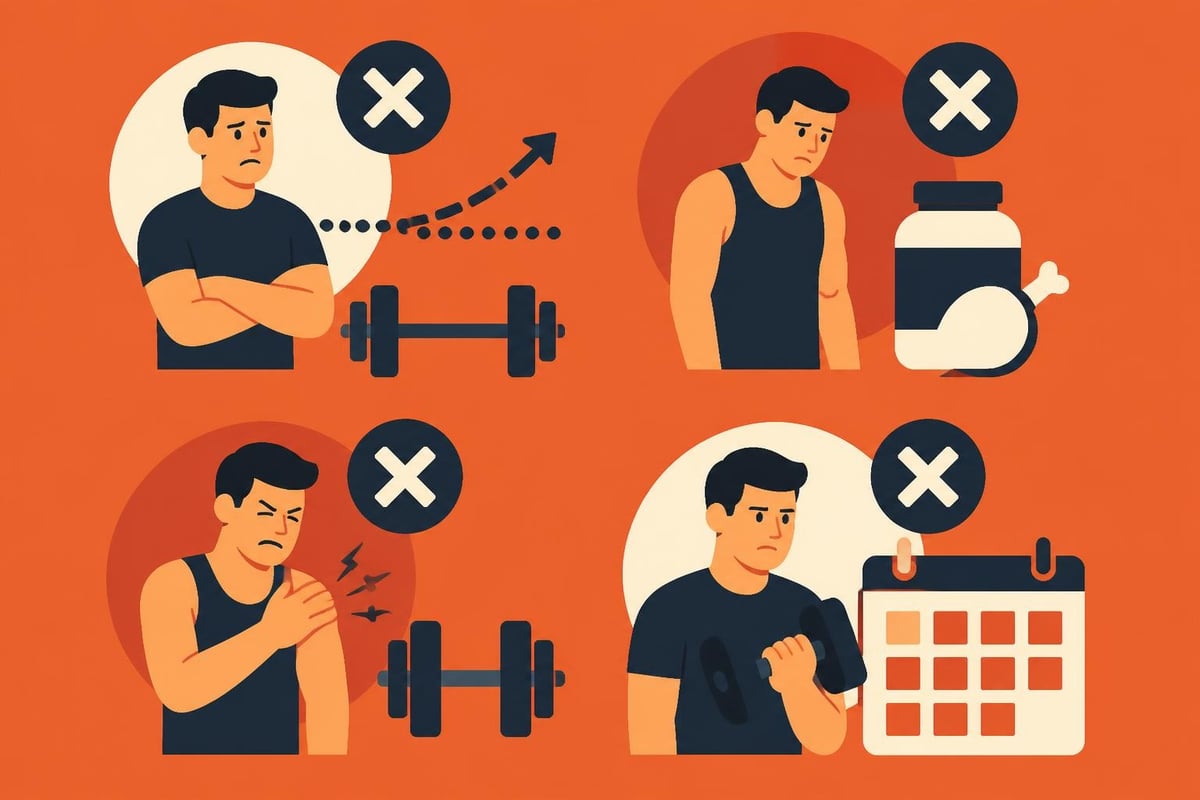
Most men fail at weight training for weight loss because they repeat the same errors, expecting different outcomes.
Mistake One: No Progressive Plan
Showing up and "getting a workout in" isn't training. It's exercise. Training follows a plan with measurable progression. If you can't name what you lifted last week and what you're lifting this week, you're not training.
Mistake Two: Inadequate Protein Intake
You can't build or preserve muscle on 80 grams of protein per day. Hit your target every day. No exceptions. Track it until it becomes automatic.
Mistake Three: Chasing Soreness Instead of Strength
Soreness is not the goal. Strength is the goal. Soreness indicates unfamiliar stimulus, not effective training. Stop chasing the burn and start chasing the numbers.
Mistake | Consequence | Correction |
|---|---|---|
No progression | Plateau within weeks | Track lifts, add weight or reps weekly |
Low protein | Muscle loss during deficit | 0.8-1.2g per lb bodyweight daily |
Excessive volume | Overtraining, poor recovery | 10-20 sets per muscle group per week |
Skipping rest days | Fatigue, injury risk | Plan rest, prioritize sleep |
Mistake Four: Inconsistent Execution
Training three days one week, zero the next, five the week after produces zero adaptation. Your body responds to consistent stress over time, not sporadic effort.
The Father Forge community solves this through weekly accountability. When you're part of a group of men who track their progress and report results, inconsistency becomes visible. Visibility creates pressure. Pressure creates change. That's how we help men build strength, boost metabolism, and get incredible results over time.
Long-Term Sustainability and Lifestyle Integration
Weight training for weight loss works in the short term. Weight training as a lifestyle works for decades.
The goal isn't to lose twenty pounds in eight weeks and regain it in twelve. The goal is to build a body that performs, a metabolism that functions, and a system you can execute for the rest of your life. That requires integrating training into your identity, not treating it as a temporary intervention.
Building the Habit Infrastructure
Fixed training times: Same days, same time, non-negotiable
Prepared nutrition: Meal prep or reliable systems, no decision fatigue
Sleep discipline: Seven to eight hours, consistent schedule
Accountability structure: Training partners, coaches, or community
You don't need motivation. You need systems that remove friction and make execution automatic.
NIH guidance on combining diet and physical activity for weight management emphasizes behavioral strategies and long-term adherence. The first month is easy. The first year is hard. The second decade is where you separate men who talk from men who live it.
Strength as Leadership Development
Weight training builds more than muscle. It builds discipline, resilience, and the capacity to endure discomfort in pursuit of a goal. Those qualities transfer directly into fatherhood, marriage, and professional leadership.
When you commit to progressive resistance training, you're not just changing your body. You're proving to yourself that you can set a standard and meet it. You're modeling consistency for your children. You're demonstrating that improvement requires sustained effort, not sporadic intensity.
The man who trains consistently, eats with discipline, and tracks his progress is the same man who leads his family with clarity. The habits are identical. The mindset is identical. You can't compartmentalize integrity.
At The Father Forge, we build custom programs that integrate fitness with mental resilience and leadership development. This isn't a workout app. It's a system for self-mastery. If you're ready to commit to structured progression and real accountability, our 1-on-1 men's coaching includes custom workout programming, nutrition planning, and weekly calls with a retired Command Sergeant Major who's lived this path.
Tracking Progress Beyond the Scale
The scale measures one variable: total body mass. It doesn't distinguish between muscle, fat, water, or glycogen. Relying solely on scale weight to measure progress is like judging a battle by casualty count alone. It tells you something, but it doesn't tell you everything.
Better Metrics for Body Composition Change
Waist circumference: Measure at navel, same time each week
Strength progression: Weight lifted for key movements
Progress photos: Same lighting, same pose, every two weeks
How clothes fit: Objective feedback from waistband and shoulders
Performance markers: Reps completed, rest times, conditioning capacity
Track multiple variables. Look for trends over four to six weeks. Daily fluctuations mean nothing. Monthly trends mean everything.
Men who focus exclusively on scale weight often miss significant body recomposition: fat loss and muscle gain occurring simultaneously. The scale stays flat while the waist shrinks and lifts increase. That's progress. That's what weight training for weight loss delivers when executed correctly.
The Reality of Timeframes and Expectations
Real body composition change takes months, not weeks. Sustainable fat loss occurs at a rate of one to two pounds per week for most men. Muscle gain during a deficit is minimal for trained lifters, though beginners often experience both simultaneously.
Set expectations based on reality, not marketing promises. Twelve weeks of disciplined training and nutrition will produce visible change. Twenty-four weeks will produce significant transformation. Fifty-two weeks will build a completely different physique and metabolic profile.
You're not trying to get shredded for a vacation. You're building a body that performs at fifty, sixty, seventy years old. That requires patience, consistency, and the willingness to measure progress in years, not days.
Weight training for weight loss works because it addresses the root problem: metabolic capacity and muscle preservation. The scale will move when you build strength, eat adequate protein, and maintain consistency over months. At The Father Forge, we help men integrate resistance training into a complete system of fitness, mindset, and leadership development. If you're ready to commit to structured progression and real results, start at The Father Forge and build the foundation that lasts.