Wegovy: What Fathers Need to Know Before Starting
Wegovy has become the pharmaceutical industry's answer to America's obesity epidemic, promising dramatic weight loss through a weekly injection. Fathers see the marketing, hear the testimonials, and wonder if this drug could be the solution to years of failed diets and inconsistent gym attendance. The drug works, in the narrow sense that it causes weight loss. What it doesn't do is build the mental discipline, physical capability, or leadership presence that fathers need to model for their children. Before you commit to a medication that costs over $1,300 per month and requires indefinite use, you owe it to yourself and your family to understand what you're actually signing up for.
Understanding What Wegovy Actually Does
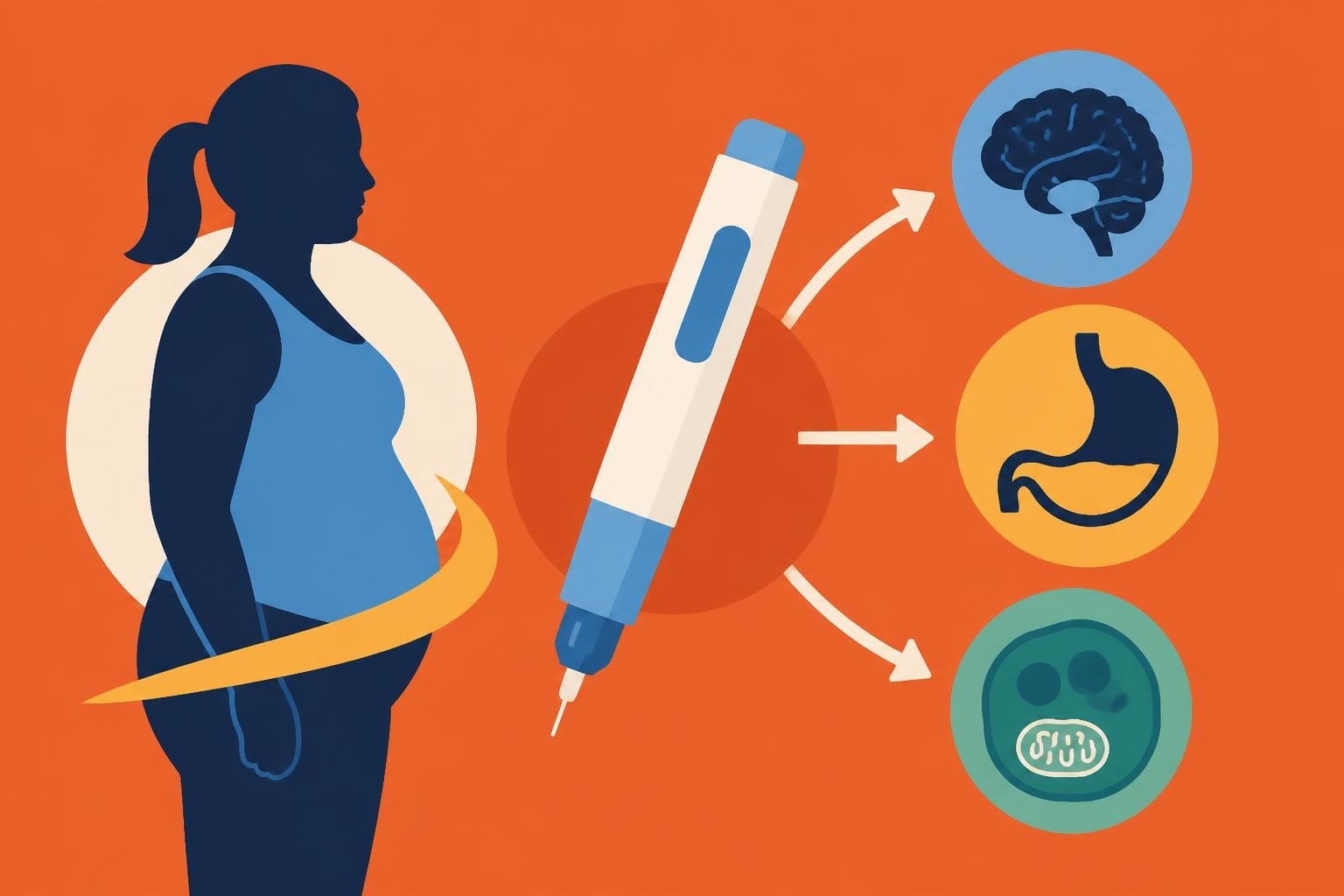
Wegovy is the brand name for semaglutide, a GLP-1 receptor agonist originally developed to treat type 2 diabetes. The drug mimics a hormone your gut naturally produces after eating, triggering receptors in your brain that regulate appetite and food intake. When you inject Wegovy weekly, it essentially tells your brain you're full, even when you haven't eaten.
The mechanism is straightforward. Your appetite decreases, you eat less, and the caloric deficit causes weight loss. Clinical trials show participants losing an average of 15% of their body weight over 68 weeks. Some lose more, some less, but the numbers are real enough that insurance companies and employers are scrambling to figure out coverage policies.
The Immediate Physical Response
Within the first few weeks of Wegovy use, most men experience significant appetite suppression. Food becomes less interesting. Portions that once seemed normal now feel excessive. The drug doesn't just reduce hunger between meals; it changes how satisfying food feels during meals.
Common side effects include:
Nausea and vomiting, especially after eating foods high in fat
Diarrhea or constipation as your digestive system adjusts
Fatigue and low energy despite eating less
Headaches during the initial dose escalation
Acid reflux and stomach discomfort
These symptoms typically improve after the first month, but not always. Some men tolerate the drug well. Others feel miserable for months or decide the side effects outweigh the benefits.
The Problem with Pharmaceutical Dependency
Here's what the pharmaceutical companies won't emphasize in their marketing: Wegovy only works as long as you keep taking it. When you stop, the weight comes back. This isn't a character flaw or a failure of willpower. It's the predictable result of relying on external intervention instead of internal change.
Research shows that patients who discontinue Wegovy regain approximately two-thirds of their lost weight within one year. The drug doesn't teach you how to eat properly under stress. It doesn't build the discipline to train consistently when you don't feel like it. It doesn't address why you were overeating in the first place.
What Happens to Your Metabolism
Weight loss always comes with metabolic adaptation. Your body reduces energy expenditure to match your new, lower caloric intake. When you lose weight through severe caloric restriction, whether drug-induced or voluntary, your body fights to regain what it lost.
Metabolic Factor | During Wegovy Use | After Stopping Wegovy |
|---|---|---|
Appetite hormones | Suppressed artificially | Return to baseline or higher |
Resting metabolic rate | Decreased with weight loss | Remains suppressed |
Hunger signals | Blunted by medication | Often stronger than before |
Satiety response | Enhanced chemically | Returns to previous patterns |
The medication creates a temporary override of your body's natural regulatory systems. When that override ends, you're left with a slower metabolism, increased hunger, and no new skills for managing either one.
The Muscle Loss Nobody Talks About
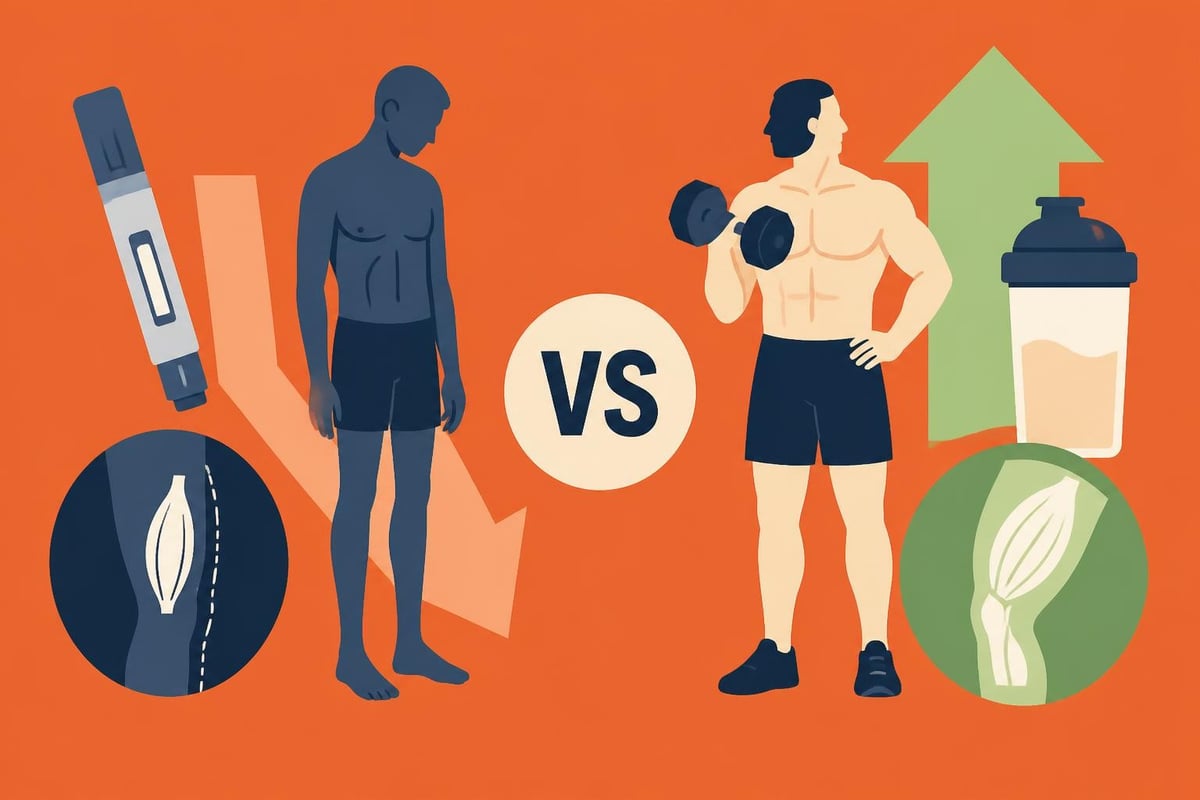
Rapid weight loss always includes muscle loss alongside fat loss. The faster you lose weight, the higher the percentage of that loss comes from lean tissue instead of adipose tissue. Wegovy accelerates weight loss beyond what most men can achieve through diet and exercise alone, which means it also accelerates muscle loss.
Studies on semaglutide show that 25-40% of weight lost can be lean body mass, not just fat. For a 220-pound man losing 33 pounds on Wegovy, that could mean losing 8-13 pounds of muscle. That's strength you won't get back easily, especially as you age.
Why Muscle Matters for Fathers
Muscle tissue is metabolically active. It burns calories at rest, stabilizes blood sugar, and maintains insulin sensitivity. When you lose muscle, you reduce your metabolic rate, making future fat loss harder and future fat gain easier.
Beyond metabolism, muscle represents functional capacity. It's the difference between playing physically with your kids without getting winded and watching from the sidelines because you're too weak or unstable. It's the ability to help a neighbor move furniture, split firewood, or handle an emergency without hesitation.
Muscle is also a visible indicator of discipline. Your children watch how you carry yourself. They notice whether you're strong or soft, capable or declining. The father who maintains muscle into his 40s, 50s, and beyond sends a message about standards and self-respect. The father who loses muscle while losing weight sends a different message entirely.
The Cost Beyond the Price Tag
Wegovy costs approximately $1,300-$1,600 per month without insurance. Even with coverage, copays typically run $200-$500 monthly. Over one year, you're looking at $2,400-$6,000 out of pocket, and that's assuming your insurance continues to cover it.
But financial cost is only part of the equation. There's an opportunity cost to choosing pharmaceutical intervention over behavioral change. Every month you spend relying on Wegovy is a month you're not building the habits that would make the drug unnecessary.
What That Money Could Build Instead
Consider what $3,600 per year could provide if invested in actual capability building rather than chemical appetite suppression. That amount covers a year of quality personalized coaching focused on sustainable fitness and leadership development, a home gym setup that lasts decades, or nutrition education that serves your entire family.
The difference isn't just practical. It's philosophical. Wegovy represents outsourcing. Real training represents ownership. One makes you dependent. The other makes you capable.
The Mental Game Nobody Addresses
Weight loss drugs create a psychological dependency that's rarely discussed in clinical settings. When the medication does the heavy lifting, you don't develop the mental resilience that comes from choosing the hard right over the easy wrong, day after day.
Discipline is a skill built through repetition. Self-control strengthens when you practice it. When Wegovy removes the need to exercise restraint around food, you lose opportunities to build that capacity. You're weaker mentally when you stop the drug than you were when you started, even if you're lighter physically.
The Leadership Void
Fathers lead through example, not explanation. Your kids don't need to understand your macros or your training split. They need to see you doing hard things consistently. They need to watch you choose discipline over convenience, even when no one would know if you took the shortcut.
When you rely on Wegovy, what example are you setting? That problems are solved through external solutions? That discomfort should be medicated away? That building capability matters less than achieving outcomes through the easiest available path?
These aren't rhetorical questions. Your leadership at home is either built on demonstrated competence and self-mastery, or it's built on authority without substance. The second version doesn't last once your kids are old enough to recognize the difference.
When Wegovy Might Make Sense
There are legitimate medical scenarios where Wegovy serves as a bridge to sustainability, not a permanent crutch. Morbidly obese men with serious comorbidities, severe sleep apnea, or type 2 diabetes that's destroying their organs may need rapid intervention that only pharmaceutical options can provide.
The standard isn't perfection. It's honesty. If you're 150 pounds overweight with failing kidneys and can't walk a mile without stopping, Wegovy might buy you time to build foundational habits while reducing immediate health risks. The drug becomes a problem when it's used to avoid the work instead of enabling it.
The Right Way to Use Weight Loss Medication
If you and your doctor decide Wegovy is appropriate, treat it as temporary assistance, not a permanent solution. Use the appetite suppression to establish portion control habits. Use the initial weight loss to reduce joint stress so you can start training. Use the momentum to build systems that continue working after you stop the medication.
That means:
Prioritize resistance training from day one to preserve muscle mass
Track protein intake aggressively, aiming for 1 gram per pound of goal bodyweight
Build non-food stress management systems before appetite returns
Establish meal timing and preparation routines that don't depend on feeling full
Create accountability structures that continue after pharmaceutical support ends
The medication should serve the plan, not replace it. If Wegovy is the plan, you don't have a plan.
The Alternative Path
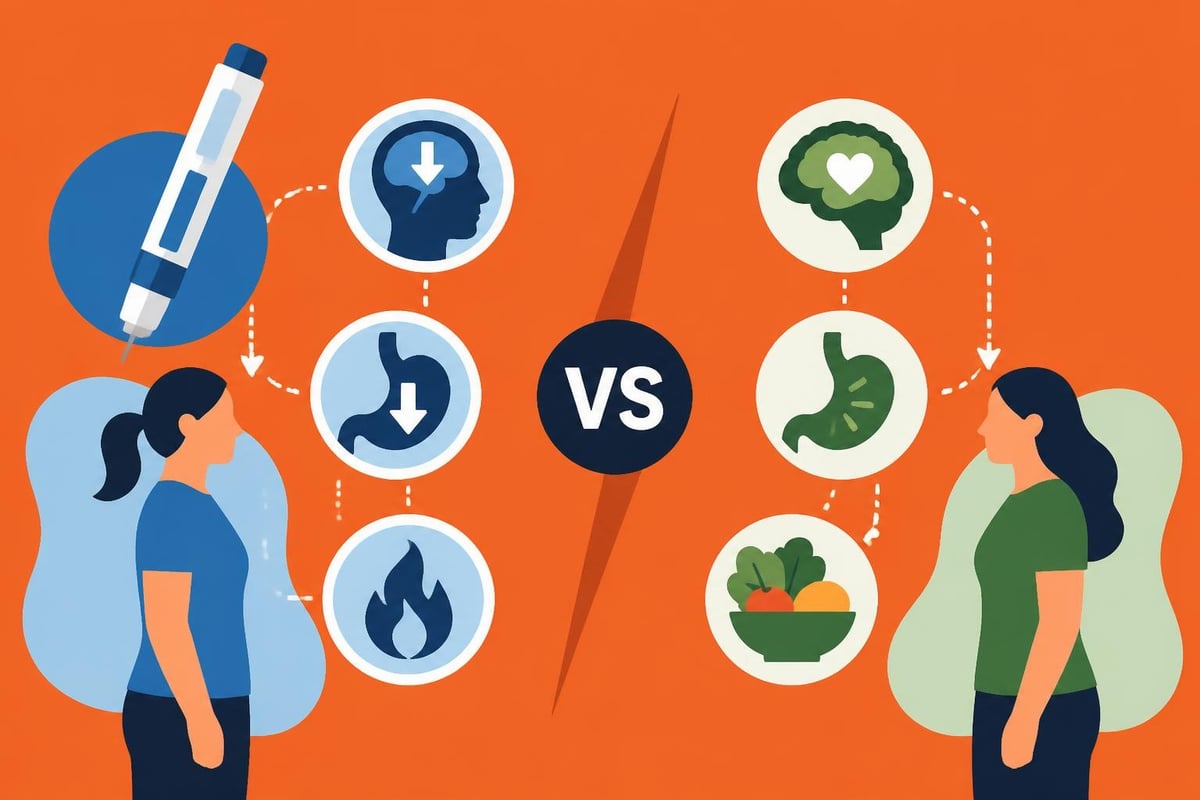
Weight loss doesn't require pharmaceutical intervention for the vast majority of men. It requires clarity about standards, consistency in execution, and accountability when motivation fades. These are learnable skills, not genetic gifts.
Sustainable fat loss happens through a slight caloric deficit maintained over months, combined with progressive resistance training that preserves and builds muscle. The process isn't dramatic. It doesn't make for impressive before-and-after photos in eight weeks. It also doesn't stop working when you run out of medication.
Building Systems That Last
The Father Forge approach centers on sustainable programs that build both physical capability and mental resilience rather than chasing rapid results through shortcuts. Real change happens when you address root causes: poor stress management, lack of structure, absence of accountability, and disconnection from purpose.
When you build muscle while losing fat, you look better and feel stronger. Your metabolic rate increases instead of decreasing. Your physical capability improves instead of declining. Your kids see a father getting more formidable with age, not more fragile.
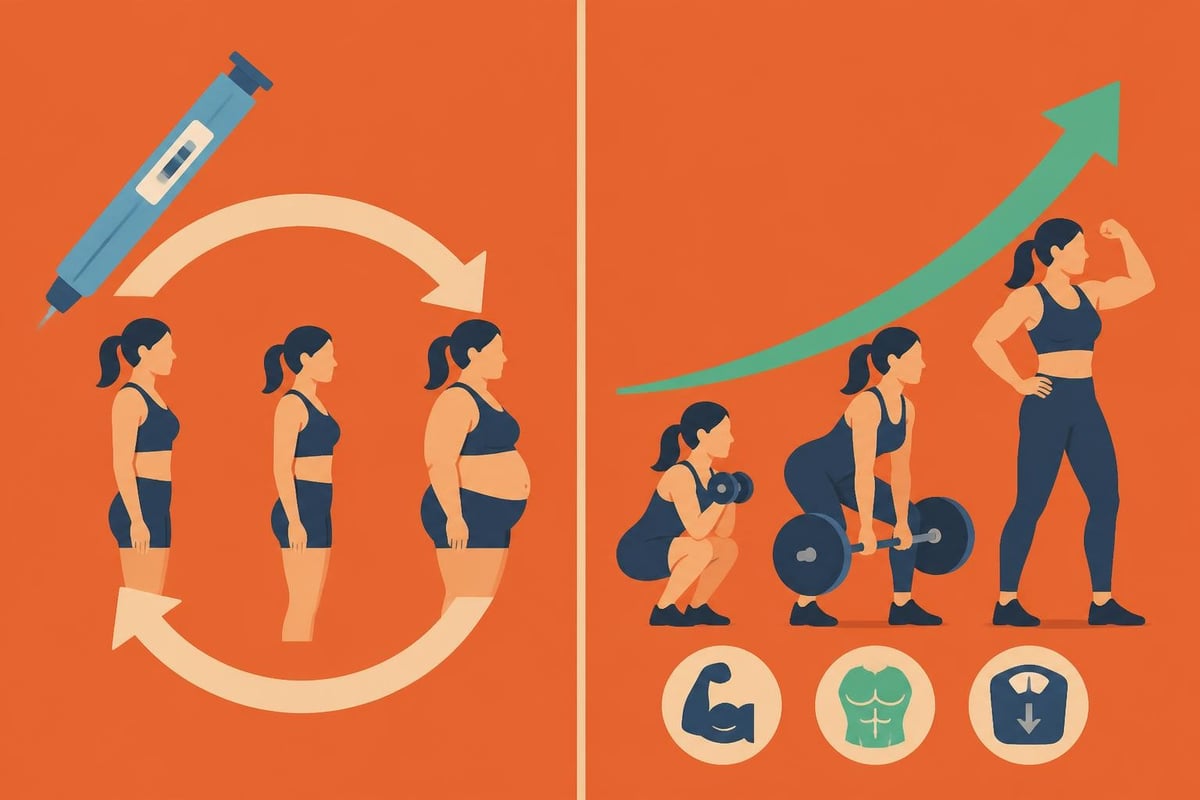
Approach | Wegovy Path | Training Path |
|---|---|---|
Timeline | 12-18 months on drug | 12-24 months building habits |
Muscle outcome | Significant loss | Maintained or gained |
Cost | $15,600-$28,800 | $2,000-$5,000 |
Post-intervention | Weight regain likely | Sustainable maintenance |
Mental impact | Dependency | Self-efficacy |
Leadership example | Outsourcing problems | Solving problems |
The training path takes longer. It's harder month-to-month. It also produces a different kind of man at the end of the process.
The Accountability Question
Wegovy works best, according to research, when combined with lifestyle modification programs. That phrase, "lifestyle modification," is code for what you should have been doing instead of taking the drug in the first place: eating better, training consistently, managing stress effectively.
The pharmaceutical companies know their product doesn't work alone long-term. They know patients need support, structure, and accountability. They just don't provide it. They provide a prescription and a billing code.
Real accountability doesn't come from a doctor's office every three months. It comes from structured programs with regular check-ins and consequences for falling short. It comes from other men who expect you to show up and do the work. It comes from trainers who care enough to call you out when you're making excuses.
Brotherhood Over Medication
Men perform better in groups with clear standards and shared commitment. You need other fathers who are also choosing the harder path, who understand the stakes, and who won't let you quit when it gets difficult. That's not available in a prescription bottle.
The loneliness epidemic among men isn't solved by joining another online forum or downloading another app. It's solved by building real relationships with real accountability, usually face-to-face or at minimum through structured group settings with defined expectations.
What Your Doctor Won't Tell You
Physicians are trained to treat pathology, not build capability. When you present as overweight with elevated blood pressure and poor blood glucose control, their job is to reduce risk through intervention. Wegovy does that effectively in the short term.
What they won't tell you, because it's outside their scope and honestly outside their expertise, is that you don't just need to weigh less. You need to be stronger, more disciplined, and more mentally resilient. You need to model standards for your family that can't be outsourced to a pharmaceutical company.
Most doctors have never built significant muscle themselves. They don't train consistently. They're as overwhelmed and undisciplined as their patients in many cases. They can read research and write prescriptions, but they can't teach what they haven't lived.
The Informed Decision Standard
You're responsible for understanding what you're signing up for, not just trusting that someone with "MD" after their name has your best interests fully considered. Wegovy has legitimate uses. It also has significant limitations and risks that many physicians minimize or ignore.
Ask direct questions:
What happens to my muscle mass during rapid weight loss?
What's the plan for when I stop taking this medication?
How will this affect my metabolic rate long-term?
What percentage of patients maintain their weight loss after discontinuation?
If your doctor can't answer these questions clearly, or dismisses them as irrelevant, find a different doctor. Your health is too important to delegate to someone who's more interested in compliance than outcomes.
The Standard You Set
Your children are watching how you handle difficulty. They're learning what's acceptable, what's expected, and what's possible by observing your choices under pressure. When you choose Wegovy over the harder work of building discipline and capability, you're teaching them that shortcuts are acceptable when the alternative is uncomfortable.
That lesson extends beyond fitness. It shapes how they'll approach school, relationships, career challenges, and their own health later. You're not just deciding how to lose weight. You're demonstrating your philosophy on problem-solving and self-improvement.
The standard you set through your actions becomes their baseline for normal. If normal means taking the pharmaceutical path when things get hard, that's the pattern they'll repeat. If normal means doing difficult things consistently until you develop competence, that's what they'll expect of themselves.
Your leadership at home isn't about being perfect. It's about being honest about standards and consistent in pursuing them, even when progress is slow and the process is hard. Wegovy might make you lighter, but it doesn't make you a better leader. Often it does the opposite.
Wegovy delivers short-term weight loss at the cost of muscle, money, and the opportunity to build real capability and mental discipline. The drug creates dependency where you need self-sufficiency, and it models outsourcing where your family needs to see ownership. If you're ready to build sustainable strength, lose fat permanently, and develop the leadership presence your family deserves, The Father Forge provides the structure, accountability, and brotherhood that pharmaceutical solutions can't replace.