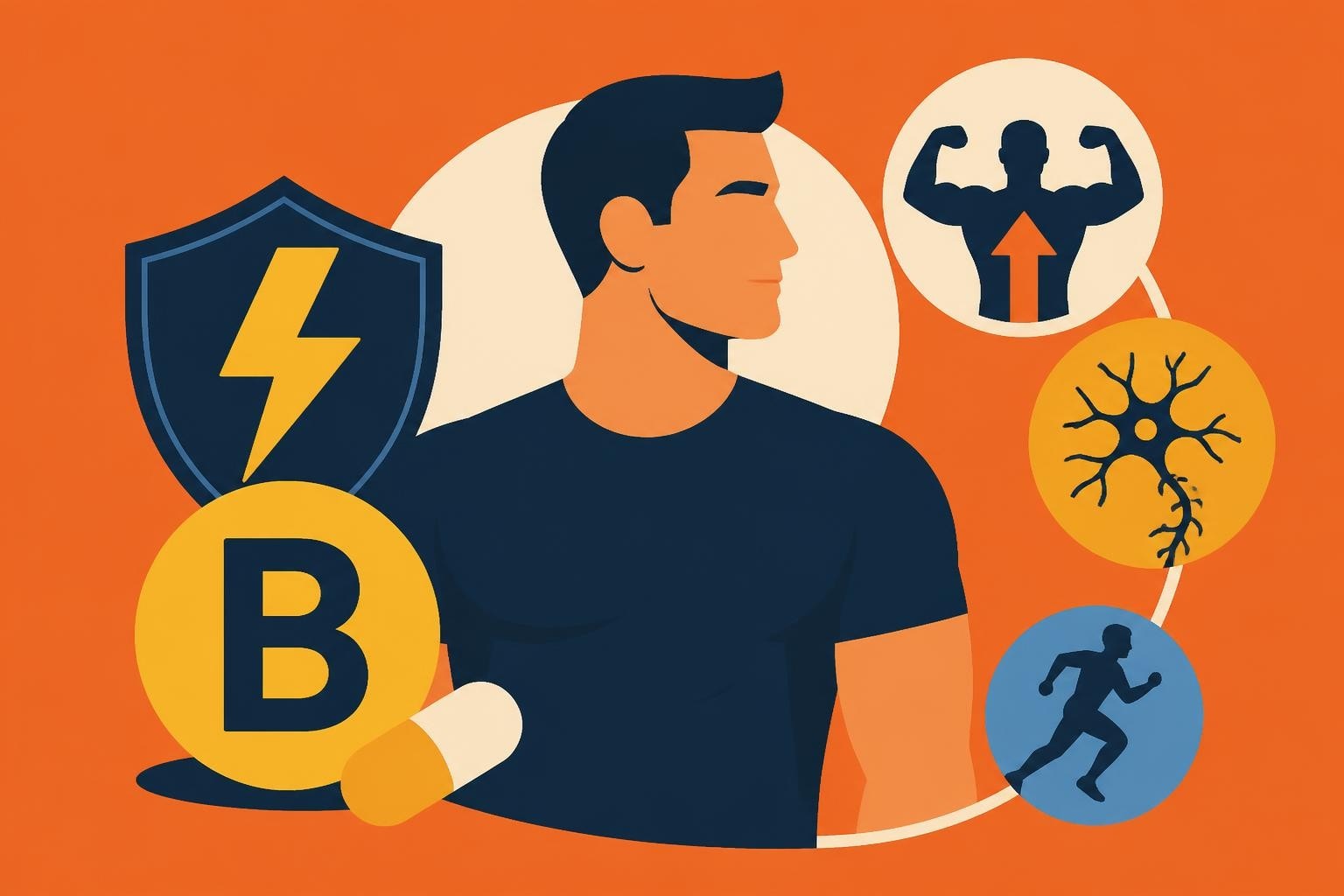
Vitamin B Complex Men: Fuel, Function, and Performance
Vitamin B complex men take for granted until something breaks. Energy drops, recovery slows, mental fog rolls in. Most blame age, stress, or poor sleep. The root cause often sits in micronutrient deficiencies that compound over years of training, stress, and insufficient nutrition. B vitamins operate as co-factors in every energy system your body runs. When those systems underperform, you underperform. This is not about taking pills to feel better. This is about understanding the machinery and providing the fuel it requires to function at standard.
What Vitamin B Complex Actually Does
Vitamin B complex men rely on includes eight distinct vitamins: B1 (thiamine), B2 (riboflavin), B3 (niacin), B5 (pantothenic acid), B6 (pyridoxine), B7 (biotin), B9 (folate), and B12 (cobalamin). Each operates in specific metabolic pathways. Together, they convert food into ATP, synthesize neurotransmitters, repair DNA, and maintain red blood cell production.
Energy Metabolism and ATP Production
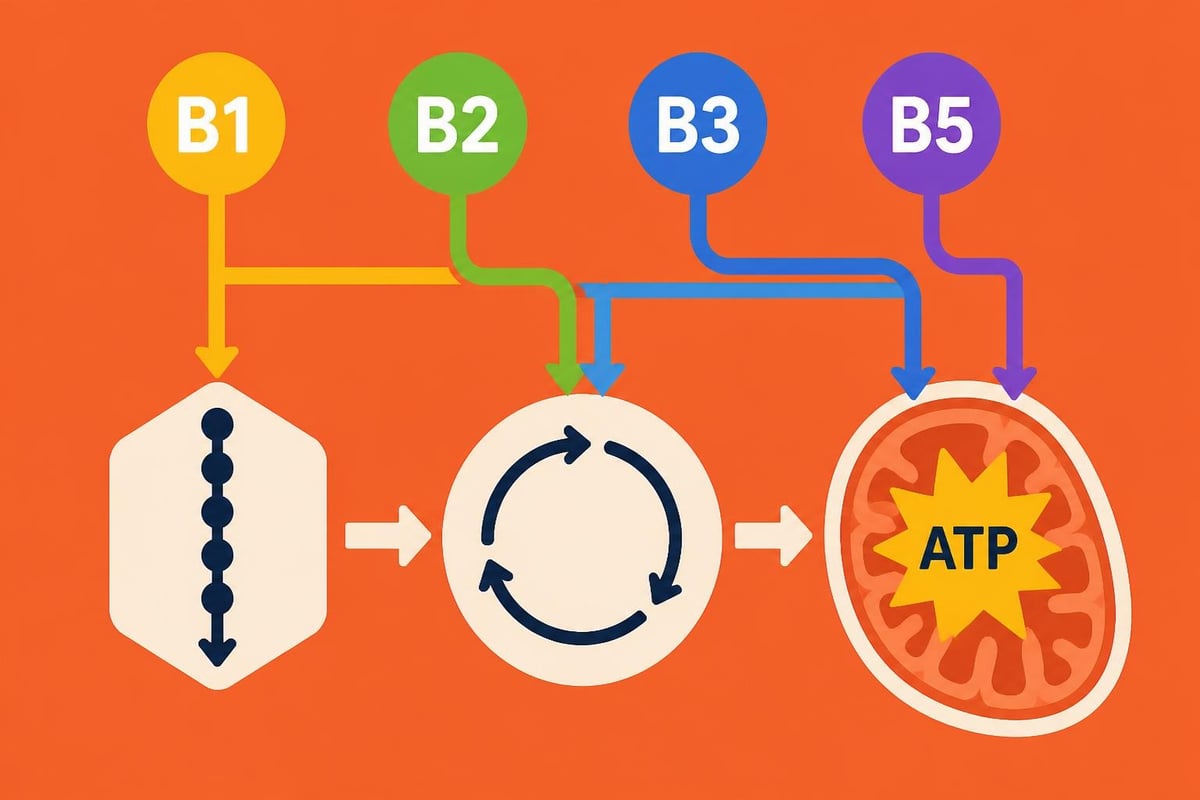
Every rep you lift, every mile you run, every decision you make under pressure requires ATP. B vitamins act as enzymatic co-factors in glycolysis, the citric acid cycle, and oxidative phosphorylation. Without adequate B1, B2, B3, and B5, your mitochondria cannot efficiently convert glucose and fatty acids into usable energy.
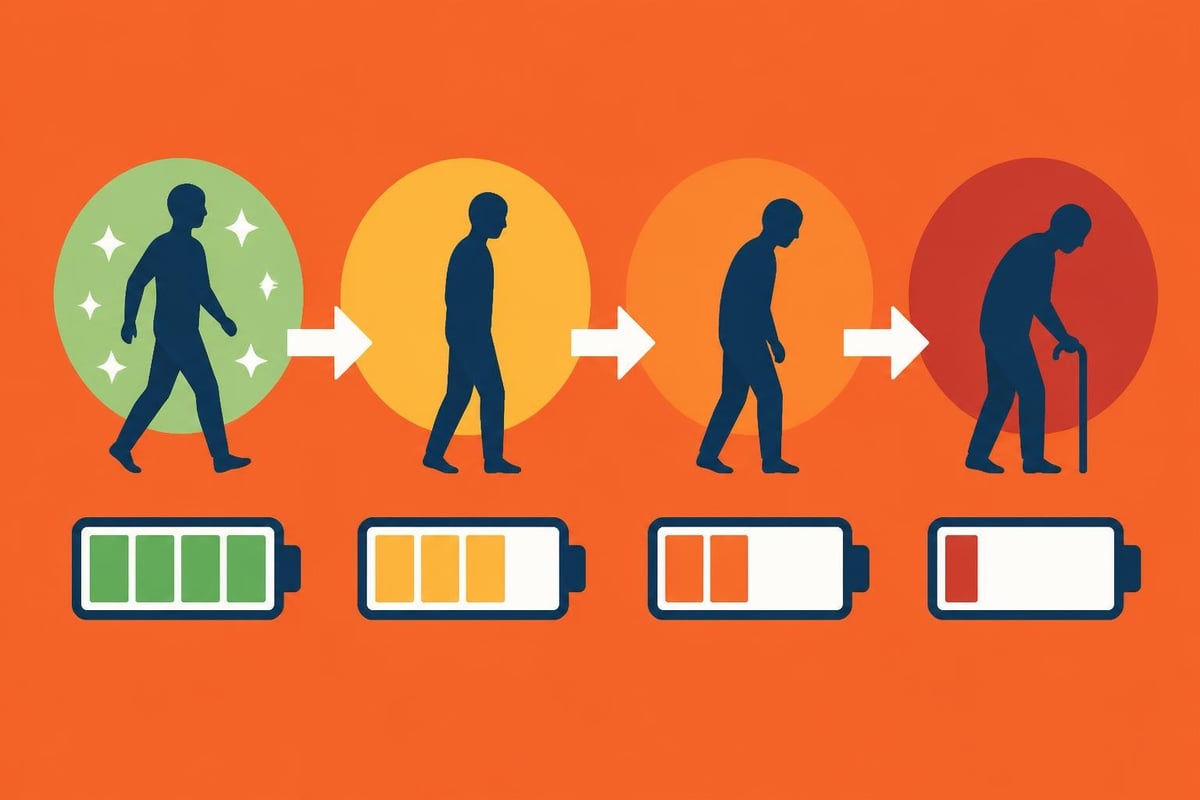
This is not theoretical. When B vitamin status drops below optimal ranges, cellular energy production decreases measurably. You experience this as fatigue that sleep does not fix, workouts that feel harder than they should, and recovery that stretches longer than normal.
Nervous System and Cognitive Function
B vitamins maintain myelin sheaths, synthesize neurotransmitters, and regulate homocysteine levels. B6, B9, and B12 work together in one-carbon metabolism, a pathway critical for methylation reactions throughout your nervous system. When this pathway falters, homocysteine accumulates and cognitive function declines.
Recent systematic reviews show mixed results on B vitamin supplementation for cognitive outcomes in older adults, with benefits most consistent in populations with elevated homocysteine or existing deficiency. The Cochrane collaboration's analysis of B vitamin supplementation in mild cognitive impairment found no clear benefit in well-nourished populations, but significant effects in deficient groups.
The takeaway: vitamin B complex men take should address documented needs, not imagined ones. Test first, supplement based on evidence.
Why Men Over 35 Face Higher B Vitamin Demands
Metabolic efficiency decreases with age. Stomach acid production drops, reducing B12 absorption. Chronic stress depletes B5 and B6. Training volume increases micronutrient turnover. Medications like metformin and proton pump inhibitors block B vitamin uptake.
Absorption and Utilization Changes
Intrinsic factor production declines after 40, limiting B12 absorption in the terminal ileum
Gastric atrophy reduces activation of protein-bound B vitamins in food
Decreased kidney function affects B6 metabolism and retention
Alcohol consumption interferes with B1, B6, and folate absorption and storage
These changes compound. A 45-year-old father managing work stress, training four days per week, and running on six hours of sleep operates at a metabolic deficit. His B vitamin intake must exceed baseline recommendations to maintain function.
Age Group | B12 RDA (mcg) | Folate RDA (mcg DFE) | B6 RDA (mg) |
|---|---|---|---|
19-30 | 2.4 | 400 | 1.3 |
31-50 | 2.4 | 400 | 1.3 |
51+ | 2.4 | 400 | 1.7 |
Standard RDAs prevent deficiency diseases. They do not optimize performance under stress and training load.
Training, Recovery, and Protein Synthesis
Vitamin B complex men use during hard training cycles directly impacts recovery. B6 participates in amino acid metabolism and protein synthesis. B12 supports red blood cell formation, critical for oxygen delivery to working muscles. B3 regulates NAD+ levels, affecting mitochondrial function and cellular repair.
Research on male fertility demonstrates that B vitamin supplementation can support cellular function and antioxidant status in men under physiological stress. While this research focused on reproductive health, the underlying mechanisms (reduced oxidative stress, improved methylation, enhanced DNA repair) apply broadly to recovery and adaptation.
When you train hard and recover poorly despite adequate sleep and protein intake, micronutrient status deserves investigation before you blame programming or genetics.
Common Deficiency Signs and Testing
Deficiency rarely announces itself clearly. Symptoms overlap with stress, poor sleep, and overtraining. You adapt to suboptimal function until something forces the issue.
Observable Symptoms
Persistent fatigue despite adequate sleep and rest days
Mental fog that affects decision-making and focus
Mood instability including irritability and low motivation
Slower recovery between training sessions
Tingling or numbness in extremities (B12, B6 deficiency)
Skin changes including cracks at mouth corners (B2 deficiency)
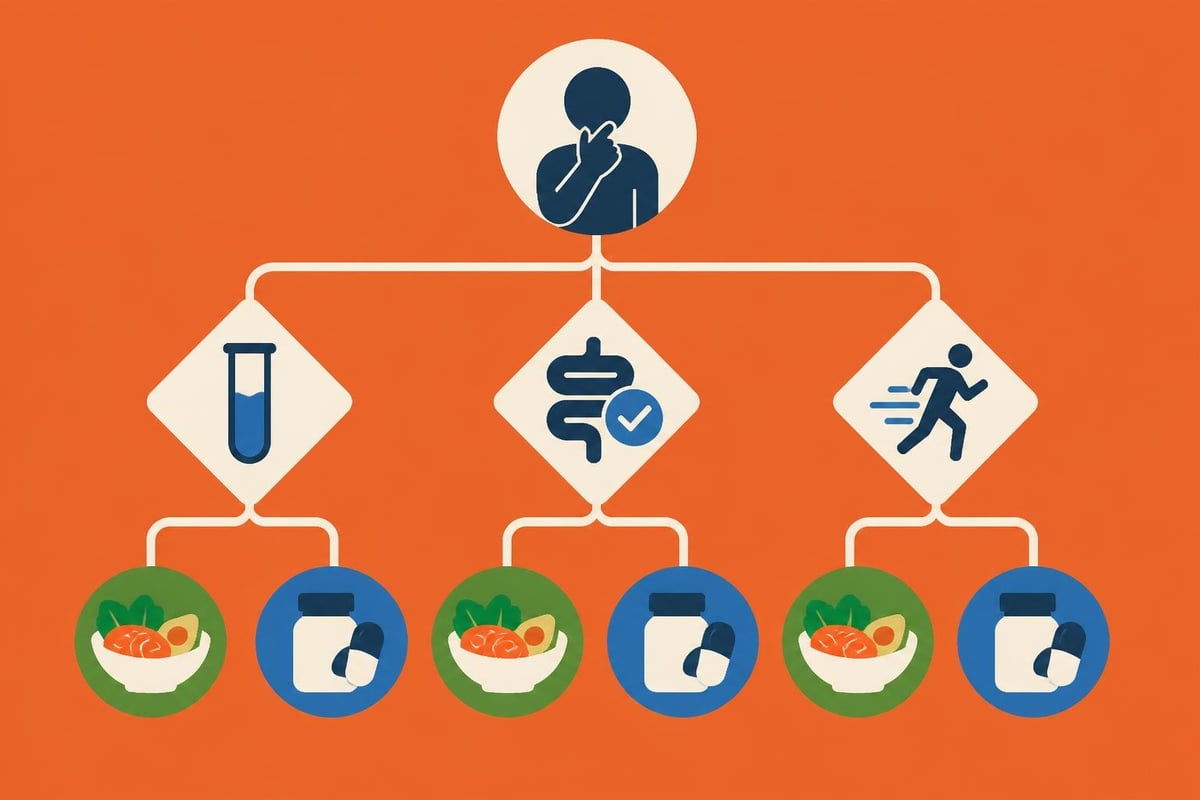
These symptoms require blood work, not guesswork. Serum B12, folate, and homocysteine levels provide baseline data. Methylmalonic acid (MMA) testing catches functional B12 deficiency that standard serum tests miss.
Who Should Test
Men over 40, regardless of symptoms
Anyone on proton pump inhibitors, metformin, or multiple medications
Vegetarians and vegans (B12 risk)
Heavy alcohol users
Men with digestive issues (IBD, celiac, chronic diarrhea)
Anyone experiencing unexplained fatigue or cognitive decline
Testing costs less than a month of random supplementation. Know where you stand before you act.
Food Sources vs. Supplementation
Whole foods provide B vitamins in bioavailable forms with complementary nutrients. Meat, eggs, dairy, legumes, and whole grains deliver B vitamin complexes that supplements approximate but do not replicate perfectly.
Top Food Sources for Each B Vitamin
Vitamin | Primary Sources | Serving Size | Amount |
|---|---|---|---|
B1 (Thiamine) | Pork, sunflower seeds, beans | 3 oz pork | 0.8 mg |
B2 (Riboflavin) | Beef liver, eggs, almonds | 3 oz liver | 3.5 mg |
B3 (Niacin) | Chicken breast, tuna, peanuts | 3 oz chicken | 10 mg |
B6 (Pyridoxine) | Salmon, potato, chickpeas | 3 oz salmon | 0.6 mg |
B9 (Folate) | Spinach, beef liver, lentils | 1 cup spinach | 260 mcg |
B12 (Cobalamin) | Clams, beef, eggs | 3 oz clams | 84 mcg |
A diet built around animal protein, vegetables, and whole grains provides adequate B vitamins for most men. Supplementation becomes necessary when absorption fails, demands increase beyond dietary capacity, or testing reveals deficiency.
When to Supplement Vitamin B Complex Men Need
Harvard Health guidance acknowledges that while multivitamins show limited benefit in well-nourished populations, specific groups benefit from targeted supplementation. The World Health Organization's technical guidance on micronutrients emphasizes addressing documented deficiencies rather than blanket supplementation.
Supplement when:
Blood work confirms deficiency or suboptimal levels
Absorption issues prevent adequate uptake from food
Medication interactions block B vitamin utilization
Training volume and stress exceed dietary capacity to replenish
Vegetarian or vegan diet eliminates reliable B12 sources
Quality matters. Methylated forms (methylcobalamin, methylfolate) bypass genetic variations in metabolism that affect 30-40% of the population. Avoid proprietary blends that hide actual dosages. Look for third-party testing (USP, NSF, ConsumerLab).
Dosing, Timing, and Practical Application
Standard B complex supplements provide 100% to 1000% of daily values. Higher percentages do not automatically mean better results. Water-soluble B vitamins are excreted in urine when intake exceeds immediate needs, turning expensive supplements into expensive urine.
Effective Dosing Guidelines
Start with food. Track intake for one week using a nutrition app. Identify gaps. Supplement those specific gaps rather than taking a shotgun approach.
If supplementing a complete B complex:
B1 (Thiamine): 1.5-10 mg daily
B2 (Riboflavin): 1.7-10 mg daily
B3 (Niacin): 20-100 mg daily (watch for flushing above 35 mg)
B5 (Pantothenic Acid): 5-10 mg daily
B6 (Pyridoxine): 2-10 mg daily (avoid chronic doses above 100 mg)
B7 (Biotin): 30-100 mcg daily
B9 (Folate): 400-1000 mcg DFE daily (methylfolate preferred)
B12 (Cobalamin): 10-1000 mcg daily (methylcobalamin or hydroxocobalamin)
Take B complex with food in the morning. B vitamins support energy metabolism; taking them late can interfere with sleep in sensitive individuals.
Integration with Training and Nutrition
Vitamin B complex men use most effectively when integrated into complete nutrition strategy. B vitamins do not replace protein, calories, or sleep. They enable the metabolic processes that turn those inputs into results.
On heavy training days, ensure adequate carbohydrate intake to utilize B vitamin-dependent energy pathways. Post-workout, prioritize protein and carbs first, supplements second. Recovery happens through nutrition, sleep, and reduced stress. Micronutrients support those processes; they do not replace them.
If you are working with a coach who understands both training and nutrition, this becomes straightforward. 1-on-1 Men's Coaching at The Father Forge includes custom workout programming and nutrition planning that accounts for individual needs, not generic recommendations.
Common Mistakes and Misconceptions
Men default to more-is-better thinking with supplements. If one pill helps, two must help more. If B vitamins support energy, megadosing must create superhuman energy. Neither follows.
Supplementation Errors to Avoid
Taking B complex without testing: You cannot fix what you have not measured. Random supplementation wastes money and creates false confidence that you have addressed a problem that may not exist.
Ignoring absorption issues: Swallowing pills means nothing if your gut cannot absorb them. Digestive health determines nutrient status more than supplement quality.
Megadosing B6: Chronic intake above 100 mg daily causes peripheral neuropathy. More does not equal better. It equals nerve damage.
Using cyanocobalamin in B12 deficiency: Methylcobalamin or hydroxocobalamin bypass metabolic steps required to convert cyanocobalamin to active forms. Use the form your body can utilize immediately.
Expecting immediate energy boosts: B vitamins enable energy metabolism; they are not stimulants. If you feel a rush from B complex, it is likely placebo or the result of correcting severe deficiency.
Neglecting lifestyle factors: No supplement fixes chronic sleep deprivation, excessive alcohol intake, or poor stress management. B vitamins support optimal function. They do not compensate for dysfunction.
The Role of Brotherhood and Accountability
Supplement decisions, like training decisions, benefit from outside perspective. Men operating alone make predictable mistakes: overthinking, underdoing, or randomly changing course when results lag expectations.
Accountability prevents this. When someone asks what you tested, why you chose that supplement, and what changed after four weeks, you make better decisions. The Father Forge community provides that structure. Weekly calls, shared experience, and men who hold you to the standard you set. Supplements matter, but the environment you build matters more. Learn more at The Father Forge.
Special Considerations for Fathers and Leaders
Men leading families carry different stress loads than men focused solely on themselves. Decision fatigue, emotional regulation, and sustained mental performance matter as much as physical output. B vitamins directly affect all three.
Stress, Cortisol, and B Vitamin Depletion
Chronic stress increases cortisol, which accelerates B vitamin turnover. B5 (pantothenic acid) supports adrenal function. B6 regulates neurotransmitter synthesis. When stress depletes these vitamins faster than diet replenishes them, the gap widens weekly.
Fathers managing work deadlines, family responsibilities, and personal training goals operate in sustained stress. Their B vitamin requirements exceed standard recommendations. This is not an excuse to megadose. It is a reality that demands intentional nutrition planning.
Cognitive Function and Leadership
Leadership requires clear thinking under pressure. B vitamins maintain myelin sheaths and support neurotransmitter production that affect mood, focus, and decision quality. Clinical nutrition guidelines review the evidence for B vitamins in cognitive health, noting that benefits appear most consistently in populations with deficiency or elevated homocysteine.
This matters practically. When you snap at your kids over minor issues, struggle to focus during important conversations, or feel mentally drained by noon, micronutrient status deserves investigation alongside sleep, training recovery, and stress management.
You owe your family your best self. That includes maintaining the nutritional status required to show up mentally and emotionally, not just physically.
Integrating B Vitamins into Complete Health Strategy
Vitamin B complex men take should fit within broader health architecture: training, nutrition, sleep, stress management, and relational health. Isolating one variable (like B vitamins) produces limited results. Integration produces sustainable change.
The Complete Picture
Training: Progressive overload, adequate recovery, intelligent programming
Nutrition: Sufficient protein (0.8-1g per pound bodyweight), quality carbs, healthy fats, micronutrient-dense foods
Sleep: 7-9 hours nightly, consistent schedule, optimized environment
Stress Management: Purposeful rest, emotional regulation, margin in schedule
Supplements: Fill documented gaps, support absorption, optimize timing
Brotherhood: Accountability, shared struggle, honest feedback
B vitamins sit in the supplements category. That category matters least if the first four are broken. Fix those first. Test. Supplement based on evidence. Measure outcomes.
Men often chase supplements as shortcuts around hard changes. You cannot supplement your way out of chronic sleep deprivation or poor training recovery. You can, however, optimize micronutrient status after addressing those foundations. That is when vitamin B complex men use becomes effective rather than wasteful.
Practical Implementation Steps
Track nutrition for 7 days using Cronometer or MyFitnessPal to establish baseline B vitamin intake
Get blood work including B12, folate, homocysteine, and MMA if B12 is borderline
Address absorption issues through gut health evaluation if indicated
Supplement deficiencies with appropriate forms and dosages
Retest in 8-12 weeks to confirm intervention effectiveness
Adjust based on results, not feelings or assumptions
This process takes longer than ordering a bottle of B complex from Amazon and hoping for the best. It also works.
For men who want comprehensive support beyond supplementation, including training, nutrition, and leadership development, The Father Forge offers both group and individual coaching. Details and application at The Father Forge.
External Factors Affecting B Vitamin Status
Environment shapes nutrient needs more than genetics. Alcohol, medications, gut health, and even grooming habits affect how your body processes and utilizes B vitamins.
Lifestyle and Medication Interactions
Alcohol consumption: Even moderate drinking (2-3 drinks per session, multiple times per week) interferes with B1, B6, B9, and B12 absorption and storage. Heavy drinking guarantees deficiency.
Proton pump inhibitors: Omeprazole, esomeprazole, and similar medications reduce stomach acid required for B12 absorption. Long-term use (over 2 years) significantly increases deficiency risk.
Metformin: This diabetes medication blocks B12 absorption in the ileum. Anyone on metformin should supplement B12 and monitor levels annually.
Antibiotics: Broad-spectrum antibiotics disrupt gut bacteria that synthesize certain B vitamins, particularly biotin and folate.
Gut Health and Absorption Capacity
Your gut lining determines what nutrients reach your bloodstream. Inflammatory bowel disease, celiac disease, SIBO, and chronic antibiotic use all compromise B vitamin absorption. Addressing gut health precedes supplementation. Otherwise you are pouring water into a bucket with holes.
Men focused on external markers (muscle mass, beard quality, physical appearance) sometimes neglect internal health. The relationship works both ways. Companies like Onesociety, which focus on natural grooming products and healthy beard growth, understand that external appearance reflects internal health. B vitamins, particularly biotin and B complex components, support hair and skin health that shows up in physical presentation. But chasing that outcome through supplements while ignoring gut health and nutrition fundamentals produces limited results.
Moving Forward with Intention
Vitamin B complex men need varies by age, training load, stress, absorption capacity, and existing nutrient status. One-size recommendations produce one-size results: mediocre for most, adequate for few, harmful for some.
Your obligation is knowing your status, understanding your demands, and acting accordingly. Test before you supplement. Supplement based on evidence. Measure outcomes. Adjust based on results.
The same discipline that drives consistent training applies here. You do not randomly change programming every week based on how you feel. You follow a plan, track progress, and make adjustments based on objective data. Nutrition and supplementation deserve the same approach.
No one cares about your health as much as your family needs you to care. They do not need you optimized for performance metrics. They need you present, capable, and consistent. Vitamin B complex men maintain adequate status for helps deliver that presence. It does not create it. Leadership, emotional regulation, and sustained effort create it. Nutrition supports it.
Vitamin B complex men require changes with age, stress, and training demands. Testing reveals actual needs better than symptoms or assumptions. Food sources provide baseline intake; supplementation addresses documented gaps when absorption or demand exceeds dietary capacity. The Father Forge builds complete solutions: training, nutrition, accountability, and brotherhood for fathers who lead at home. If you are ready to stop guessing and start building on evidence, start with The Father Forge.