Testosterone Pellets vs Creams vs Injections: My 22-Year TRT Journey
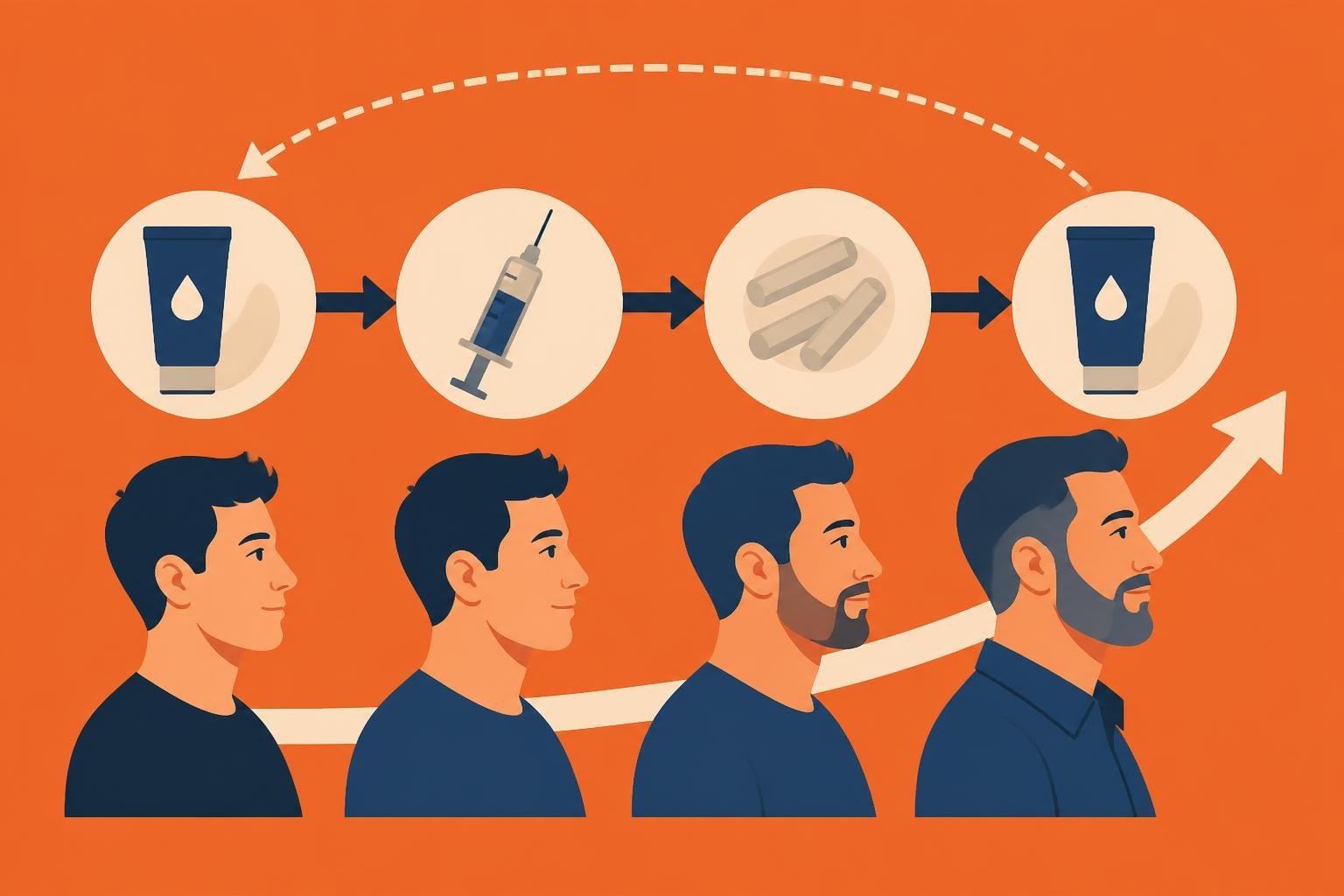
A car accident at 22 changed my life in ways I didn't understand for months. The trauma, the recovery, the slow realization that something fundamental had broken inside my endocrine system. My testosterone levels crashed, and the journey from that hospital bed to where I stand at 44 has taken me through every major form of testosterone replacement therapy available. I've used the creams, endured the shots, and spent five years with testosterone pellets embedded under my skin. What follows is not theory or research regurgitation. This is accountability for my own decisions, the lessons learned from choosing convenience over consistency, and why some roads you travel once are enough.
The Starting Point: Understanding Why TRT Became Non-Negotiable
At 22, you don't expect to need hormone replacement. You expect to be invincible. The car accident destroyed that illusion along with my body's ability to produce adequate testosterone. The symptoms crept in slowly: crushing fatigue that sleep couldn't fix, muscle loss despite training, brain fog that made simple decisions exhausting, and a complete collapse of the drive that had defined me.
The diagnosis came months later. Hypogonadism. My body wasn't recovering on its own. The Endocrine Society's guidance on testosterone replacement therapy became my reading material, and the reality set in: this wasn't temporary. This was a lifelong obligation to manage what my body could no longer handle alone.
What low testosterone actually means for men who lead:
Inability to build or maintain muscle mass regardless of training intensity
Persistent fatigue that rest doesn't resolve
Cognitive decline affecting decision-making and focus
Loss of competitive drive and ambition
Compromised emotional regulation and resilience
Starting TRT wasn't about optimization or performance enhancement. It was about returning to baseline function, about reclaiming the capacity to lead my own life.
Testosterone Creams: The First Attempt at Normal
My first prescription was for topical testosterone cream. The appeal was obvious: no needles, daily application, simple. Rub it on, let it absorb, move on with your day. The reality was messier.
The Practical Reality of Topical Testosterone
Creams require discipline, but not the productive kind. You're applying gel to your shoulders or upper arms daily, waiting for it to dry, worrying about transfer to partners or children, timing showers around absorption windows. The cardiovascular implications of testosterone therapy matter regardless of delivery method, but with creams, you add lifestyle complications to medical considerations.
Advantages of testosterone creams:
No injections or surgical procedures
Flexibility to adjust dosing daily if needed
Mimics natural circadian testosterone patterns
Lower peak levels reduce some side effect risks
Disadvantages that drove me away:
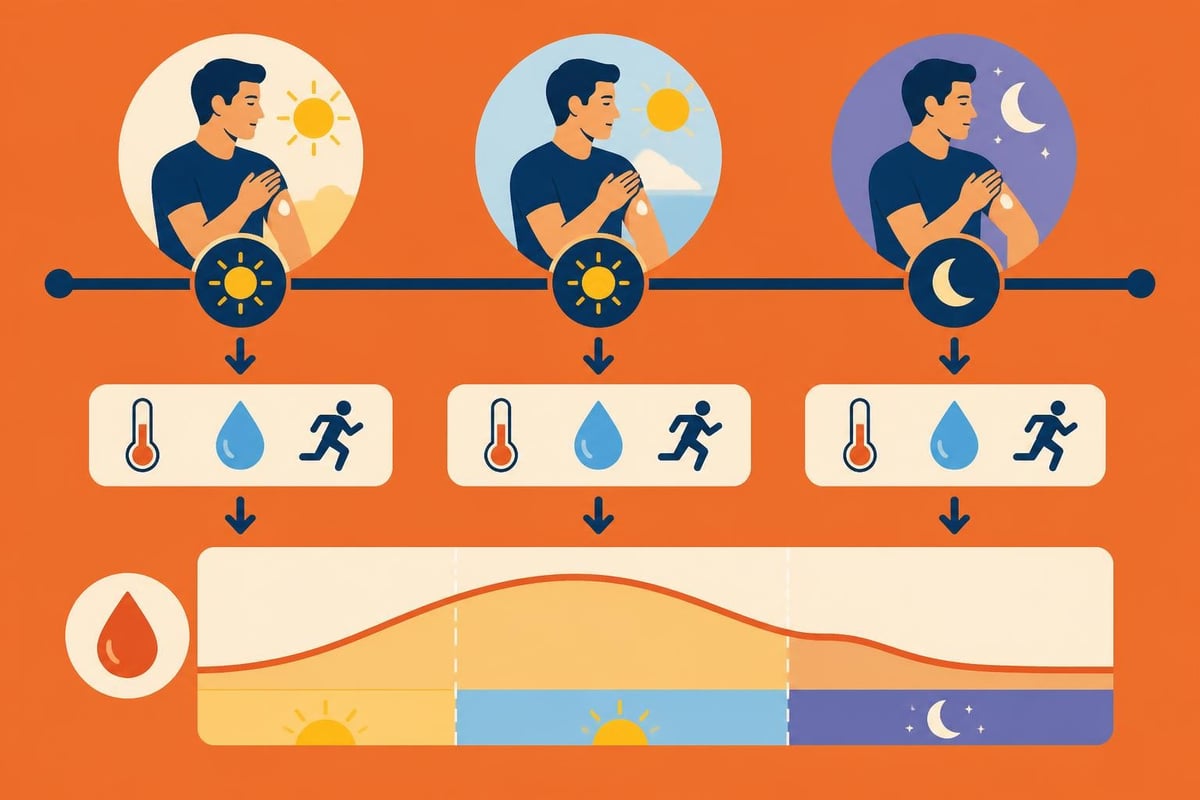
Inconsistent absorption depending on skin condition, temperature, activity level
Transfer risk to family members through skin contact
Daily compliance burden with visible reminder of dependence
Unstable blood levels leading to mood and energy fluctuations
Higher cost per month compared to other methods
I lasted eight months on creams. The inconsistency was unbearable. My energy would spike mid-morning, crash by afternoon. Training became unpredictable. Leadership requires stability, and creams delivered chaos.
Injectable Testosterone: The Gold Standard I Returned To
Switching to testosterone injections changed everything. Typically administered intramuscularly once or twice weekly, injections deliver predictable, measurable results. You know exactly what you're getting. The blood work confirms it. The consistency enables you to actually plan your training, your recovery, your life.
Why Injections Work For Most Men
The protocol is straightforward: draw testosterone cypionate or enanthate into a syringe, inject into the muscle (typically glute, quad, or deltoid), dispose of sharps safely. Repeat every 3.5 to 7 days depending on your protocol. No guessing about absorption. No worrying about transfer. Just direct delivery of medication into your system.
Feature | Testosterone Creams | Testosterone Injections | Testosterone Pellets |
|---|---|---|---|
Administration Frequency | Daily | Weekly or bi-weekly | Every 3-6 months |
Blood Level Stability | Variable, unpredictable | Stable with proper protocol | Initial spike, then decline |
Lifestyle Impact | High (daily routine) | Moderate (weekly task) | Low (set and forget) |
Adjustment Flexibility | High (daily dosing) | Moderate (weekly changes) | Low (surgical removal required) |
Transfer Risk | High | None | None |
Invasiveness | None | Moderate | High (surgical implant) |
The psychological component matters too. When you inject, you control the dose, the timing, the technique. You own the decision. That ownership builds the discipline required for everything else in your life.
Injectable testosterone became my standard because:
Predictable pharmacokinetics enable consistent training and recovery
Weekly rhythm builds accountability into the routine
Cost-effectiveness compared to other methods
Easy dose adjustment based on bloodwork
No daily compliance burden or transfer concerns
I ran injections successfully for years. Then I made the mistake of seeking convenience over proven performance.
Testosterone Pellets: The Five-Year Detour I Regret
Testosterone pellets seemed like the solution to injection fatigue. Small rice-sized pellets implanted under the skin, releasing steady testosterone for months. No weekly injections. No daily creams. Just a simple outpatient procedure every few months, and you're set. The sales pitch was compelling. The reality was educational.
The Pellet Implantation Process
The procedure happens in a clinic. Local anesthetic, small incision in the upper buttock or hip area, insertion of 10-12 pellets into the subcutaneous tissue, adhesive closure. The NHS guidance on testosterone pellet procedures outlines the process clearly: it's minor surgery, performed every 3-6 months, with specific post-procedure restrictions.
You can't train hard for a week. You can't swim. You watch for infection, extrusion, or hematoma formation. Then you wait and hope the pellets dissolve at the right rate to maintain stable levels.
What the pellet advocates don't emphasize:
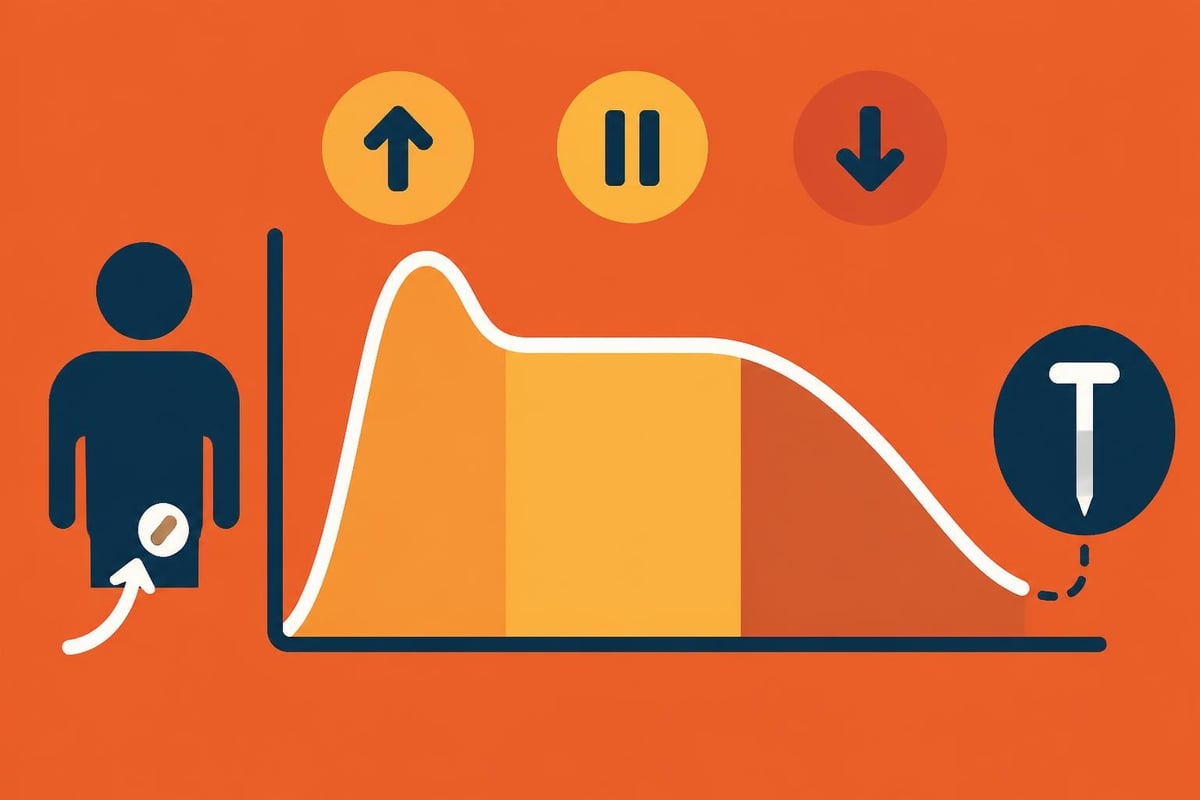
Front-loaded release pattern creates supraphysiologic levels initially
Declining levels toward the end of the cycle as pellets deplete
No ability to adjust dosing without surgical intervention
Higher cost per year than injections or creams
Complications including infection, pellet extrusion, scarring, and fibrosis
Limited high-quality evidence supporting routine use, as noted in the Endocrine Society's position on compounded bioidentical hormones
Why I Stayed With Pellets for Five Years
The first year felt like freedom. No weekly injection ritual. No thinking about testosterone except when the pellets needed replacement. That convenience was seductive, especially when work and family demands intensified. The appeal of "set it and forget it" hormone replacement aligned with my desire to minimize medical management.
But convenience isn't the same as optimal. The blood work told a story my preference ignored. High levels immediately post-implantation, followed by a steady decline over months. The rollercoaster affected everything: training intensity, recovery capacity, mood stability, sleep quality. By month five of each cycle, I felt the decline. By month six, I was scheduling the next implantation to escape the crash.
The Breaking Point That Ended Pellets
Three incidents pushed me back to injections. First: an infection at the implant site required antibiotics and delayed training for three weeks. Second: pellet extrusion six weeks after implantation meant emergency removal and immediate restart of injections to avoid hormone crash. Third: the realization that I'd surrendered control of my hormone levels to a surgical procedure I couldn't adjust or reverse without medical intervention.
Leadership demands you control what you can control. I'd traded weekly accountability for quarterly convenience and paid for it with inconsistency, complications, and compromised performance. The fathers and leaders I work with at The Father Forge understand this principle: convenience that undermines performance isn't convenient at all.
Why I abandoned testosterone pellets after five years:
Inability to adjust dosing based on training demands or life stress
Rollercoaster blood levels incompatible with consistent performance
Surgical complications and recovery time disrupting training cycles
Higher annual cost without corresponding benefit
Loss of ownership over my own protocol and outcomes
The Fertility Factor: What TRT Methods Do To Reproductive Function
Every form of testosterone replacement suppresses natural production. The research on testosterone's effects on spermatogenesis makes this clear: exogenous testosterone shuts down the hypothalamic-pituitary-gonadal axis, reducing sperm production regardless of delivery method.
At 22, post-accident, fertility wasn't my immediate concern. Survival was. Function was. But men starting TRT need to understand: you're likely trading fertility for function unless you add medications like HCG to maintain testicular function. This isn't unique to pellets, but pellets make the situation harder to manage because you can't quickly adjust or pause treatment if fertility becomes a priority.
Fertility considerations across TRT delivery methods:
Creams: Easiest to discontinue if fertility becomes urgent
Injections: Can pause or add HCG relatively quickly with medical guidance
Pellets: Require surgical removal or waiting months for depletion; adding HCG doesn't overcome the time lag
For men in their reproductive years, this matters. For fathers who might want more children, this matters. The pellets' long duration becomes a liability when circumstances change and you need flexibility.
Women and Testosterone Pellets: A Different Calculation
The evidence on testosterone pellets in women shows some benefit for specific conditions, particularly post-menopausal symptoms and certain cases of sexual dysfunction. But the same concerns apply: inconsistent levels, surgical procedure risks, limited ability to adjust dosing, and higher cost compared to other delivery methods.
For men, the calculation is even clearer. The pharmacokinetics that make pellets appealing (long duration, no daily administration) create the same problems: front-loaded release, declining levels, no flexibility, surgical complications. The fact that many practitioners promote pellets despite limited high-quality supporting evidence should raise questions about motivation versus patient outcome.
Recovery Support Beyond Hormone Replacement
Testosterone replacement addresses hormone deficiency. It doesn't address the lifestyle factors that determine whether you optimize or squander that hormonal foundation. Men who combine TRT with targeted recovery practices see dramatically better outcomes than those who rely on hormones alone.
Essential recovery practices that amplify TRT effectiveness:
Progressive resistance training 4-5 days weekly
Adequate sleep (7-9 hours) to support hormone conversion and muscle recovery
Nutrient-dense whole foods supporting testosterone synthesis
Stress management protecting cortisol-testosterone balance
Magnesium supplementation supporting sleep, recovery, and hormonal balance
Quality magnesium supplementation, like the products offered by Moonglow Minerals, can support the sleep quality and muscle recovery that make testosterone replacement actually work. Hormones provide the foundation, but recovery practices build the house. For comprehensive physical recovery and injury rehabilitation, working with experienced practitioners at facilities like Mountain Health and Performance ensures your musculoskeletal system can handle the training intensity TRT enables.

The Protocol I Returned To and Why It Works
After five years of pellets and the earlier period with creams, I returned to injectable testosterone. The protocol is simple: 100mg testosterone cypionate twice weekly, injected subcutaneously. Bloodwork every three months. Adjustments based on symptoms and lab values. Total annual cost less than pellets, better stability than creams, and complete control over my protocol.
Current protocol framework:
Monday morning injection (100mg testosterone cypionate)
Thursday evening injection (100mg testosterone cypionate)
Quarterly bloodwork: total testosterone, free testosterone, estradiol, CBC, CMP
Monthly self-assessment: energy, recovery, libido, mood, sleep quality
Protocol adjustment only when bloodwork and symptoms both indicate need
This isn't the only way. It's the way that works after testing alternatives. The fathers in our Group Coaching Community running similar protocols report the same finding: consistency beats convenience every time when performance matters.
What Twenty-Two Years of TRT Actually Taught Me
From 22 to 44, the journey through testosterone replacement taught me more about leadership than most management courses. You own your decisions. You monitor your outcomes. You adjust based on data, not feelings. You don't surrender control to systems that promise ease but deliver inconsistency.
Lesson | Application | Evidence |
|---|---|---|
Convenience isn't optimization | Pellets reduced weekly burden but increased outcome variability | Five years of unstable blood levels, surgical complications |
Control enables consistency | Injectable protocol allows real-time adjustment | Stable performance markers across training cycles |
Data drives decisions | Quarterly bloodwork identifies issues before symptoms worsen | Early detection of estradiol elevation, hematocrit increase |
Ownership builds discipline | Weekly injection ritual reinforces personal accountability | Transferable mindset to nutrition, training, leadership |
The men I coach aren't looking for easy. They're looking for effective. They want protocols that work when stress is high, sleep is short, and life doesn't care about your hormone schedule. Injectable testosterone delivers that reliability. Pellets promise it but fail to deliver when it matters most.
The Accountability Standard for Medical Decisions
Every man on TRT faces the same obligation: monitor your protocol, track your outcomes, adjust based on evidence. The delivery method you choose determines how well you can fulfill that obligation. Creams require daily accountability but deliver inconsistent results. Injections require weekly accountability and deliver stable outcomes. Pellets require quarterly procedures and deliver neither consistency nor flexibility.
The fathers I work with understand that optimal health isn't about finding the easiest path. It's about finding the path that enables you to lead effectively, train consistently, and show up reliably for the people who depend on you. That path requires systems you control, not systems that control you.
For comprehensive support in building those systems across fitness, recovery, and mindset, many men find value in 1-on-1 coaching that addresses the full spectrum of male optimization, not just hormone levels.
The Industry Problem Nobody Discusses
Testosterone pellet procedures generate significant revenue for clinics. A single pellet implantation can cost $800-1200 or more. Multiply that by four procedures yearly across hundreds of patients, and the financial incentive becomes clear. Injectable testosterone costs patients $30-100 monthly with proper insurance or prescription access. The revenue differential explains why some practitioners push pellets despite limited evidence supporting their superiority.
This isn't conspiracy theory. It's basic economics. When financial incentives align with questionable medical practices, patients pay the price in outcomes, not just dollars. The obligation is yours: research the evidence, question the recommendations, demand data supporting the protocol your provider suggests.
Questions to ask before accepting testosterone pellets:
What evidence supports pellets over injections for my specific situation?
How will we manage the blood level fluctuations inherent to pellet pharmacokinetics?
What's your complication rate for infections, extrusions, and other pellet-related issues?
Can you provide patient outcome data comparing pellets to injections in your practice?
What's the total annual cost compared to injectable testosterone?
If the answers feel like marketing rather than medicine, find a different provider.
Beyond Testosterone: The Complete Performance Picture
Testosterone replacement addresses one variable in a complex system. Sleep quality, nutrition adequacy, training stimulus, stress management, and recovery practices all determine whether your hormones translate to performance. Even optimal testosterone levels won't overcome chronic sleep deprivation, processed food dependence, or training protocols that destroy rather than build.
Just as men benefit from addressing hormonal health, the complete wellness picture extends to every member of the household. Quality nutrition and natural supplementation, like the whole-food products North Hound Life provides for canine family members, reflects the same principle: optimal function requires complete systemic support, not isolated interventions.
The fathers who see the best results from TRT combine it with:
Structured progressive overload training programs
Whole food nutrition emphasizing protein and micronutrients
Consistent sleep schedules supporting hormonal optimization
Active stress management protecting cortisol balance
Regular bloodwork monitoring all relevant biomarkers
Community accountability through group coaching and brotherhood
The Choice That Determines Everything Else
Every man considering or currently using testosterone replacement faces one decision that determines all others: will you own your protocol or surrender it? Injectable testosterone requires you to show up weekly, track your progress, adjust based on outcomes. That weekly ritual builds the discipline that transfers to training, nutrition, leadership, and every other domain requiring consistency.
Testosterone pellets let you outsource that accountability. Quarterly procedures. Someone else makes the dosing decisions. You wait and hope the pellets dissolve at the right rate. That convenience feels appealing until you realize you've trained yourself to avoid the very accountability that makes everything else in your life work.
At 44, after 22 years navigating every major form of testosterone replacement, the lesson is clear: the method that requires the most consistent personal involvement produces the best outcomes. Not because the pharmacology is superior, but because the accountability is non-negotiable.
Testosterone replacement works when the delivery method enables consistency, flexibility, and personal ownership. After testing creams, injections, and five years of pellets, injectable testosterone remains the standard for men who lead because it demands the accountability that leadership requires. The Father Forge builds complete systems for fathers ready to optimize every domain: fitness, mindset, recovery, and leadership at home. If you're ready to move beyond hormone replacement toward total optimization, connect with us to build your custom protocol.