Testosterone Patches: What Men Need to Know in 2026
Testosterone replacement therapy represents a medical intervention, not a lifestyle enhancement. Men considering treatment options face multiple delivery systems, each with distinct advantages and obligations. Testosterone patches offer a non-invasive transdermal approach that maintains steady hormone levels throughout the day. Understanding how these systems work, who qualifies for treatment, and what realistic outcomes look like separates informed decision-making from chasing pharmaceutical solutions to leadership problems. This article examines the clinical realities of testosterone patches for men experiencing medically verified hormone deficiency.
What Testosterone Patches Do and How They Work
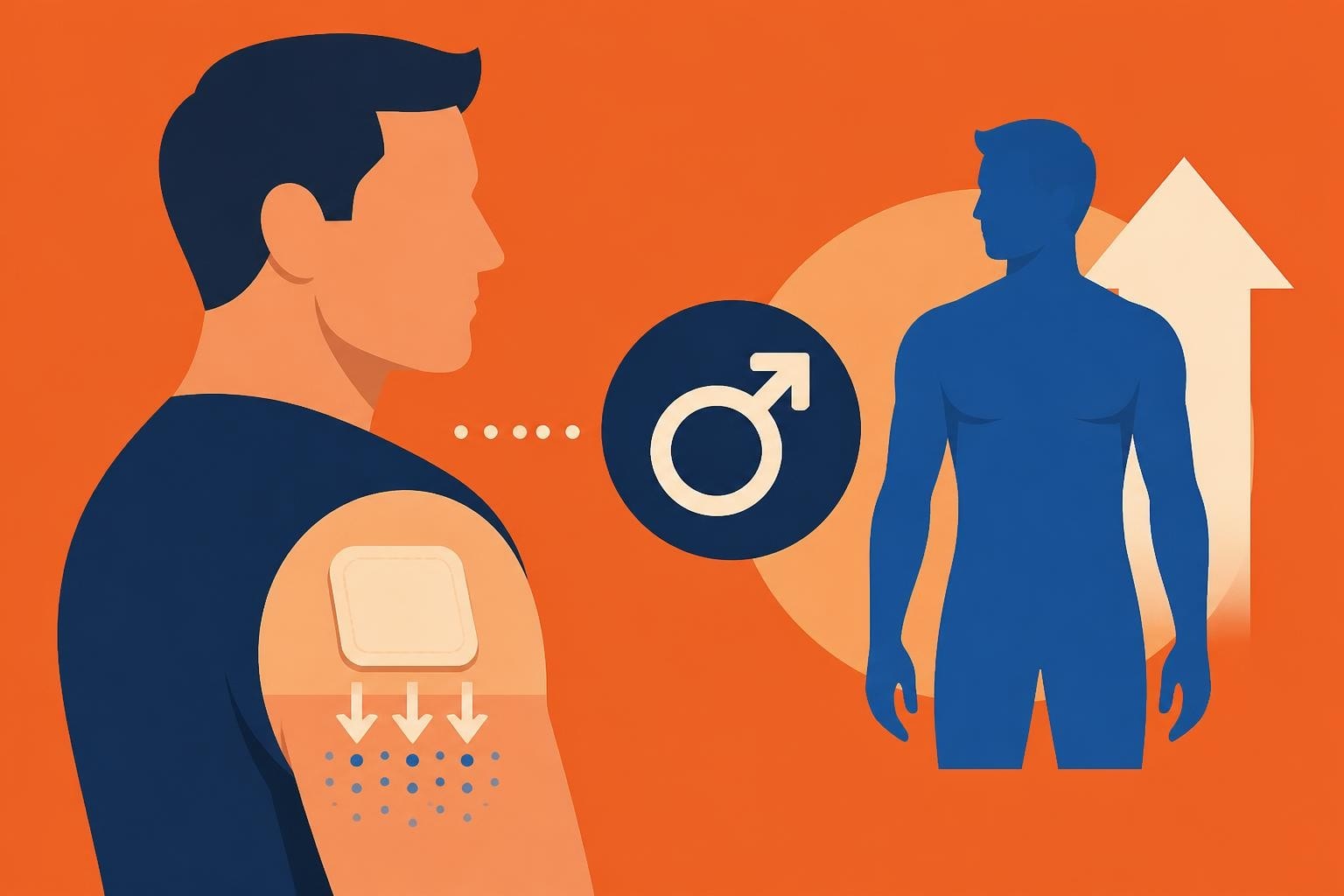
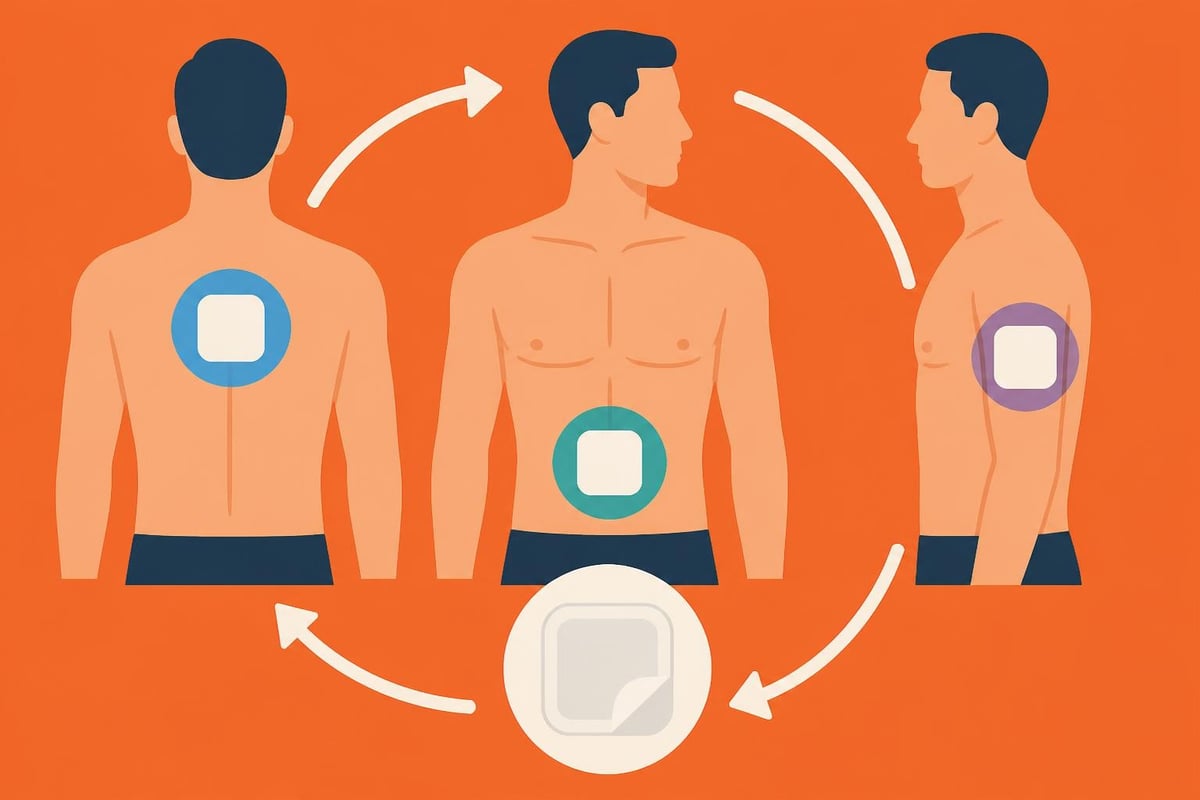
Testosterone patches deliver hormone replacement through the skin using a transdermal system that releases medication over 24 hours. The patch adheres to specific body areas with thin skin and adequate blood supply, typically the back, abdomen, upper arms, or thighs.
The system works through a process called passive diffusion. The patch contains testosterone in a reservoir that gradually releases through a membrane directly into the bloodstream via skin contact. This delivery method bypasses first-pass liver metabolism, meaning the hormone enters circulation without initial breakdown by digestive enzymes.
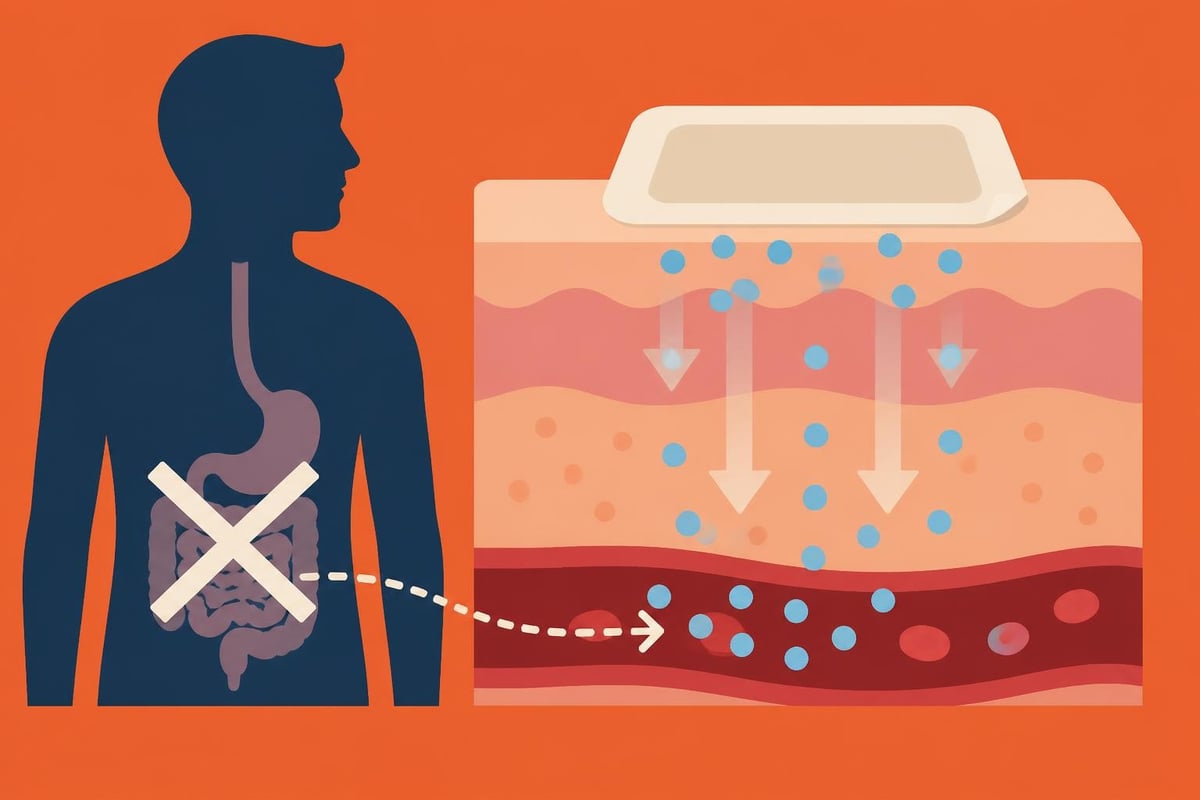
Pharmacokinetic studies of transdermal testosterone systems demonstrate that patches achieve steady-state levels within days of consistent application. Blood testosterone concentrations remain relatively stable compared to injection-based protocols that create peaks and valleys.
Application Protocol Requirements
Proper application is non-negotiable. The skin must be clean, dry, and free of oils or lotions before patch placement. Most formulations require rotation of application sites to prevent skin irritation and maximize absorption efficiency.
Standard protocol includes these steps:
Apply patch at the same time daily, typically evening
Rotate between approved body sites every application
Avoid swimming or heavy sweating for several hours after application
Remove old patch before applying new one
Wash hands thoroughly after handling
The FDA-approved prescribing information for ANDRODERM specifies exact dosing schedules, application sites, and contraindications that govern clinical use. These aren't suggestions. They're medical requirements.
Who Qualifies for Testosterone Patch Therapy
Qualification for any testosterone replacement, including patches, requires documented hypogonadism through blood testing. Two separate morning testosterone measurements below 300 ng/dL combined with clinical symptoms establish medical necessity.
Symptoms alone don't justify treatment. Every man over 35 experiences some degree of fatigue, decreased motivation, or body composition changes. The question is whether hormone deficiency causes these issues or whether lack of discipline, poor sleep, inadequate training, and diet failures created them.
Clinical criteria for consideration:
Morning total testosterone below 300 ng/dL on two separate tests
Free testosterone below reference range
Symptoms including decreased libido, erectile dysfunction, reduced muscle mass
No contraindications (prostate cancer, uncontrolled heart failure, high hematocrit)
Failed attempts to optimize levels through lifestyle modification
The Endocrine Society's clinical practice guidelines establish the diagnostic framework physicians follow. These standards exist because testosterone therapy carries risks that require medical justification.
What Doesn't Qualify You
Normal aging doesn't qualify you. Wanting better gym performance doesn't qualify you. Feeling less motivated than you did at 25 doesn't qualify you. These represent environmental and behavioral problems requiring leadership solutions, not pharmaceutical intervention.
The distinction matters. Men seeking testosterone replacement often haven't addressed foundational issues: chronic sleep deprivation, excessive body fat, zero strength training, processed food diets, and complete absence of accountability structures. Fix those first.
Advantages of Patch-Based Delivery Systems
Testosterone patches offer specific benefits that make them preferable for certain patients. The primary advantage is steady hormone delivery without the injection burden or daily pill requirements.
Delivery Method | Frequency | Level Stability | Skin Impact | User Control |
|---|---|---|---|---|
Patches | Daily | High | Moderate | High |
Injections | Weekly-Biweekly | Low | None | Low |
Gels | Daily | High | Low | Moderate |
Pellets | 3-6 months | Moderate | None | Very Low |
Patches eliminate the supraphysiologic peaks associated with injection protocols. Blood levels remain within normal range throughout the 24-hour period, which comprehensive reviews of testosterone replacement therapy show may reduce side effect risk and improve symptom control.
The system also allows immediate discontinuation if adverse effects develop. Unlike subcutaneous pellets that require surgical removal, a man experiencing problems simply stops applying patches and levels normalize within days.
Practical Considerations for Active Men
For fathers training regularly and maintaining high activity levels, patches provide convenience without disrupting daily routines. Application takes 30 seconds. No clinic visits for injections. No risk of transferring medication to children through skin contact as with gel formulations.
However, patches demand site rotation discipline and awareness of adhesive failure during intense sweating. Men who train twice daily or work physical jobs may experience premature patch detachment. This isn't a deal-breaker; it's a variable requiring monitoring.
Common Side Effects and Monitoring Requirements
Testosterone replacement through patches carries the same fundamental risks as other delivery methods, plus formulation-specific concerns. The most common issue is application-site reaction.
Between 12-37% of patch users experience skin irritation ranging from mild redness to severe allergic contact dermatitis. The adhesive and alcohol content in patch formulations cause most reactions. Men with sensitive skin or existing dermatological conditions face higher risk.
Systemic side effects require ongoing monitoring:
Elevated hematocrit (increased red blood cell production)
Sleep apnea exacerbation
Prostate growth and PSA elevation
Testicular atrophy and reduced sperm production
Mood changes and increased aggression in some men
Fluid retention and ankle swelling
NHS guidance on testosterone replacement emphasizes that all patients require baseline testing and regular follow-up assessments. This includes blood counts, prostate-specific antigen, liver function, and lipid panels every 3-6 months initially, then annually once stable.
What Monitoring Actually Means
Monitoring isn't optional. It's a medical obligation tied to prescription renewal. Men who view testosterone replacement as a "set it and forget it" solution misunderstand the commitment required.
Expect blood draws every three months during the first year. Your physician will adjust dosing based on trough levels (blood drawn before applying next patch). The goal is mid-normal range, not upper limit. Supraphysiologic levels increase risk without improving outcomes.
Effectiveness Compared to Alternative Delivery Methods
Testosterone patches effectively restore levels in men with documented deficiency. Research comparing various testosterone therapies shows that delivery method matters less than consistent use and appropriate dosing.
The patch's steady-state delivery creates a different pharmacokinetic profile than injections. Men using patches typically maintain levels between 400-700 ng/dL throughout the day, while injection protocols may swing from 1200 ng/dL at peak to 300 ng/dL at trough.
Some men report better symptom control with stable levels. Others prefer the higher peaks from injections despite the valleys. Patient preference and lifestyle factors guide these decisions as much as clinical data.
Cost and Insurance Considerations
Brand-name testosterone patches cost between $400-600 monthly without insurance. Generic versions reduce this to $200-300 monthly. Most insurance plans cover patches after prior authorization demonstrating medical necessity.
Compare this to testosterone cypionate injections at $30-50 monthly for the medication itself (plus injection supplies), or compounded creams at $80-150 monthly. Patches represent the higher-cost option in most cases.
Cost shouldn't drive medical decisions, but it's a factor in long-term adherence. Men who can't sustain the financial commitment often discontinue treatment abruptly, which creates its own problems.
Integration with Training and Recovery Protocols
Testosterone replacement doesn't replace training discipline. It restores hormonal environment to normal physiological range. Men expecting patches to transform their physiques without corresponding work in the gym and kitchen will be disappointed.
For fathers over 35 dealing with verified hypogonadism, normalized testosterone levels improve recovery capacity and preserve muscle mass during caloric restriction. These benefits matter when training consistently and eating appropriately. They don't matter if you're skipping workouts and eating processed garbage.
Realistic training expectations with optimized testosterone:
Improved recovery between training sessions
Better strength progression on established programs
Enhanced ability to maintain muscle during fat loss phases
Slightly improved body composition at equivalent effort levels
Reduced joint pain and inflammation in some cases
None of these translate to significant results without foundational discipline. The group coaching structure at The Father Forge creates the accountability environment where optimized hormones actually produce measurable outcomes, because men show up consistently and execute the work.
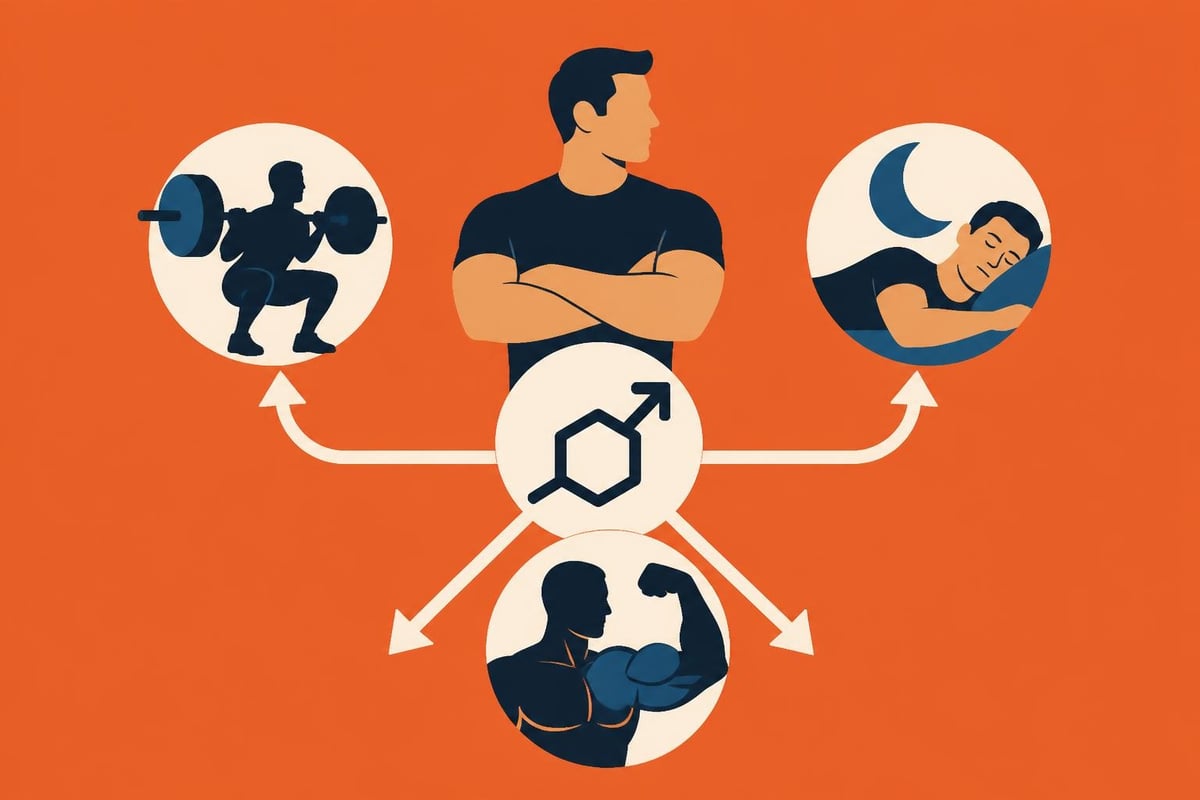
The patch doesn't care about your goals. It delivers medication. You're still responsible for the inputs that create outputs: training frequency, progressive overload, adequate protein, caloric balance, and sleep quality.
Practical Limitations and Failure Points
Testosterone patches fail most often due to adherence problems, not pharmacological inadequacy. Men stop using them for several reasons, all preventable with proper expectation-setting.
Skin irritation represents the primary discontinuation driver. Rotating sites helps but doesn't eliminate reactions in sensitive individuals. Some men develop adhesive allergies that make patches non-viable regardless of rotation protocols.
Environmental factors affect patch performance. High humidity, excessive sweating, and water exposure reduce adhesion and absorption. Men who swim daily or work outdoors in hot climates often struggle with patches staying attached for full 24-hour periods.
The Adherence Problem
Daily application requires systems thinking. You must build patch application into an established routine, typically morning or evening hygiene protocols. Men who "forget" patches multiple times weekly won't achieve stable blood levels and won't see clinical benefits.
This represents a discipline issue, not a treatment failure. If you can't execute a 30-second daily task consistently, the problem isn't the patch. It's your inability to build and maintain basic systems.
Medical Oversight and Legal Requirements
Testosterone is a Schedule III controlled substance. Patches require a valid prescription from a licensed physician following appropriate diagnostic testing. No legitimate online service prescribes testosterone without documented labs and medical evaluation.
The American Urological Association guidelines establish the standard of care for testosterone deficiency evaluation and treatment. Physicians who deviate from these protocols risk regulatory action and malpractice liability.
This means you can't get patches because you "feel low energy" or "want to optimize performance." You need documented hypogonadism through proper testing and a physician willing to accept responsibility for your treatment outcomes.
Legal requirements for prescription:
Physical examination by licensed physician
Two morning total testosterone measurements below 300 ng/dL
Assessment of symptoms and medical history
Baseline testing (PSA, hematocrit, liver function)
Informed consent documenting risks and benefits
Regular follow-up and monitoring
These exist because testosterone therapy carries genuine medical risks. The regulatory framework protects patients from harm and physicians from liability. It also prevents recreational use by men seeking performance enhancement rather than medical treatment.
When Patches Make Sense and When They Don't
Testosterone patches work best for specific patient profiles: men with verified hypogonadism who want steady hormone levels without injections, who can tolerate adhesive products, and who maintain consistent daily routines.
They make less sense for men with skin sensitivities, highly active lifestyles involving water exposure, or those seeking the lowest-cost option. They make zero sense for men with normal testosterone levels looking for an edge.
The decision requires honest assessment of your actual medical situation versus your desired situation. Most men over 35 experience some testosterone decline. This is normal aging, not pathology requiring treatment. The threshold for medical intervention is documented deficiency plus clinical symptoms unresponsive to lifestyle optimization.
Before considering any testosterone replacement, you're obligated to address controllable factors: body composition, sleep quality, training consistency, stress management, and relationship health. These influence testosterone production and symptoms more than most men acknowledge. If you're 25% body fat, sleeping five hours nightly, and training sporadically, your low testosterone is a symptom of poor decisions, not a medical condition requiring patches.
Men who've optimized these variables, tested appropriately, documented deficiency, and worked with qualified physicians can consider patches as one delivery option among several. The choice depends on lifestyle factors, cost considerations, skin tolerance, and personal preference. There's no universally superior method. There's only the method that fits your specific situation and constraints.
Testosterone patches deliver what they promise: steady hormone replacement for men with verified deficiency. They don't replace discipline, fix broken habits, or compensate for absent leadership in your own life. If you're struggling with energy, body composition, or performance, The Father Forge builds the training systems, accountability structures, and mindset frameworks that create actual change, regardless of your hormone levels. Medical intervention supports the foundation; it doesn't replace it.