Sermorelin: What Every Father Over 35 Needs to Know
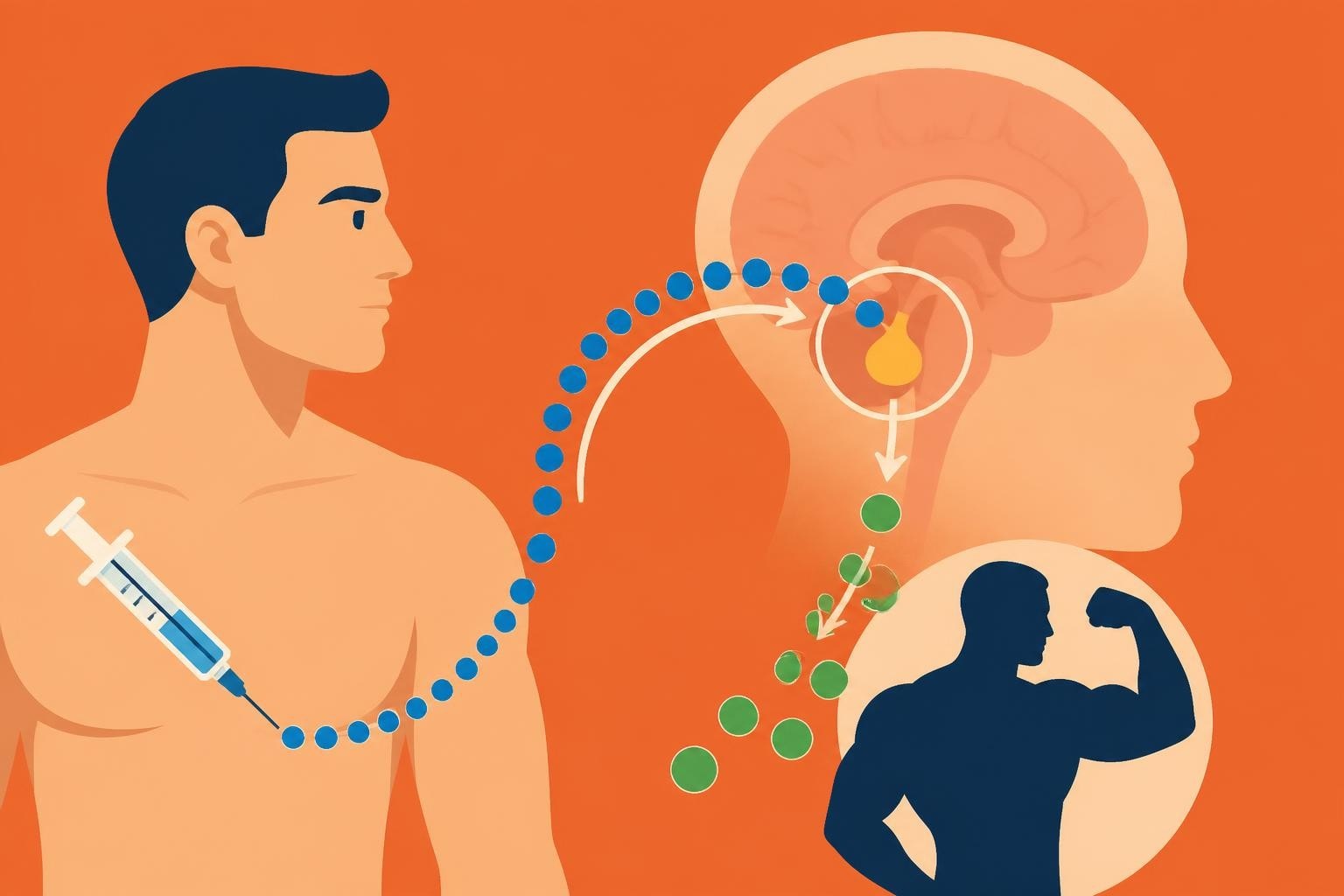
Sermorelin is a synthetic peptide that shows up in performance conversations, anti-aging clinics, and online forums with increasing frequency. You're told it boosts recovery, burns fat, builds muscle, and reverses aging. But most of what you hear is marketing noise layered over incomplete information. What matters is understanding what sermorelin actually does, how it works in the body, and whether it has a legitimate place in your health strategy. This isn't about chasing shortcuts. It's about knowing the facts so you can make decisions grounded in science, not sales pitches.
What Sermorelin Actually Is
Sermorelin is a 29-amino-acid synthetic peptide that replicates the active portion of growth hormone–releasing hormone (GHRH). The full endogenous GHRH molecule contains 44 amino acids, but research showed that only the first 29 are biologically active. Sermorelin acetate was developed and approved by the FDA in the mid-1990s under the brand name GEREF, specifically for diagnostic testing of growth hormone deficiency in children. The FDA's original approval package for GEREF outlined its intended use: a single-dose stimulation test to assess pituitary function.
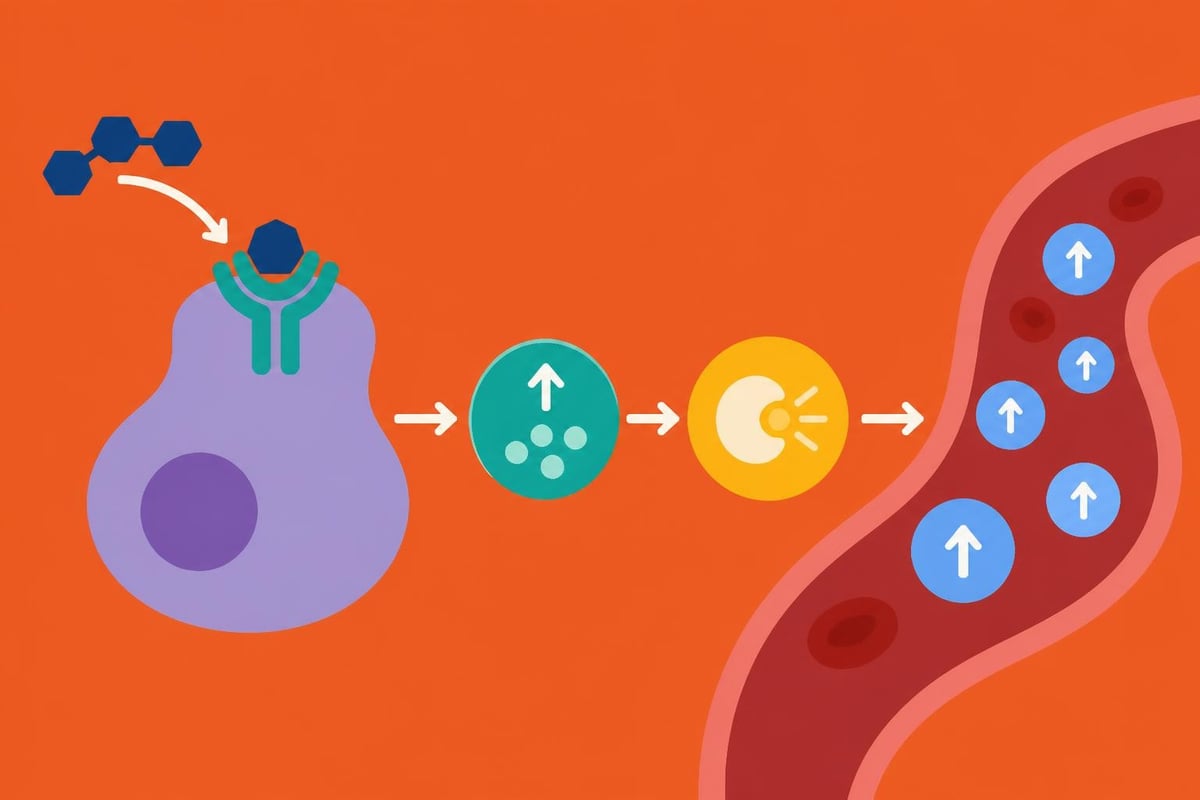
The peptide works by binding to GHRH receptors on somatotroph cells in the anterior pituitary gland. This binding stimulates the release of endogenous growth hormone (GH) into circulation. Unlike exogenous GH injections, sermorelin doesn't bypass your body's regulatory mechanisms. It triggers your own pituitary to produce GH, meaning the release follows your natural secretory patterns and feedback loops. That distinction matters.
The Mechanism Behind the Marketing
When sermorelin binds to GHRH receptors, it activates a cascade: increased intracellular cyclic AMP (cAMP), activation of protein kinase A, and ultimately the release of stored GH from pituitary vesicles. This growth hormone–releasing pathway is physiologically normal-you use it every day. Sermorelin just amplifies the signal.
GH itself doesn't directly build muscle or burn fat. It acts on the liver and other tissues to produce insulin-like growth factor 1 (IGF-1), which mediates most of the anabolic and metabolic effects attributed to GH. IGF-1 promotes protein synthesis, lipolysis, and tissue repair. In theory, more GH means more IGF-1, which means better body composition and recovery.
But theory and reality split when you leave the controlled environment of clinical trials. The body isn't a simple input-output machine. Feedback inhibition, receptor downregulation, and individual variability all affect outcomes. Sermorelin's half-life in circulation is short-minutes, not hours. That means timing, dosing frequency, and administration route all influence results.
Clinical Use vs. Off-Label Promises
Sermorelin was studied and approved for a narrow purpose: diagnostic testing in pediatric GH deficiency. Clinical trials in GH-deficient children demonstrated that once-daily subcutaneous sermorelin could stimulate growth in patients with documented deficiency. The endpoints were clear, the populations well-defined, and the medical need obvious.
Those trials did not evaluate sermorelin for anti-aging, athletic performance, fat loss, or muscle gain in healthy adults. The extrapolation from pediatric endocrinology to adult performance enhancement is not supported by equivalent clinical evidence. That doesn't mean sermorelin has zero effect in adults-it means the evidence base is thin, inconsistent, and largely anecdotal.
Regulatory Reality and Availability
The FDA determined in 2013 that GEREF was not withdrawn from the market for safety or effectiveness reasons, but the product is no longer commercially available in the United States through traditional pharmaceutical channels. This creates a gap: sermorelin is not illegal, but it's not readily accessible as an FDA-approved drug product either.
Many clinics and compounding pharmacies now offer sermorelin as part of "hormone optimization" or "age management" programs. These are off-label uses. The quality, purity, and dosing of compounded peptides vary. Unlike FDA-approved products, compounded drugs are not subject to the same batch-to-batch testing or manufacturing standards. If you're considering sermorelin, you need to understand that you're operating in a regulatory gray zone with significant variability in product quality.
Aspect | FDA-Approved GEREF (historical) | Compounded Sermorelin (current) |
|---|---|---|
Indication | Pediatric GH deficiency diagnostic | Off-label adult use |
Manufacturing oversight | Full FDA cGMP requirements | State pharmacy board standards |
Batch testing | Rigorous, standardized | Variable, provider-dependent |
Clinical evidence | Controlled trials in children | Limited adult data, mostly anecdotal |
Availability | Discontinued (2008) | Available via prescription |
Performance, Recovery, and the Athletic Use Question
Athletes hear "growth hormone" and assume sermorelin is a performance enhancer. The U.S. Anti-Doping Agency lists sermorelin as a prohibited substance under the category of growth hormone secretagogues. USADA's guidance on sermorelin makes it clear: use in competitive sport is banned, and athletes who test positive face sanctions.
This isn't about legality in everyday life. It's about understanding that regulatory bodies treat sermorelin as a substance with performance-enhancing potential, even if the real-world evidence in trained athletes is limited. The logic is straightforward: anything that increases endogenous GH secretion could theoretically improve recovery, lean mass, and fat metabolism. But theoretical potential and measurable performance benefit are different standards.
For the father over 35 who's not competing in tested sports, the question isn't "Is this banned?" but "Does this improve my training, recovery, and body composition in a meaningful way, and at what cost?" The answer depends on your baseline GH status, your training program, your nutrition, your sleep, and a dozen other variables that matter more than any peptide.
What the Research Shows About Secretagogues
A broader look at growth hormone secretagogues in clinical research reveals mixed results. Some trials show modest improvements in lean body mass and fat mass in older adults with low baseline GH. Others show no significant benefit. Adverse effects-joint pain, edema, insulin resistance-appear in some studies, particularly at higher doses or longer durations.
The peptide research community often overlooks a basic fact: most men over 35 don't have GH deficiency. They have normal age-related declines in GH secretion, which is not the same as pathology. Treating a normal physiological change with a pharmaceutical intervention carries risk without guaranteed benefit.
Safety, Side Effects, and What You're Not Being Told
Sermorelin's safety profile in short-term diagnostic use is well-established. Single-dose administration for GH stimulation testing rarely causes serious adverse events. But chronic, repeated dosing in adults is a different scenario. The pharmacological profile of sermorelin notes that while acute tolerance is generally good, long-term safety data in non-deficient adults is sparse.
Reported side effects include:
Injection site reactions: redness, swelling, discomfort at the subcutaneous injection site
Flushing and warmth: transient facial flushing shortly after administration
Headache and dizziness: reported in some users, typically mild
Nausea: occasional gastrointestinal upset
Hyperactivity or difficulty sleeping: if dosed too close to bedtime
More concerning are the theoretical risks associated with chronic elevation of GH and IGF-1. Elevated IGF-1 has been associated with increased cancer risk in some epidemiological studies, though causation is not proven. GH excess can promote insulin resistance, contributing to metabolic dysfunction over time. Joint pain and edema can occur when GH levels are chronically elevated beyond physiological norms.
No one offering sermorelin in a clinic waiting room is going to lead with cancer risk or insulin resistance. You'll hear about vitality, performance, and fat loss. But the obligation is on you to ask the hard questions and demand honest answers about long-term risk.
The Environment That Makes Peptides Attractive
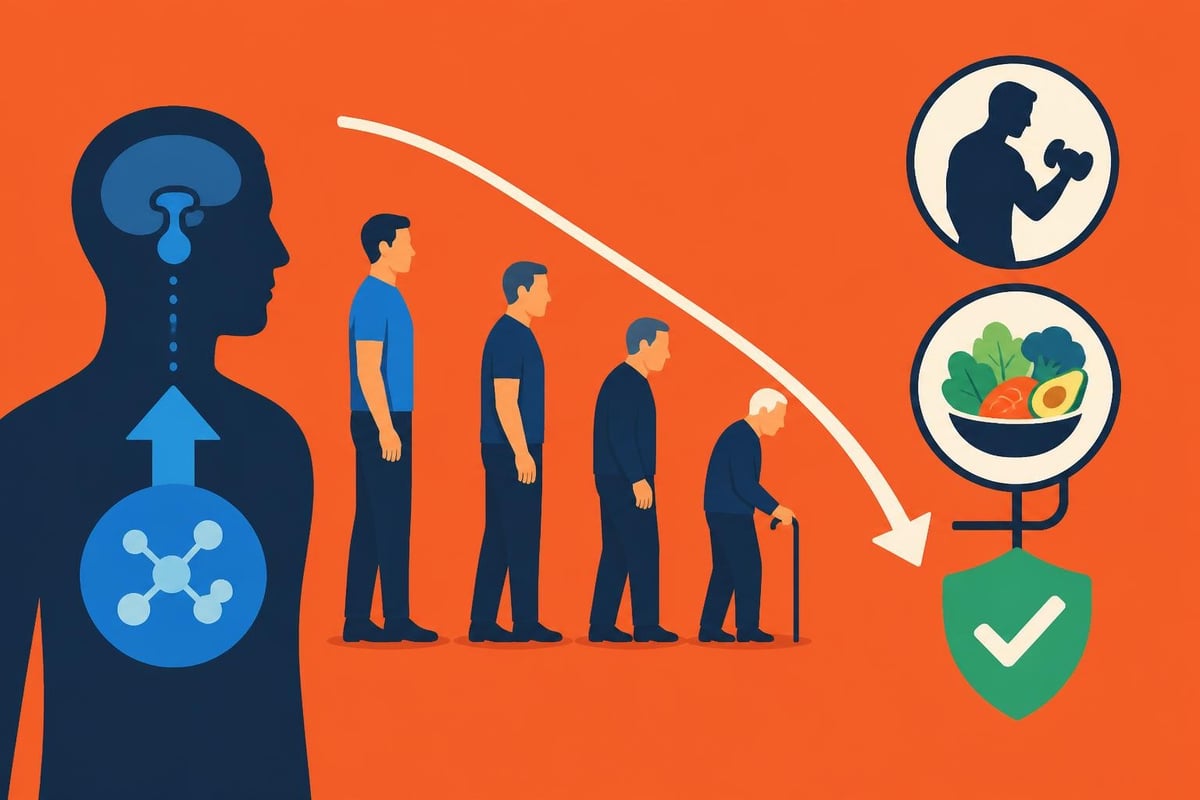
Sermorelin gains traction because men are operating in an environment that undermines natural GH production. Poor sleep, chronic stress, insulin resistance, lack of high-intensity training-these factors suppress endogenous GH secretion far more than aging alone.
You don't need sermorelin if you're sleeping seven hours a night, training with real intensity, managing stress, and keeping body fat in check. The peptide conversation is often a distraction from the fundamentals that actually move the needle. It's easier to inject a peptide than to fix a broken sleep schedule or commit to heavy lifting three times a week. But the former won't compensate for the absence of the latter.
Training, Nutrition, and Hormonal Optimization
If your goal is to optimize GH naturally, here's what works:
High-intensity resistance training: Heavy compound lifts and short-rest intervals create the greatest acute GH response.
Intermittent fasting or time-restricted eating: Fasting periods elevate GH, particularly overnight and into the morning.
Deep sleep: Stage 3 and 4 sleep are when GH secretion peaks. Prioritize sleep quality and duration.
Minimize insulin spikes: Chronic hyperinsulinemia suppresses GH release. Control carbohydrate intake and meal timing.
Manage cortisol: Chronic stress and elevated cortisol blunt GH secretion. Stress management isn't optional.
These aren't supplements or hacks. They're non-negotiable environmental conditions that determine whether your endocrine system functions optimally or poorly.
For men seeking structured accountability and real programming around these principles, working with experienced coaching can bridge the gap between knowing what to do and actually doing it. The Father Forge's 1-on-1 men's coaching provides custom fitness programming, nutrition planning, and weekly calls to ensure you're building the environment that supports your goals-not chasing pharmaceutical shortcuts that bypass the fundamentals.
Third-Party Testing and Product Quality
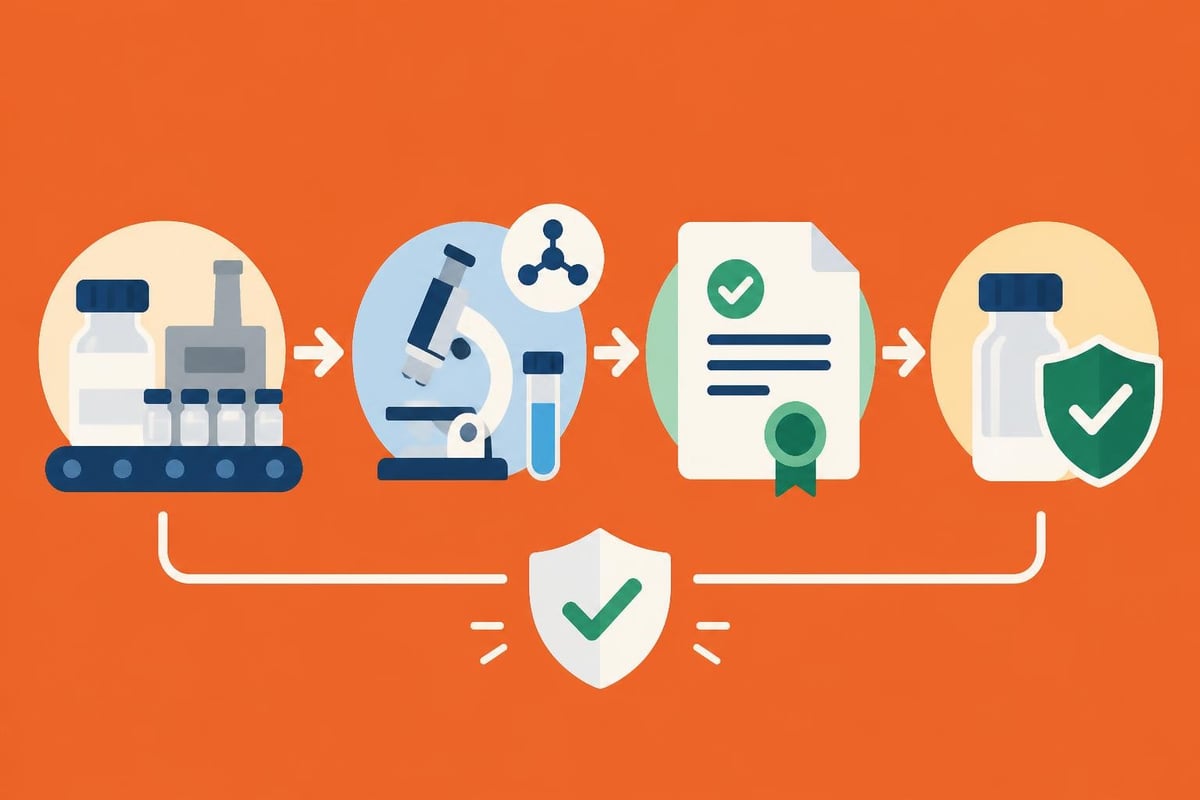
If you decide to use sermorelin, product quality is a non-negotiable concern. Compounded peptides are not regulated with the same rigor as FDA-approved drugs. Purity, sterility, accurate dosing, and peptide stability all vary by source.
What to verify before using any peptide:
Third-party lab testing: Independent verification of purity and peptide content
Certificate of Analysis (CoA): Batch-specific documentation showing results of testing
Manufacturing standards: Where and how the peptide is produced
Storage and handling: Peptides degrade with improper storage; temperature control matters
Prescription requirement: Legitimate providers require a prescription; if it's available without one, that's a red flag
Reputable suppliers like Data Peptides provide laboratory-grade, US-manufactured research peptides with third-party batch testing for purity, ensuring that what's on the label matches what's in the vial. Similarly, Pure Peptide emphasizes advanced purification methods and stringent quality control to deliver products with verified purity and efficacy. These standards matter because impurities, degradation products, or incorrect dosing can lead to unpredictable results and potential harm.
International Regulatory Context
Sermorelin's regulatory status varies globally. In Europe, GEREF 50 (sermorelin acetate) was marketed but has since been withdrawn in several jurisdictions. The Irish health authority's record of GEREF 50 shows product discontinuation, though not explicitly for safety reasons. The European Medicines Agency has not approved sermorelin for broad therapeutic use in adults.
This patchwork of regulatory decisions reflects uncertainty about the risk-benefit profile outside of narrowly defined clinical indications. When multiple health authorities decline to support widespread use, that's data worth considering.
The Real Question You Should Be Asking
The question isn't "Does sermorelin work?" but "What problem am I trying to solve, and is this the right tool?"
If you're 40, carrying 25% body fat, sleeping five hours a night, and training inconsistently, sermorelin isn't your answer. You have an environment problem, not a peptide deficiency. Fix the environment first. Build the discipline, the structure, and the accountability that create lasting change.
If you're already optimized-lean, strong, sleeping well, managing stress-and you're exploring marginal gains with full awareness of risks and costs, then sermorelin might be a calculated decision. But even then, the evidence is thin, the product quality variable, and the long-term safety uncertain.
Most men fall into the first category. They want the result without the work. Sermorelin becomes attractive because it promises a shortcut. But no peptide compensates for lack of effort, consistency, or leadership over your own health.
Legal Considerations and Prescription Requirements
In the United States, sermorelin is a prescription-only medication. It cannot legally be sold or dispensed without a prescription from a licensed healthcare provider. Clinics offering sermorelin typically require lab work, a consultation, and a documented rationale for prescribing.
Purchasing sermorelin from overseas suppliers, research chemical vendors, or non-prescription sources is illegal and dangerous. You have no assurance of product identity, purity, or sterility. Contaminated or counterfeit peptides pose serious health risks, including infection, allergic reactions, and toxicity.
If you're considering sermorelin, work with a licensed provider who understands hormone replacement and peptide therapy, who orders appropriate lab work, and who monitors you over time. Anything less is reckless.
Sermorelin has a real mechanism, a documented clinical history, and potential applications-but it's not a solution for men who haven't built the fundamentals. Most fathers over 35 don't need peptides; they need accountability, structure, and a program that addresses training, nutrition, sleep, and stress as the integrated system they are. The Father Forge builds custom fitness and mindset programs tailored to your journey, grounded in the principles that actually produce lasting results. If you're ready to lead your health with the same discipline you bring to your family, that's where the work begins.