
Self Improvement: The Father's Blueprint for Real Change
Self improvement isn't a feeling. It's not a motivation spike after watching a YouTube video or reading an inspiring quote on social media. Real self improvement is a systematic dismantling of the gap between who you are and who you committed to being. That gap exists because of one thing: the environment you've allowed to form around you. Most men treat personal growth like collecting information, stacking books they'll never finish, downloading apps they'll use for three days, joining groups they'll ghost within a week. The problem isn't the information. You already know you should eat better, lift weights, spend intentional time with your kids, and lead your household with clarity. The problem is your environment permits you to know these things without doing them. This article lays out the actual mechanics of self improvement, the kind that shows up in your body composition, your marriage, and the respect your children give you without being asked.
The Environment Problem in Self Improvement
You don't have an information problem. You have an environment problem. Every failed attempt at self improvement traces back to this single issue: the space around you doesn't demand the behavior you claim you want.
Your phone sits next to your bed, so you scroll for thirty minutes before sleep and twenty minutes after waking. Your kitchen holds food that works against your goals because convenience won the argument last Tuesday. Your calendar is full of obligations you never consciously chose, commitments made when you were tired and couldn't defend your time. This isn't about willpower. Willpower is what you use when your environment fights you. The answer is building an environment that makes the right choice the easy choice.

Designing Accountability Into Your Day
Start with your morning. Not with inspiration, with structure. What happens in the first sixty minutes after you wake determines whether you're operating from a position of strength or reaction.
Phone stays outside the bedroom- Charge it in another room, use an actual alarm clock, reclaim your morning attention
Workout clothes laid out the night before- Decision fatigue is real, eliminate the decision point entirely
First meal planned and prepped- You will not make a high-protein breakfast decision at 6 AM when you're already behind
Non-negotiable movement block- Thirty minutes minimum, on the calendar like a client meeting you can't miss
This isn't about becoming a different person. It's about removing the friction between intention and action. Most men fail at self improvement because they're trying to make good decisions in bad environments. You will not consistently choose the salad when the cabinet is full of chips. You will not hit the gym when your workout requires fifteen decisions before you can start.Understanding self-improvement practicesrequires acknowledging that discipline is a finite resource, not an unlimited well.
The Father Forge operates on this principle: custom programs work because they're built for your specific environment, not a fantasy version of your life. When you join ourGroup Coaching Community, you get structure that fits your actual schedule, accountability from men who won't let you negotiate with yourself, and programming designed around the constraints you actually face.
Physical Transformation as the Foundation
Self improvement without physical change is theoretical. Your body is the most honest feedback mechanism you own. It doesn't care about your intentions or your journal entries. It responds to what you actually do.
Building muscle and losing fat isn't vanity. It's leadership development in its most tangible form. When you commit to a training protocol and execute it for twelve weeks straight, you're proving to yourself that you can set a standard and meet it. Your kids watch this. Your wife notices this. You carry yourself differently when you know you kept a promise to yourself that required genuine effort.
The Training Non-Negotiables
RequirementWhy It MattersCommon Failure Point3-4 strength sessions per weekBuilds muscle, proves consistencySkipping when "busy"Progressive overload trackingEnsures actual progress, not just activityUsing same weights monthly0.8-1g protein per pound bodyweightSupports recovery and muscle growthGuessing instead of measuring7+ hours sleep consistentlyWhere adaptation happensScrolling until midnight
You don't need perfect. You need consistent. The man who trains four days a week for a year will transform more than the man who trains six days a week for six weeks then quits. This is whyself-improvement as a continuous practicematters more than intensity bursts that fade.
Track everything. Weight on the bar, reps completed, bodyweight trend, sleep hours, protein intake. What gets measured gets managed. What gets managed shows up in the mirror and on the scale. This data doesn't lie to you. It doesn't make excuses. It shows you exactly where your execution matches your talk.
Mental Resilience Through Actual Challenge
Mental toughness doesn't come from affirmations. It comes from doing hard things when you don't feel like it and watching yourself complete them anyway. The gym is a laboratory for this. Every set that burns, every morning you showed up tired, every weight that felt impossible until you lifted it, these are deposits in your resilience account.
The modern world has removed most genuine difficulty from daily life. You can order food without speaking to a human, work without breaking a sweat, and entertain yourself endlessly without creating anything. This comfort is killing your mental edge. Your brain needs challenge to stay sharp. Your character needs resistance to develop strength.

Creating Necessary Friction
Deliberately add challenge to your week. Not punishment, strategic difficulty that builds capacity.
Cold exposure- Start your shower warm, end it cold for two minutes, teaches your nervous system you control the discomfort response
Fasted training- One session per week before eating, trains mental focus separate from physical comfort
Difficult conversations- Weekly check-in with your wife about real issues, not surface logistics
Physical goals beyond aesthetics- Train for a pullup number, a deadlift weight, a mile time that scares you
Each of these creates a decision point where comfort is available but you choose otherwise. That choice, repeated, is how you build the mind that leads a family through actual adversity. When your kid faces something hard, they need to see a father who doesn't fold when things get uncomfortable. You can't fake that. It has to be real in you first.
For structured approaches to building these practices, platforms likeMatSyncshow how systematic tracking and progression work in martial arts training, principles that apply equally to any self improvement discipline requiring measurable advancement.
Leadership Starts at Home
Self improvement divorced from your actual responsibilities is masturbatory. You're not getting better for Instagram likes or to impress strangers at the gym. You're developing yourself so you can lead the people who depend on you with competence and clarity.
Your family doesn't need a perfect father. They need a present one who knows where he's going and can articulate why. They need someone who sets standards and lives by them, who admits mistakes and corrects them, who shows them what accountability looks like in real time.
The Daily Leadership Audit
Ask yourself these questions every evening:
Did I speak to my wife with the respect I demand my sons show her?
Did I give my children focused attention, not distracted presence?
Did I make decisions from strength or reaction?
Did I keep the commitments I made to myself this morning?
This isn't about perfection. It's about honest assessment. Most men lie to themselves about their leadership because facing the truth requires change. The truth is you can't lead from a position of personal chaos. If you can't manage your own body composition, your own calendar, your own emotional regulation, you have no business claiming leadership over anyone else.
The work you do on yourself directly impacts your capacity to serve your family.Exploring practical self-improvement frameworksreveals that personal development and relational effectiveness are inseparable. When you build emotional balance and mental clarity through consistent practice, those gains show up in how you handle conflict with your wife, discipline your children, and make decisions under pressure.
Accountability Over Motivation
Motivation is a feeling. Feelings change with sleep quality, stress levels, and whether Mercury is in retrograde. Building self improvement on motivation is building on sand. You need structure that holds when you feel nothing.
Brotherhood provides this. Not friends who validate your excuses, but men who call you on your patterns and expect you to show up. This is why group coaching works when solo efforts fail. When you know other men are watching your execution, you execute differently.
What real accountability includes:
Weekly check-ins where you report actual numbers, not feelings
Men who know your goals and ask specific questions about them
Consequences for missed commitments, even small ones
Celebration of wins that required genuine effort
This kind of accountability requires vulnerability, which most men avoid. Admitting you didn't hit your protein target feels like weakness. Saying you skipped the gym three times this week feels like failure. But that admission is where change starts. You can't fix what you won't acknowledge.
For resources on developing this kind of honest self-assessment,Tell eBookoffers materials on personal development and growth mindset that support the inner work required before external change becomes sustainable.
The Growth Mindset Requirement
Fixed mindset says you either have discipline or you don't, you're either a good father or you're not, you're fit or you're not. Growth mindset understands that every one of those qualities is built through repeated practice. You become disciplined by practicing discipline. You become a better father by showing up and learning from your mistakes. You get fit by training consistently and adjusting based on results.
Most men quit self improvement because they expect linear progress. They train for three weeks, don't see dramatic change, decide it's not working. This is fixed mindset thinking. Growth mindset knows that real change happens in months and years, not days and weeks.
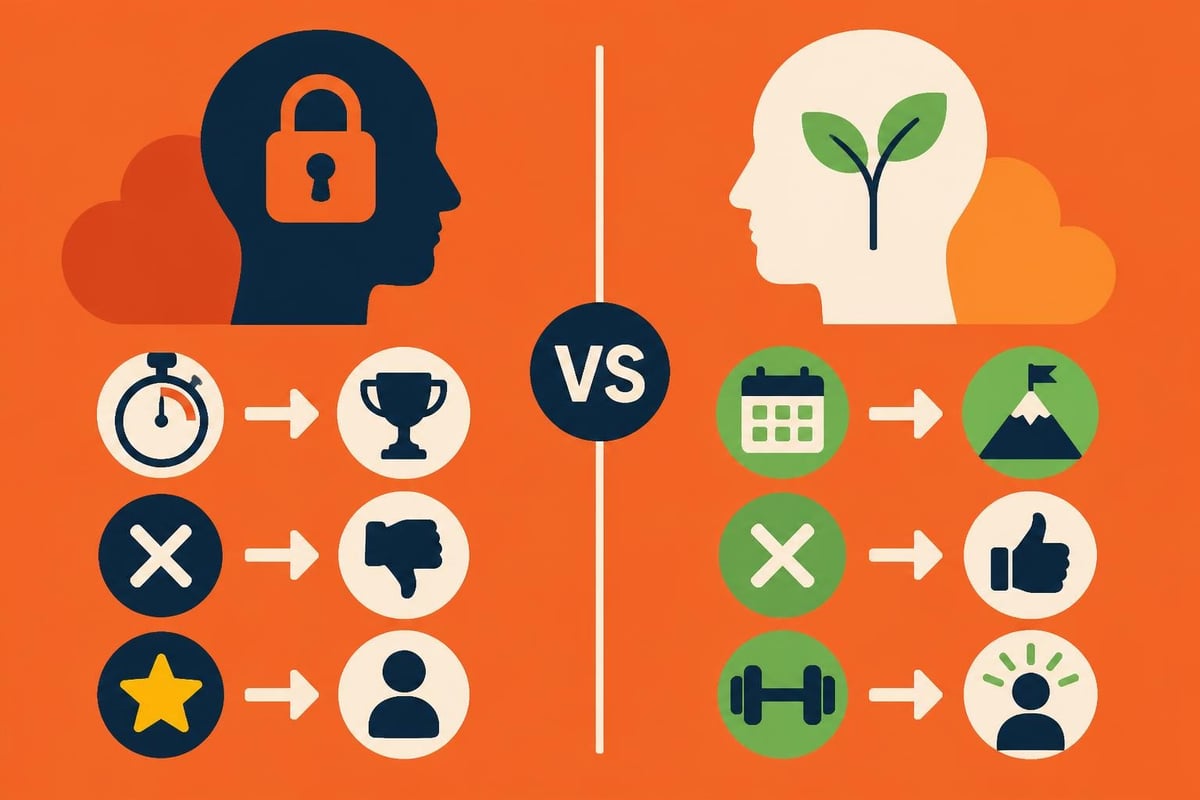
Fixed MindsetGrowth Mindset"I'm not a gym person""I haven't built that habit yet""I failed, this doesn't work""I learned what doesn't work for me""I should be better by now""I'm further than I was last month""This is too hard""This is hard right now"
The language you use with yourself matters. It either keeps you stuck or creates space for development. When you catch yourself in fixed mindset thinking, correct it immediately. Out loud if necessary. Your brain needs to hear the alternative interpretation.
For fathers looking to develop this mindset while building spiritual foundation,MyFiladelfia Skills Development Providerdemonstrates how structured learning environments support both personal growth and service to others, principles central to meaningful self improvement.
Building Systems That Last
Self improvement fails when it's built on intensity. Intensity fades. Systems persist. The man who works out like a maniac for two months then burns out accomplishes less than the man who trains moderately for two years.
Your goal isn't to have an impressive January. It's to build practices that still exist in January 2029. That requires designing for sustainability, not heroics.Effective self-improvement strategiesemphasize consistency over intensity, recognizing that small actions repeated over long periods create transformation that dramatic efforts never sustain.
System design principles:
Minimum viable dose- What's the least you can do and still get results? Start there, not with the maximum
If-then planning- "If I miss a morning session, then I train during lunch" removes decision-making from disrupted plans
Environment defaults- Make the right choice the automatic choice through how you structure your space
Regular review cycles- Weekly assessment of what's working, monthly adjustment of approach
You're not building a perfect life. You're building a life that works. That means honest assessment of constraints, intelligent design around those constraints, and willingness to adjust when reality proves your plan wrong.
The best systems are boring. They work because they're repeatable, not because they're exciting. Excitement is for beginners. Professionals want reliability. For practical guidance on building sustainable systems, exploringarticles on self-developmentprovides frameworks for creating habits that persist beyond initial motivation.
The Marriage Connection
Self improvement isn't selfish when done correctly. When you develop yourself, you become a better husband. Not because you're more attractive, though that helps. Because you're more stable, more present, more capable of holding space for her emotions without making them about you.
The work you do on emotional regulation directly impacts how you respond when she's stressed. The discipline you build at 5 AM translates to patience at 8 PM when the kids are melting down. The accountability you practice with your training shows up in keeping your word about family commitments.
Your wife doesn't need you to be perfect. She needs you to be growing. She needs to see evidence that you take your development seriously, that you're committed to becoming the man your family needs. That evidence appears in how you spend your time, what you prioritize, and how you respond to challenge.
Questions to Ask Your Wife Monthly
Where do you see me growing?
Where do you see me stuck?
What would help you feel more supported?
What commitment have I not followed through on?
These questions require courage to ask and humility to hear. Most men avoid them because they're afraid of the answers. Butcomprehensive approaches to self-improvementrecognize that feedback from those closest to us provides the most valuable data for growth, even when it's uncomfortable.
Physical Health as Leadership Proof
Your body is a billboard for your leadership. If you can't lead yourself to basic health, why should anyone follow you anywhere else? This isn't about aesthetics. It's about demonstrating that you can set a standard for yourself and meet it consistently.
When your kids see you train despite being tired, eat protein instead of junk despite wanting comfort, go to bed at a reasonable hour despite the game being on, they're learning what discipline looks like. Not from your words. From your actions. That learning is worth more than any speech you'll ever give them about hard work.
Health metrics that matter for fathers:
Body composition trending in the right direction over six months
Strength increasing on basic movements (squat, deadlift, press)
Energy levels stable throughout the day without caffeine dependency
Sleep quality allowing you to wake without an alarm most days
Recovery capacity allowing consistent training without injury
These metrics don't lie. You can tell yourself stories about being too busy or having bad genetics, but the mirror and the barbell show the truth. If you're serious about self improvement, these numbers need to move. For evidence-based approaches to personal development,resources on becoming betteroffer curated materials supporting sustainable growth across multiple life domains.
The Next 90 Days
Self improvement is not a destination. It's a continuous practice of closing the gap between your standards and your execution. Most men fail because they never set clear standards. They operate on vague goals like "get healthier" or "be better." Those goals are meaningless because they're unmeasurable.
Set specific targets for the next 90 days:
Body composition:Lose X pounds of fat or gain X pounds of muscle
Strength:Add X pounds to your deadlift or achieve X pullups
Leadership:Have X difficult conversations you've been avoiding
Presence:X minutes of focused time with each child daily
Marriage:Weekly date nights, no phone, no logistics talk
Write these down. Tell someone who will check. Track weekly. Adjust monthly. This is how change happens. Not through inspiration, through execution measured against a standard you committed to meeting.
The work required for real self improvement isn't complicated. It's just hard. It requires you to face the gap between who you said you'd be and who you've allowed yourself to become. It demands you build an environment that supports growth instead of enabling stagnation. It asks you to show up when you don't feel like it, measure what you'd rather ignore, and admit when your execution doesn't match your talk.
Most men won't do this work. They'll keep reading articles, buying programs, and talking about change without changing. That's their choice. But if you're still reading, you're different. You know something has to shift. You know your family deserves better. You know you're capable of more than you're currently demonstrating.
Self improvement for fathers isn't about finding yourself. It's about building yourself into the man your family needs you to be through consistent action measured against clear standards. That work requires structure, accountability, and an environment designed for success rather than hoping motivation carries you through.The Father Forgeprovides custom fitness and mindset programming built specifically for men ready to close that gap, combining physical training, mental resilience development, and leadership accountability to help you become the father, husband, and man you committed to being.