Self Help Books for Men: Leadership Built from the Page
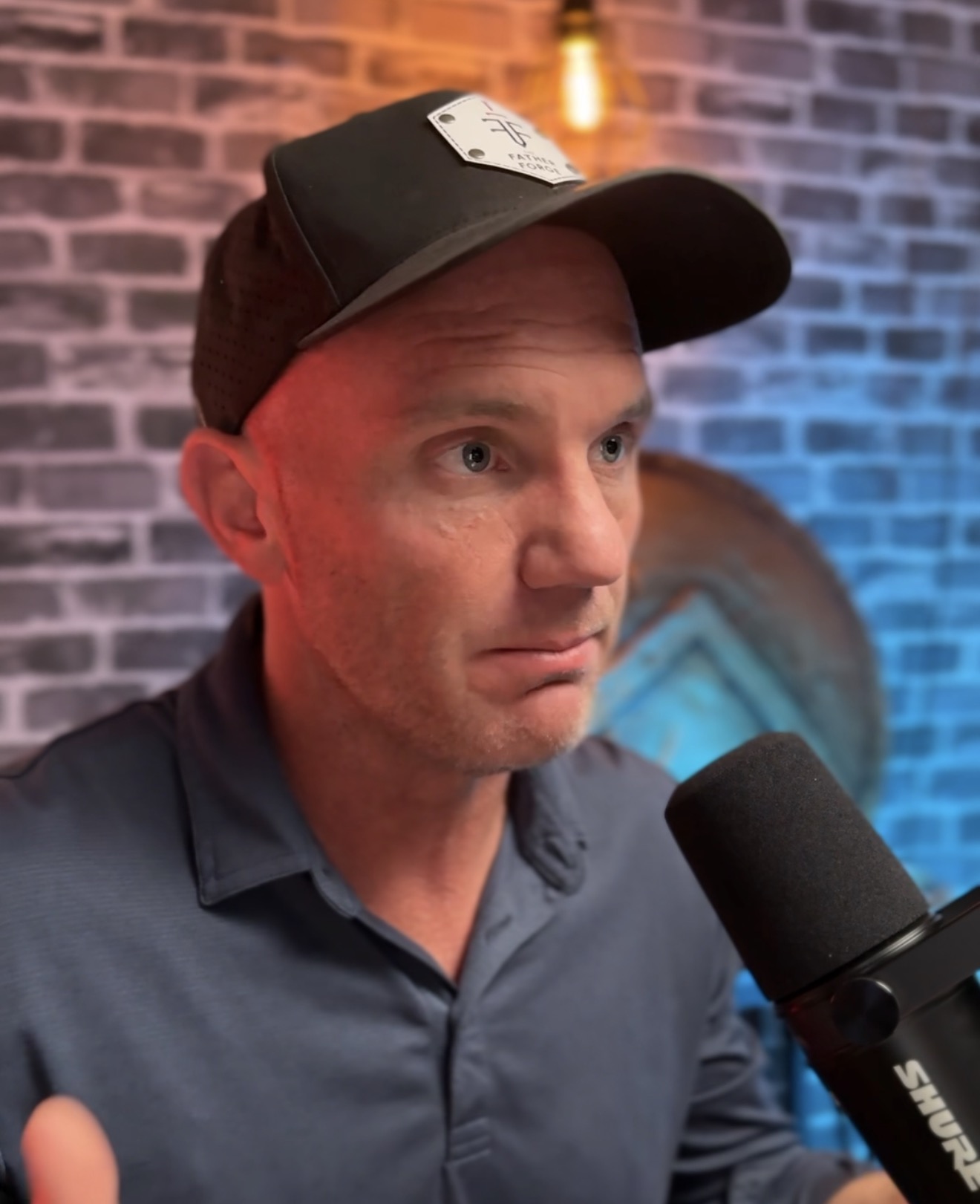
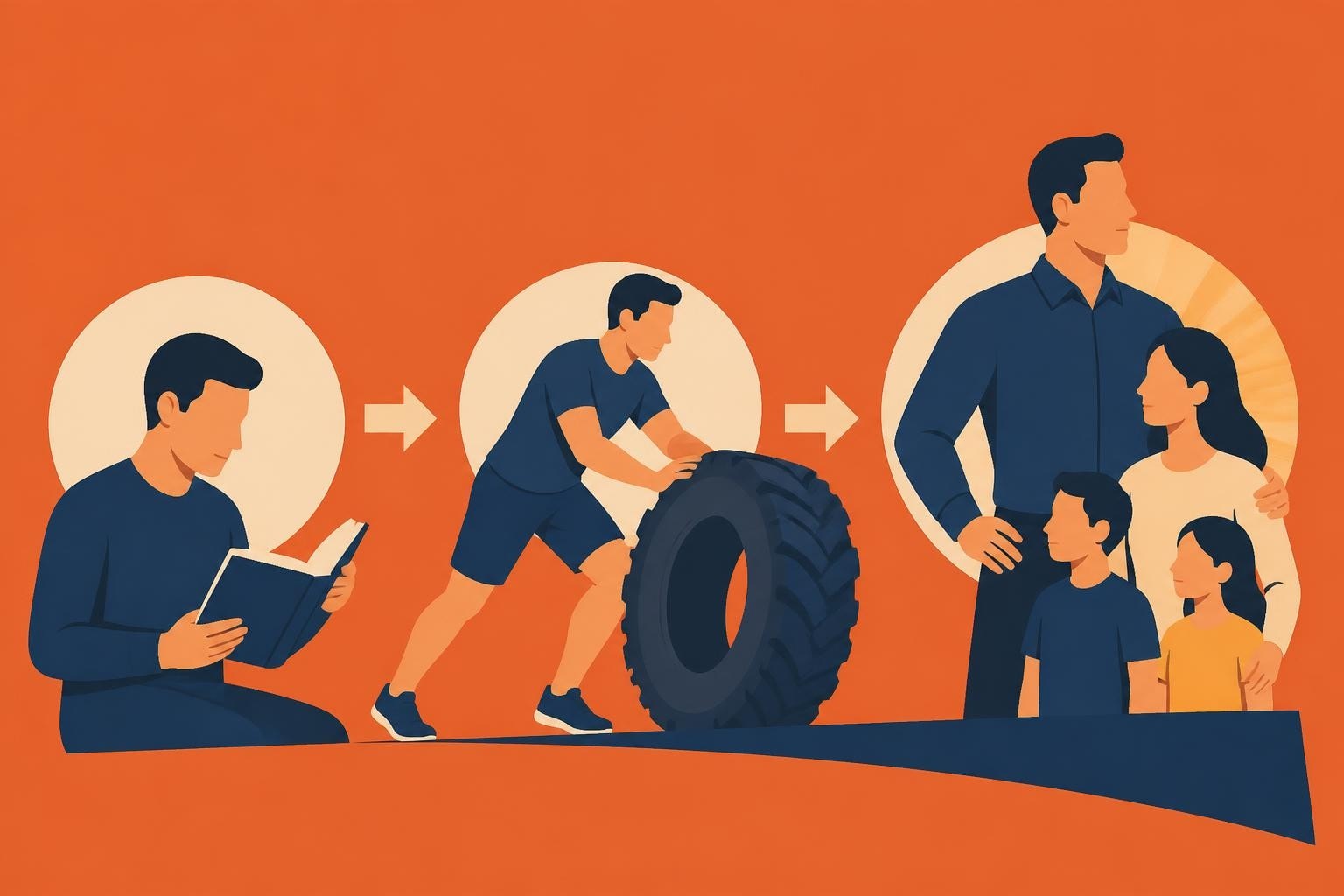
Most men don't need more information. They need direction, accountability, and a framework that shows them how to translate what they learn into who they become. Self help books for men fail when they offer motivation without application or inspiration without obligation. The books that actually build men do three things: they diagnose root causes plainly, they provide a system for action, and they hold you accountable to a standard you set for yourself. This is not about reading your way to confidence. It's about using the right books as tools to build mental resilience, physical strength, and leadership at home. The page is the starting point. The work is what you do when you close the book.
The Evidence Behind Reading for Male Development
Reading is not passive consumption when approached with intent. Research on bibliotherapy as a mental health intervention shows that structured reading programs produce measurable improvements in anxiety, depression, and self-efficacy. The mechanism is straightforward: information delivered in a coherent framework allows men to name problems they've experienced but never diagnosed. Once named, those problems become solvable.
The challenge is that most self help books for men are written for an audience that doesn't exist. They assume motivation is the missing variable. They assume that once a man knows what to do, he'll do it. That assumption ignores the environment. A man surrounded by distraction, obligation, and competing priorities doesn't need cheerleading. He needs a system that fits into the chaos he already lives in.
Why Masculine Norms Shape What Works
Studies examining how masculinity norms affect mental health interventions reveal a critical gap: programs designed without considering how men process accountability often fail to engage the audience they aim to serve. Men don't respond to vague encouragement. They respond to clear standards, measurable outcomes, and respect for the constraints they operate under.
This means self help books for men must do more than offer insight. They must provide:
Diagnostic clarity: Name the problem without hedging.
Actionable systems: Not suggestions, but protocols.
Accountability frameworks: How you measure whether it's working.
Respect for constraints: Acknowledge time, energy, and competing obligations.
A book that says "be present with your kids" is useless. A book that says "during dinner, put your phone in another room and ask each child one open-ended question about their day" is a tool. The difference is specificity and respect for the environment a father operates in.
Categories That Actually Build Men
Self help books for men fall into categories. Some categories build, others distract. The categories worth your time are the ones that produce measurable change in how you lead, how you show up physically, and how you manage the internal environment that drives everything else.
Physical Development and Discipline
Books about fitness are not about muscle. They're about building a relationship with discomfort and proving to yourself that you control what happens when no one is watching. The best books in this category provide programming, yes, but more importantly they provide the mental frameworks that make consistency non-negotiable.
Book Focus | What It Builds | Application Standard |
|---|---|---|
Strength training systems | Discipline through progressive overload | Did you follow the program for 12 weeks without deviation? |
Nutrition protocols | Decision-making under constraint | Did you hit your macros six days out of seven? |
Habit formation | Identity shift from intention to action | Did the behavior become automatic? |
Physical development books work when they're treated as operating manuals, not inspiration. You don't read them for motivation. You read them to install a system, then you execute the system until it becomes who you are.
Mental Resilience and Emotional Regulation
Most men were never taught how to process emotion. They were taught to suppress it, ignore it, or channel it into work. That strategy breaks down when the load increases: marriage stress, fatherhood, career pressure, aging parents. Mental health interventions designed for men must account for this gap and provide practical tools that fit into a masculine framework of responsibility and action.
The books that work in this space don't ask you to "feel your feelings." They teach you to:
Identify physical markers of emotional dysregulation (tension, shallow breathing, irritability).
Deploy specific techniques in real time (box breathing, tactical pause, reframe).
Build capacity over time through deliberate exposure to discomfort.
Mental resilience isn't about being unaffected. It's about recovering faster and making better decisions under pressure. Self help books for men in this category are diagnostic tools first, training manuals second.
Leadership at Home and Work
Leadership books fail men when they're written for corporate environments that don't translate to the home. Leading your family is not leading a team. Your wife is not a direct report. Your kids don't respond to quarterly reviews. The leadership books worth reading understand this and provide frameworks that work in the environment where stakes are highest.
The standard is simple: Does the book make you a better father, husband, and man when the day is hard and no one is watching?
Leadership through service, not position
Accountability through example, not enforcement
Trust built through consistency, not grand gestures
If you're looking for structure beyond the page, programs like 1-on-1 Men's Coaching translate these principles into custom plans with weekly accountability, but the foundation still comes from your willingness to apply what you learn.
How to Choose Books That Actually Work
Self help books for men are tools. Choosing the right tool requires honesty about the problem you're solving. Most men choose books based on what sounds interesting rather than what addresses their actual constraint. Interest doesn't build you. Solving the constraint does.
Identify Your Limiting Factor
Ask: What single change would produce the most downstream improvement in my life right now?
Not what you wish was true. What is actually the bottleneck.
If you lack physical energy and discipline, start with programming and habit books.
If you're reactive and emotionally dysregulated, start with resilience and processing frameworks.
If your relationships are strained and your leadership is inconsistent, start with identity and character development.
One book, fully applied, beats ten books skimmed. The goal is not to read. The goal is to change.
Demand Evidence and Systems
Systematic reviews of bibliotherapy quality show that effective self-help interventions share common features: structured protocols, clear metrics, and mechanisms for self-monitoring. Look for books that provide:
Diagnostic frameworks: How do you know if this applies to you?
Step-by-step protocols: What exactly do you do, and when?
Measurement systems: How do you know if it's working?
Adjustment criteria: When and how do you modify the approach?
Books without these elements are entertainment, not tools. Entertainment has its place. Building yourself requires tools.

Prioritize Application Over Consumption
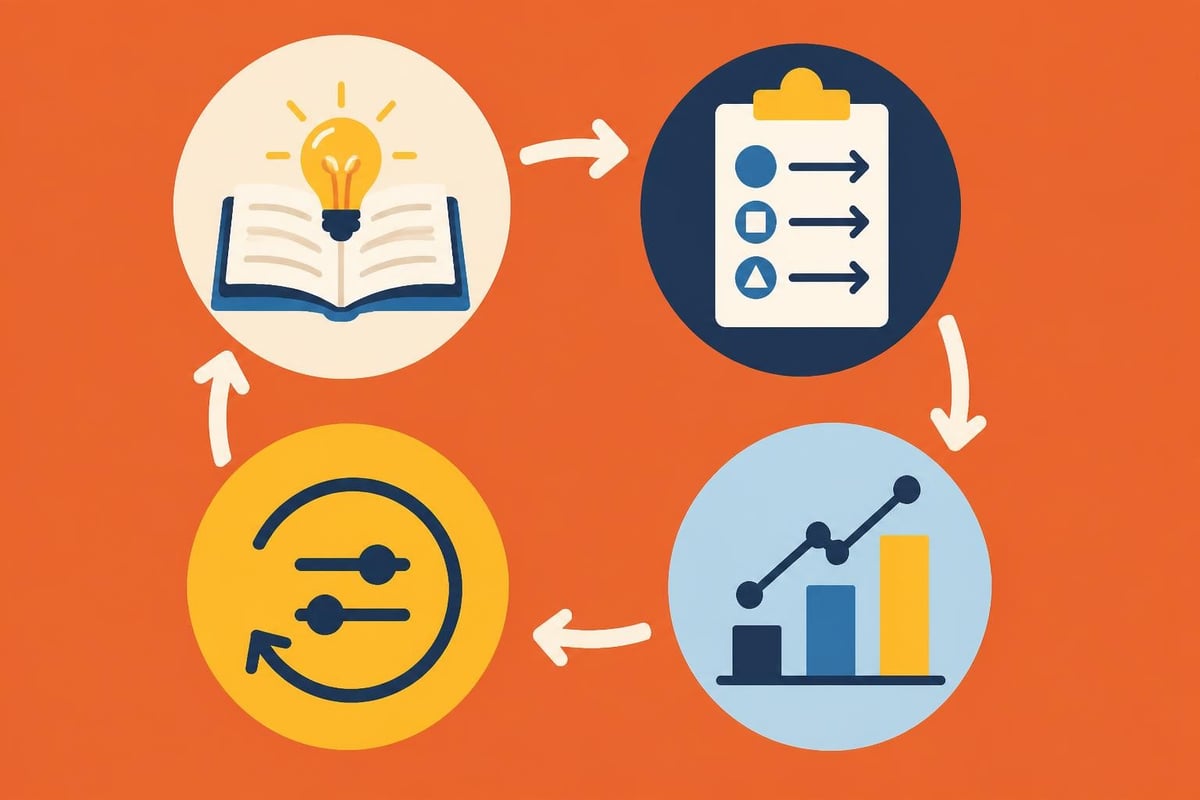
Reading is the easy part. Application is where most men fail, not because they lack motivation but because they lack a system for translating insight into behavior change. The book is step one. The real work is:
Immediate capture: As you read, write down the one principle you will apply this week.
Protocol design: Turn that principle into a specific, measurable action.
Environmental design: Remove friction, add accountability.
Weekly review: Did you do it? If not, why? Adjust.
This approach works whether you're reading about leadership practices backed by research or practical mental health strategies from resources like the NHS men's mental health guidance. Information becomes transformation only through repeated action.
Common Gaps in Popular Recommendations
Most lists of self help books for men repeat the same titles without considering whether those books actually fit the audience. Popularity is not the same as effectiveness. A book can sell millions of copies and still fail to produce lasting change in the men who read it.
The Motivation Trap
Books built on motivation fade the moment life gets hard. Motivation is a starting condition, not a sustaining force. The books that build men focus on:
Obligation: You do this because you are this.
Identity: This is who you've decided to be.
Systems: The behavior runs independent of how you feel.
Motivation gets you to the gym once. Identity keeps you there for a decade.
The Information Overload Problem
Men are buried in information. Podcasts, articles, social media, courses, books. The problem is never access to information. The problem is lack of direction and accountability in applying it. Adding another book to the pile doesn't solve that. What solves it is:
Choosing one book aligned with your limiting factor.
Extracting one principle.
Building one protocol.
Executing that protocol until it's automatic.
Then, and only then, you move to the next book.
The Isolation Factor
Reading alone is better than doing nothing. But it's not optimal. Men build best in brotherhood, with accountability and shared standards. The page gives you the framework. Other men hold you to it. This is why communities and coaching exist. Not to replace the work, but to create an environment where the work gets done.
Integrating Books into a Broader Development Plan
Self help books for men are one tool in a larger system. They work best when integrated with physical training, relational accountability, and professional guidance where needed. The Father Forge approach combines these elements: custom fitness programming, mindset work, and leadership development designed for fathers who refuse to settle.
Build the Foundation First
Before adding complexity, establish non-negotiables:
Sleep: Seven to eight hours, consistent schedule.
Training: Three to four sessions per week, progressive overload.
Nutrition: Protein target hit daily, calorie awareness.
Presence: Phone down during family time.
These are not aspirations. They are the baseline. Books help refine and deepen, but they don't replace the foundation.
Layer in Specific Development
Once the foundation is solid, books become force multipliers. Choose books that address:
Advanced training methodologies to break plateaus.
Conflict resolution and communication for marriage.
Emotional regulation techniques for high-stress seasons.
Leadership development for growing influence at work and home.
Each book should answer a specific question or solve a specific problem. If it doesn't, move on.
Seek Professional Input When Needed
Books have limits. If you're dealing with clinical anxiety, depression, or relational crisis, books are supplemental to professional help. Resources like CopeHouse Collective provide online psychotherapy services tailored to men, offering tools that go beyond what any book can deliver. Knowing when to escalate from self-help to professional intervention is itself a mark of leadership.

Practical Recommendations by Development Area
Self help books for men should be chosen based on current need, not popularity. Here are recommendations organized by the problem you're solving.
Physical Strength and Discipline
If your limiting factor is physical energy, inconsistency in training, or lack of discipline around nutrition:
Look for books with structured programs, not philosophy.
Prioritize authors with coaching experience and measurable outcomes.
Demand specificity: sets, reps, progression, recovery protocols.
The goal is not to learn about fitness. The goal is to install a system you execute until it becomes automatic. Alongside your reading, consider practical tools that support your physical presence, like quality beard grooming products from Onesociety, which reinforce the discipline of daily self-care and attention to detail.
Emotional Regulation and Mental Toughness
If your limiting factor is reactivity, anxiety, or inability to process stress effectively:
Seek books grounded in cognitive-behavioral frameworks or mindfulness with action protocols.
Avoid vague "positivity" advice; demand specific techniques.
Look for authors who understand male psychology and respect masculine frameworks of responsibility.
The Greater Good Science Center's recommended books often include evidence-based approaches to well-being that translate well for men seeking practical mental resilience tools.
Relationship and Leadership Development
If your limiting factor is communication breakdown, conflict avoidance, or inconsistency in leading your family:
Choose books that treat relationships as skill-based, not feeling-based.
Prioritize frameworks over anecdotes.
Look for authors who acknowledge the complexity of marriage and fatherhood without excusing poor leadership.
Leadership at home is the hardest leadership you'll ever practice. The books that help are the ones that make you uncomfortable and call you to a higher standard.
Identity and Purpose
If your limiting factor is drift, lack of clear direction, or feeling like you're going through the motions:
Seek books that force you to answer hard questions about who you are and what you're building.
Prioritize frameworks that connect daily action to long-term identity.
Avoid books that offer vague encouragement without demanding change.
Purpose is not discovered. It's decided and then built through relentless execution of daily disciplines aligned with that decision.
Measuring Whether the Book Worked
Self help books for men are only valuable if they produce change. That change must be measurable. The standard is not how inspired you felt while reading. The standard is: What did you do differently, and did it last?
After finishing a book, answer:
What specific behavior did I change?
How long have I sustained that change?
What measurable outcome improved as a result?
If you can't answer those questions with specifics, the book didn't work. That's not a failure of the book. It's a failure of application. Most books contain enough value to change your life. Most men never apply what they read long enough to see the result.
The gap is not information. The gap is environment, accountability, and brotherhood. Books give you the map. You still have to walk.
Self help books for men are tools, not solutions. They diagnose, they direct, they provide frameworks for action. But the action is yours. Choose books aligned with your limiting factor, extract one principle, build one protocol, and execute until it's automatic. If you need structure beyond the page, custom fitness and mindset programs through The Father Forge provide the accountability and leadership required to turn insight into lasting change. The page is the starting point. The man you become is built in the work that follows.