Probiotics for Men: Build Gut Health Like Leadership
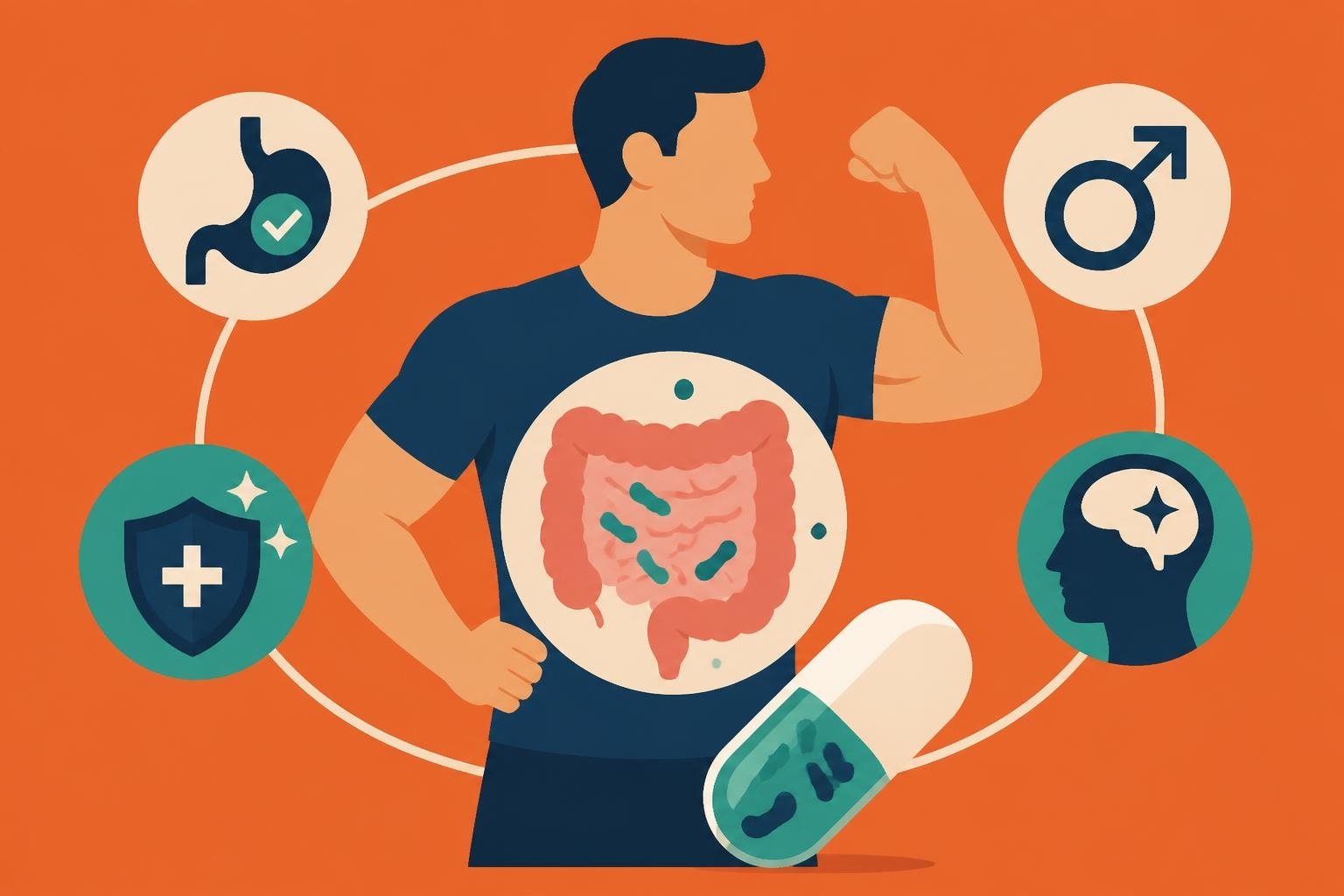
You own your body the same way you own your leadership: through systems, accountability, and daily commitment. Probiotics for men are not a shortcut. They are a tool that works when you understand what you're solving for and apply them with precision. Most men treat gut health like an afterthought until digestive issues, low energy, or inflammation force the conversation. That is reactive, not strategic. The gut microbiome influences everything from immune function to mental clarity to hormonal balance. When you ignore it, you compromise performance across the board. This article lays out what probiotics for men actually do, which strains deliver measurable outcomes, and how to integrate them into a sustainable health protocol.
Why the Gut Microbiome Matters for Male Performance
Your gut contains trillions of bacteria that regulate digestion, manufacture vitamins, train your immune system, and communicate directly with your brain. This is not abstract science. Poor gut health shows up as brain fog, inflammation, weakened immunity, and suboptimal recovery from training. Men who eat processed foods, train hard without adequate recovery nutrition, or operate under chronic stress damage their microbiome daily.
The National Center for Complementary and Integrative Health outlines what probiotics are and how they function: live microorganisms that confer health benefits when consumed in adequate amounts. The key phrase is "adequate amounts." Taking random strains at random doses produces random results. You need specificity.
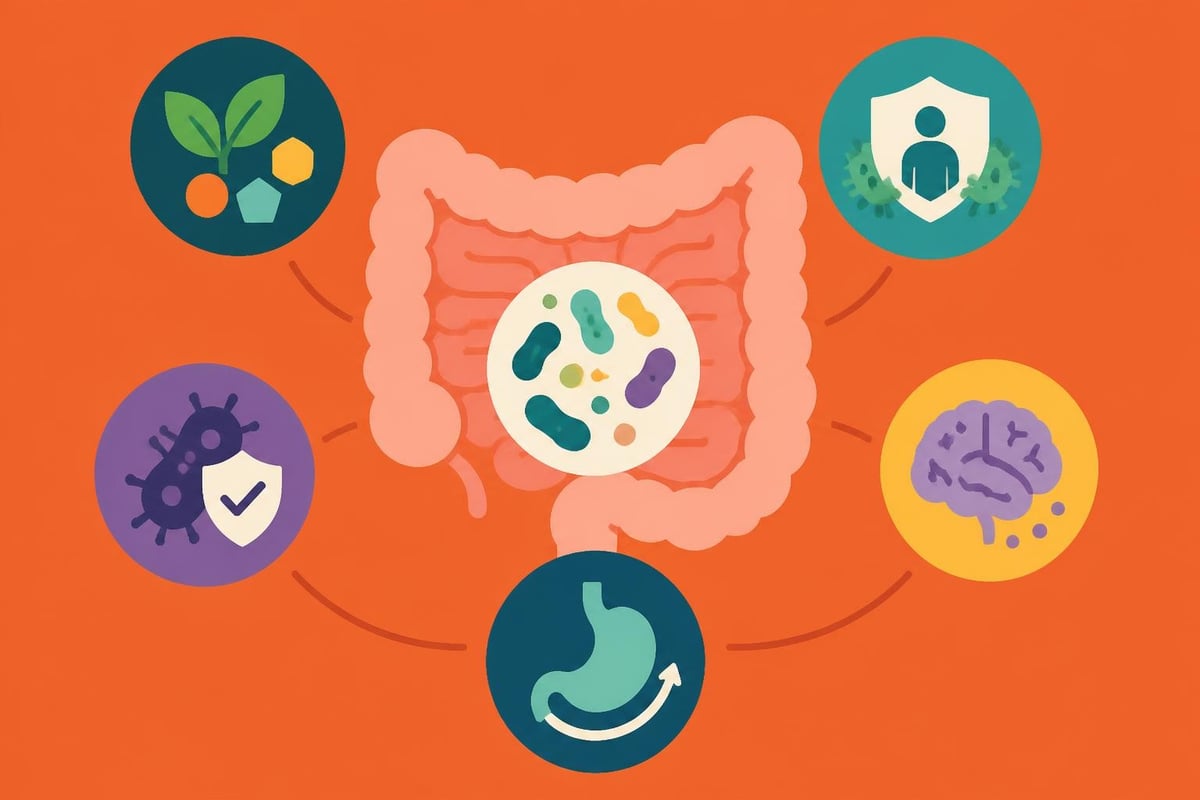
Key functions of a healthy gut microbiome include:
Breaking down dietary fiber into short-chain fatty acids that fuel colon cells
Producing B vitamins and vitamin K
Crowding out pathogenic bacteria through competitive exclusion
Training immune cells to distinguish threats from harmless antigens
Synthesizing neurotransmitters like serotonin and GABA
When your microbiome is compromised, these functions degrade. You experience bloating, irregular bowel movements, increased susceptibility to infections, mood instability, and poor nutrient absorption. Men over 35 face additional challenges: declining stomach acid production, slower gut motility, and cumulative dietary damage. Probiotics for men address these issues by reintroducing beneficial strains that restore balance.
Evidence-Based Benefits of Probiotics for Men
Research on probiotics for men spans digestive health, immune function, mental performance, and reproductive health. Not all benefits apply universally. Strain specificity matters. Lactobacillus rhamnosus GG does not perform the same job as Bifidobacterium longum or Saccharomyces boulardii. Treating probiotics as interchangeable is like saying all training programs produce the same results.
Digestive Health and Regularity
Probiotics reduce symptoms of irritable bowel syndrome, bloating, and diarrhea caused by antibiotic use. Men who travel frequently, eat inconsistent diets, or rely on convenience foods benefit from strains that stabilize gut motility. Harvard Health explains how probiotics may help with inflammatory digestive conditions, though evidence varies by strain and condition.
Lactobacillus and Bifidobacterium species consistently show benefit for:
Reducing duration and severity of antibiotic-associated diarrhea
Alleviating bloating and gas in IBS patients
Improving stool consistency and frequency
This is not a cure. It is management. If your diet consists of processed carbohydrates and minimal fiber, probiotics will not fix the underlying problem. They support a functional baseline when your nutrition and lifestyle are already sound.
Immune System Resilience
Your gut houses roughly 70% of your immune system. Probiotic strains like Lactobacillus casei and Bifidobacterium bifidum enhance the activity of natural killer cells, reduce upper respiratory infections, and modulate inflammatory responses. Men who train hard need robust immune function. Chronic training stress suppresses immunity. Probiotics for men help maintain that barrier.
Immune Benefit | Relevant Strains | Mechanism |
|---|---|---|
Reduced respiratory infections | L. casei, L. rhamnosus | Enhanced NK cell activity |
Lower systemic inflammation | B. longum, L. plantarum | Regulation of cytokine production |
Improved mucosal barrier | S. boulardii | Strengthened tight junctions in gut lining |
The American Gastroenterological Association provides clinical guidance on the microbiome, emphasizing that while probiotics show promise, evidence quality varies widely. Use them as part of a comprehensive approach, not as a standalone intervention.
Male Fertility and Reproductive Health
Emerging research links probiotics for men to improved sperm quality and reproductive outcomes. A systematic review on probiotics and male infertility analyzed randomized controlled trials and found that supplementation improved sperm motility, concentration, and morphology in subfertile men. A recent trial showed probiotic supplementation improved semen parameters in men with diagnosed sperm quality issues.
The mechanism involves reducing oxidative stress and systemic inflammation, both of which damage sperm DNA. Probiotics also influence testosterone metabolism indirectly by improving gut barrier integrity and reducing endotoxin leakage that triggers chronic low-grade inflammation.
Reproductive benefits observed in studies:
Increased sperm motility by 10-15% in some trials
Improved sperm morphology (shape and structure)
Higher total sperm count in men with oligospermia
Reduced markers of oxidative stress in seminal fluid
This does not replace foundational lifestyle factors: adequate sleep, strength training, nutrient-dense diet, stress management. It complements them. Men trying to conceive should view probiotics for men as one element in a broader fertility optimization protocol.
Choosing the Right Probiotic Strains for Men
Not all probiotic supplements deliver what the label promises. Many contain insufficient colony-forming units (CFUs), dead bacteria from poor storage, or strains with no research backing. You need to know what you're buying and why.
High-Priority Strains for Men
The following strains have the strongest evidence base for male-specific outcomes:
Lactobacillus rhamnosus GG: Digestive health, immune function, traveler's diarrhea prevention
Bifidobacterium longum: Anti-inflammatory effects, gut barrier support, mental health
Lactobacillus plantarum: Improved gut lining integrity, athletic recovery, reduced bloating
Saccharomyces boulardii: Antibiotic-associated diarrhea, pathogen defense (especially C. difficile)
Lactobacillus casei: Immune enhancement, upper respiratory infection reduction
Look for products that list specific strains (not just genus and species) and provide CFU counts at expiration, not manufacture. Refrigerated probiotics generally maintain viability better than shelf-stable options, though some stabilized formulations work well.
CFU Count and Dosing
Effective doses range from 1 billion to 100 billion CFUs depending on the strain and intended outcome. General gut health maintenance: 10-20 billion CFUs daily. Acute digestive issues or post-antibiotic restoration: 50-100 billion CFUs. More is not always better. Excessive dosing can cause bloating and gas as your system adjusts.
Start with a moderate dose and assess tolerance over two weeks. Probiotics for men work cumulatively, not immediately. Expect noticeable digestive changes within 1-2 weeks, broader immune and systemic effects over 4-8 weeks.
Integrating Probiotics Into a Complete Health Strategy
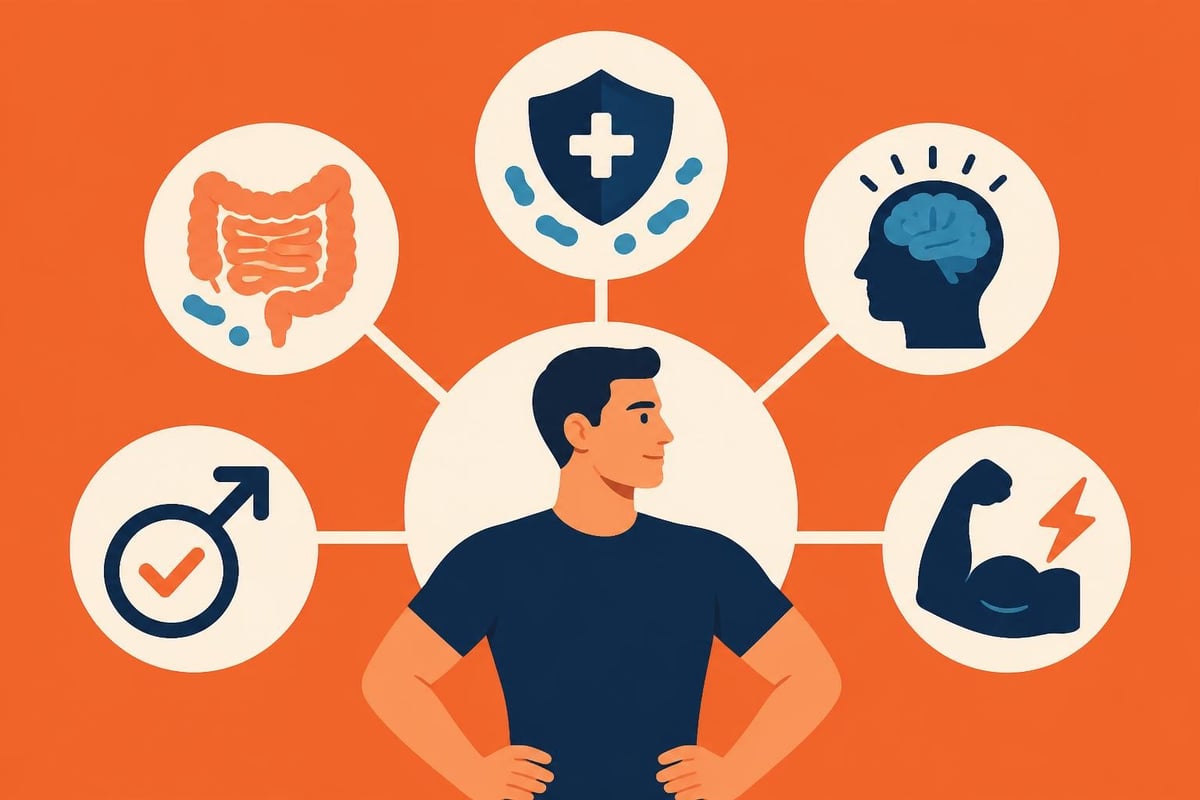
Probiotics are a support tool, not a standalone fix. They function within a system that includes diet, training, sleep, and stress management. Men who expect supplements to compensate for poor nutrition and inconsistent habits waste money and time.
Dietary Foundation First
Harvard's School of Public Health highlights fiber and fermented foods as primary drivers of microbiome health. Before adding probiotics for men, establish these dietary priorities:
Prebiotic fiber: 25-35 grams daily from vegetables, legumes, whole grains, and resistant starch
Fermented foods: Sauerkraut, kimchi, yogurt, kefir, miso (naturally contain probiotics)
Polyphenol-rich foods: Berries, green tea, dark chocolate, olive oil (feed beneficial bacteria)
Adequate hydration: 3-4 liters daily to support gut motility and nutrient transport
If your diet lacks these elements, probiotics will underperform. Think of prebiotics as fuel for the bacteria you introduce. Without fuel, they cannot colonize effectively.
Timing and Consistency
Take probiotics on an empty stomach or with a small meal. Stomach acid kills many probiotic strains, so some men prefer taking them first thing in the morning or before bed when acid production is lower. Enteric-coated capsules survive stomach acid better than standard capsules.
Consistency matters more than timing. Daily supplementation for at least 8-12 weeks is necessary to observe meaningful changes. Sporadic use produces sporadic results.
Combining Probiotics With Training and Recovery
Men who train intensely place additional stress on the gut. High training volume increases intestinal permeability (leaky gut), which allows bacterial endotoxins into the bloodstream and triggers systemic inflammation. Probiotics for men help maintain gut barrier integrity during heavy training blocks.
Pair probiotics with:
Post-workout nutrition that includes fiber and protein
Adequate sleep (7-9 hours) to support microbiome restoration
Stress management practices that reduce cortisol's impact on gut lining
Periodic deloads to allow full systemic recovery
Many men in The Father Forge's Group Coaching Community integrate probiotics alongside custom nutrition planning and strength programming. The goal is not supplementation for its own sake. The goal is building a resilient system that supports performance, recovery, and long-term health.
What Probiotics for Men Cannot Fix
Probiotics do not reverse poor lifestyle choices. They do not compensate for inadequate sleep, chronic stress, excessive alcohol, or a diet dominated by processed foods. They will not fix a broken marriage, repair strained relationships with your children, or replace the need for leadership development. These are environment problems, not information problems.
Limitations and Realistic Expectations
Clinical evidence for probiotics is strongest in digestive health and antibiotic recovery. Benefits for mental health, testosterone optimization, and athletic performance are emerging but not definitive. The European Food Safety Authority evaluates health claims rigorously, and many probiotic claims do not meet their standards for authorization.
This does not mean probiotics for men are worthless. It means you should approach them with clear expectations:
Health Goal | Evidence Strength | Probiotic Role |
|---|---|---|
Digestive regularity | Strong | Primary intervention |
Immune function | Moderate | Supportive tool |
Mental clarity | Emerging | Complementary support |
Fertility/sperm quality | Moderate | Adjunct to lifestyle changes |
Testosterone levels | Weak | Indirect, via inflammation reduction |
Use probiotics where evidence supports them. Do not expect them to solve problems that require behavior change, accountability structures, or professional guidance.
When to Seek Professional Guidance
Persistent digestive issues, unexplained weight loss, blood in stool, or severe abdominal pain require medical evaluation, not self-treatment with probiotics. Probiotic supplementation is generally safe for healthy men, but individuals with compromised immune systems or central venous catheters face infection risk from live bacteria.
If you have underlying health conditions, consult a physician before starting high-dose probiotics. If you are addressing fertility concerns, work with a reproductive endocrinologist who can order semen analysis and identify root causes beyond gut health.
Practical Implementation Protocol
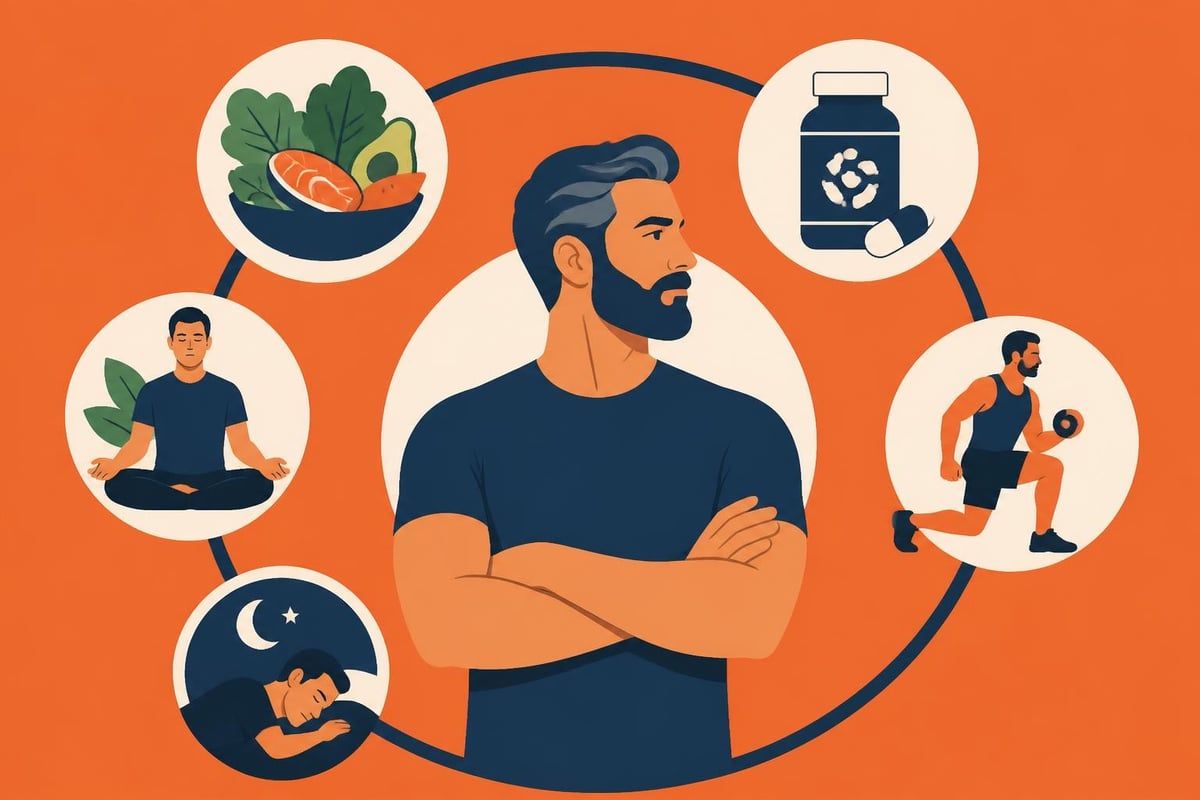
You do not need a complex plan. You need a simple, repeatable system. Here is a straightforward protocol for integrating probiotics for men into your routine:
Audit your current diet. Track fiber intake for three days. If you are below 25 grams daily, increase vegetables, legumes, and whole grains before adding probiotics.
Select a multi-strain probiotic. Choose a product with at least 10 billion CFUs containing Lactobacillus and Bifidobacterium strains. Look for third-party testing (USP, NSF, or ConsumerLab verification).
Establish a daily routine. Take your probiotic at the same time each day. First thing in the morning works well for most men. Set a recurring reminder until the habit is automatic.
Monitor digestive changes. Note bowel movement frequency, stool consistency, bloating, and energy levels over the first two weeks. Mild gas is normal initially as your microbiome adjusts.
Reassess at 8 weeks. If you observe improved digestion, fewer illnesses, or better recovery, continue. If no change, evaluate your diet and lifestyle factors before increasing dose or changing strains.
Cycle off periodically. After 12-16 weeks, take a 2-week break to assess whether benefits persist. This prevents dependency and allows you to gauge the probiotic's actual impact.
This protocol is not negotiable if you want results. Inconsistent supplementation produces inconsistent outcomes. Discipline in small things builds discipline in large things.
Common Mistakes Men Make With Probiotics
Most failures with probiotics for men stem from misapplication, not product inefficacy. Avoid these errors:
Taking probiotics while ignoring diet. A diet high in sugar and processed foods feeds pathogenic bacteria. Probiotics cannot overcome that imbalance.
Expecting immediate results. Microbiome changes take weeks. Impatience leads to product-hopping before giving a quality probiotic adequate time to work.
Choosing based on price alone. The cheapest probiotic is often under-dosed, contains unstable strains, or lacks quality control. Invest in verified products.
Overdosing without cause. Taking 100 billion CFUs when 20 billion would suffice wastes money and may cause digestive upset.
Stopping during antibiotic treatment. Take probiotics at least two hours apart from antibiotics, and continue for two weeks after finishing the antibiotic course.
Probiotics are a tool. Like any tool, they require proper use. Misuse produces poor outcomes, which men then blame on the tool rather than the operator.
Building Systems That Last
Probiotics for men are one piece of a larger framework. Health is not a destination you reach and maintain effortlessly. It is a system you build through consistent action, clear standards, and accountability. Gut health supports that system. It does not replace the need for strength training, quality nutrition, adequate sleep, and intentional leadership in your home.
Men who succeed long-term treat health like mission planning: clear objective, defined resources, measurable checkpoints, and course corrections based on data. They do not chase trends. They do not rely on supplements to compensate for laziness. They build environments where the default path is the healthy path.
Your gut health reflects your commitment to yourself. Poor gut health signals poor self-care, reactive decision-making, and lack of ownership. Restoring it requires the same qualities you need to lead your family: discipline, patience, and follow-through.
Probiotics for men offer measurable benefits when integrated into a disciplined health system built on sound nutrition, consistent training, and accountability. They support digestive function, immune resilience, and recovery, but they cannot fix what only behavior change and leadership can address. If you are ready to build that system with guidance from men who have walked the path, The Father Forge provides the structure, accountability, and brotherhood required to transform your health and leadership at home.