Plant-Based Protein Powder: Leadership Nutrition
You don't need permission to take control of your nutrition. You need a standard and the discipline to uphold it. Plant-based protein powder represents more than a dietary choice. It's a leadership decision that ripples through every area of your life: your health, your family, your example. Too many men treat nutrition as background noise, something they'll address after everything else settles. That's backward. Your physical condition sets the baseline for every other obligation you carry. When you command your nutrition, you demonstrate to yourself and your household that standards matter. That preparation beats reaction. That you lead from the front.
Why Plant-Based Protein Matters for Men Over 35
The conversation around plant-based protein powder has shifted from niche dietary preference to legitimate performance fuel. This isn't about trends or identity politics. It's about results. Men past 35 face different metabolic realities than they did at 25. Recovery takes longer. Inflammation becomes a real factor. Digestive efficiency matters more than it used to.
Plant-based options deliver complete protein profiles when sourced correctly. The myth that plant proteins are inferior has been dismantled byresearch examining muscle protein synthesis responses, showing comparable anabolic effects when leucine content and total protein intake are matched. The issue was never the source. The issue was, and remains, total intake and consistency.
Protein Quality and Amino Acid Profiles
Not all plant proteins deliver equal value. You need to understand what you're consuming and why.
Complete vs. Incomplete Proteins:
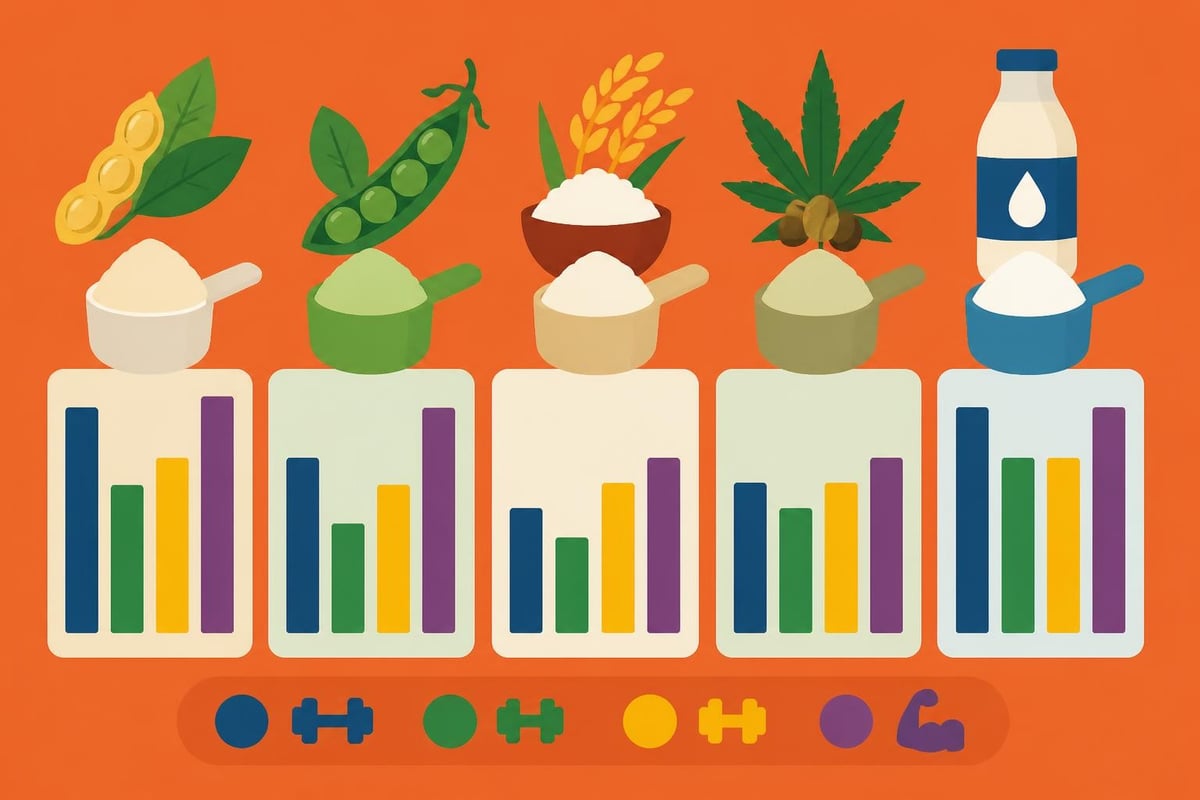
Soy protein isolate: complete amino acid profile, highest leucine content among plant sources
Pea protein: strong BCAA profile, pairs well with rice protein
Rice protein: complements pea protein for complete amino acid coverage
Hemp protein: contains omega-3s and fiber, lower protein concentration per serving
Thenutritional composition of various plant-based protein isolatesvaries significantly. Soy isolate consistently demonstrates the highest protein efficiency ratio among plant sources, which is whycomprehensive analyses of plant-based protein powdersshow soy dominating the rankings for lean protein delivery.
Your body doesn't care about marketing claims. It responds to amino acid availability, particularly leucine for muscle protein synthesis. Men focused on maintaining or building muscle mass need approximately 2.5-3 grams of leucine per serving. Most plant-based options require blending or higher serving sizes to hit that threshold.
Selecting the Right Plant-Based Protein Powder
The supplement industry thrives on confusion and overcomplicated product lines. Cut through it with clear standards.
Selection CriteriaWhat to Look ForWhy It MattersProtein per serving20-25g minimumMeets leucine threshold for muscle synthesisIngredient countUnder 8 ingredientsLess processing, fewer fillersSugar contentUnder 3g per servingMaintains metabolic flexibilityThird-party testingNSF, Informed Choice, or USP verifiedConfirms label accuracyProtein source blendSoy + pea or pea + riceComplete amino acid profile
Comparing plant-based and whey protein optionsreveals that the performance gap narrows significantly when total daily protein intake reaches 1.6-2.2 grams per kilogram of bodyweight. The powder is a tool, not a miracle. It fills gaps in your nutritional architecture. It provides convenience when whole food preparation isn't practical.
Digestibility and Absorption Factors
Plant-based protein powder digests differently than animal sources. This isn't a weakness. It's a variable you manage.
Factors affecting protein utilization:
Anti-nutritional factors: Phytates and tannins in some plant proteins can reduce mineral absorption. Processing methods like fermentation or sprouting mitigate this.
Fiber content: Higher fiber slows digestion, which can benefit satiety but may reduce immediate amino acid availability post-workout.
Digestive enzyme capacity: Some men experience better tolerance with plant proteins, particularly if dairy sensitivity is present.
Timing considerations: Plant proteins may benefit from slightly earlier pre-workout consumption due to slower digestion rates.
Theadvances in plant-based protein researchdemonstrate improved processing techniques that enhance bioavailability without compromising nutritional integrity. Companies using enzyme treatment and hydrolyzation produce plant proteins with digestibility scores approaching 95%, comparable to whey.
Integrating Plant-Based Protein Into Your Program
Supplementation without structure produces random results. You need a system.
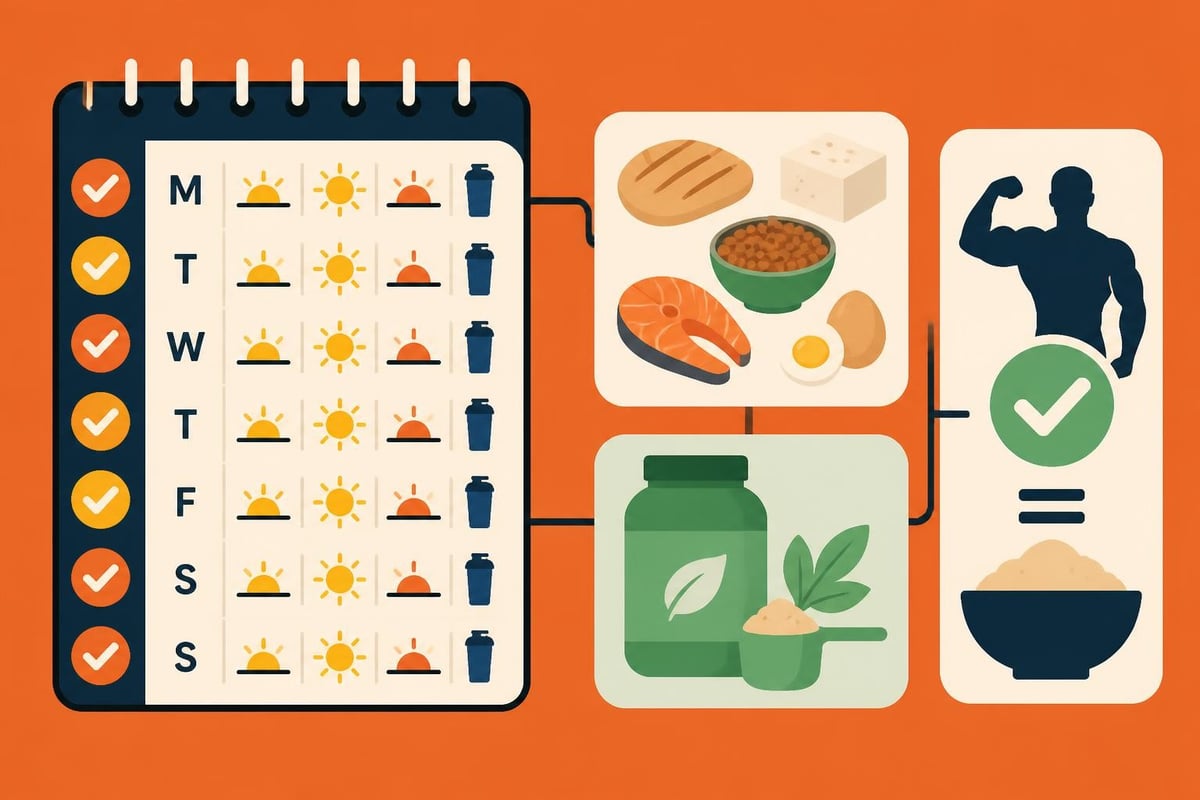
Daily protein distribution framework:
Morning: 30-40g protein from whole food (eggs, lean meat, or plant-based equivalent)
Post-training: 25-30g plant-based protein powder within 90 minutes
Midday meal: 40-50g protein from whole food sources
Evening meal: 40-50g protein from whole food sources
Optional pre-bed: 20-25g slow-digesting protein if total daily intake falls short
This structure ensures you hit the critical 1.6-2.2g per kilogram bodyweight threshold that supports muscle maintenance and growth. Men at 200 pounds need roughly 145-200 grams of protein daily, depending on training intensity and body composition goals. Plant-based protein powder simplifies hitting that target when work, family, and life compress your schedule.
Performance Applications and Training Phases
Your protein strategy should align with your training objectives. Different phases demand different approaches.
Muscle building phase (caloric surplus):
Protein intake: 2.0-2.2g per kg bodyweight
Plant-based powder servings: 1-2 daily
Timing priority: post-workout and before bed
Carbohydrate pairing: yes, to support training volume
Fat loss phase (caloric deficit):
Protein intake: 2.2-2.4g per kg bodyweight (higher to preserve muscle)
Plant-based powder servings: 2-3 daily
Timing priority: between meals to manage hunger
Carbohydrate pairing: minimal, prioritize around training
Maintenance phase:
Protein intake: 1.6-1.8g per kg bodyweight
Plant-based powder servings: 1 daily as needed
Timing priority: convenience-based
Carbohydrate pairing: balanced with overall diet
Thebest vegan protein powder optionsreviewed by dietitians consistently emphasize matching the product to your specific phase and goals rather than following generic recommendations.
Common Implementation Failures and Corrections
Most men fail with plant-based protein powder because they treat it as a magic solution instead of a tactical tool. They buy the product, use it inconsistently, then blame the supplement when results don't materialize.
Failure Point One: Inconsistent Daily Protein Totals
You can't hit your protein target four days a week and expect continuous progress. Your body requires consistent amino acid availability to maintain muscle tissue, especially in a caloric deficit. Tracking total daily protein intake isn't optional. It's foundational.
Correction protocol:
Log your food for 14 consecutive days without changing behavior
Calculate average daily protein intake
Identify the gap between current intake and target
Add plant-based protein powder servings to close that gap
Reassess every 30 days
Failure Point Two: Ignoring Whole Food Priority
Plant-based protein powder supplements whole food nutrition. It doesn't replace it. Men who rely on three shakes daily and minimal whole food protein sources compromise their micronutrient intake, digestive health, and long-term adherence.
Protein Source TypeDaily PercentageRationaleWhole food (animal or plant)60-75%Provides complete nutrition, satiety, meal satisfactionPlant-based powder25-40%Fills gaps, provides convenience, ensures daily totals
Whole foods deliver nutrients, fiber, and satiety that isolated protein cannot match. Your plant-based protein powder serves best when it covers the gap between what you can practically prepare and what your body requires.
Failure Point Three: No Accountability Structure
Nutrition without accountability is just intention. Most men know what they should do. They lack the external structure to maintain consistency when motivation fades, when work pressure spikes, when family demands override everything else.
If you're serious about building strength, losing fat, and leading by example, structure matters more than information. TheGroup Coaching Communityat The Father Forge provides weekly accountability calls and brotherhood built specifically for fathers over 35 who need more than another app or generic program.
Plant-Based Protein and Long-Term Health Considerations
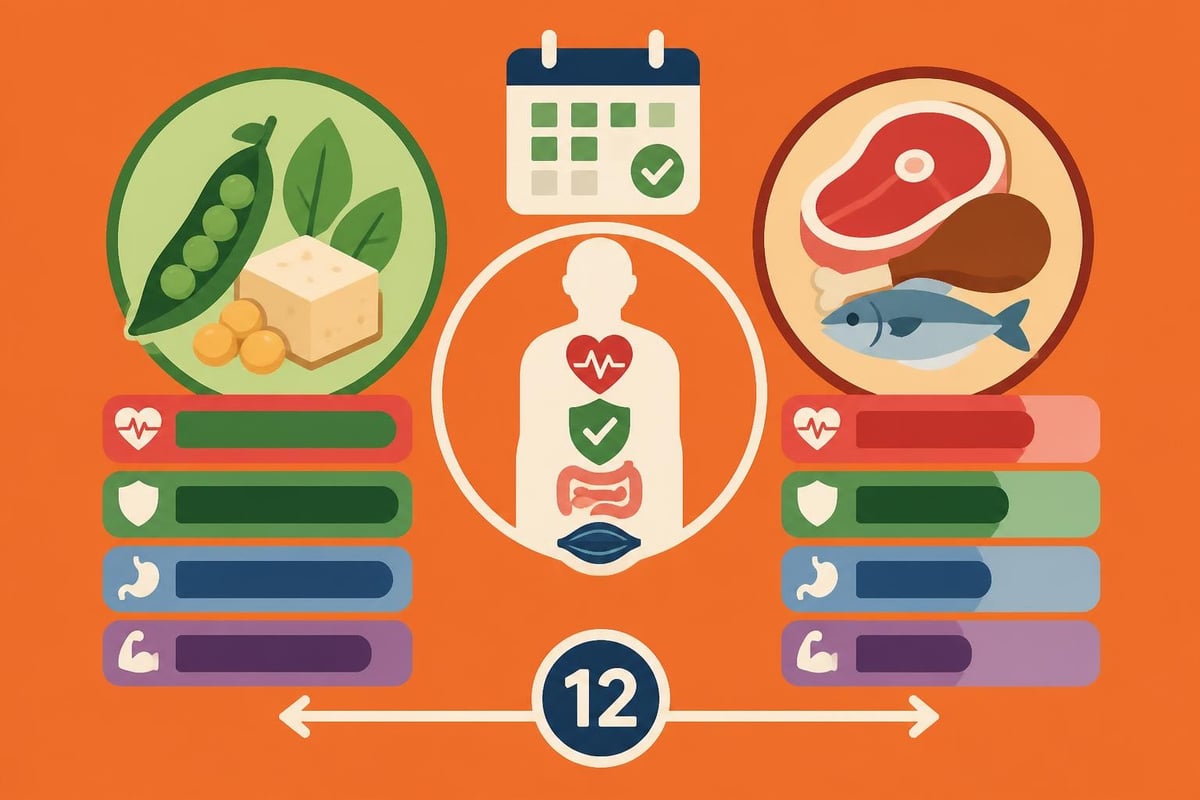
Thehealth implications of plant-based protein sourcesextend beyond muscle synthesis. Men over 35 face different health landscapes than younger counterparts. Cardiovascular health, inflammation management, and metabolic flexibility become increasingly important.
Cardiovascular benefits:
Lower saturated fat intake compared to some animal protein sources
Fiber content supports healthy cholesterol levels
Reduced inflammatory markers in long-term consumption studies
No impact on kidney function in healthy individuals at recommended intake levels
Digestive health factors:
Prebiotic fiber in some plant proteins supports gut microbiome
Lower incidence of digestive distress compared to dairy-based proteins for lactose-sensitive individuals
Enzyme-treated options provide excellent digestibility without bloating
Environmental consideration:
Significantly lower resource consumption compared to animal protein production
Aligns with sustainability values without compromising performance
Supports companies likeTinc, which prioritizes eco-friendly products and conscious living practices
The research doesn't show plant-based protein as universally superior to animal sources for muscle building. It shows equivalent results when total intake and amino acid profiles are matched. The choice comes down to individual tolerance, values, and practical implementation.
Practical Preparation and Usage Protocols
Plant-based protein powder works when you eliminate decision fatigue around its use. Create systems that don't require willpower.
Preparation systems that work:
Batch prep serving containers: Pre-measure servings into small containers or bags Sunday evening. Grab and go throughout the week.
Dedicated blender bottle at work: Keep a shaker bottle, serving scoop, and backup powder container in your desk or locker.
Post-workout protocol: Consume within 90 minutes of training completion. Set a phone reminder if needed.
Travel preparation: Pack individual servings in sealed bags. Most plant-based powders mix reasonably well with just water and shaking.
Flavor rotation: Buy 2-3 flavor options. Rotate weekly to prevent taste fatigue.
Mixing and consumption methods:
Basic shake: 1 serving powder + 8-12 oz water or unsweetened almond milk
Enhanced shake: powder + banana + 1 tbsp almond butter + ice + unsweetened milk
Oatmeal addition: Mix powder into cooked oatmeal for combined protein and carbohydrates
Baking integration: Add to pancake batter, muffin recipes (reduces protein bioavailability slightly but increases palatability)
Some men find plant-based protein powder chalky or gritty compared to whey. That's often a brand or processing quality issue. Higher-quality isolates blend smoothly. If texture bothers you, try different brands before abandoning the category entirely.
Performance Metrics and Progress Tracking
You cannot improve what you don't measure. Your plant-based protein supplementation should tie directly to trackable performance outcomes.
Metrics that matter:
Body composition changes (scale weight is insufficient; measure circumferences monthly)
Training performance (weight lifted, repetitions completed, workout density)
Recovery markers (subjective energy levels, sleep quality, muscle soreness duration)
Digestive response (bloating, gas, regularity)
Adherence rate (percentage of days hitting protein target)
Track these metrics every 30 days. Compare 90-day trends, not week-to-week fluctuations. Your body responds to consistent input over time, not perfect execution over short bursts.
Men often overcomplicate tracking or abandon it entirely after a few days. Use simple tools: a notes app, a basic spreadsheet, or a dedicated journal. The method matters less than the consistency.
Integration with Complete Lifestyle Architecture
Plant-based protein powder represents one tool in a complete system. Isolated nutrition changes produce limited results without corresponding attention to training intensity, sleep quality, stress management, and accountability structures.
The complete framework:
Training: Progressive overload in resistance training 3-5 days weekly
Nutrition: Daily protein target met through whole foods and strategic supplementation
Recovery: 7-8 hours quality sleep, active recovery protocols
Mindset: Leadership-first mentality, accountability to standards
Brotherhood: Connection with other men pursuing similar objectives
Men operating without this framework chase individual tactics without strategic coherence. They implement plant-based protein powder, see modest results, then add another supplement, another program, another quick fix. That's not leadership. That's reactive behavior.
If you need structure built specifically for your situation,The Father Forgecreates custom fitness and mindset programs for fathers over 35. The approach integrates training, nutrition, and accountability into a single coherent system rather than disconnected interventions.
The martial arts community understands systematic development better than most fitness subcultures. Consistent practice, clear standards, progressive difficulty, and rank advancement all mirror effective fitness programming. Tools likeMatSynchelp martial arts academies track student progress and maintain accountability, principles that apply equally to personal fitness development.
Addressing Common Concerns and Objections
"Plant protein doesn't build muscle as well as whey."
False when total daily protein and leucine intake are matched. The research is clear. The difference lies in convenience and taste preference, not anabolic potential.
"It's too expensive compared to whey."
Price per serving varies widely by brand. Quality soy and pea protein isolates cost comparably to mid-tier whey options. Calculate cost per gram of protein, not cost per container.
"The taste is terrible."
Brand-dependent. Quality has improved significantly in the past five years. Try three different brands before concluding plant-based protein doesn't work for you.
"I'll get enough protein from food."
Probably not if you're training hard and haven't tracked intake. Most men overestimate their protein consumption by 30-40% when actual logging is compared to estimates.
"Real men eat meat."
Leadership means making decisions based on results and personal values, not performative masculinity. Your protein source doesn't determine your capacity to lead, protect, and provide for your family.
Plant-based protein powder delivers results when integrated into a complete system built on accountability, consistency, and clear standards. The source of your protein matters less than hitting your daily targets and maintaining that discipline across months and years.The Father Forgebuilds custom programs that eliminate guesswork and provide the accountability structure most men lack, helping you lead yourself and your family from a position of strength rather than good intentions.