Peptides vs TRT: Which Path Builds Real Strength?
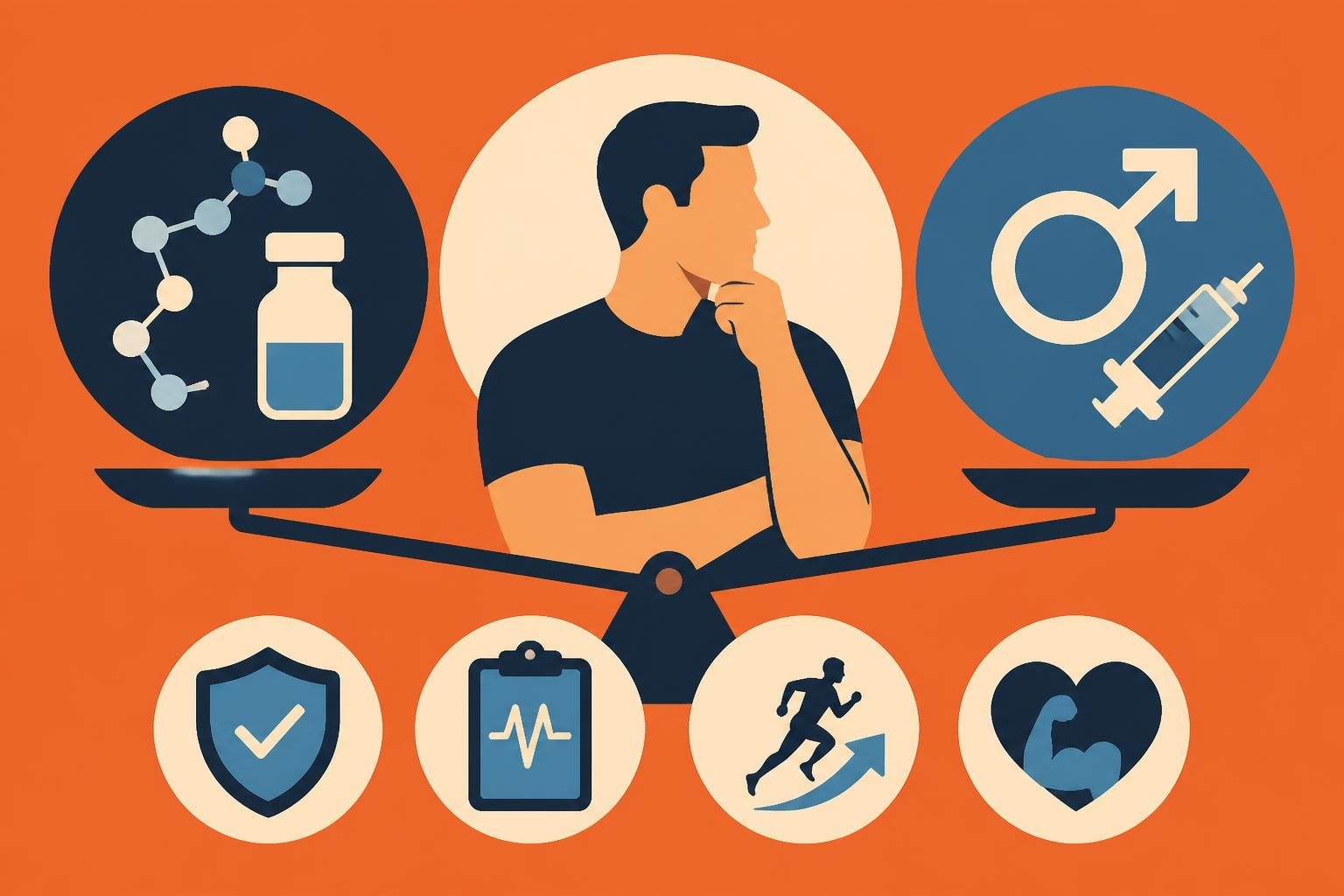
Men over 35 face a crossroads when performance drops and recovery stalls. The conversation about peptides vs TRT surfaces immediately, and most guys walk into it armed with forum posts and influencer promises instead of facts. This is a leadership failure, not an information problem. You need to understand what each intervention actually does, what risks you accept, and whether you're solving the real issue or masking poor habits with chemistry. The stakes are your long-term health, your marriage, your ability to lead your household. This article lays out the terrain so you can make an informed decision grounded in evidence, not hope.
What Testosterone Replacement Therapy Actually Does
TRT restores serum testosterone to physiological range in men diagnosed with clinical hypogonadism. It is not a performance enhancer when used correctly; it is hormone replacement for a documented deficiency. You get diagnosed through multiple blood draws showing consistently low total and free testosterone, accompanied by symptoms: fatigue, loss of libido, difficulty building muscle, brain fog, irritability.
The Medical Standard for TRT
The Endocrine Society's clinical practice guidelines require two morning measurements below 300 ng/dL alongside confirmed symptoms before prescribing TRT. This is not arbitrary gatekeeping. It is the difference between treating disease and injecting hormones for convenience.
Key requirements for legitimate TRT:
Two fasting morning blood draws (testosterone peaks early)
Total testosterone below 300 ng/dL on both tests
Symptoms consistent with hypogonadism (not just "feeling tired")
Ruling out secondary causes (sleep apnea, obesity, medications)
Ongoing monitoring of hematocrit, PSA, lipids, and estradiol
TRT protocols include weekly or biweekly injections, transdermal gels, or subcutaneous pellets. The goal is stable levels within normal range, not supraphysiological peaks. You are replacing what your body stopped producing adequately.
Risks You Accept on TRT
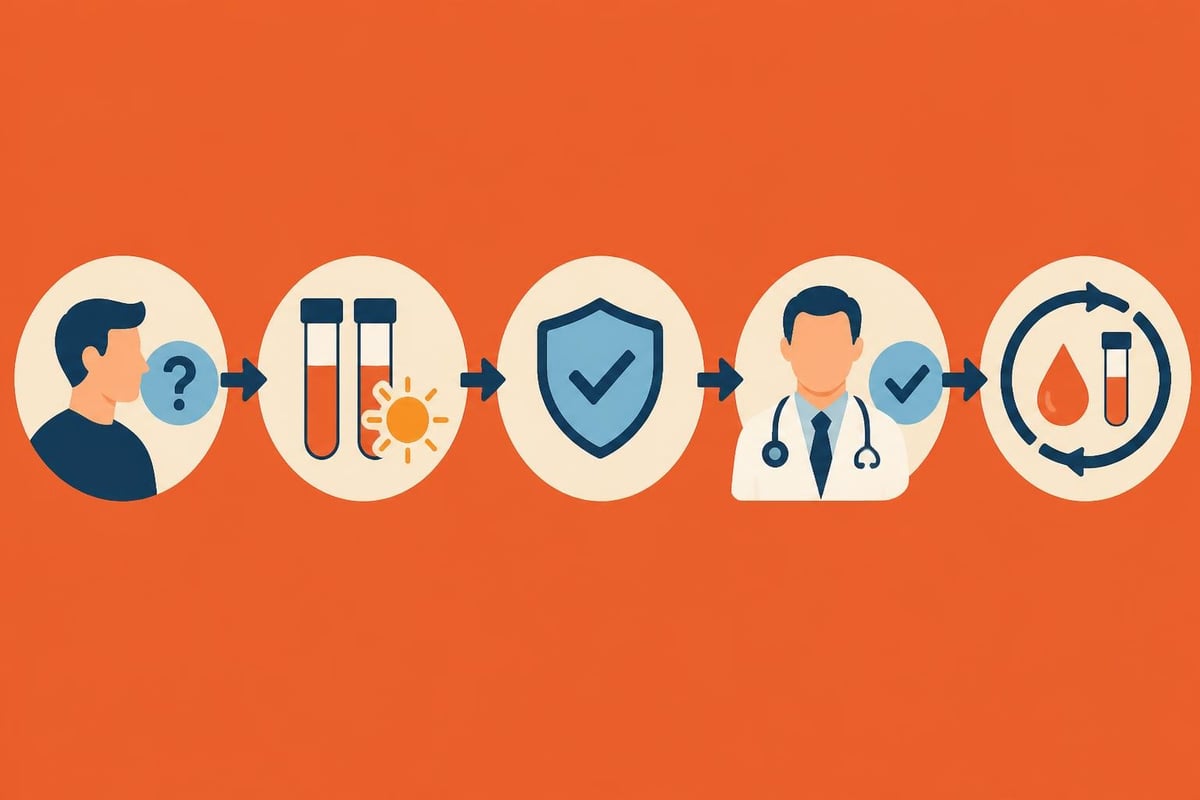
No intervention is free. TRT suppresses your natural production via negative feedback on the hypothalamic-pituitary-gonadal axis. Stop TRT abruptly, and you crash harder than baseline. Fertility drops because exogenous testosterone shuts down FSH and LH. Cardiovascular considerations remain under active study, with some data suggesting increased hematocrit and potential thrombotic risk in certain populations.
Risk Category | Specific Concern | Mitigation Strategy |
|---|---|---|
Fertility | Suppressed sperm production | HCG co-administration, freeze sperm beforehand |
Cardiovascular | Elevated hematocrit, clotting risk | Regular blood donation, dose adjustment |
Prostate | PSA elevation, BPH symptoms | Quarterly PSA monitoring, urological consult |
Metabolic | Aromatization to estradiol | Estradiol monitoring, AI if clinically indicated |
Dependency | Shutdown of natural production | Realistic expectation: likely lifelong commitment |
You do not dabble in TRT. You commit to medical supervision, regular blood work, and the understanding that stopping may require PCT (post-cycle therapy) or acceptance of prolonged low testosterone until recovery.
How Peptides Differ from Testosterone
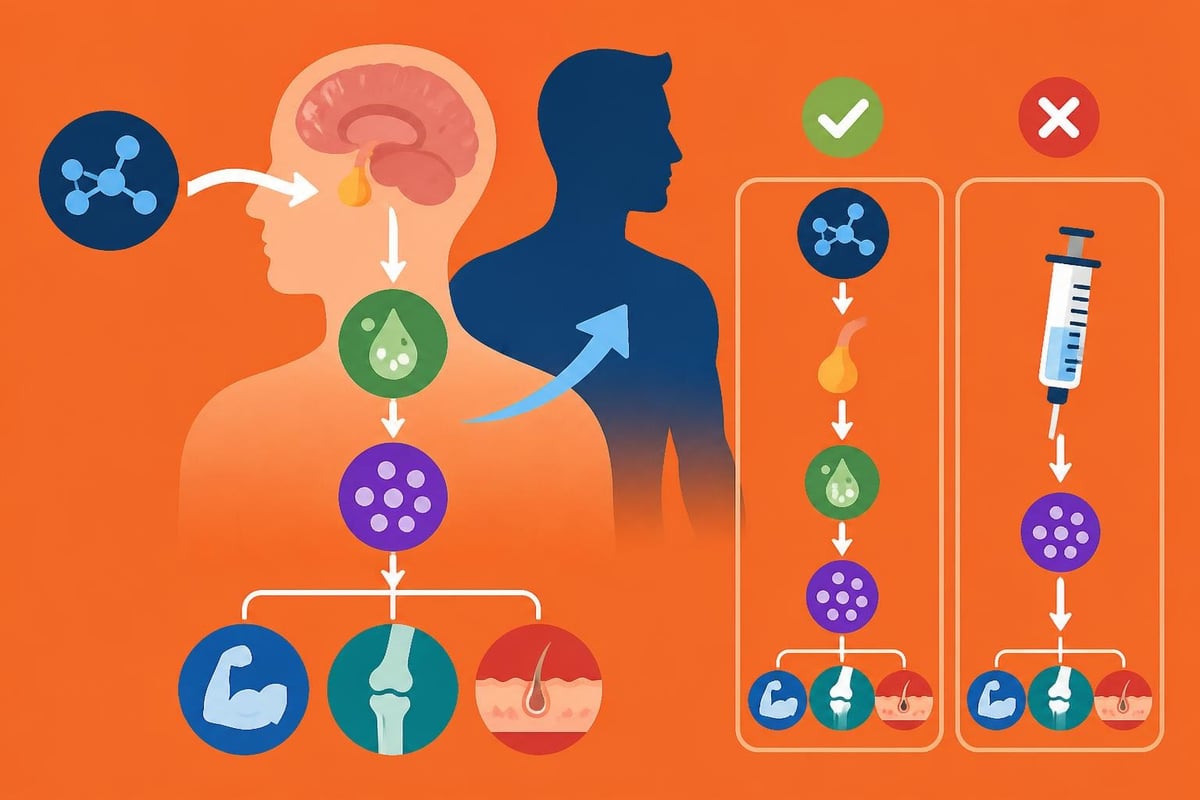
Peptides are short chains of amino acids that signal specific biological pathways. In the context of performance and recovery, the peptides most men discuss modulate growth hormone release, tissue repair, or metabolic function. Unlike TRT, peptides do not replace a missing hormone; they amplify or trigger endogenous processes.
Common Performance-Focused Peptides
Growth hormone secretagogues like sermorelin, ipamorelin, CJC-1295, and tesamorelin stimulate the pituitary to release more GH. The research on GH-axis peptides shows potential benefits in recovery, body composition, and sleep quality, but also highlights inconsistent clinical evidence and significant self-administration risks.
BPC-157 and TB-500 are promoted for tissue repair and injury recovery, although human clinical trials remain sparse. Most evidence is rodent-based or anecdotal.
Mechanism differences:
TRT replaces testosterone directly in the bloodstream
Peptides trigger your body to produce or release hormones/growth factors
Peptides often require more frequent dosing (daily or multiple times daily)
Peptide effects are less predictable because they depend on your endogenous response capacity
The appeal is obvious: peptides promise gains without shutting down your natural testosterone. The reality is murkier. Peptide quality varies wildly in the unregulated market, dosing is not standardized, and long-term safety data in healthy men is thin.
Peptides vs TRT: Direct Comparison for Real-World Decisions
When men weigh peptides vs TRT, they are usually asking which delivers better muscle growth, faster recovery, or higher energy with fewer downsides. That question assumes both are appropriate interventions for your situation. Most of the time, neither is the right first move.
Efficacy and Evidence Base
Factor | TRT | Peptides |
|---|---|---|
Clinical evidence | Decades of research, FDA-approved for hypogonadism | Limited human trials; most peptides not FDA-approved for performance |
Muscle growth | Significant in hypogonadal men returning to normal range | Modest, inconsistent; dependent on GH response and baseline |
Fat loss | Moderate, especially visceral fat | Variable; some GH secretagogues may improve body composition |
Recovery | Improved via muscle protein synthesis and nitrogen retention | Anecdotal benefits; tissue-repair peptides lack robust clinical proof |
Energy/libido | Dramatic improvement in deficient men | Minimal direct effect; secondary to improved sleep or recovery |
Predictability | Dose-response well understood | Highly individual; response varies widely |
TRT works when you have low testosterone. It does not work beyond restoring normal levels. Peptides may offer marginal benefits even in men with normal hormone levels, but the magnitude is often exaggerated and the risks downplayed.
Regulation and Legal Status
TRT is a controlled substance (Schedule III) when prescribed for legitimate medical use. Off-label or unsupervised use is illegal and medically reckless.
Peptides occupy a gray zone. Many are not approved by the FDA for human use outside clinical trials. Some fall under the World Anti-Doping Agency's prohibited list, which bans GH secretagogues and tissue-repair peptides in competitive sports. Buying peptides from research chemical suppliers or overseas sources exposes you to contamination, incorrect dosing, and legal risk.
You cannot optimize what you refuse to measure or regulate properly.
The Leadership Question Underneath the Peptides vs TRT Debate
Most men researching peptides vs TRT are not hormone-deficient. They are under-recovered, under-nourished, under-slept, and looking for chemistry to compensate for a failure in discipline. If you are getting five hours of sleep, eating 120 grams of protein on a 2,200-calorie diet, and training six days a week without deloads, no peptide or TRT protocol will fix the underlying problem.
What to Fix First
Sleep: Eight hours minimum. Non-negotiable. Poor sleep tanks testosterone, GH release, insulin sensitivity, and recovery. You do not add compounds when your circadian rhythm is destroyed.
Nutrition: One gram of protein per pound of goal bodyweight, whole foods, caloric intake matched to goals. Chronic under-eating or reliance on processed junk sabotages every hormone axis.
Training program: Periodization, progressive overload, deload weeks. Random high-intensity chaos does not build strength; it accumulates fatigue and cortisol.
Stress management: Chronic stress elevates cortisol, which suppresses testosterone and GH. If your marriage is a war zone and your job owns you, peptides will not restore your vitality.
If you are a father over 35 seeking accountability and structure around these fundamentals, group coaching at The Father Forge provides the brotherhood and weekly calls that keep you honest when discipline wanes.
When Intervention Is Appropriate
After optimizing behavior for six months and still facing documented low testosterone with symptoms, TRT becomes a legitimate medical conversation. You pursue it through a physician who monitors labs quarterly and adjusts dosing based on bloodwork, not feel.
Peptides may have a role in advanced athletes with specific recovery demands, but only under medical supervision with clear goals and realistic expectations. The advances in peptide therapeutics show promise in targeted applications, but that science has not translated into reliable off-label use for general performance enhancement.
The prioritization framework before considering peptides or TRT: sleep optimization, nutrition correction, training periodization, stress management, blood work validation, and medical consultation sequence
Risks Both Options Share
Whether you choose peptides vs TRT, you accept certain universal risks when manipulating hormones or signaling pathways.
Dependency: Relying on external compounds to feel normal creates psychological and physiological dependence
Cost: Both require ongoing expense, medical monitoring, and time
Unknown long-term effects: Peptide safety data beyond a few years is sparse; TRT in older men is better studied but still carries unknowns
Opportunity cost: Money and focus spent on compounds could go toward coaching, quality food, or marriage counseling
The Ethical Dimension
Using performance enhancers while claiming natural status is a lie. If you compete in drug-tested sports, peptides and TRT are prohibited. If you coach others or lead a household, modeling integrity means disclosing what you use and why. Hiding compounds while preaching discipline is hypocrisy.
Your sons watch how you navigate shortcuts. The leadership lesson is whether you solve hard problems through effort and accountability or through chemistry and shortcuts.
Monitoring and Medical Supervision
Neither peptides nor TRT should be self-administered without medical oversight. You need baseline labs, follow-up testing, and a physician who understands endocrinology and male health.
Essential blood markers to track:
Total and free testosterone
Estradiol (E2)
SHBG (sex hormone-binding globulin)
LH and FSH (to assess axis suppression)
Hematocrit and hemoglobin (clotting risk)
Lipid panel (cardiovascular risk)
PSA (prostate health)
IGF-1 (if using GH secretagogues)
Comprehensive metabolic panel (liver, kidney function)
Frequency depends on protocol, but quarterly during the first year is standard. You adjust based on symptoms and lab trends, not on how you feel in the gym one week.
Alternative Paths to Hormonal Health
Before diving into peptides vs TRT, exhaust natural optimization. This is not motivational fluff; it is the diagnostic pathway that reveals whether you have a medical issue or a behavior issue.
Evidence-Based Natural Interventions
Resistance training: Heavy compound lifts (squat, deadlift, press) 3-4 times per week drive testosterone and GH release
Body composition: Losing excess body fat improves testosterone; obesity increases aromatization to estrogen
Micronutrients: Zinc, magnesium, vitamin D deficiencies directly impair testosterone production
Sunlight and circadian alignment: Morning light exposure and consistent sleep-wake times regulate hormonal rhythms
Alcohol reduction: Chronic drinking suppresses the HPG axis and damages testicular function
Run this protocol for six months with genuine adherence. Track your lifts, sleep, and body composition. Get blood work at the start and end. If testosterone remains low despite optimization, you have diagnostic clarity. If it normalizes, you saved yourself years of injections.
The Cost-Benefit Calculation
Peptides vs TRT is ultimately a cost-benefit decision unique to your health status, goals, and willingness to accept risk.
Consideration | TRT | Peptides |
|---|---|---|
Monthly cost | $100-$300 (prescription, labs, physician) | $200-$600 (unregulated sources, dosing variability) |
Time investment | Weekly injections, quarterly labs | Daily dosing, less monitoring (higher risk) |
Reversibility | Difficult; natural production may not recover | Easier to stop, but benefits cease immediately |
Medical support | Required for legal use | Often absent; users self-dose |
Long-term data | Moderate (decades of use, ongoing studies) | Sparse (animal models, short human trials) |
Appropriateness | Men with diagnosed hypogonadism | Unclear; marginal benefit in healthy men |
If you have low testosterone confirmed by labs and symptoms, TRT under physician care is a defensible medical decision. If you are chasing an edge with normal hormones, you are paying for risk with minimal validated return.
What Serious Men Do Instead
The men who build lasting strength, lead their families well, and stay healthy into their 60s and beyond do not rely on compounds as a foundation. They build systems, not dependency.
They prioritize:
Consistent sleep schedules over late-night doom scrolling
Whole-food nutrition over convenience and supplements
Progressive strength training over program hopping
Marriage investment over gym escapism
Stress management and prayer or meditation over chronic cortisol
They measure what matters: body composition, lift PRs, energy levels, relationship quality, time with their kids. They get annual blood work to catch problems early. They seek medical care when needed and do not pretend internet research replaces a physician's expertise.
When they do use TRT, it is because they have a medical diagnosis and a plan, not because they want to look better shirtless at 45.
The peptides vs TRT debate is a distraction until you have exhausted discipline, optimized behavior, and confirmed through bloodwork that you have a medical issue worth treating. Most men need accountability and structure, not hormones. The Father Forge builds custom fitness and mindset programs that address the real gaps: mental resilience, emotional balance, and the growth mindset required for self-mastery. If you are ready to lead your household from strength instead of shortcuts, start there.