Peptides for Muscle Growth: Evidence and Accountability
The conversation around peptides for muscle growth has shifted from underground bodybuilding forums to mainstream fitness circles. Fathers over 35 are hearing about growth hormone secretagogues, recovery peptides, and performance compounds from training partners, social media, and even their physicians. But understanding what peptides actually do, who needs them, and when they're worth considering requires cutting through marketing noise and facing the biological reality of muscle growth. This is not about shortcuts. It's about understanding the tools available, the trade-offs they carry, and whether your current training environment justifies their use.
What Peptides Are and How They Function
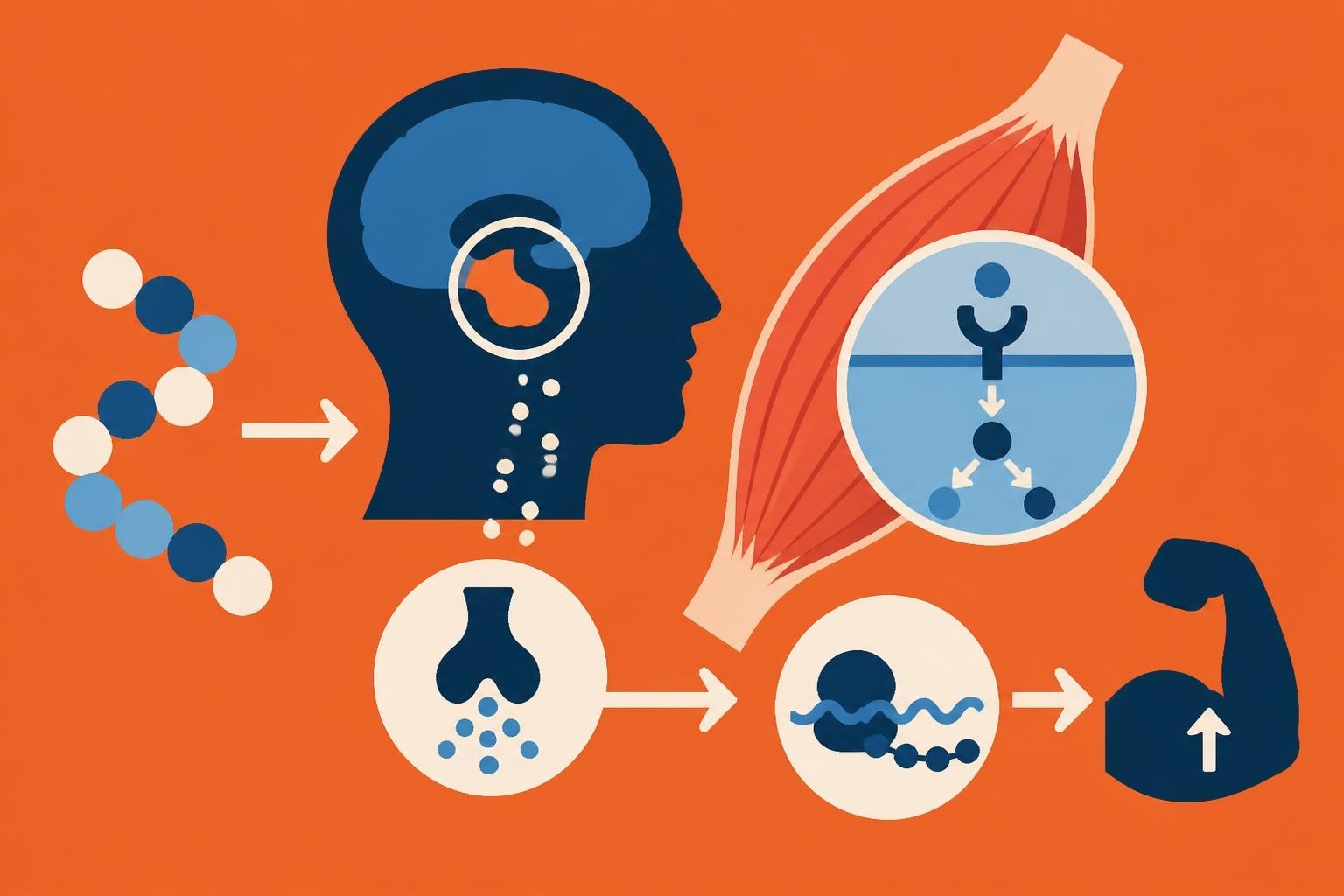
Peptides are short chains of amino acids that signal specific biological processes in your body. Unlike proteins, which contain hundreds or thousands of amino acids, peptides typically contain between two and fifty. This smaller structure allows them to act as messengers, triggering hormone release, protein synthesis, or tissue repair without being broken down as quickly as larger molecules.
Understanding peptidesbegins with recognizing they're already present in your body. Your pituitary gland releases growth hormone-releasing peptides naturally. Your muscles produce signaling peptides during recovery. The peptides being discussed for muscle growth are synthetic versions designed to amplify these existing pathways.
The Mechanism Behind Muscle Growth Peptides
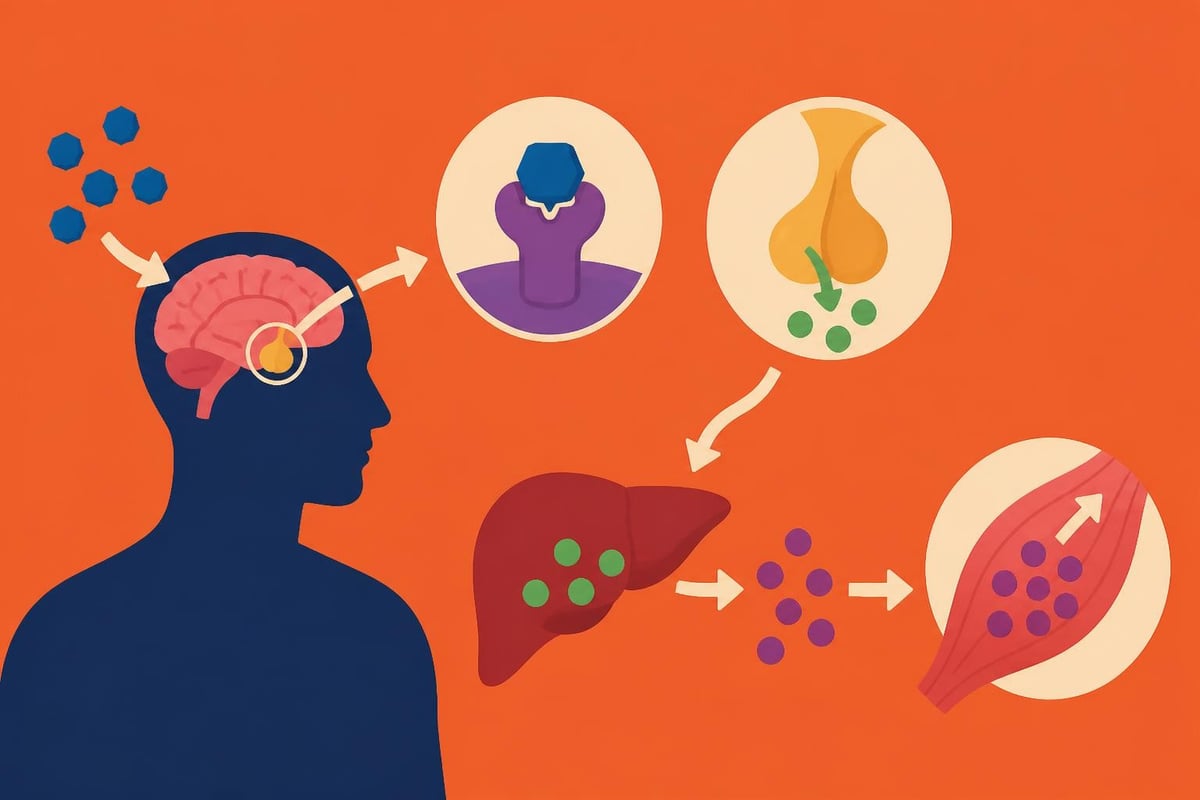
When you introduce specific peptides, you're activating growth hormone secretion or directly stimulating muscle protein synthesis. Growth hormone secretagogues like CJC-1295 or ipamorelin bind to receptors in the pituitary gland, prompting your body to release more growth hormone than it would naturally produce. This increased growth hormone then triggers IGF-1 production in the liver, which directly supports muscle tissue growth and repair.
Other peptides work differently:
BPC-157accelerates healing in damaged muscle tissue and connective tissue
TB-500promotes new blood vessel formation and cell migration to injury sites
Collagen peptidesprovide building blocks for connective tissue repair
GHRP-6stimulates appetite alongside growth hormone release
The key distinction is between peptides that trigger hormonal cascades and those that provide direct structural or healing benefits. Neither category builds muscle without the environmental pressure of progressive overload training.
The Evidence for Peptides and Muscle Growth
Clinical research on peptides for muscle growthshows measurable effects in specific populations under controlled conditions. Studies on growth hormone-releasing peptides demonstrate increased lean body mass in aging adults and improved recovery markers in athletes. But the context matters more than the results.
Most peptide research focuses on populations with genuine deficiencies: older adults with declining growth hormone production, patients recovering from surgery or injury, or individuals with diagnosed hormone disorders. The leap from "this helps a 65-year-old maintain muscle mass" to "this will help a 40-year-old father add size" ignores the difference between restoration and enhancement.
Peptide TypePrimary MechanismResearch SupportIdeal Use CaseGrowth Hormone SecretagoguesStimulate GH releaseModerate in aging populationsRecovery from injury, diagnosed deficiencyHealing PeptidesAccelerate tissue repairStrong for injury recoveryTendon/ligament damage, surgical recoveryCollagen PeptidesProvide structural building blocksStrong for joint healthConnective tissue support, joint painDirect Muscle PeptidesStimulate protein synthesisLimited human studiesExperimental, research phase
The scientific evidenceshows peptides can influence muscle growth pathways. What it doesn't show is that peptides overcome poor training, inadequate protein intake, or insufficient sleep. The environment determines whether the signal gets translated into actual tissue change.
What the Data Shows About Real-World Results
When peptides for muscle growth are studied in controlled settings, participants follow structured training programs, maintain consistent nutrition, and receive medical supervision. Remove any of those variables and the results change dramatically. A peptide that increases growth hormone by 40% means nothing if you're not creating the mechanical tension that tells your body where to direct that growth response.
The rising trend of peptide use has prompted regulatory scrutiny, particularly around compounds marketed for anti-aging or athletic performance.Recent discussions on peptide safetyhighlight the gap between social media claims and clinical evidence. The FDA does not approve peptides for muscle building in healthy adults, which means most use occurs in a gray market without standardized dosing, purity testing, or medical oversight.
Who Should Consider Peptides for Muscle Growth
The question is not whether peptides work. The question is whether they address the actual limitation in your progress. Most fathers struggling to build muscle are not limited by growth hormone production. They're limited by inconsistent training, inadequate protein timing, poor sleep quality, or unmanaged stress that keeps cortisol elevated.
The Diagnostic Questions
Before considering peptides, answer these without hedging:
Have you trained with progressive overload for at least 12 consecutive months?
Do you consume 1 gram of protein per pound of body weight daily?
Are you sleeping 7-8 hours nightly with consistent bed and wake times?
Is your training age sufficient that natural progress has genuinely plateaued?
Have you addressed stress, alcohol intake, and recovery practices?
If you answered no to any of these, peptides are not your limitation. Your environment is. Adding a signaling molecule to a system that lacks the foundation to respond to signals wastes resources and avoids the real work.
For men over 40 who have built that foundation and face legitimate recovery challenges, peptides may offer specific benefits. A father managing work stress, family obligations, and training may recover slower than he did at 30.Understanding peptide applications in bodybuildingshows they can support recovery in experienced lifters facing age-related limitations, but only when the baseline practices are already in place.

The Risks and Trade-Offs Nobody Mentions
Every intervention carries costs. Peptides for muscle growth come with side effects, financial expense, and the risk of dependency on external tools rather than building internal capacity. The common side effects include water retention, joint pain, numbness in extremities, and increased hunger. More concerning are the effects you don't feel immediately: altered insulin sensitivity, potential tumor growth in at-risk individuals, and disrupted natural hormone production.
The financial cost runs $200-500 monthly for legitimate, pharmacy-grade peptides with proper ancillary support. The gray market offers cheaper alternatives with zero quality control, which introduces contamination risk and dosing inconsistency. This is not a casual decision or a supplement you add to your morning routine.
The Psychological Trade-Off
When you introduce external tools before maximizing internal capacity, you create a dependency that undermines self-mastery. The father who turns to peptides before he's mastered sleep hygiene, stress management, and training consistency is training himself to look outside for solutions to problems that require internal change. This pattern extends beyond the gym into every leadership domain you face.
The men who benefit from peptides are the ones who have already built the discipline, consistency, and environmental control that makes them unnecessary for most people. They use peptides as a specific tool for a specific problem after exhausting the fundamentals. That's a different calculation than using them to compensate for gaps in accountability.
How Peptides Fit Into Serious Training Programs
If you've met the diagnostic criteria and understand the trade-offs, peptides can support specific training goals within a structured program. This is not about maximizing muscle growth. It's about supporting recovery capacity so you can maintain training volume while managing life stress that would otherwise force deloads or missed sessions.
Practical Implementation Framework
Peptide selection should match your specific limitation:
Growth hormone secretagogues for fathers with diagnosed low IGF-1 and recovery issues
Healing peptides for chronic tendon or ligament issues preventing progressive overload
Collagen peptides for joint support in high-volume training phases
Combined protocols only under medical supervision with regular blood work
Dosing and timing protocols require precision:
Establish baseline hormone levels through comprehensive blood work
Start with conservative doses to assess individual response
Time administration around training and sleep for maximum effect
Monitor subjective recovery markers and objective performance data
Cycle on and off to prevent receptor desensitization
Reassess blood markers every 12 weeks minimum
TheGroup Coaching Communityprovides the accountability structure that ensures peptide use stays connected to performance outcomes rather than becoming a psychological crutch. Weekly check-ins force you to justify continued use with measurable progress, not just feelings or assumptions.
The Training Environment That Makes Peptides Relevant
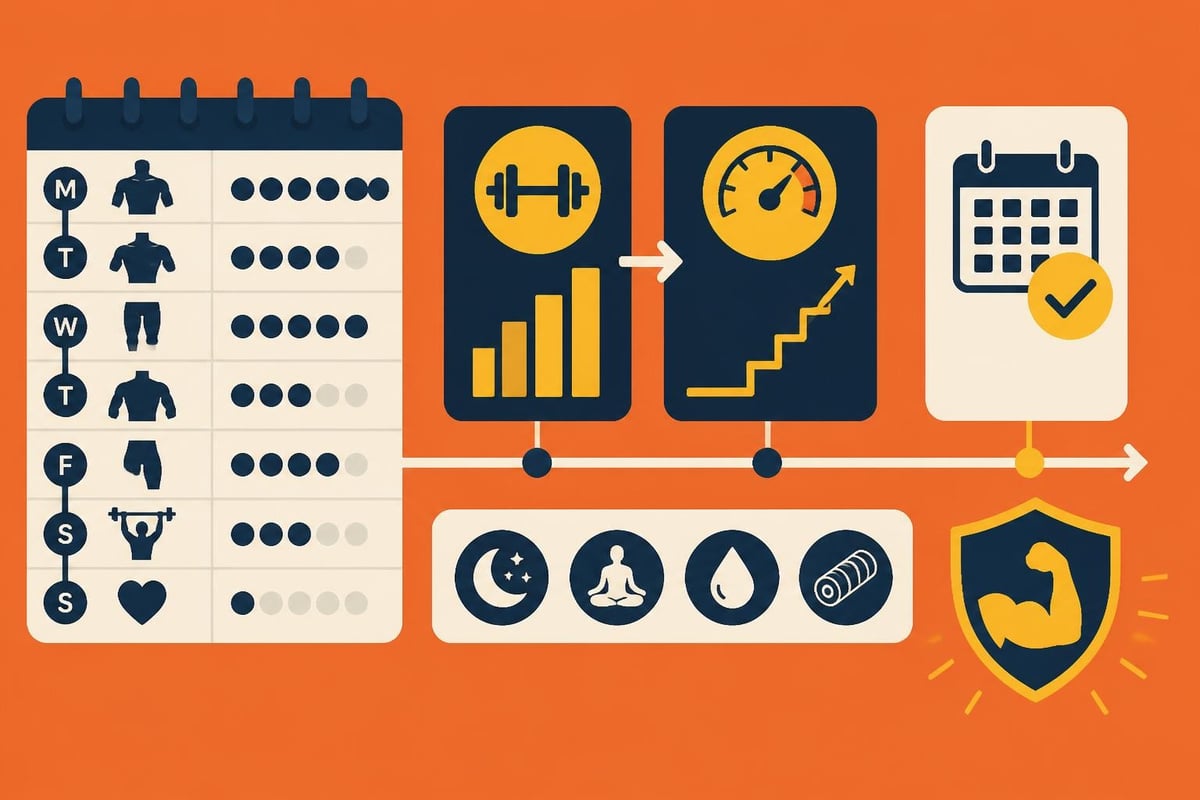
Peptides amplify the signal your training sends. If your training signal is weak or inconsistent, amplification does nothing. The fathers who see legitimate benefits from peptides for muscle growth are running programs with these characteristics:
Volume and intensity are both optimized:
12-20 sets per muscle group weekly
Training within 2-3 reps of failure on key movements
Progressive overload tracked session to session
Strategic deload weeks built into programming
Nutrition supports the hormonal environment:
Protein intake at 1-1.2g per pound body weight
Carbohydrates timed around training for performance and recovery
Healthy fats supporting hormone production
Caloric surplus or maintenance depending on body composition goals
Recovery practices are non-negotiable:
7-8 hours of quality sleep nightly
Stress management through breath work or meditation
Strategic rest days preventing overtraining
Soft tissue work addressing movement limitations
Training VariableWithout PeptidesWith PeptidesRecovery between sessions48-72 hours36-48 hours potentialStrength progression rate2-5% monthly3-7% monthly potentialJoint stress toleranceModerateImproved with healing peptidesProtein synthesis windowStandardExtended durationTraining volume capacityBaseline10-15% increase potential
The benefit is not dramatic. It's marginal improvement in recovery capacity that allows slightly more volume over time. For a father training 4-5 days weekly while managing work and family, that marginal improvement might mean the difference between maintaining progress or sliding backward. For someone training inconsistently, it means nothing.
The Accountability Standard That Justifies Use
Peptides for muscle growth are justified only when three conditions exist simultaneously: you've maximized natural capacity, you have specific measurable goals, and you've built the accountability structure to ensure proper use. Without all three, you're using a tool you haven't earned and don't need.
The accountability piece is what most men skip. They research peptides, order from a supplier, and start injecting without establishing the tracking systems that determine whether the intervention is working. This violates every principle of intelligent training progression.
Building the Tracking Framework
Before starting peptides, establish baseline metrics:
Body composition via DEXA scan or consistent caliper measurements
Strength standards on key lifts tracked weekly
Recovery markers including resting heart rate and HRV
Sleep quality metrics through tracking device
Subjective recovery scores logged daily
During peptide use, track response variables:
Changes in body composition every 4 weeks
Strength progression compared to pre-peptide baseline
Recovery time between sessions
Side effects or adverse reactions
Blood work results every 12 weeks
If you're unwilling to invest in this level of tracking, you're not ready for peptides. The whole point is determining whether the cost justifies the return. Without data, you're guessing.
Expert perspectives on peptidesconsistently emphasize medical supervision and regular monitoring as non-negotiable elements of responsible use. The doctors discussing peptides are not talking about self-administered protocols based on forum advice. They're describing careful titration under professional oversight with clear discontinuation criteria if problems emerge.
The Alternative Path Most Fathers Ignore
Before spending $3,000 annually on peptides, most fathers would see better returns from investing that money in coaching that fixes their training program, nutrition planning that eliminates guesswork, and accountability that ensures consistency. The limitation is rarely the biological ceiling. It's the gap between what you know and what you do.
The father who can't maintain 1g of protein per pound daily doesn't need growth hormone secretagogues. He needs meal prep systems and accountability that ensures compliance. The father who sleeps 5-6 hours nightly because he stays up scrolling doesn't need recovery peptides. He needs environmental controls that protect sleep hygiene.
Most fathers need:
Custom programming matched to their recovery capacity and schedule constraints
Nutrition systems that work with family meals and real-world eating patterns
Accountability structures that prevent the drift that kills progress
Brotherhood that reinforces commitment when motivation fades
Leadership development that carries beyond the gym into every domain
This is harder work than ordering peptides. It requires confronting the habits, stories, and environmental factors that actually limit your progress. But it builds capacity that lasts regardless of what substances you're using.
The fathers who build genuine strength, lose fat sustainably, and develop leadership at home do it throughsystematic accountability and custom programmingdesigned for their specific situation. They face the real limitations honestly rather than looking for biological solutions to behavioral problems.
Moving Forward With Clear Eyes
Peptides for muscle growth have legitimate applications in specific contexts with proper medical oversight and comprehensive tracking systems. They are not a solution for inconsistent training, poor nutrition, or inadequate recovery practices. They are a tool for experienced lifters who have maximized natural capacity and face genuine limitations that prevent further progress.
The decision to use peptides should come after years of consistent training, not months. It should be supported by blood work showing actual deficiencies or limitations, not assumptions about what might help. It should include medical supervision, regular monitoring, and clear metrics that determine whether continued use is justified.
For most fathers, the answer is simpler than peptides. It's fixing the training program that lacks progressive overload. It's building the nutrition habits that support muscle growth. It's protecting the sleep that drives recovery. It's creating the accountability environment that ensures you actually do what you know you should do.
The biological tools exist. They work within specific parameters under specific conditions. But they work only when the foundation is already built, and most men haven't built that foundation yet. The honest assessment of where you actually are, not where you want to be, determines whether peptides are relevant to your situation.
Peptides for muscle growth represent one tool among many, useful only when the fundamentals are already in place and specific limitations justify their use. Most fathers don't need advanced interventions. They need accountability, structure, and programming designed for their actual situation.The Father Forgebuilds that foundation through custom fitness and mindset programs that address the real limitations holding you back, developing strength, leadership, and self-mastery that carries into every area of your life.