Peptides for Men Over 40: What Works and What Doesn't
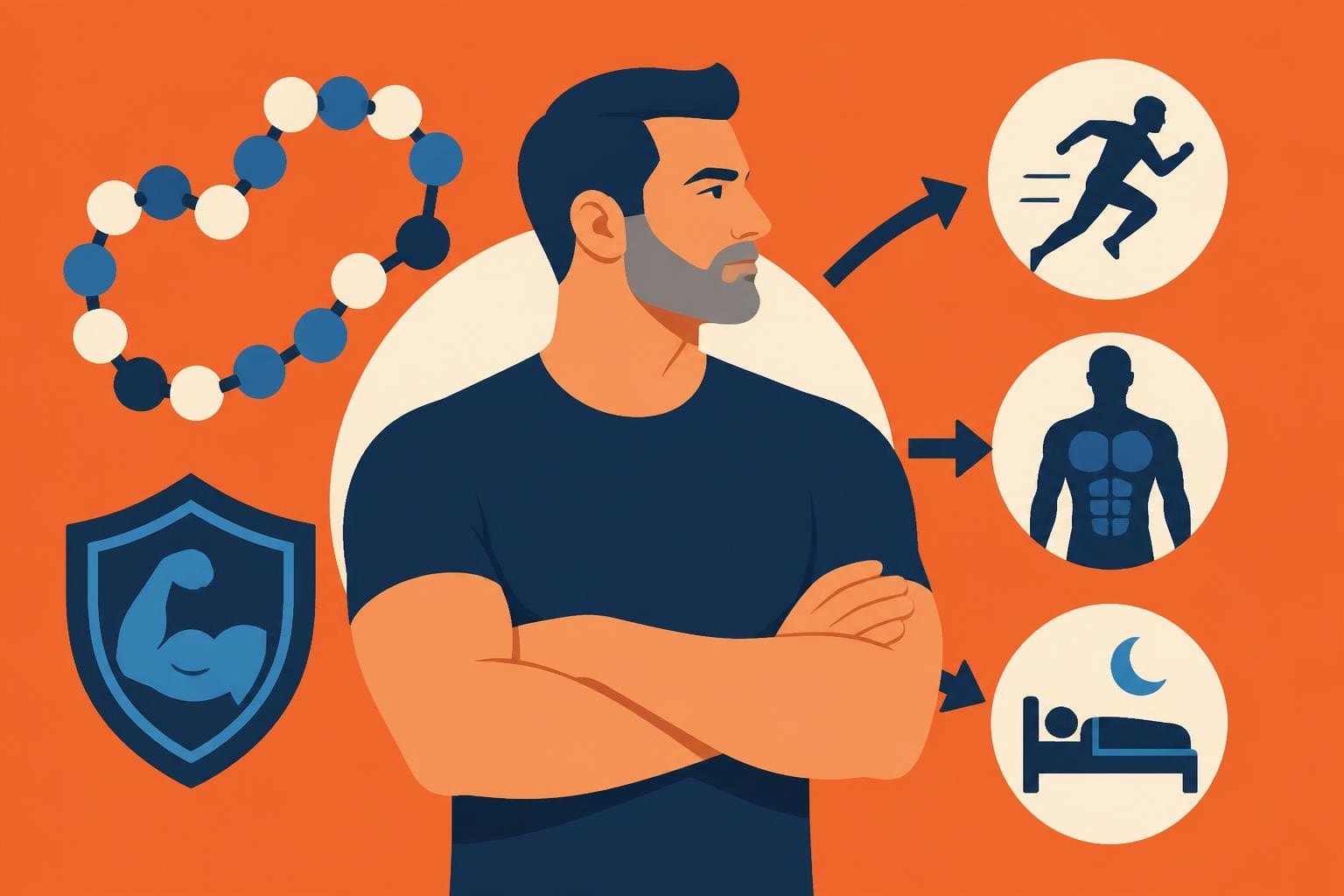
Peptides for men over 40 can improve recovery time, body composition, and overall performance when used as part of a complete training and nutrition program. They are not magic, and they are not a replacement for the fundamentals. I am going to give you the truth about what peptides do, which ones matter, and what questions you need to ask before you start. After 20 years in the military and hundreds of hours working with men who want results, I have seen what works and what does not.
Why Men Over 40 Look at Peptides in the First Place
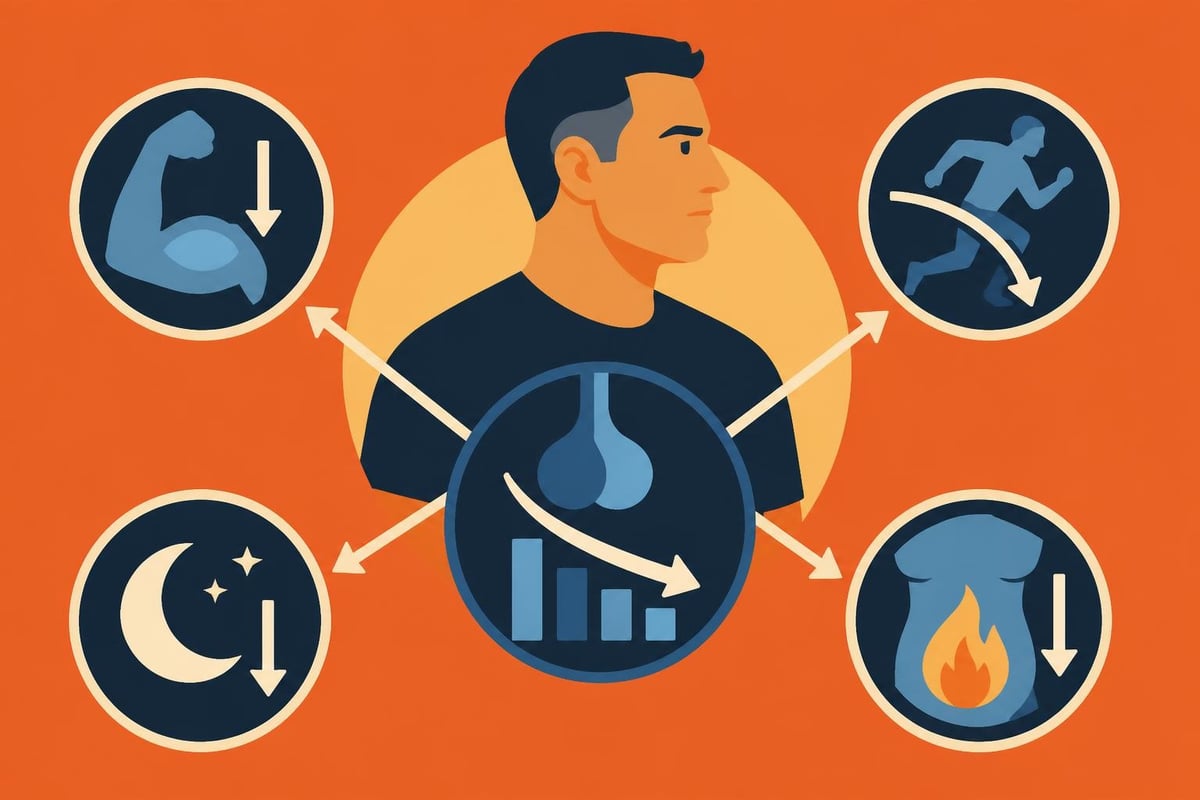
Your body does not work at 42 the way it worked at 25. That is not an excuse. That is biology.Growth hormone secretion declines with age, affecting muscle retention, fat distribution, recovery capacity, and sleep quality. You notice it when your joints ache longer after a workout, when the same training program that used to build muscle now just makes you tired, or when you sleep seven hours and wake up feeling like you slept four.
Most men respond to this decline in one of two ways. They accept it as inevitable and stop training hard. Or they chase solutions without understanding what they are actually doing. Neither approach is acceptable. If you are a father, you owe your family more than giving up. You also owe them more than experimenting with compounds you do not understand.
Peptides for men over 40 are a tool. They are not the foundation. The foundation is still training, nutrition, sleep, and accountability. I had 13 screws and titanium put in my pelvis after a car crash. I have trained through injuries for 20 years. Peptides are a tool. They are not the plan.
The Gold Standard Stack: CJC-1295 and Ipamorelin
When men ask me about peptides, they usually start with a list of acronyms they found online. Most of that information is either incomplete or deliberately complicated to sell you something. Here is what you need to know.
What CJC-1295 Does
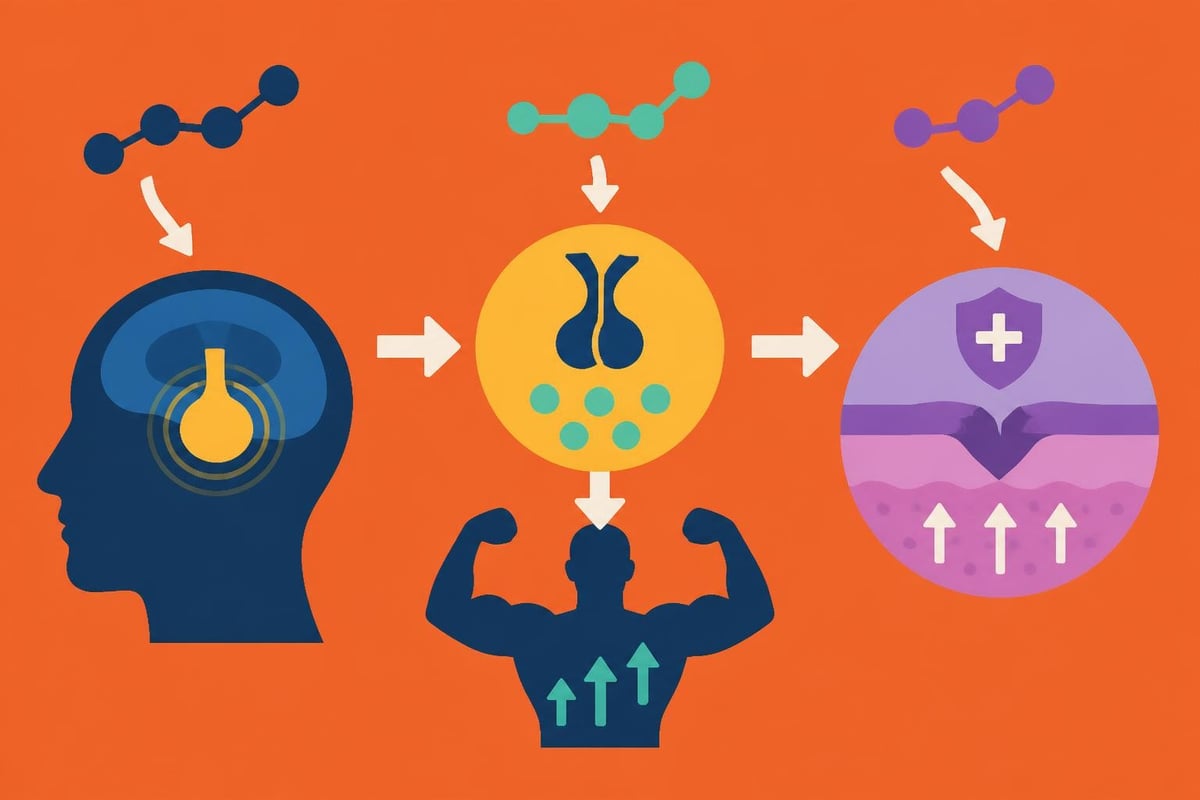
CJC-1295 is a growth hormone-releasing hormone analog. It signals your pituitary gland to produce more growth hormone. It does not add synthetic growth hormone to your system. It stimulates your own production. This matters becauseendogenous growth hormone productionworks with your body's natural rhythms instead of disrupting them.
The modified version, CJC-1295 with DAC (Drug Affinity Complex), extends the half-life. You dose less frequently. Typical protocol is once or twice per week. The version without DAC requires more frequent dosing but gives you more control over timing.
What Ipamorelin Does
Ipamorelin is a growth hormone secretagogue. It works through a different pathway than CJC-1295, targeting ghrelin receptors. When you stack these two peptides, you get a synergistic effect. One signals production, the other amplifies the release.
Ipamorelin does not significantly increase cortisol or prolactin the way some older peptides do. That matters because elevated cortisol undermines everything you are trying to accomplish with training and recovery.
The Combined Effect
PeptidePrimary FunctionDosing FrequencyKey BenefitCJC-1295 (with DAC)Stimulates GH production1-2x per weekSustained elevated GH levelsCJC-1295 (no DAC)Stimulates GH productionDailyMore control over timingIpamorelinAmplifies GH releaseDailyClean release without cortisol spike
The typical stack uses both peptides together. You dose Ipamorelin daily, often before bed or post-workout. CJC-1295 dosing depends on which version you use. This combination supports better sleep quality, improved recovery between training sessions, and gradual improvements in body composition.
BPC-157 for Recovery and Injury Management
BPC-157 is a different category. It is a synthetic peptide derived from a protective protein found in gastric juice. Where CJC-1295 and Ipamorelin focus on growth hormone pathways, BPC-157 targets tissue repair and inflammation.
I use BPC-157 for specific recovery needs, not as a baseline supplement. If you have a nagging shoulder issue, a persistent knee problem, or soft tissue damage that is not healing on a normal timeline, BPC-157 can accelerate the process. It promotes angiogenesis (new blood vessel formation) and supports tendon and ligament healing.
Dosing and application matter. BPC-157 can be injected systemically (subcutaneous) or locally near the injury site. Local injection typically produces faster results for targeted issues. Typical dosing runs 250-500 mcg once or twice daily for 4-6 weeks.
This is not a compound you run continuously. You use it to address specific problems, then you stop. The goal is to get your body healing properly, not to create dependence on external support.
What Peptides Actually Do (and Do Not Do)
You need realistic expectations. Peptides for men over 40 improve specific markers, but they do not replace the fundamentals.
What You Can Expect
Better recovery between sessions: You will notice reduced soreness duration and improved readiness for the next workout within 2-4 weeks
Improved sleep quality: Deeper sleep cycles and better overall rest, typically noticeable within the first week
Gradual body composition changes: Modest fat loss and improved muscle retention over 8-12 weeks when combined with proper training
Enhanced injury recovery: Faster healing of soft tissue injuries when using BPC-157 specifically
More stable energy levels: Less dramatic energy crashes throughout the day
What Will Not Happen
You will not add 20 pounds of muscle in 12 weeks. You will not lose 30 pounds of fat without changing your nutrition. You will not fix decades of poor sleep habits with a peptide injection. The men I work with throughpersonalized coachingunderstand that peptides support the work, they do not replace it.
If your training program is poorly designed, peptides will not fix it. If you eat processed food and skip meals, peptides will not overcome that. If you sleep five hours a night and wonder why you feel terrible, adding peptides will not solve the root problem.
Timeline and Protocol Considerations
Most men want to know when they will see results. The answer depends on what you are measuring and how dialed in your fundamentals are.
First Two Weeks
Sleep quality improvements (if using Ipamorelin before bed)
Slight reduction in joint discomfort
Minimal visible changes in body composition
Weeks 3-6
Noticeable recovery improvements
Better training session quality and volume tolerance
Beginning of body composition changes (requires tracking)
Weeks 7-12
Measurable changes in muscle retention and fat distribution
Significant sleep quality improvements
Enhanced overall recovery capacity
Beyond 12 Weeks
Most protocols run 3-6 months, then include a break period. Your body needs time off to maintain sensitivity to the peptides. Continuous use without breaks reduces effectiveness over time.
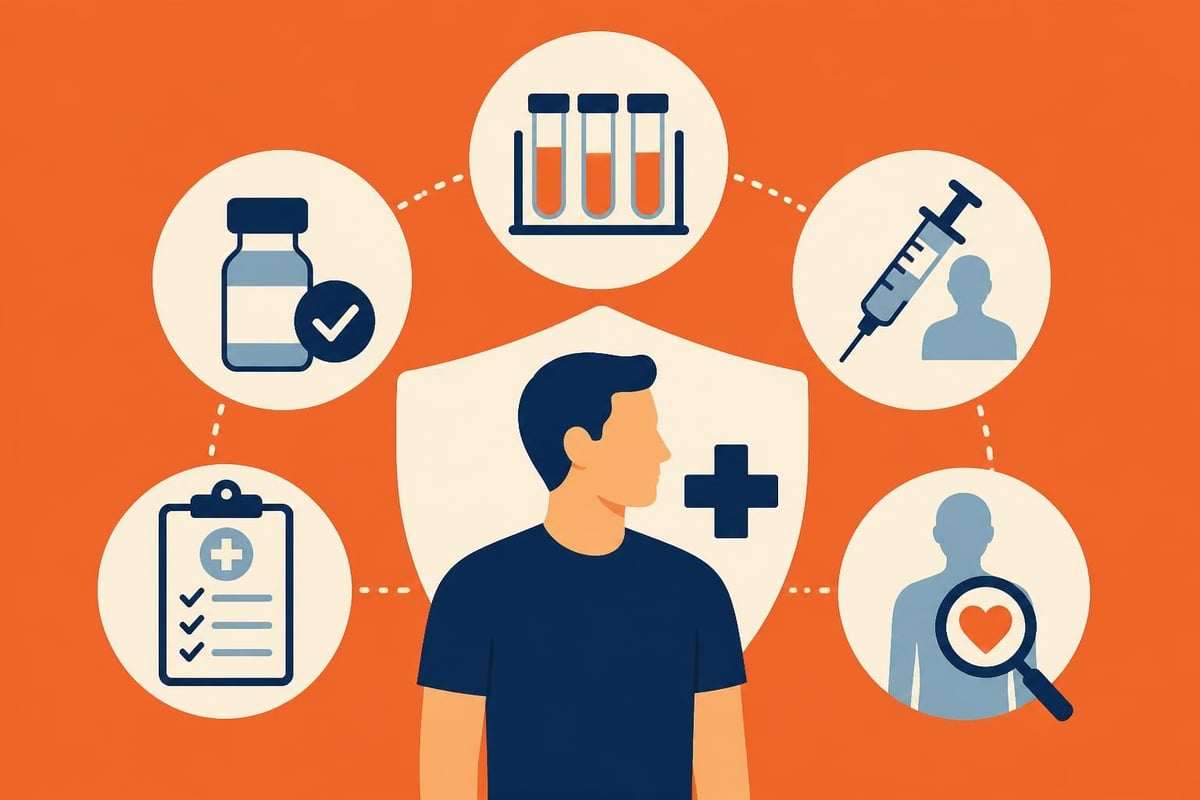
Questions to Ask Your Provider
Do not start peptides because someone on social media said they work. Work with a qualified provider who understands hormone optimization and peptide therapy. Here are the questions you must ask.
What is the source and purity of these peptides?Compounding pharmacies vary in quality. Your provider should use reputable sources with third-party testing.
What are the specific dosing protocols and why?Generic protocols do not account for your individual response, body weight, training volume, or health markers.
What bloodwork do we need before starting?At minimum, you need baseline IGF-1 levels, comprehensive metabolic panel, and lipid panel. Some providers also check thyroid function and sex hormones.
How will we monitor progress and adjust?Regular follow-up bloodwork and symptom tracking should be part of the plan. If your provider does not mention monitoring, find a different provider.
What are the contraindications for my specific health history?If you have a history of cancer, certain autoimmune conditions, or uncontrolled diabetes, peptides may not be appropriate.
Integration with Training and Nutrition
Peptides work best when everything else is already working. That means you need a structured training program, consistent nutrition that supports your goals, and adequate sleep.
Training Requirements
Your program should include:
Progressive overload in main lifts
Adequate volume for muscle stimulation
Planned deload weeks for recovery
Movement quality focus to prevent injury
If you are not tracking your training, you cannot measure whether peptides are helping. Keep a log. Record weights, sets, reps, and how you feel during and after sessions.
Nutrition Standards
You must eat enough protein. For men over 40 trying to maintain or build muscle, aim for 0.8-1.0 grams per pound of body weight daily. Your overall calorie intake should match your goal (deficit for fat loss, slight surplus for muscle gain, maintenance for recomposition).
Peptides will not overcome a poor diet. I have seen men spend hundreds of dollars per month on peptides while eating fast food four times per week. That is not a plan. That is avoidance.
Sleep Protocols
Growth hormone release happens primarily during deep sleep. If you are not sleeping well, you undermine the entire point of using growth hormone-releasing peptides.Sleep quality improvementsare one of the first benefits men notice, but you still need to create an environment that supports sleep.
Keep your room dark and cool
Limit screen time 60 minutes before bed
Maintain consistent sleep and wake times
Address sleep apnea if present
Cost and Access Considerations
Peptide therapy is not cheap. Monthly costs typically run $200-$400 for the peptides themselves, plus provider fees for consultation and monitoring. Some insurance plans cover peptide therapy if prescribed for specific medical conditions, but most treat it as elective.
You can find cheaper sources online. I do not recommend it. Quality control matters. Peptides are delicate compounds that degrade with improper storage or handling. Underground sources may provide underdosed, contaminated, or completely fake products.
Work with a provider who specializes in peptide therapy or hormone optimization. This might be a sports medicine physician, an anti-aging specialist, or a hormone clinic. Verify their credentials and ask about their experience with peptides specifically.
The Father Forge Approach to Recovery Tools
AtThe Father Forge, we build programs around fundamentals first. That means movement quality, progressive training, nutrition that matches your goals, and accountability that keeps you consistent. Tools like peptides fit into that framework when appropriate, but they never replace the work.
I have worked with men who thought peptides would solve their problems. What they actually needed was a structured program, someone to hold them accountable, and a community of other fathers who understand the challenges of balancing family, career, and fitness. The peptides helped, but they were never the primary driver of results.
Frequently Asked Questions
How long does it take to see results from peptides for men over 40?
Most men notice sleep quality improvements within the first week. Recovery benefits become apparent in weeks 2-4. Measurable body composition changes require 8-12 weeks of consistent use combined with proper training and nutrition. If you are not seeing any benefits after 6 weeks, reassess your dosing protocol and fundamentals with your provider.
Can I use peptides if I have had cancer?
This requires individual medical evaluation. Growth hormone-releasing peptides may not be appropriate if you have a history of certain cancers, particularly those that are hormone-sensitive. Discuss your complete medical history with your provider before starting any peptide protocol. Do not make this decision on your own.
Do I need to cycle off peptides or can I use them continuously?
Most protocols include cycling. A typical approach is 3-6 months on, followed by 1-2 months off. This prevents receptor desensitization and maintains effectiveness. Continuous use without breaks reduces your body's response over time. Your provider should outline a specific cycling plan based on your individual response.
Are peptides legal and safe for men over 40?
Peptides like CJC-1295, Ipamorelin, and BPC-157 are legal when prescribed by a licensed provider for legitimate medical purposes.Safety profilesare generally favorable when used appropriately, but side effects can occur. Common issues include injection site reactions, water retention, or increased hunger. Serious side effects are rare but require immediate medical attention.
What is the difference between peptides and testosterone replacement therapy?
Peptides stimulate your body's own hormone production. Testosterone replacement therapy (TRT) adds external testosterone, which suppresses your natural production. Peptides work through growth hormone pathways, while TRT works through androgen pathways. Some men use both under medical supervision. They address different aspects of age-related decline and are not interchangeable.
Peptides for men over 40 offer real benefits when used correctly as part of a complete program. They improve recovery, support better sleep, and help maintain body composition during the years when your natural hormone production declines. But they are a tool, not a solution. If you need structure, accountability, and a program built specifically for your situation,The Father Forgeprovides custom fitness and mindset coaching designed for fathers who refuse to accept decline as inevitable.