
Peptides for Fat Loss: Evidence, Mechanisms, and Reality
The market for peptides for fat loss has exploded in the last three years. Men over 35 see advertisements promising effortless weight loss and approach these compounds as shortcuts. That mentality is the first problem. Peptides are not magic. They are biochemical tools with specific mechanisms, varying evidence levels, and real risks. Understanding what they do, how they work, and whether they belong in your approach requires cutting through marketing noise and facing facts. This article breaks down the evidence, mechanisms, and practical realities of using peptides for fat loss so you can make informed decisions grounded in your actual situation, not someone else's sales pitch.
What Peptides for Fat Loss Actually Are
Peptides are short chains of amino acids that signal specific cellular responses. When people discuss peptides for fat loss, they typically reference compounds that influence appetite regulation, growth hormone pathways, or metabolic rate. These are not nutritional supplements. They are bioactive molecules that alter hormone signaling.
The most researched categories include:
GLP-1 receptor agonistslike semaglutide and tirzepatide that reduce appetite and slow gastric emptying
Growth hormone secretagoguessuch as CJC-1295 and ipamorelin that stimulate GH release
Growth hormone releasing hormone analogslike tesamorelin that target visceral adipose tissue
Melanocortin receptor agonistsincluding melanotan II that may increase energy expenditure
Each category operates through different mechanisms. Grouping them under one umbrella creates confusion.Research comparing peptide mechanisms for fat lossshows vastly different evidence profiles and risk-benefit ratios across these compounds.
The Evidence Hierarchy Matters
Not all peptides carry the same research backing. Semaglutide has Phase III clinical trials with thousands of participants showing sustained weight loss averaging 12-15% of body weight over 68 weeks. Tesamorelin has FDA approval specifically for reducing visceral adipose tissue in HIV-associated lipodystrophy. These are not experimental compounds.
Contrast that with secretagogues like ipamorelin or hexarelin. Animal studies show promise. Human data remains limited, inconsistent, or absent. Using compounds without robust human trials means accepting unknown risk for uncertain benefit.
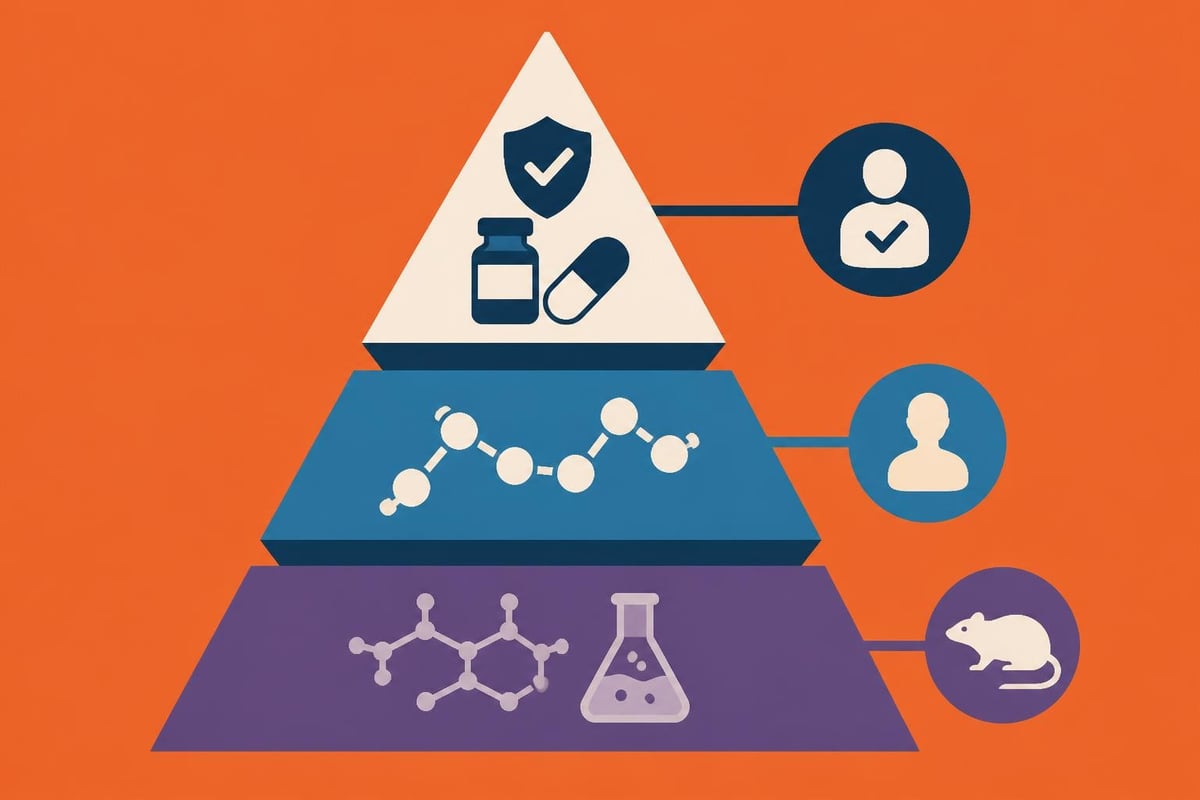
The standard you must hold: if you cannot cite specific human trials with measurable outcomes, you are experimenting on yourself. That is a choice, but call it what it is.
GLP-1 Agonists Dominate the Landscape
Semaglutide and tirzepatide represent the most significant development in obesity medicine in decades. These compounds mimic naturally occurring incretin hormones that regulate blood sugar and appetite. When you activate GLP-1 receptors, you suppress appetite centrally through the hypothalamus and delay gastric emptying peripherally.
The clinical results are undeniable:
CompoundAverage Weight LossTrial DurationFDA ApprovalSemaglutide 2.4mg12.4% body weight68 weeksYes (2021)Tirzepatide 15mg15.0% body weight72 weeksYes (2023)Liraglutide 3.0mg5.4% body weight56 weeksYes (2014)
These are mean reductions in intention-to-treat populations. Individual response varies, but the population-level data is robust.Analysis of GLP-1 peptides for weight managementconfirms these compounds produce consistent, measurable fat loss when combined with lifestyle modification.
The Tradeoff No One Wants to Discuss
GLP-1 agonists work primarily through appetite suppression. You eat less because food becomes less appealing and satiety signals arrive faster. For men trying to maintain or build muscle mass while losing fat, this creates a dilemma. Reduced appetite can lead to inadequate protein intake, training fuel deficits, and muscle loss alongside fat loss.
Studies show 20-40% of weight lost on semaglutide comes from lean mass when resistance training and protein intake are not prioritized. That is unacceptable for men focused on body composition, not just scale weight. The obligation is clear: if you use these compounds, you must implement structured resistance training and consume 0.8-1.0 grams of protein per pound of target body weight daily. Non-negotiable.
Side effects are common and often dose-limiting. Nausea, vomiting, diarrhea, and constipation affect 30-50% of users. Severe cases require dose reduction or discontinuation. The compound works, but it demands monitoring and adjustment.
Growth Hormone Pathways Offer Different Mechanisms
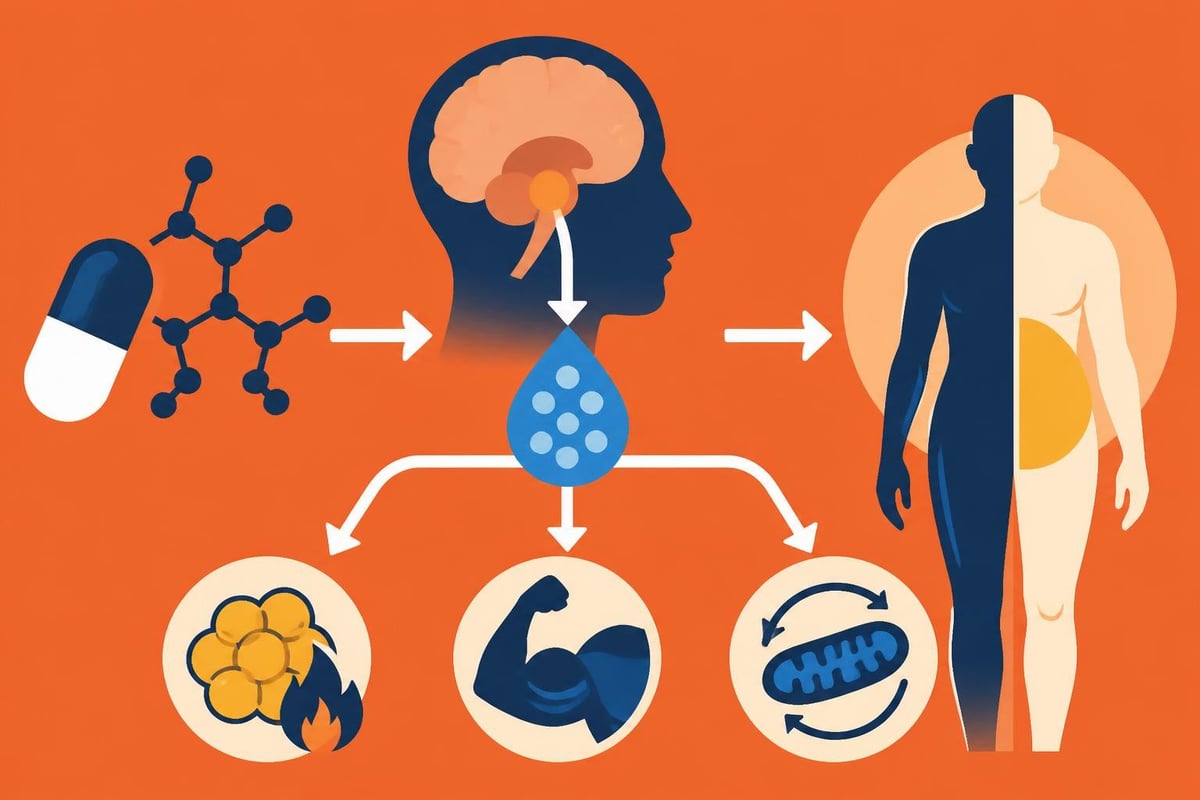
Growth hormone secretagogues and GHRH analogs operate through entirely different pathways than GLP-1 agonists. These compounds either stimulate the pituitary to release endogenous growth hormone or mimic growth hormone releasing hormone directly.
Tesamorelin, a synthetic GHRH analog, has the strongest evidence for targeted visceral fat reduction. FDA-approved for HIV-associated lipodystrophy, it reduces visceral adipose tissue by 15-20% over 26 weeks without equivalent subcutaneous fat loss.Clinical profiles of peptides targeting growth hormone pathwaysshow this compound's specificity for abdominal fat makes it distinct.
The mechanism involves increasing growth hormone pulses, which enhances lipolysis in adipose tissue and improves insulin sensitivity. Unlike GLP-1 agonists, tesamorelin does not suppress appetite. Fat loss occurs through metabolic changes, not caloric restriction.
Secretagogues Present More Questions Than Answers
CJC-1295, ipamorelin, and similar peptides stimulate GH release but lack the clinical validation of tesamorelin or pharmaceutical GH itself. Proponents cite improved body composition, better sleep, and enhanced recovery. Critics note the absence of controlled human trials and the proliferation of underdosed or contaminated products in the market.
The practical reality: these compounds exist in a regulatory gray zone. Quality control is inconsistent. Dosing protocols are borrowed from bodybuilding forums, not medical literature.Comparative analysis of fat loss peptide optionsranks these compounds lower due to limited evidence and higher risk of product variability.
If you choose this path, understand you are operating without the safety net of robust clinical data. Some men report positive results. Others report no effect or adverse reactions. The variability itself is a warning sign.
The Integration Problem Most Men Ignore
Peptides do not replace foundational habits. They amplify results when training, nutrition, sleep, and stress management are already optimized. Using peptides for fat loss while sleeping five hours per night, eating processed food, and skipping workouts is backwards. The compound cannot override a broken environment.
Your obligation before considering any peptide:
Track your nutrition for 14 consecutive daysto establish baseline intake and identify gaps
Implement a progressive resistance training programwith measurable strength goals
Achieve seven hours of sleep per night minimumfor at least three weeks straight
Eliminate obvious nutritional deficitslike inadequate protein or chronic undereating
Only after these basics are consistent should peptides enter the conversation. They are accelerants, not foundations.
The Role of Recovery in Body Composition
Fat loss occurs when energy expenditure exceeds intake and recovery systems function properly. Stress, inflammation, and poor sleep all impair fat oxidation and promote cortisol-driven fat storage.Contrast therapy using sauna and cold exposurecreates hormetic stress that improves insulin sensitivity and mitochondrial function, both critical for sustainable fat loss.
Finnish sauna research shows 4-7 weekly sessions reduce cardiovascular mortality by 51% and improve metabolic health markers. The mechanism involves heat shock protein activation, improved endothelial function, and temporary metabolic elevation post-session. When integrated with peptide therapy, this creates synergistic metabolic benefit.
Cold exposure following sauna triggers norepinephrine release and activates brown adipose tissue, both contributing to thermogenesis and fat oxidation. The combination addresses fat loss from multiple angles: hormonal, metabolic, and recovery-based.
Practical Protocol Considerations
If you proceed with peptides for fat loss after establishing foundational habits, protocol design determines outcomes. Random dosing based on internet advice produces random results.
Dosing and Administration
GLP-1 agonists require subcutaneous injection, typically weekly for semaglutide or tirzepatide. Starting doses are intentionally low to assess tolerance. Titration occurs over 16-20 weeks to reach therapeutic levels. Skipping this ramp-up phase increases side effect severity and dropout rates.
Tesamorelin requires daily subcutaneous injection at 2mg. Growth hormone secretagogues often use twice-daily dosing protocols. The injection frequency alone demands commitment and routine most men underestimate.
Peptide ClassTypical FrequencyRamp-Up PeriodSteady State TimelineGLP-1 AgonistsWeekly16-20 weeks20-24 weeksTesamorelinDaily4 weeks8-12 weeksSecretagogues1-2x daily2 weeks4-8 weeks
Stacking strategies for peptide-based fat losssuggest combining GLP-1 agonists with secretagogues or tesamorelin for synergistic effect. The evidence for this approach is minimal. Combining compounds multiplies variables and risk without proven additional benefit.
Monitoring and Adjustment
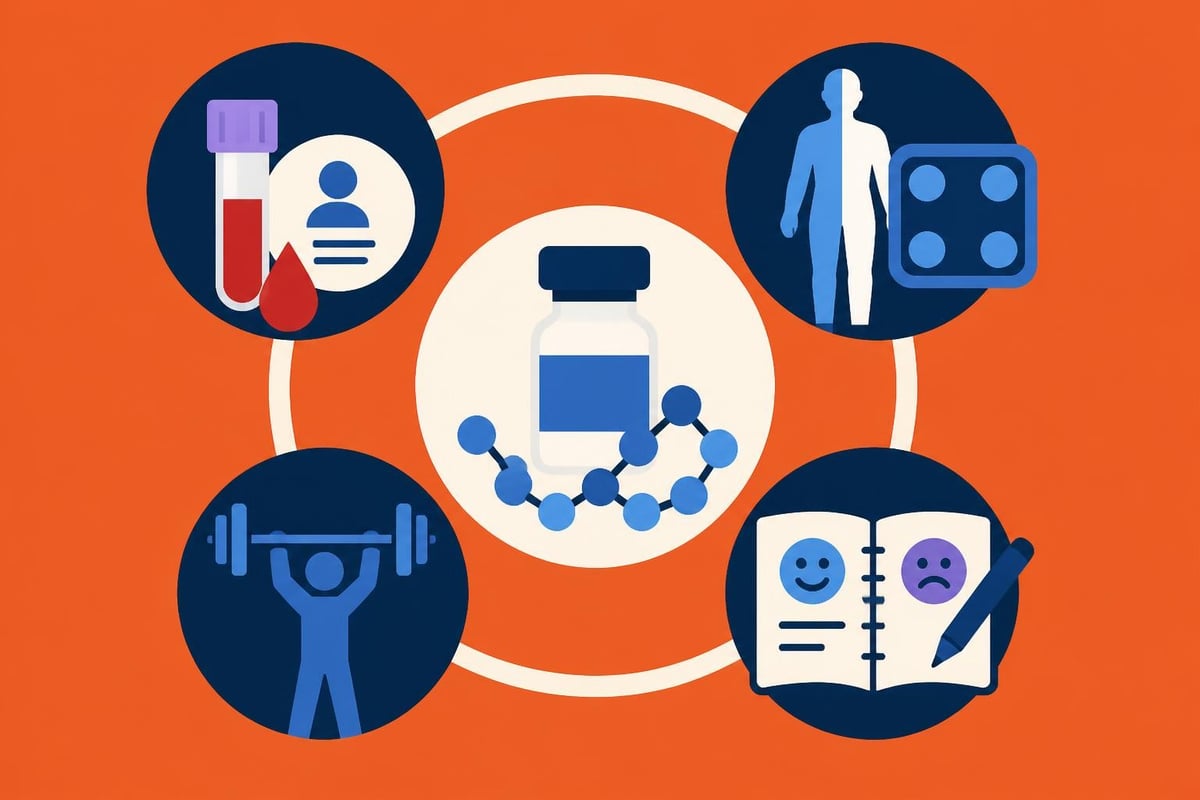
Blood work before starting any peptide protocol is mandatory. Baseline glucose, HbA1c, lipid panel, liver enzymes, and thyroid function establish your starting point. Repeat testing at 8-12 week intervals identifies adverse trends before they become problems.
Tracking beyond labs matters equally. Body composition via DEXA or Bod Pod every 8 weeks separates fat loss from muscle loss. Strength metrics in the gym confirm you are maintaining or building muscle tissue. Scale weight alone tells you nothing useful.
The men who succeed with peptides for fat loss treat the protocol like a military operation: planned, measured, adjusted based on data. The men who fail treat it like a magic pill and wonder why results disappoint.
The Cost-Benefit Analysis You Must Run
Pharmaceutical-grade semaglutide costs $900-1,400 monthly without insurance. Tirzepatide runs similar. Compounded versions through wellness clinics range $300-600 monthly. Tesamorelin costs $600-900 monthly. Secretagogues from research peptide suppliers cost $100-300 monthly but carry higher contamination risk.
Beyond direct costs, factor medical monitoring, additional blood work, and potential management of side effects. A legitimate protocol costs $500-1,500 monthly when done correctly.
Compare this to the cost of hiring an experienced coach who addresses training, nutrition, and accountability.Working with coaches who understand male physiology and body compositionoften produces better results at lower cost and zero pharmaceutical risk. The Father Forge specializes in custom programming for fathers who want sustainable fat loss without defaulting to compounds first.
The Dependency Question
GLP-1 agonists produce rapid weight regain when discontinued if underlying habits have not changed. Studies show 50-70% of lost weight returns within one year of stopping. The compound reveals what you should have been doing all along: eating less, moving more, managing stress. When the peptide handles appetite regulation artificially, you never develop the skills to manage it yourself.
This creates pharmaceutical dependency that some men accept as permanent. That is a choice with long-term financial and health implications. Others use peptides as a temporary tool to break through a plateau while building sustainable habits in parallel.
The approach you take determines whether peptides become a crutch or a catalyst.
What Fathers Over 35 Must Consider
Your context differs from 25-year-old bodybuilders or athletes with pharmaceutical support teams. You have responsibilities that do not pause for nausea, training schedules disrupted by side effects, or energy crashes from appetite suppression.
Fat loss for men in their late 30s and beyond must account for:
Testosterone optimizationthrough adequate dietary fat and resistance training
Muscle preservationas the primary defense against metabolic decline
Sustainable energyto meet demands of work and family
Long-term healthover short-term aesthetics
Peptides fit some situations. They are not appropriate for most.Evidence-based approaches to peptides in fat loss contextsemphasize medical supervision and integration with lifestyle modification, not replacement of it.
The men who benefit most from peptides are those who have already maximized natural methods, hit genuine plateaus despite consistent effort, and can afford both the financial and health costs of pharmaceutical intervention. If you are not training four days weekly with progressive overload, eating 0.8g protein per pound daily, sleeping seven hours, and managing stress, peptides are premature.
Medical Supervision Is Not Optional
Online peptide suppliers sell compounds without medical oversight. This is dangerous for multiple reasons. Peptides are prescription medications with real physiological effects. Using them without baseline blood work, monitoring, or physician consultation exposes you to preventable harm.
Contraindications for GLP-1 agonists include personal or family history of medullary thyroid cancer, multiple endocrine neoplasia syndrome type 2, and severe gastroparesis. Tesamorelin can worsen glucose control in diabetics. Secretagogues may exacerbate existing pituitary tumors.
Working with a physician who understands peptide therapy, preferably one focused on men's health and body composition, is the minimum standard. Telehealth services specializing in peptide therapy provide access to prescribers who can order appropriate labs and write legitimate prescriptions.
Source Quality Determines Safety
Pharmaceutical peptides from licensed pharmacies guarantee purity and potency. Research chemical suppliers operate without FDA oversight. Third-party testing exists but is inconsistent. Contamination, underdosing, and mislabeling are documented problems.
Assessment of peptide quality and sourcing considerationsidentifies pharmaceutical-grade sources as the only acceptable option for compounds you inject into your body. The cost difference is significant. The safety difference is non-negotiable.
You get one body. Saving $200 monthly by buying from unverified sources is foolish economy when the downside includes infection, allergic reaction, or ineffective treatment.
The Brotherhood Factor in Sustainable Change
Peptides can initiate fat loss, but sustainable change requires environment and accountability. Men do not fail because they lack information about what to eat or how to train. They fail because their environment does not support the behaviors required and they lack accountability when motivation wanes.
The Father Forge builds custom programs that address training, nutrition, and mindset together. The focus on mental resilience, accountability, and brotherhood creates the environment where sustainable fat loss occurs whether peptides are involved or not. Fathers who join theGroup Coaching Communityreport better long-term results than those who chase pharmaceutical solutions without addressing root causes.
Peptides are tools. Tools require skilled operators and proper context. Without both, the tool becomes a crutch or a liability.
Peptides for fat loss represent legitimate pharmacological tools with varying evidence levels and distinct mechanisms. GLP-1 agonists dominate clinical evidence, growth hormone analogs show promise for visceral fat, and secretagogues remain experimental. All demand medical supervision, quality sourcing, and integration with foundational habits. The Father Forge helps fathers build sustainable fitness, nutrition, and leadership practices that produce lasting results. If you are ready to address body composition through proven methods and honest accountability,start the conversation with The Father Forgeand build something that lasts beyond any compound.