Peptide Stacking: What Fathers Need to Know in 2026
Men over 35 face a different recovery landscape than younger athletes. Injuries linger longer, inflammation settles deeper, and the clock demands more from your body with less patience. That reality has driven many fathers toward therapeutic peptides as a recovery tool, and some to the practice of combining multiple peptides simultaneously. Peptide stacking, as the practice is known, promises accelerated healing, improved body composition, and enhanced performance through synergistic effects. Before you commit to any protocol, you owe yourself more than surface-level research and anecdotal testimonials. You need to understand what you're introducing into your system, why you're doing it, and what accountability structure will keep you from chasing results without regard for long-term health. This is not about optimization for its own sake. This is about making informed decisions with your biology based on principle, not desperation.
Understanding the Core Concept
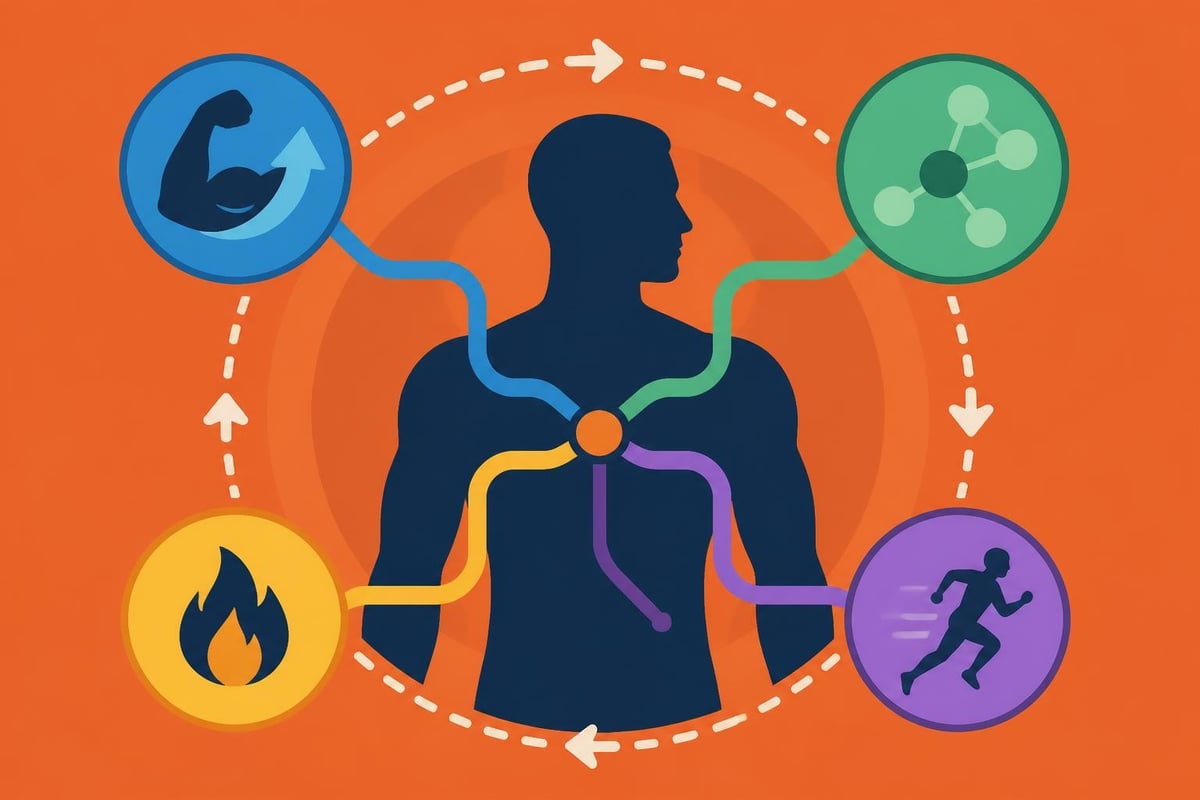
Peptide stacking means using two or more peptides concurrently to achieve complementary or enhanced effects beyond what a single compound could deliver. The theory holds that certain peptides work through different pathways in your body, and when timed and dosed correctly, they create synergistic results. This isn't some novel biohack discovered in 2026.Researchers have examined peptide combinationsfor years, particularly in therapeutic contexts where healing, tissue repair, and metabolic function intersect.
Common peptide categories used in stacking include:
Recovery peptideslike BPC-157 and TB-500 for tissue repair
Growth hormone secretagoguessuch as Ipamorelin and CJC-1295 for body composition
Metabolic peptideslike AOD-9604 or Semaglutide for fat loss
Performance peptidesincluding Epithalon for cellular health
The Father Forge community focuses on sustainable performance, which means any protocol must serve your long-term capacity to lead at home and perform physically. Peptide stacking isn't inherently dangerous, but it demands the same disciplined approach you'd apply to any tool that impacts your endocrine system, recovery mechanisms, and metabolic processes.
The Synergy Question
The entire premise of peptide stacking rests on synergy: that combining compounds produces results greater than the sum of individual effects. Some combinations show legitimate scientific support.BPC-157 and TB-500 togethertarget tissue healing through complementary mechanisms, one focusing on angiogenesis and the other on cell migration and differentiation. That's not marketing language, that's documented biological activity.
Other stacks lack rigorous human studies but carry strong mechanistic rationale. Growth hormone peptides combined with recovery peptides address both systemic hormonal optimization and localized tissue repair. The logic holds, even if large-scale clinical trials haven't validated every specific combination for every use case.
Documented Combinations
Peptide PairPrimary BenefitMechanism OverlapBPC-157 + TB-500Tissue repairDifferent healing pathwaysIpamorelin + CJC-1295GH optimizationSecretion + half-life extensionBPC-157 + AOD-9604Recovery + fat lossSeparate receptor targets
What matters more than theoretical synergy is measurable outcome. You don't stack peptides to feel like you're doing something advanced. You stack them because specific, measurable deficits in your recovery, body composition, or performance require targeted intervention through multiple pathways. If one peptide addresses your actual limitation, that's your protocol. If your situation genuinely demands multiple approaches, then stacking becomes a legitimate consideration, not a default strategy.
Safety and Risk Management
Here's where most information fails you. It focuses on potential benefits while treating risks as footnotes or disclaimers. That's backwards. When you introduce multiple exogenous compounds affecting your endocrine system, immune function, and cellular behavior, the primary question is safety, not upside.Safety protocols for peptide stackingshould guide every decision before you consider results.
Key safety considerations include:
Individual response testingbefore combining compounds
Dosage managementto avoid receptor saturation or system overload
Monitoring protocolsfor side effects and biomarkers
Medical oversightfrom practitioners familiar with peptide therapy
Source verificationto ensure compound purity and accuracy
The lack of long-term data on most peptide combinations means you're accepting uncertainty. That's not necessarily disqualifying, but it requires honest acknowledgment. You don't have 20-year longitudinal studies showing that stacking BPC-157 with growth hormone peptides produces no adverse outcomes. You have mechanistic understanding, short-term observations, and individual reports. Act accordingly.
Blood work matters. If you're running any peptide protocol, baseline and periodic testing of relevant markers is non-negotiable. For growth hormone peptides, that means IGF-1 levels. For metabolic peptides, glucose and insulin markers. For recovery peptides, inflammatory markers if available. The accountability isn't just to a protocol, it's to measurable data showing your body's actual response.
Protocol Design Principles
Designing a peptide stack requires the same systematic approach you'd use for any serious training protocol. You start with clear objectives, identify limiting factors, select appropriate tools, establish dosing and timing, and build in assessment checkpoints. Random combination based on what worked for someone else or what a forum recommended is not a protocol. It's hope dressed up as strategy.
Step-by-Step Protocol Development
Define the specific performance or recovery deficityou're addressing
Research individual peptidesthat target those mechanisms independently
Assess contraindications and interactionsbetween selected compounds
Establish baseline measurementsthrough blood work and performance metrics
Design conservative initial dosingbelow maximum recommended levels
Plan timing protocolsthat respect each peptide's half-life and optimal administration window
Set review intervalsfor assessment and protocol adjustment
Many practitioners recommend starting with single peptidesbefore attempting any stack. That approach lets you isolate individual responses, identify any adverse reactions, and understand each compound's effect on your specific biology. If you can't describe what each peptide in your stack does independently and why that specific combination serves your goal better than alternatives, you're not ready to inject multiple compounds.
The1-on-1 Men's Coaching program at The Father Forgeincludes accountability structures that apply directly to this decision-making process: establishing clear objectives, measuring actual progress against those objectives, and adjusting tactics based on evidence rather than emotion or impatience. That same framework governs intelligent peptide use.

Common Stacking Approaches
Certain combinations appear frequently in therapeutic and performance contexts. Understanding why these pairings exist helps distinguish between evidence-based protocols and arbitrary mixing. The most documented approach combines tissue repair peptides, specifically BPC-157 with TB-500, for comprehensive healing of injuries, particularly in tendons, ligaments, and muscle tissue.
Recovery-focused stacks typically include:
BPC-157 (Body Protection Compound) for systemic healing
TB-500 (Thymosin Beta-4) for localized tissue repair
Optional GHK-Cu for additional collagen synthesis
This combination addresses injury recovery through multiple mechanisms: BPC-157 promotes angiogenesis and protects existing tissue while TB-500 facilitates cell migration to injury sites and reduces inflammation. For fathers dealing with chronic injuries that resist conventional treatment, this stack carries both mechanistic logic and clinical support.
Body composition stacks usually pair growth hormone secretagogues with metabolic peptides. Ipamorelin combined with CJC-1295 (with DAC) creates sustained growth hormone elevation through complementary pathways. Adding a metabolic compound like AOD-9604 targets fat oxidation specifically without affecting glucose metabolism the way some other compounds do.
Performance and Recovery Matrix
Primary GoalCore StackOptional AdditionProtocol LengthInjury healingBPC-157 + TB-500GHK-Cu4-8 weeksBody compositionIpamorelin + CJC-1295AOD-960412-16 weeksOverall recoveryBPC-157 + IpamorelinCJC-12958-12 weeksMetabolic healthSemaglutide + AOD-9604None12+ weeks
Understanding how to safely combine these compoundsincludes knowing which peptides can be mixed in the same syringe and which require separate injections. Some peptides remain stable when combined, others degrade or create unexpected interactions. That level of detail matters when you're injecting compounds into your body.
Timing and Administration
Peptide stacking introduces complexity beyond dosing. Each compound has optimal administration timing based on its half-life, mechanism of action, and interaction with your natural hormone rhythms. Growth hormone peptides generally perform best when administered at times that align with natural GH pulses, typically before bed or upon waking. Recovery peptides like BPC-157 show systemic benefits regardless of timing, though some practitioners recommend splitting doses.
Administration considerations include:
Injection timingrelative to meals, sleep, and training
Frequencybased on peptide half-life and stability
Rotation of injection sitesto prevent tissue issues
Reconstitution and storageprotocols for each compound
Mixing compatibilitywhen combining in single syringes
The complexity isn't theoretical. Miss timing on a growth hormone peptide and you might blunt your natural pulse instead of enhancing it. Mix incompatible peptides in one syringe and you risk degrading both compounds before they enter your system.Practical protocols for peptide administrationrequire attention to detail that mirrors your training discipline.
Some fathers find benefit in basic grooming protocols that complement their broader self-mastery work. For men investing in their physical presence and leadership,beard grooming products from companies like Onesocietysupport the same attention to personal standards that drive training and recovery protocols.
The Information Problem
Most peptide information comes from three sources: research studies (often in animal models), clinical observations from practitioners, and anecdotal reports from users. Each source carries limitations. Animal studies don't always translate to human response. Clinical observations come from small sample sizes without controlled conditions. Anecdotal reports lack verification and often conflate correlation with causation.
This creates an information environment where confident claims exceed actual evidence.Examining the research on peptide stackingreveals significant gaps in long-term human data for most combinations. That doesn't make peptides ineffective or dangerous by default, but it means your decision requires accepting uncertainty while managing risk intelligently.
The problem isn't lack of information. The problem is abundance of low-quality information mixed with legitimate data, all presented with similar confidence. Your obligation is to distinguish between mechanistic possibility (this could work based on known biology), clinical observation (practitioners report these effects in patients), and verified evidence (controlled studies demonstrate this outcome). Those are three different levels of certainty, and they demand different levels of confidence in your decision-making.

Beyond the Compounds
Peptide stacking exists within a larger context of recovery, performance, and health optimization. The compounds don't replace foundational behaviors. They potentially enhance outcomes when those foundations already exist. A father running a peptide stack while sleeping five hours, eating processed food, and training without structure is wasting time and money while introducing unnecessary biological stress. The peptides might produce some effect, but the lack of foundation guarantees suboptimal results at best.
Foundation requirements before any peptide protocol:
Consistent sleep of 7-8 hours minimum
Structured nutrition supporting your body composition goals
Progressive training program matched to your recovery capacity
Stress management practices that prevent chronic cortisol elevation
Regular blood work monitoring relevant health markers
Young athletes teaching their kids discipline and skill, whether throughstructured soccer training programsor other athletic development, understand this principle: fundamentals precede advanced tactics. The same applies to performance optimization in your own body. Get your sleep, nutrition, and training dialed in. Then consider whether peptides address remaining limitations that matter to your specific goals.
This also applies to recovery beyond training. Fathers juggling career demands, family leadership, and personal development need recovery strategies that address mental and emotional stress, not just physical breakdown. Whether that means designated time with your community, deliberately disconnecting from work, or investing in quality leisure gear likeapres padel wear from PSF Collectivefor genuine downtime, the recovery equation includes more than compounds and sleep.
Making the Decision
The decision to use peptide stacking should follow a clear decision tree, not impulse or trend-following. Start with your actual limitation. Is your recovery genuinely lagging despite solid sleep, nutrition, and programming? Have you addressed training volume, intensity, and frequency before seeking external solutions? Do you have specific injuries requiring therapeutic intervention beyond what conventional medicine offers?
If your answers point toward legitimate need rather than optimization for its own sake, the next question is whether a single peptide addresses that need or whether multiple pathways require multiple compounds. Most situations start with single peptide protocols. Stacking becomes relevant when you have distinct, separate limitations that don't respond to single-compound approaches.
Decision Framework
QuestionYesNoHave you optimized sleep, nutrition, training?ContinueStop, fix foundationsIs there a specific, measurable deficit?ContinueStop, reassess goalsHave you researched individual peptides thoroughly?ContinueStop, do researchDo you have medical oversight or can you obtain it?ContinueStop, find practitionerCan you commit to consistent protocol and monitoring?ProceedStop, not ready
The decision also includes cost-benefit analysis beyond money. Peptides require consistent administration, often daily injections. They require proper storage, reconstitution knowledge, and sterile injection technique. They require blood work, monitoring, and honest assessment of response. The time, attention, and discipline these protocols demand might exceed the actual benefit they provide relative to simpler interventions you've ignored.
Moving Forward with Accountability
If you proceed with peptide stacking, structure matters more than compounds.Detailed guides on peptide combinationsprovide frameworks, but your specific protocol requires customization based on your biology, goals, and response patterns. That customization demands honest self-assessment and willingness to adjust when data doesn't match expectations.
Build accountability into your protocol from the start. That means scheduled blood work at defined intervals. It means tracking measurable outcomes: injury pain levels, recovery time between training sessions, body composition metrics, performance markers. It means having someone, whether a medical practitioner or qualified coach, who reviews your protocol and results objectively.
The same accountability structures that drive progress in training, marriage, and fatherhood apply here. You don't hope your way to results, you measure, assess, and adjust based on evidence. You don't chase feelings, you track outcomes. You don't rationalize poor decisions, you acknowledge them and correct course. Those principles don't change whether you're addressing your deadlift technique or your peptide timing.
Peptide stacking offers potential enhancement for fathers facing genuine recovery limitations that resist conventional interventions, but it demands the same disciplined, principle-driven approach you apply to any serious endeavor. The compounds are tools, not shortcuts, and they work only within a foundation of solid training, nutrition, sleep, and stress management. If you're ready to build that foundation while developing the accountability and structure that produces real, lasting results,The Father Forgecreates custom programs that address your complete performance picture: physical capacity, mental resilience, and leadership development that serves your family, not just your mirror.