MOTS-C: What Every Man Over 35 Needs to Know
Most men over 35 notice the shift. Recovery takes longer. Body composition changes despite consistent effort. Energy drops. The common response is to chase harder workouts or stricter diets, but the real issue sits at the cellular level. MOTS-C, a mitochondrial-encoded peptide discovered in 2015, represents a fundamental piece of how your body regulates metabolism, muscle health, and aging. This isn't about adding another supplement to your stack. This is about understanding the biological mechanism that determines whether you build or break down, whether you adapt or decline. When you understand mots-c, you understand why some interventions work and others waste your time.
What MOTS-C Actually Is
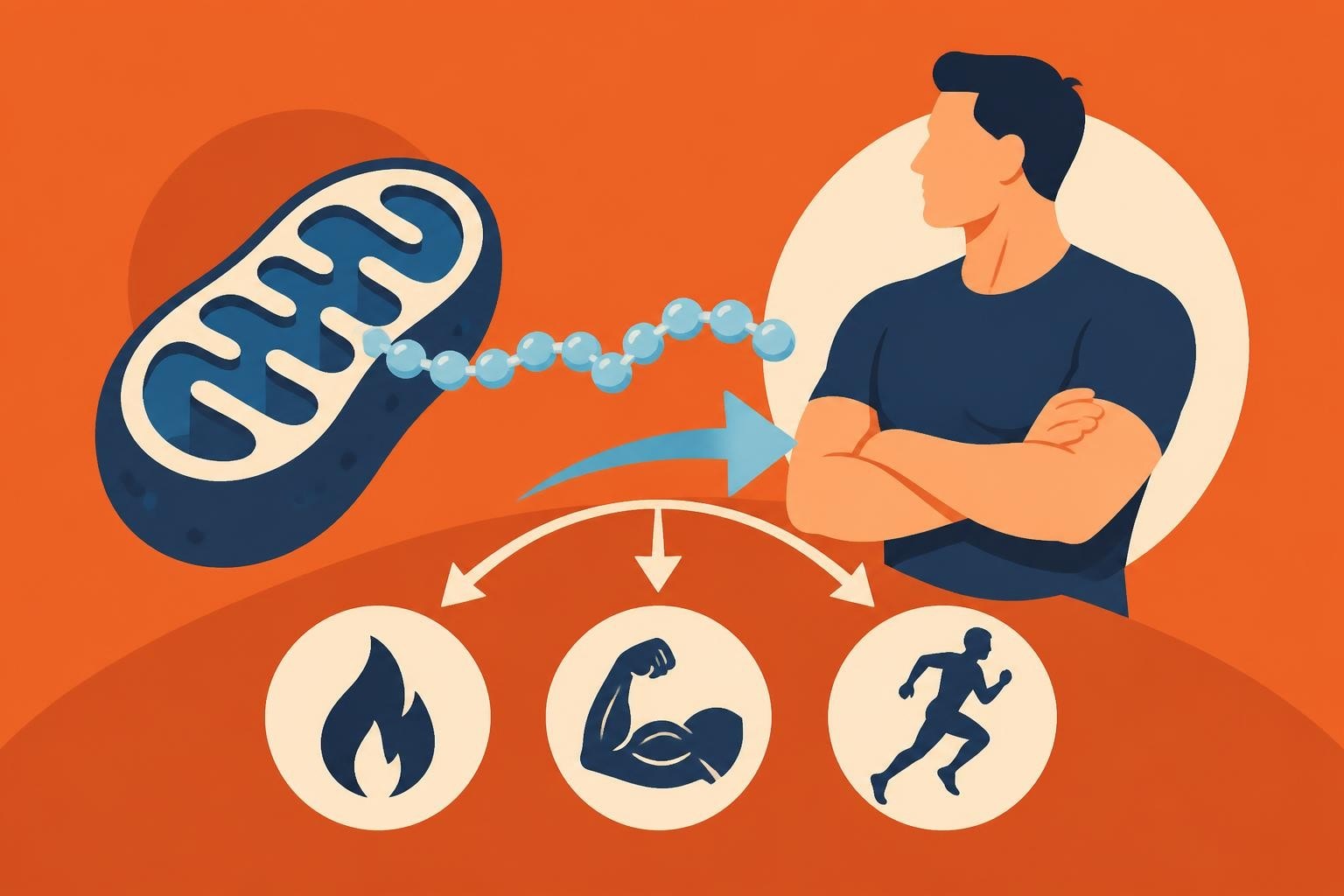
MOTS-C stands for mitochondrial open reading frame of the 12S rRNA-c. It's a 16-amino-acid peptide encoded in the mitochondrial genome, not the nuclear DNA most people think controls everything. Your mitochondria produce this peptide in response to metabolic stress and physical activity. Unlike most proteins coded by nuclear DNA, mots-c comes directly from the powerhouse of your cells.
This peptide acts as a signaling molecule between your mitochondria and the rest of your cellular machinery. When mitochondria detect stress, they release mots-c into the cytoplasm and bloodstream. From there, it travels to muscle tissue, the hypothalamus, and other metabolic control centers.
The Mitochondrial Connection
Your mitochondria don't just produce energy. They regulate it. MOTS-c functions as part of a communication network that tells your body how to respond to metabolic demands. Research published inNature Communications demonstrates that MOTS-c is an exercise-induced mitochondrial-encoded regulatorof age-dependent physical decline and muscle homeostasis.
Key functions of mots-c include:
Regulating glucose metabolism in skeletal muscle
Improving insulin sensitivity at the cellular level
Protecting against age-related metabolic dysfunction
Enhancing mitochondrial function during metabolic stress
Modulating systemic energy homeostasis
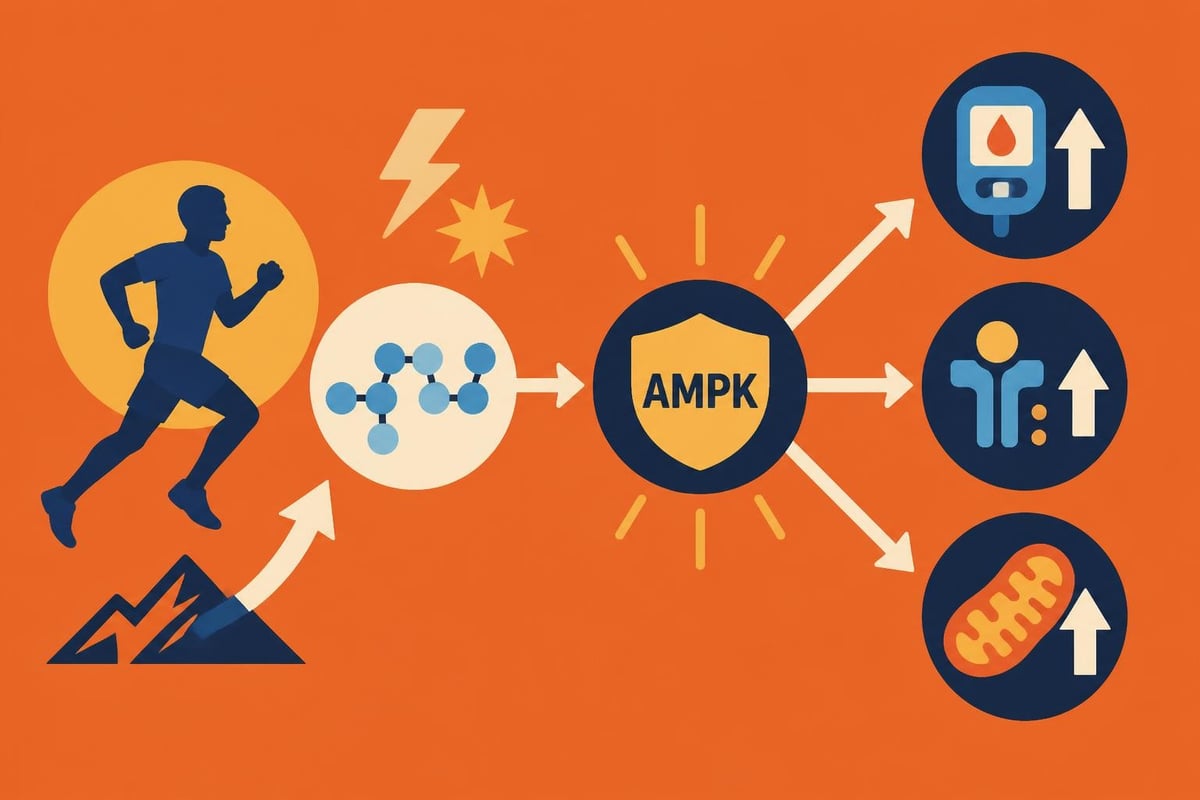
The peptide works through multiple pathways. One primary mechanism involves activation of AMPK (AMP-activated protein kinase), often called the body's metabolic master switch. When mots-c activates AMPK, it triggers a cascade of metabolic improvements: increased glucose uptake, enhanced fat oxidation, improved mitochondrial biogenesis.
Why MOTS-C Matters for Aging Men
At 35, most men start experiencing metabolic decline. It's not dramatic at first. You might notice it takes an extra day to recover from heavy training. Maybe body fat creeps up despite consistent habits. These aren't personal failures. They're biological realities driven by changes in mitochondrial function and peptide signaling.
MOTS-C levels decline with age. This reduction correlates directly with many age-related metabolic problems: decreased insulin sensitivity, reduced muscle mass, impaired glucose metabolism, and increased fat accumulation. The peptide doesn't just correlate with these issues. It regulates them.
Age RangeAverage MOTS-C ResponseMetabolic Impact20-30High baseline, strong exercise responseOptimal glucose metabolism, easy muscle gain35-45Declining baseline, moderate responseSlower recovery, gradual fat accumulation45-55Reduced baseline, blunted responseInsulin resistance risk, muscle loss acceleration55+Significantly reduced, limited responseMetabolic dysfunction, sarcopenia risk
This isn't about accepting decline. It's about understanding what you're working against so you can address it properly. The biological mechanisms that reduce mots-c production are real, but they respond to intervention.
The Muscle Preservation Problem
Muscle loss after 35 isn't inevitable, but it requires active defense. MOTS-c plays a direct role in muscle homeostasis, the delicate balance between muscle protein synthesis and breakdown. When mots-c levels drop, this balance tips toward catabolism. Your body becomes less efficient at building and maintaining muscle tissue even when training stimulus and nutrition are adequate.
The peptide enhances muscle's ability to take up and utilize glucose. This matters because glucose availability in muscle cells drives protein synthesis and recovery. Without adequate glucose uptake, your muscles can't fuel the repair process that follows training. MOTS-c improves this uptake independent of insulin, providing an alternative pathway for glucose metabolism.
Men who maintain higher mots-c levels (through the interventions discussed below) show better preservation of lean mass, faster recovery between training sessions, and improved adaptation to resistance training. This isn't theoretical. It's measurable in both research settings and real-world results.
Exercise and MOTS-C Production
Physical activity is the most powerful natural stimulus for mots-c production. Not all exercise creates equal response. The type, intensity, and duration of training all influence how much mots-c your mitochondria produce.
Exercise factors that increase mots-c:
High-intensity interval training: Short bursts of maximum effort create significant metabolic stress, triggering robust mots-c release
Resistance training: Heavy compound movements that recruit large muscle groups generate strong mitochondrial signaling
Metabolic conditioning: Work that challenges both aerobic and anaerobic systems
Training frequency: Consistent stimulus matters more than occasional heroic efforts
Progressive overload: Adaptation requires escalating challenge over time
The research is clear. Acute exercise increases circulating mots-c levels. Regular training maintains elevated baseline levels even at rest. This effect is dose-dependent: more training stress (within recovery capacity) produces greater mots-c response.

The Intensity Requirement
Comfortable exercise doesn't cut it. MOTS-c responds to metabolic stress, and metabolic stress requires intensity. A leisurely 30-minute walk has value, but it won't significantly impact mots-c levels. Your mitochondria need a reason to upregulate this peptide, and that reason is challenge.
For men atThe Father Forge, this aligns with the core programming philosophy: progressive resistance training combined with high-intensity metabolic work. This isn't about chasing exhaustion. It's about providing sufficient stimulus to trigger adaptive responses at the cellular level.
Three weekly sessions of true high-intensity work (whether intervals or heavy resistance training) produce measurable increases in mots-c levels within weeks. The key is reaching genuine intensity, not just sweating. Heart rate above 85% of maximum. Load that challenges your last few reps. Intervals where you can't maintain conversation.
Metabolic Health and Insulin Sensitivity
MOTS-c directly influences how your body handles glucose and insulin. This matters because insulin sensitivity is the foundation of body composition, energy levels, and long-term metabolic health. Men over 35 face increasing insulin resistance as a default trajectory. MOTS-c provides a mechanism to counter this decline.
The peptide improves glucose uptake in skeletal muscle through insulin-independent pathways. When mots-c levels are adequate, your muscles can pull glucose from the bloodstream without requiring as much insulin. This reduces pancreatic stress, lowers circulating insulin levels, and improves overall metabolic flexibility.
The Glucose Disposal Advantage
Think of mots-c as an alternate route for glucose. Normal glucose metabolism relies heavily on insulin signaling. When insulin resistance develops (as it does in most aging men), glucose has nowhere to go. It circulates in the blood, eventually getting stored as fat or causing metabolic damage.
MOTS-c opens a parallel pathway. Muscle cells with adequate mots-c signaling can absorb and utilize glucose even when insulin sensitivity is impaired. This doesn't replace the need to address insulin resistance through diet and exercise, but it provides metabolic flexibility while you do that work.
Metabolic MarkerWith Adequate MOTS-CWith Low MOTS-CFasting GlucoseNormal range (70-90 mg/dL)Elevated (90-110 mg/dL)Insulin SensitivityPreserved or improvedProgressive declineFat OxidationEnhanced, especially during exerciseImpaired, glucose-dependentMuscle Glucose UptakeEfficient, insulin-independent pathwayPrimarily insulin-dependent
Recent findings show mots-c has additional protective functions.Research published in PNAS identifies MOTS-c as a mitochondrial-encoded host defense peptidewith direct antibacterial and immunomodulatory functions. This expands our understanding beyond metabolism into broader health protection.
Practical Applications for Training and Recovery
Understanding mots-c changes how you approach programming. The goal isn't just to train hard. It's to create the metabolic stress that triggers adaptive signaling while maintaining recovery capacity.
Training modifications to optimize mots-c response:
Schedule high-intensity work when you're fresh, not fatigued
Prioritize compound movements that recruit maximum muscle mass
Include 2-3 true HIIT sessions weekly (8-12 minutes of work intervals)
Maintain consistency over intensity: regular stimulus beats occasional heroics
Allow adequate recovery between sessions (48-72 hours for major muscle groups)
Recovery matters as much as training. MOTS-c production occurs during exercise, but the adaptive response happens during recovery. Sleep deprivation, chronic stress, and inadequate nutrition all blunt this response. You can train perfectly and still fail to generate adequate mots-c if recovery is compromised.
Nutrition Timing and Metabolic Flexibility
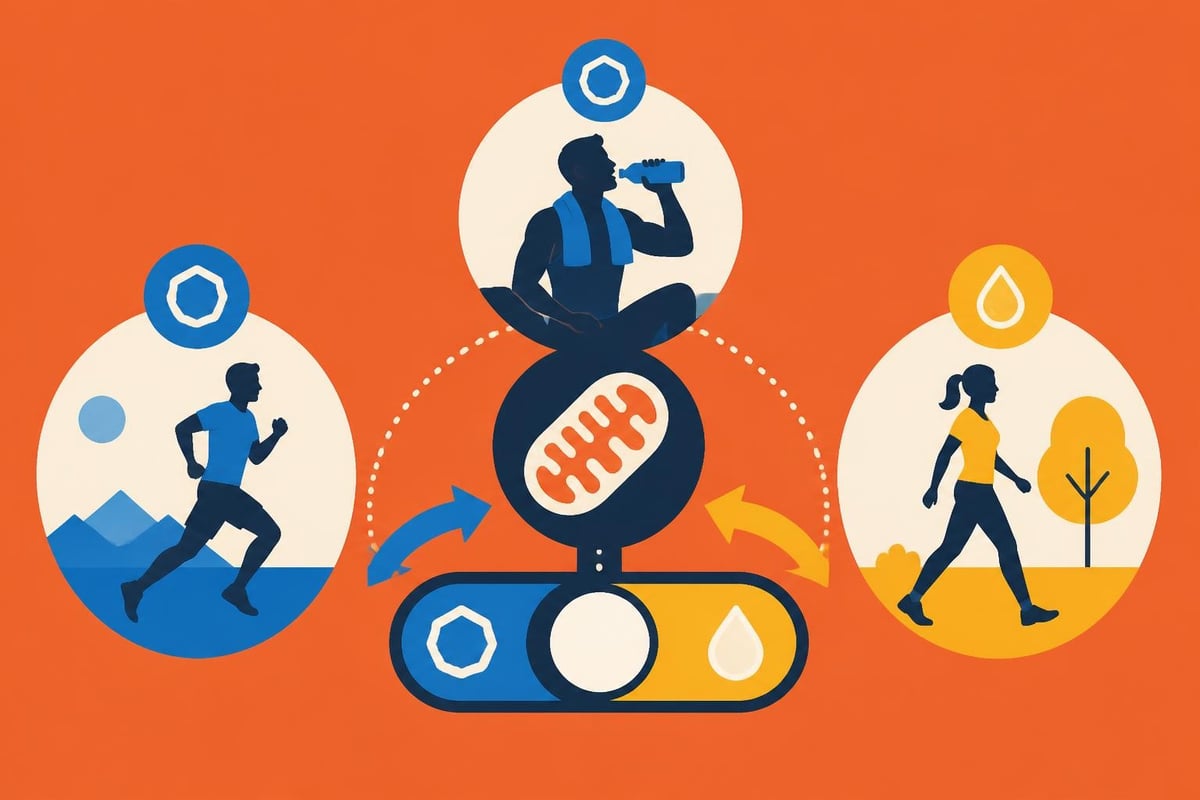
MOTS-c improves metabolic flexibility, your body's ability to switch between fuel sources. This makes nutrient timing more forgiving but doesn't eliminate its importance. Post-training nutrition still matters. The advantage is that with adequate mots-c signaling, your muscles remain receptive to glucose uptake for longer periods after training.
This means you have a wider window for post-workout nutrition. Instead of rushing to consume carbohydrates within 30 minutes, you maintain glucose uptake capacity for several hours. This flexibility is particularly valuable for men balancing training with work and family obligations.
Fasting and time-restricted eating can enhance mots-c production by creating metabolic stress. The key is strategic application. Short-term fasting (16-18 hours) before training can amplify the mots-c response to exercise. Extended fasting without adequate refeeding impairs it.
Age-Related Decline and Intervention Strategies
MOTS-c levels decline with age, but this decline isn't uniform. Lifestyle factors influence the rate significantly. Men who maintain high activity levels, particularly intense training, show much smaller age-related reductions than sedentary men.
The decline starts gradually around 35 and accelerates after 50. By 60, many men have mots-c levels 40-50% lower than their peak. This reduction directly correlates with the metabolic changes we accept as normal aging: muscle loss, fat gain, reduced energy, impaired glucose metabolism.
Strategic Intervention Points
Primary interventions to maintain mots-c levels:
Consistent high-intensity training (minimum 3x weekly)
Progressive resistance training with adequate load
Sleep optimization (7-9 hours, consistent schedule)
Stress management (chronic cortisol impairs mitochondrial function)
Adequate protein intake (supporting muscle mass that produces mots-c)
These aren't optional nice-to-haves. They're biological requirements if you want to counter age-related metabolic decline. The men who age well aren't lucky. They maintain the lifestyle factors that support mitochondrial health and peptide production.
Cold exposure shows promise for enhancing mots-c production through metabolic stress. Regular cold immersion (2-3 minutes at 50-55°F) creates the kind of challenge that triggers adaptive responses. This isn't comfortable, but comfort doesn't drive adaptation.
The Brotherhood Accountability Factor
Knowledge without application is worthless. You can understand every mechanism of mots-c and still fail to generate adequate levels because you don't maintain the training consistency required. This is where environment matters more than information.
Men who train alone often lack the accountability to maintain true intensity. They skip the uncomfortable sessions. They cut volume when fatigue sets in. They rationalize reduced effort. This isn't a character flaw. It's a predictable outcome of training in isolation.
TheGroup Coaching Communityexists specifically to address this gap. Weekly calls provide external accountability. Brotherhood support creates the environment where consistent intensity becomes the standard, not the exception. Other men watching you train differently than you training alone with a workout plan.
Supplementation and Exogenous MOTS-C
Synthetic mots-c is available as a research peptide. Some men use exogenous mots-c to bypass the need for intense training stimulus. This misses the point entirely. The goal isn't just elevated mots-c levels. It's the adaptive response that creates those levels.
When you inject mots-c, you get temporary elevation without the training adaptations that should accompany it. Your mitochondria don't improve. Your insulin sensitivity doesn't develop through cellular stress and recovery. You're borrowing the marker without earning the adaptation.
Considerations for exogenous mots-c:
Short-term use may support recovery during injury or illness
Does not replace training stimulus for long-term adaptation
Regulatory status remains unclear (not FDA approved)
Natural production through training provides superior overall adaptation
Cost and access issues make it impractical for most men
The men who get real results focus on natural production through consistent training, adequate recovery, and proper nutrition. This builds the foundation that lasts. Exogenous peptides might provide a temporary boost, but they don't create the systemic improvements that come from earned adaptation.
Integration with Overall Health Strategy
MOTS-c is one piece of metabolic health, not the complete picture. Optimizing this peptide matters, but it sits within a broader framework of hormonal health, nutrient status, sleep quality, stress management, and training consistency.
Men who chase individual markers (testosterone, growth hormone, insulin sensitivity, mots-c) without addressing the complete system make minimal progress. The body doesn't operate in isolated pathways. Everything connects. MOTS-c influences insulin sensitivity, which affects testosterone production, which impacts muscle protein synthesis, which determines training recovery, which drives mots-c production.
This interconnection is why cookie-cutter programs fail. Your metabolic response to training depends on your current mots-c levels, insulin sensitivity, recovery capacity, and hormonal status. These factors vary based on age, training history, stress load, and genetics. Effective programming accounts for individual variation while maintaining consistent application of core principles.
SystemMOTS-C InteractionPractical ImplicationHormonalInfluences testosterone utilizationTraining intensity matters more with ageMuscularRegulates glucose uptake and protein synthesisRecovery windows extend with adequate levelsMetabolicControls fuel substrate selectionMetabolic flexibility improves with trainingImmuneProvides antibacterial and anti-inflammatory effectsBetter resistance to training-related illness
The men who succeed long-term don't optimize one variable. They build systems that support multiple adaptations simultaneously. Training drives mots-c production, which improves insulin sensitivity, which supports body composition changes, which enhances hormonal health, which enables more training stimulus.
MOTS-C represents a critical piece of metabolic health that responds directly to the choices you make daily. Training intensity, recovery quality, and consistency determine whether you maintain or lose this protective peptide as you age. The Father Forge builds custom programs that create the metabolic stress and recovery framework your body needs to optimize mots-c production naturally, supporting the muscle gain, fat loss, and leadership presence you're working to build. If you're ready to stop chasing information and start building real adaptations,The Father Forgeprovides the structure and accountability that turns knowledge into results.