
Magnesium Glycinate: Performance Benefits for Fathers
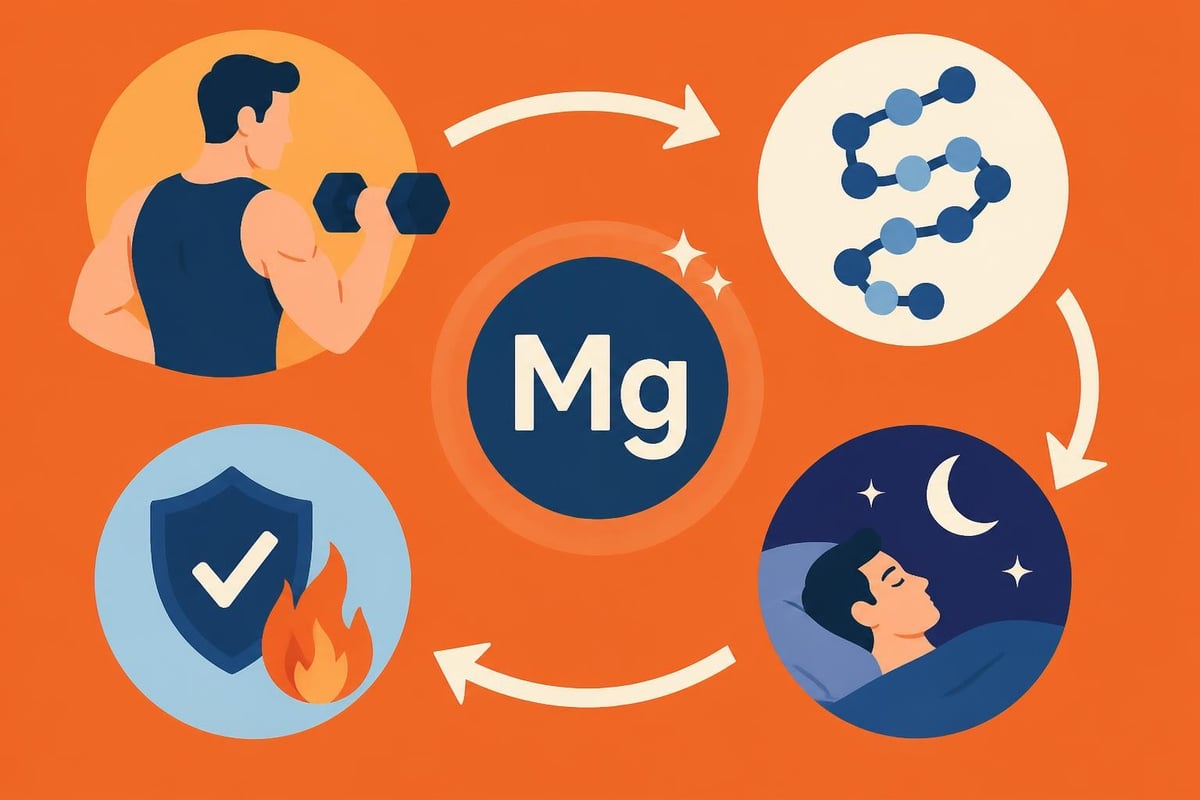
Most men operate in a constant state of depletion. You work hard, train harder, lead your family, and expect your body to perform without question. But here's the accountability checkpoint: when you ignore foundational inputs like magnesium, your system degrades. Energy drops. Sleep suffers. Recovery stalls. Magnesium glycinate isn't a supplement trend; it's a tool that addresses a documented deficiency affecting nearly half of American adults. This chelated form delivers bioavailable magnesium bound to glycine, an amino acid that enhances absorption and provides its own calming benefits. Understanding how it works and why it matters separates guessing from executing.
Why Magnesium Status Determines Your Capacity
Your body requires magnesium for over 300 enzymatic reactions. ATP production, protein synthesis, muscle contraction, nerve transmission, and blood glucose regulation all depend on adequate magnesium. When intake falls short, these systems don't fail immediately. They compensate by pulling from bone stores and reducing non-critical functions. The problem: you don't feel the deficit until performance degrades noticeably.
Low magnesium shows up as poor sleep quality, muscle cramps, irritability, and reduced exercise capacity. Fathers juggling work stress, training schedules, and family leadership operate in exactly the environment that depletes magnesium fastest. Stress hormones increase urinary magnesium loss. Intense training accelerates depletion through sweat and increased metabolic demand. Standard American diets, heavy on processed foods and light on leafy greens and nuts, provide insufficient replacement.
The Absorption Problem With Common Forms
Not all magnesium supplements deliver equal results. Magnesium oxide, one of the cheapest and most common forms, has poor bioavailability. Your intestines absorb only a fraction of the elemental magnesium because the compound doesn't dissolve well. What you don't absorb acts as an osmotic laxative, drawing water into your colon. That's why oxide forms frequently cause digestive distress without meaningfully improving magnesium status.
Magnesium citrate performs better for absorption but still carries laxative risk at higher doses. It serves a purpose for acute constipation relief, but sustained daily use for performance and recovery demands a gentler, more efficient option.
Magnesium glycinate solves both problems:
Chelated structure protects magnesium through the acidic stomach environment
Glycine binding enhances intestinal absorption
Minimal laxative effect even at therapeutic doses
Glycine itself supports neurotransmitter function and sleep quality

The chelation process bonds magnesium to two glycine molecules. This structure prevents premature breakdown in stomach acid and allows the intact compound to reach the small intestine where absorption occurs most efficiently. A systematic review examining magnesium's effects on anxiety and sleep highlights form-specific differences in clinical outcomes, noting better tolerance profiles with chelated forms.
Sleep Quality and Mental Resilience
Quality sleep determines recovery capacity. You can't build muscle, regulate hormones, or maintain emotional stability on five hours of fragmented rest. Magnesium glycinate addresses sleep through two mechanisms: magnesium's role in GABA neurotransmitter function and glycine's direct sleep-promoting properties.
Magnesium activates GABA receptors in the brain. GABA is your primary inhibitory neurotransmitter, responsible for quieting neural activity and promoting relaxation. Without adequate magnesium, GABA function decreases, leaving you wired despite physical exhaustion. This creates the familiar pattern of lying in bed, mentally rehearsing tomorrow's obligations while your body craves rest.
The Glycine Advantage
Glycine acts as an inhibitory neurotransmitter in the central nervous system. It lowers core body temperature, a necessary signal for sleep initiation. Research shows glycine supplementation improves subjective sleep quality, reduces sleep latency, and enhances daytime alertness following sleep. When bound to magnesium in the glycinate form, you receive both minerals working synergistically.
Practical sleep improvements men report:
Falling asleep within 15-20 minutes instead of 45-60
Fewer middle-of-night wakings
Reduced racing thoughts at bedtime
Better recovery sensation upon waking
Decreased reliance on sleep aids or alcohol for relaxation
This matters because fathers cannot lead effectively from a depleted state. Your patience, decision-making, and emotional regulation all degrade with poor sleep. Magnesium glycinate doesn't replace sleep discipline (consistent schedule, dark room, screen limits), but it removes a physiological barrier preventing quality rest.
Muscle Function and Recovery Optimization
Training breaks down muscle tissue. Recovery rebuilds it stronger. Magnesium sits at the center of this process through its role in protein synthesis, electrolyte balance, and inflammation modulation. When you train hard without adequate magnesium, recovery stalls and injury risk increases.
Magnesium regulates calcium flux in muscle cells. Calcium triggers muscle contraction; magnesium enables relaxation. Imbalanced ratios keep muscles in a semi-contracted state, manifesting as tightness, cramps, and reduced range of motion. This directly impacts movement quality and increases strain on connective tissue.
Recovery Factor | Magnesium's Role | Impact When Deficient |
|---|---|---|
Protein synthesis | Required for ribosomal function and amino acid activation | Reduced muscle growth despite adequate training and protein |
ATP production | Magnesium-ATP complex fuels cellular energy | Chronic fatigue, reduced training capacity |
Inflammation control | Modulates inflammatory cytokine production | Prolonged soreness, slower healing |
Sleep quality | GABA activation and glycine function | Poor recovery, elevated cortisol |
Men over 35 face declining recovery capacity naturally. Growth hormone production decreases. Inflammatory responses become more pronounced. Sleep quality often degrades. These realities demand better nutritional support, not harder training volume. Magnesium glycinate supplementation addresses the recovery side of the equation.
Dosing Strategy for Performance
General population recommendations sit around 400-420mg of elemental magnesium daily for men. Athletes and those under high stress require more. Sweat losses during intense training can exceed 15-20mg per hour. Stress-induced urinary losses add further depletion.
Starting with 200-400mg of magnesium glycinate taken 30-60 minutes before bed addresses both magnesium repletion and sleep support. Some men benefit from split dosing: 200mg with dinner and 200mg before bed. This approach maintains more stable blood levels throughout the recovery period.
Quality matters significantly. Cheap supplements may not contain the stated dose or may include magnesium oxide blends marketed as glycinate. Third-party testing verification ensures you're getting actual magnesium glycinate at the labeled potency. Much like quality nutrition supports overall wellness across different species, supplementation quality determines human results.
Stress Response and Nervous System Regulation
Chronic stress depletes magnesium faster than any other factor. The hypothalamic-pituitary-adrenal axis activation that occurs during stress increases urinary magnesium excretion. Simultaneously, stress elevates your body's magnesium requirements for neurotransmitter function and cellular energy production. This creates a depletion spiral: stress burns magnesium, low magnesium reduces stress tolerance, reduced tolerance elevates stress response.
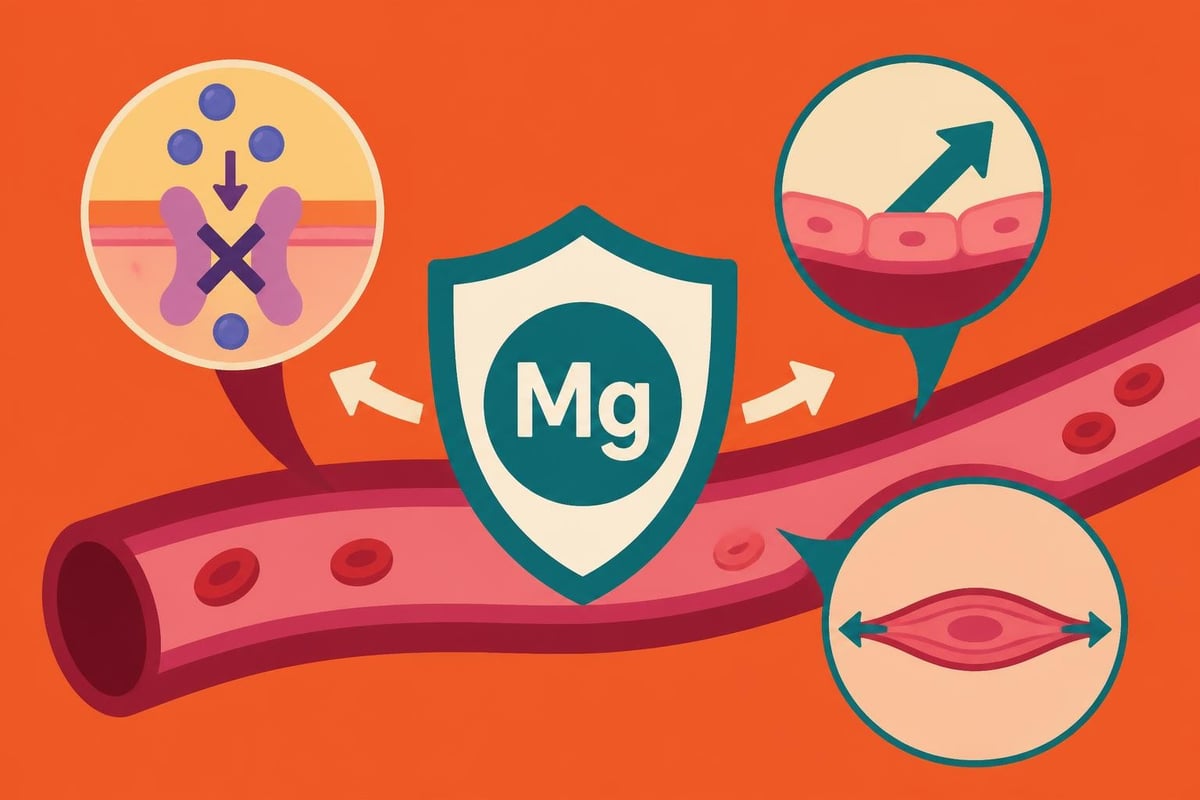
Magnesium acts as a natural calcium channel blocker in the nervous system. Excessive calcium influx into neurons heightens excitability and anxiety. Adequate magnesium prevents this overactivation, maintaining balanced neural signaling. Men describe this effect as "taking the edge off" without sedation or cognitive impairment.
The glycine component adds complementary benefit. As an inhibitory neurotransmitter, glycine reduces the neural excitability that manifests as irritability, racing thoughts, and difficulty relaxing. This combination makes magnesium glycinate particularly valuable for fathers managing work pressure, family leadership, and personal development goals simultaneously.
Nervous system benefits beyond sleep:
Reduced physical tension and jaw clenching
Better stress tolerance during high-demand periods
Improved focus without stimulant jitters
Lower baseline anxiety without mood alteration
Enhanced ability to shift from work mode to family presence
Many men in programs like Group Coaching Community discover that magnesium status directly affects their capacity for consistent leadership. When your nervous system operates in constant overdrive, patience disappears. Small obstacles trigger disproportionate reactions. You lose the ability to respond deliberately rather than react reflexively.
Cardiovascular Function and Blood Pressure
Magnesium influences cardiovascular health through multiple pathways. It regulates vascular smooth muscle tone, reducing arterial stiffness. It supports endothelial function, the inner lining of blood vessels responsible for healthy blood flow. It modulates inflammation and oxidative stress, both contributors to cardiovascular disease progression.
Clinical trials using magnesium glycinate demonstrate improvements in blood pressure regulation, particularly in individuals with pre-existing hypertension or metabolic syndrome. The mechanisms involve calcium channel blocking effects and improved nitric oxide bioavailability, allowing blood vessels to dilate appropriately.
Performance Implications
Cardiovascular efficiency determines work capacity. Better blood flow means improved oxygen delivery to working muscles, enhanced nutrient transport, and more efficient waste removal. For fathers balancing strength training, conditioning work, and active family time, cardiovascular function sets the ceiling on sustainable output.
Blood pressure management also directly relates to longevity. Hypertension accelerates arterial damage, increases heart attack and stroke risk, and contributes to cognitive decline over decades. Addressing modifiable factors like magnesium status represents basic maintenance work, not optional optimization.
Blood Sugar Control and Metabolic Health
Magnesium serves as a cofactor for enzymes involved in glucose metabolism and insulin signaling. Deficiency impairs insulin secretion from pancreatic beta cells and reduces insulin sensitivity in muscle and liver tissue. This creates a scenario where your body produces more insulin to achieve the same glucose control, accelerating the progression toward insulin resistance and type 2 diabetes.
Men with magnesium deficiency show significantly higher fasting glucose and hemoglobin A1c levels compared to those with adequate status. Supplementation in deficient individuals improves insulin sensitivity and glycemic control. For fathers working to maintain lean body composition while building strength, blood sugar stability determines your success.
Metabolic benefits of adequate magnesium:
Improved insulin sensitivity in muscle tissue
Better glucose uptake during and after training
Reduced post-meal blood sugar spikes
Enhanced fat oxidation during low-intensity activity
Lower inflammation markers associated with metabolic syndrome
Magnesium glycinate specifically offers advantages for metabolic health because the glycine component supports liver function and glucose metabolism independently. This dual action addresses blood sugar control through complementary mechanisms.
Managing metabolic health requires comprehensive programming that includes training, nutrition, sleep, and stress management. You can explore those integrated approaches through resources at The Father Forge, but supplementation fills documented gaps that diet alone often misses.
Practical Implementation and Timing Considerations
Supplement timing influences effectiveness. Magnesium glycinate taken before bed maximizes sleep and recovery benefits. The calming effects support the wind-down process, while sustained blood levels throughout the night fuel repair processes. Some men respond better to split dosing, particularly those training intensely or managing high stress loads.
Taking magnesium with food slightly slows absorption but reduces any potential digestive sensitivity. Empty stomach dosing works for most people with glycinate forms, but individual tolerance varies. Start with the evening dose and assess your response over seven to ten days before adjusting.
Quality markers to verify:
Third-party testing certification (NSF, USP, or similar)
Elemental magnesium content clearly stated (not just compound weight)
Actual glycinate form, not blended with oxide or other cheap forms
Manufacturing date and expiration for potency assurance
Supplement Form | Elemental Mg per 1000mg | Typical Dose | Best Use Case |
|---|---|---|---|
Magnesium Glycinate | ~140mg | 2-3 capsules | Sleep, recovery, daily maintenance |
Magnesium Citrate | ~160mg | 1-2 capsules | Acute constipation, temporary use |
Magnesium Oxide | ~600mg | 1 tablet | Not recommended (poor absorption) |
Magnesium Threonate | ~70mg | 3-4 capsules | Cognitive function focus |
Don't chase the highest elemental magnesium number. Bioavailability determines what your body actually uses. Magnesium glycinate's superior absorption makes lower elemental amounts more effective than higher doses of poorly absorbed forms.
Integration With Training and Nutrition
Supplementation doesn't replace foundational nutrition. Whole food sources provide magnesium along with complementary nutrients that enhance absorption and utilization. Spinach, pumpkin seeds, almonds, black beans, and dark chocolate all deliver meaningful amounts. But achieving optimal intake through food alone requires consistent planning most busy fathers don't execute.
Magnesium glycinate supplementation bridges the gap between ideal intake and realistic daily execution. It provides insurance against the gaps created by imperfect meal timing, training-induced losses, and stress-related depletion. This allows you to focus nutritional energy on protein intake, calorie management, and meal consistency rather than micromanaging every mineral.
Training intensity dictates magnesium needs. A father doing three strength sessions weekly with moderate conditioning has different requirements than one training six days with high-volume work and extensive metabolic conditioning. Honest assessment of your actual output determines appropriate dosing.
The goal is supporting adaptation, not masking inadequate recovery. If you're supplementing magnesium but still training through poor sleep, ignoring nutrition fundamentals, and skipping deload weeks, the supplement won't save you. It enhances a functional system; it doesn't replace system design.
Individual Response and Adjustment
Response to magnesium glycinate varies based on current status, stress load, training volume, and individual biochemistry. Men starting from severe deficiency notice dramatic improvements in sleep quality within three to five days. Those with borderline status experience subtler benefits over two to three weeks.
Some men report mild drowsiness when first starting supplementation, particularly at higher doses. This typically resolves as the body acclimates. If drowsiness persists, reduce the dose or shift timing earlier in the evening. Morning grogginess usually indicates either too high a dose or taking the supplement too close to bedtime without allowing proper absorption time.
Digestive response with magnesium glycinate is generally minimal. If you experience loose stools, you've exceeded your current absorption capacity. Reduce the dose and allow your body to adapt over two weeks before increasing again. Unlike magnesium oxide, which causes osmotic diarrhea at relatively low doses, glycinate-related digestive effects indicate you're approaching saturation.
Signs of improving magnesium status:
Sleep latency decreases to 15-20 minutes
Muscle cramps during or after training disappear
Recovery between sessions feels more complete
Stress tolerance improves without personality changes
Training performance maintains consistency week to week
Track objective markers rather than relying solely on subjective feeling. Sleep duration logged consistently, training volume sustained without forced deloads, and mood stability in high-stress periods all indicate improved physiological resilience.
Magnesium glycinate addresses a documented deficiency that undermines performance, recovery, and long-term health. The chelated form delivers superior absorption with minimal digestive issues, while the glycine component provides complementary benefits for sleep and nervous system function. Supplementation doesn't replace disciplined training, consistent nutrition, or adequate sleep, but it removes a barrier preventing those fundamentals from working fully. The Father Forge builds custom programs addressing fitness, mindset, and leadership because sustainable performance requires integrated systems, not isolated tactics. Start with what you can control today.