Ice Bath Benefits: The Science Behind Cold Exposure
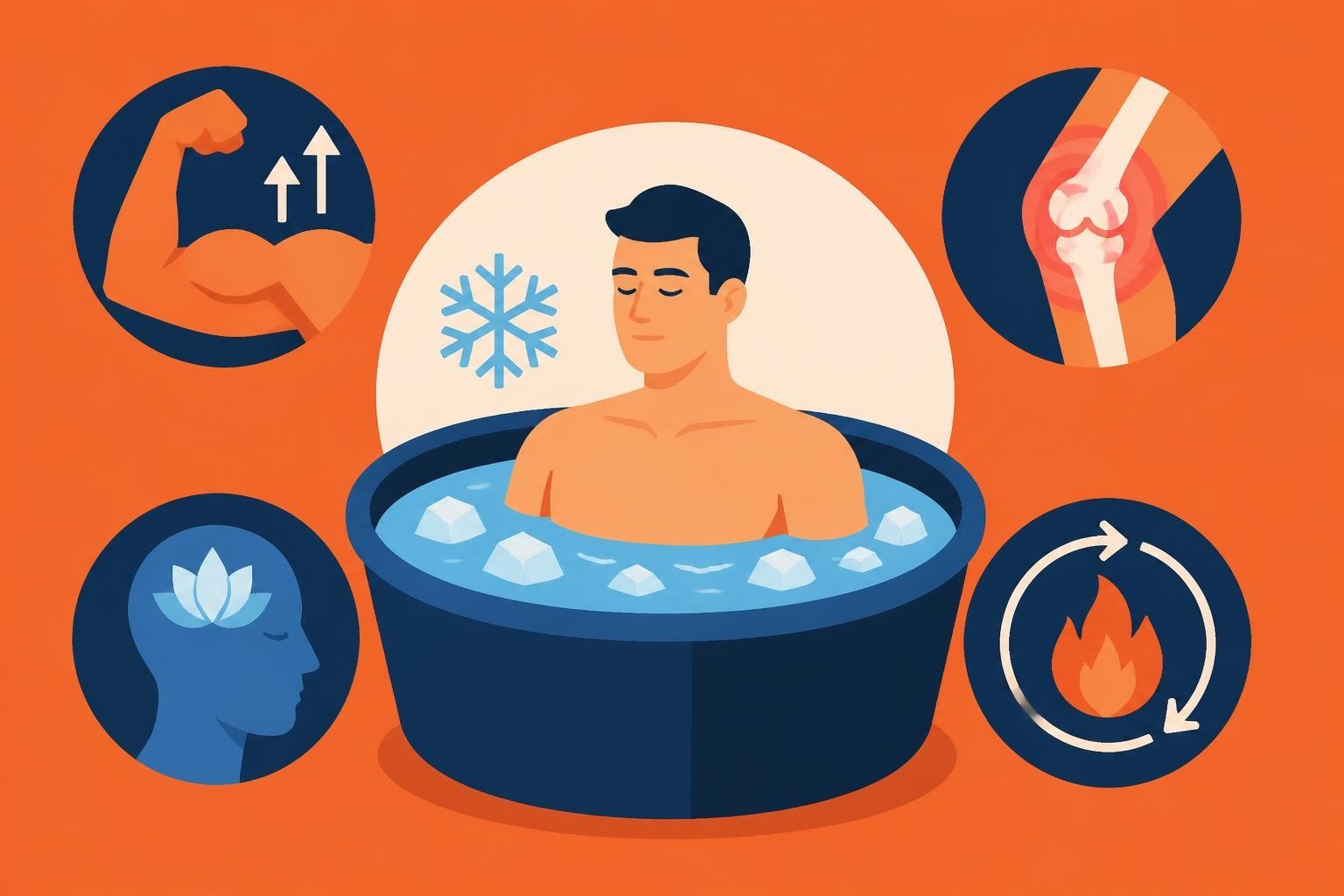
You don't step into cold water because it feels good. You do it because it builds the man you're accountable to become. Ice bath benefits extend far beyond the temporary shock to your nervous system. They reveal whether you control your environment or your environment controls you. For fathers over 35 juggling leadership at home, career demands, and fitness goals, cold immersion represents a non-negotiable tool for recovery, mental toughness, and physical adaptation. This is not a trend. The practice has roots in military conditioning, athletic performance protocols, and cultures that understood hardship as teacher. What matters now is understanding the mechanisms, implementing the protocols correctly, and applying cold exposure as one component of a complete approach to self-mastery.
The Physiological Response to Cold Water Immersion
Your body responds to cold water with immediate, measurable changes. These responses create the foundation for recovery benefits and adaptive stress that strengthens systems over time.
Vasoconstriction and Blood Flow Dynamics
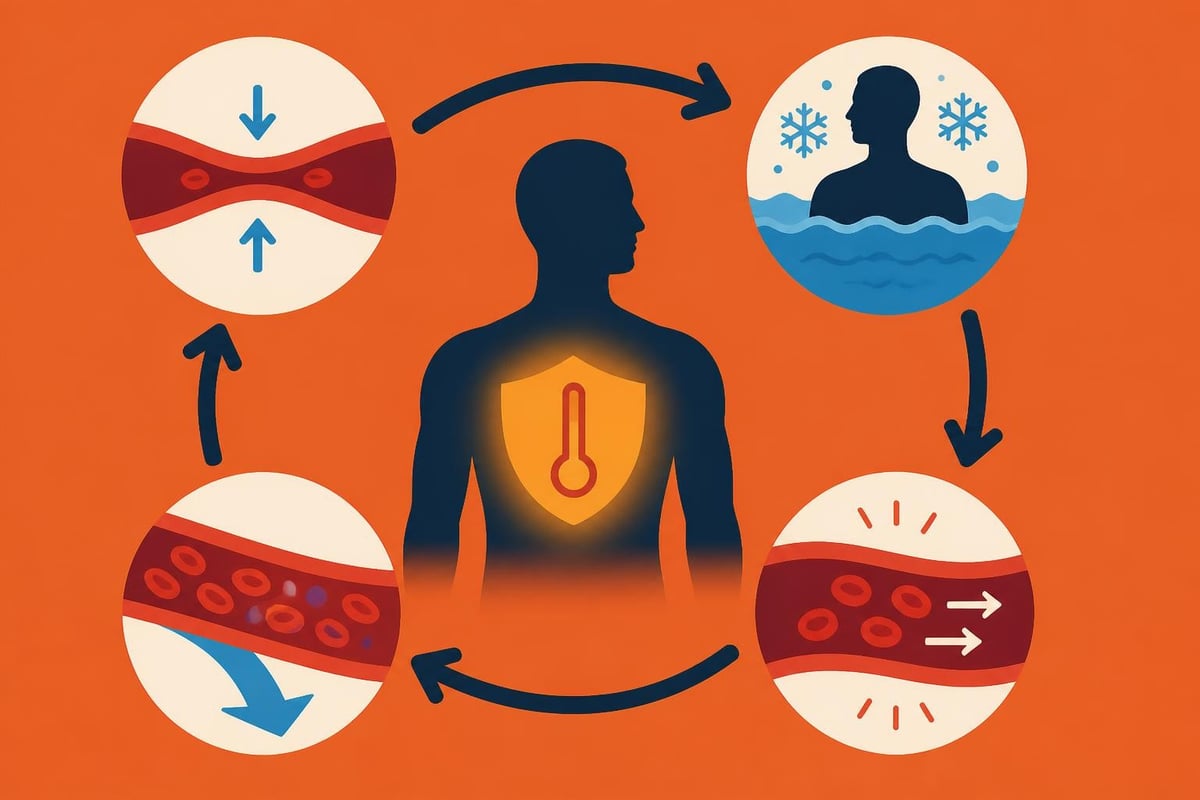
Cold water triggers peripheral vasoconstriction. Blood vessels near your skin surface constrict, redirecting blood flow toward your core organs. This protective mechanism reduces heat loss and maintains core temperature. When you exit the cold, vasodilation follows, and fresh, oxygenated blood floods back into muscles and tissues. This flush effect removes metabolic waste products accumulated during training sessions.
The cycle of constriction and dilation acts as a vascular workout. Your circulatory system adapts to this stress. Over weeks and months, this adaptation may improve overall circulation efficiency, though the evidence base continues to develop. What remains clear: the immediate blood flow changes are real and measurable.
Inflammatory Modulation and Muscle Recovery
Research on cold-water immersion for exercise-induced muscle damage demonstrates measurable effects on inflammation markers and perceived soreness. The cold reduces local tissue temperature, which slows cellular metabolism and decreases the inflammatory cascade triggered by hard training.
Key inflammatory responses include:
Reduced production of pro-inflammatory cytokines
Decreased tissue swelling through reduced fluid accumulation
Lowered muscle temperature that slows secondary tissue damage
Blunted pain perception through reduced nerve conduction velocity
This does not mean inflammation is your enemy. Inflammation drives adaptation. The question becomes timing and magnitude. Ice bath benefits include managing excessive inflammation that interferes with function without eliminating the signals your body needs to grow stronger. For fathers training hard while managing work stress and inadequate sleep, this balance matters.
Nervous System and Stress Hormone Adaptation
Cold exposure activates your sympathetic nervous system. Your heart rate spikes. Adrenaline floods your bloodstream. Cortisol levels rise initially. This is acute stress, the kind that builds resilience when managed correctly.
Hormone | Immediate Response | Adaptation Over Time |
|---|---|---|
Norepinephrine | Sharp increase | Improved stress tolerance |
Cortisol | Moderate elevation | Better regulation |
Endorphins | Post-exposure rise | Enhanced mood stability |
Dopamine | Sustained elevation | Increased motivation baseline |
Regular cold exposure trains your stress response system. You learn to maintain composure under physiological pressure. This capacity transfers. The father who controls his breathing in 40-degree water controls his tone when his teenager tests boundaries at dinner. The connection is not metaphorical. It is neurological.
Performance and Recovery Applications
The practical question: does cold water improve your training outcomes? The answer depends on your goals, timing, and implementation.
Post-Exercise Recovery Protocols
Studies examining cold-water immersion parameters reveal that temperature, duration, and timing all influence outcomes. Ice bath benefits for recovery appear most pronounced when implemented within two hours post-training.
Evidence-supported protocol ranges:
Temperature: 50-59°F (10-15°C) shows consistent benefits
Duration: 10-15 minutes per session
Frequency: 2-4 times weekly based on training intensity
Timing: Immediately post-workout or within 60-120 minutes
Higher-intensity sessions justify more aggressive recovery interventions. If you're running high-volume training blocks or competing in events, cold immersion becomes a tool for managing cumulative fatigue. For moderate training focused on health and body composition, less frequent application still provides benefit without interfering with adaptation signals.
Athletic Performance Considerations
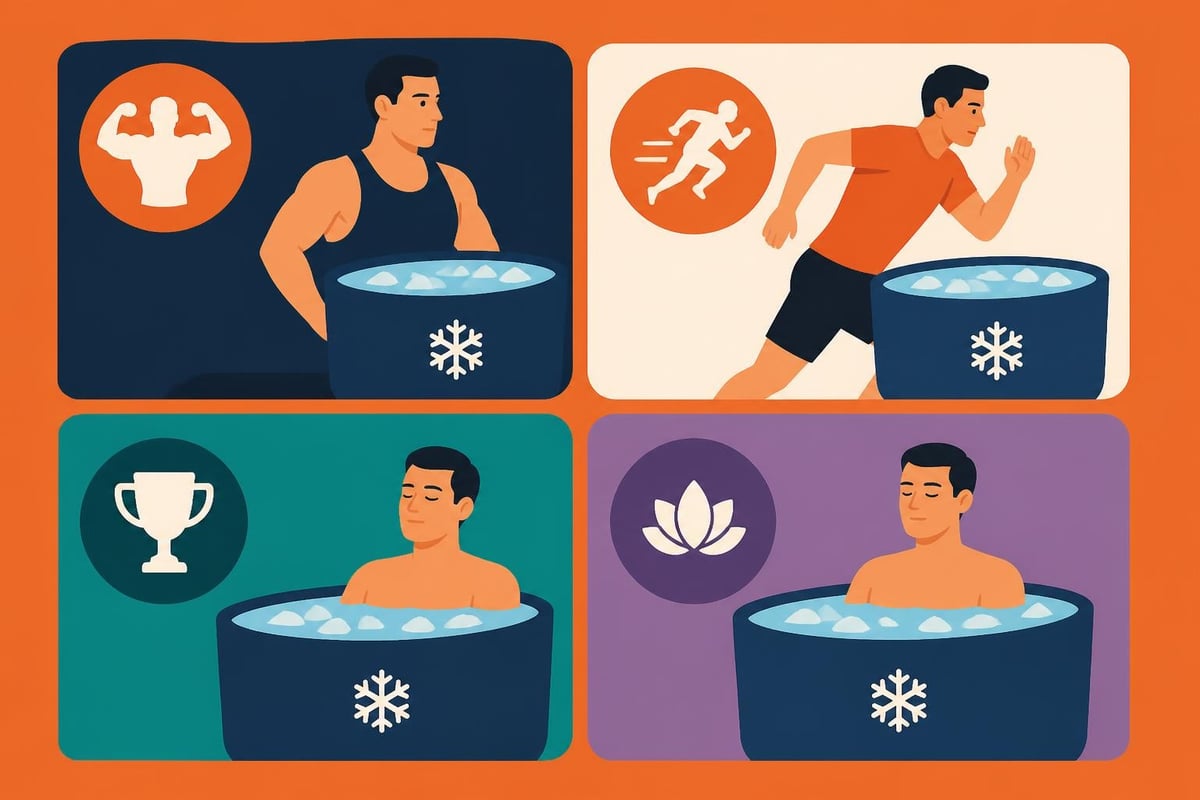
Research on post-exercise hot and cold water immersion shows that timing matters for strength and hypertrophy goals. Cold immediately after resistance training may blunt some adaptive signals that drive muscle growth. The cold reduces the inflammatory response that contributes to protein synthesis signaling.
This creates a decision point. If your primary goal is maximal muscle growth, limit cold exposure immediately post-resistance training. Use it on off-days or after conditioning work. If your goal includes managing soreness to maintain training frequency, the trade-off may favor cold exposure despite potential blunting effects.
For fathers balancing multiple demands, training consistency often matters more than optimizing every physiological variable. If cold water helps you show up tomorrow, it serves your larger mission. That said, understand the trade-offs and structure your approach accordingly. The Father Forge Group Coaching Community helps men navigate these decisions within their specific context and constraints.
Mental Resilience and Psychological Benefits
Ice bath benefits extend beyond tissue recovery. The psychological component often proves more valuable than the physical effects.
Voluntary Stress Exposure
You choose to enter cold water. This voluntary stress creates a controlled environment for building mental toughness. Unlike the involuntary stressors of work deadlines, family conflict, or financial pressure, you control the entry, duration, and exit.
This control teaches pattern recognition. Your mind generates catastrophic predictions as you approach the cold. Your body screams for exit during the first 30 seconds. Then systems stabilize. Heart rate settles. Breathing deepens. You prove your initial panic response was false threat assessment.
Improved Stress Regulation
Systematic reviews of cold-water immersion's psychological outcomes document improvements in mood, perceived stress levels, and anxiety symptoms with regular practice. The mechanism likely involves multiple pathways: stress hormone regulation, endorphin release, and learned stress tolerance.
The practical application: fathers face decision-making under pressure daily. The man who maintains composure during physiological stress translates that capacity to high-stakes conversations, conflict resolution, and crisis management. Cold water is training environment for real-world leadership demands.
Building Daily Discipline
Ice baths create an observable commitment. You either did it or you didn't. No gray area. No partial credit. This binary accountability builds the discipline muscle required for long-term fitness and life goals.
Discipline reinforcement mechanisms:
Morning cold exposure sets a tone of uncomfortable action before comfort
Regular practice builds streak mentality and routine adherence
Physical discomfort normalizes resistance in other areas
Immediate feedback loop between decision and execution
Most men don't lack information about what to do. They lack the disciplined execution required to apply what they know. Cold water removes the information excuse. The path is clear. The only question is whether you'll walk it.
Implementation Protocols and Safety Considerations
Knowledge without application is entertainment. Here's how to implement ice bath protocols safely and effectively.
Progressive Adaptation Approach
Start conservatively. Your first exposure should not be a 15-minute plunge into 40-degree water. Progressive adaptation prevents excessive stress and builds sustainable practice.
Week | Temperature | Duration | Frequency |
|---|---|---|---|
1-2 | 60-65°F | 3-5 min | 2x weekly |
3-4 | 55-60°F | 5-8 min | 2-3x weekly |
5-6 | 50-55°F | 8-12 min | 3-4x weekly |
7+ | 45-50°F | 10-15 min | As needed |
This progression allows physiological and psychological adaptation. Your cold tolerance improves. Your stress response moderates. The practice becomes sustainable rather than traumatic.
Equipment and Setup Options
You don't need specialized equipment to access ice bath benefits. Multiple approaches work depending on resources and constraints.
Dedicated cold plunge tub: Purpose-built units with temperature control (investment: $3,000-8,000)
Stock tank: Agricultural feed tanks work well (investment: $200-400)
Bathtub with ice: Standard tub filled with cold water and bagged ice (investment: minimal)
Natural bodies of water: Lakes, rivers, ocean in appropriate seasons (investment: none)
The optimal setup is the one you'll actually use. A $5,000 cold plunge gathering dust serves no purpose. A $200 stock tank you use three times weekly delivers results.
Safety Protocols and Contraindications
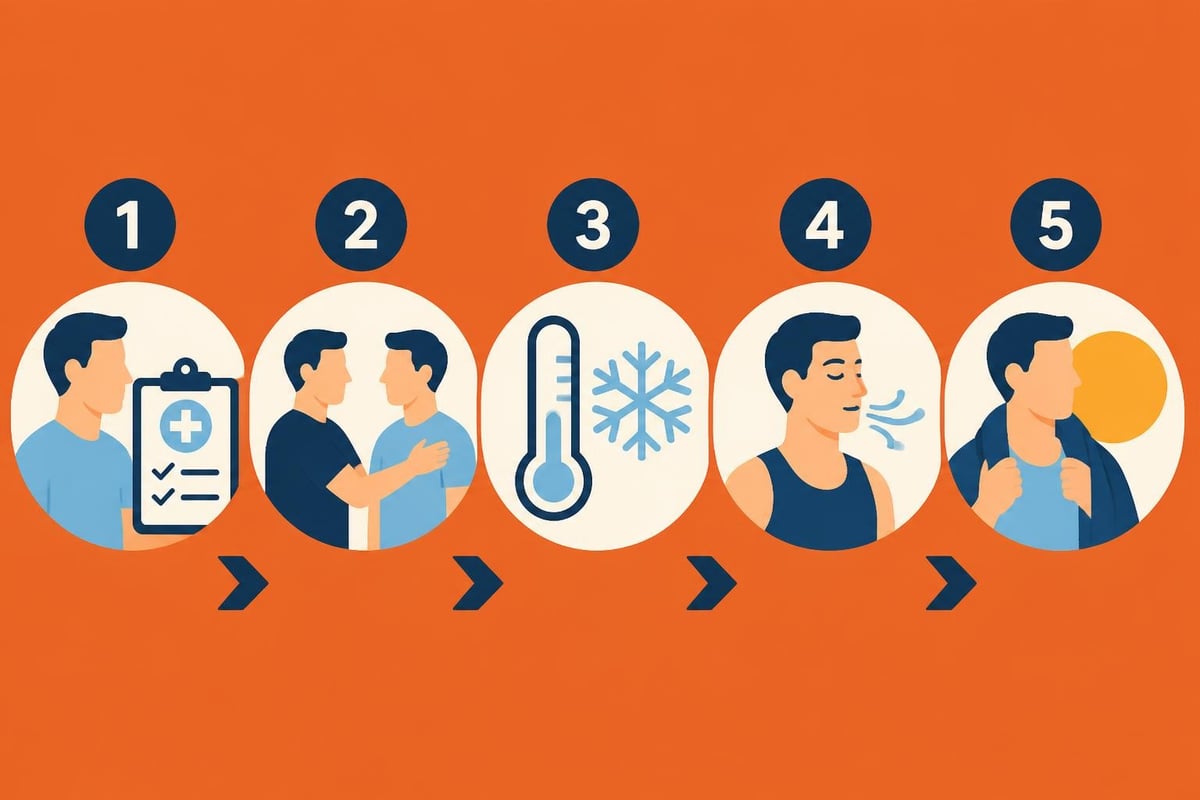
Cold water immersion carries risks if implemented recklessly. Certain conditions create contraindications requiring medical clearance before beginning cold exposure practice.
Absolute contraindications include:
Uncontrolled high blood pressure
Recent heart attack or unstable cardiac conditions
Raynaud's disease or severe cold sensitivity
Pregnancy (consult physician)
Open wounds or infections
Safety protocols to follow:
Never practice alone initially; have someone present
Start with partial immersion (legs only) before full-body
Maintain controlled breathing throughout exposure
Exit immediately if experiencing chest pain, severe headache, or disorientation
Warm up gradually post-immersion; avoid hot showers immediately
The goal is adaptive stress, not dangerous stress. Smart implementation requires respecting physiological limits while progressively expanding capacity. Recovery aids like quality sports massage can complement your cold immersion practice. PROMASSEURS connects you with licensed male massage therapists worldwide who specialize in recovery-focused techniques including sports massage and deep tissue work.
Integration With Broader Recovery Strategy
Cold water sits within a complete recovery system. It is not the system itself.
Sleep as Foundation
No recovery tool compensates for inadequate sleep. Ice bath benefits enhance recovery, but sleep remains the primary driver of adaptation, hormone regulation, and cognitive function. Fathers sacrificing sleep to add cold exposure miss the point entirely.
Recovery hierarchy:
Sleep quality and duration (7-9 hours nightly)
Nutrition adequacy and timing
Training programming and load management
Active recovery and movement quality
Supplemental tools (cold exposure, massage, compression)
Address the foundation before adding the supplements. A father sleeping five hours nightly while cold plunging daily has inverted the priority structure. Fix sleep first. Then add cold exposure as enhancement to an already solid foundation.
Nutrition and Hydration Considerations
Cold exposure increases metabolic demands. Your body burns calories to maintain core temperature. Ensure adequate caloric intake to support both training adaptation and cold exposure practice.
Hydration matters. Cold-induced diuresis increases urination, potentially leading to dehydration if intake is inadequate. Monitor urine color and maintain consistent fluid intake throughout the day.
Combining With Other Recovery Modalities
Cold exposure pairs well with certain recovery tools and conflicts with others. Understanding the interactions prevents counterproductive combinations.
Synergistic combinations:
Cold exposure on off-days with light active recovery
Morning cold plunge before training for neural activation
Evening cold exposure followed by quality sleep hygiene
Periodic contrast therapy (alternating hot and cold)
Potentially counterproductive combinations:
Immediately post-resistance training when seeking maximal hypertrophy
During illness or immune system compromise
Combined with significant caloric restriction or inadequate nutrition
The context determines the application. The Father Forge approach integrates these tools within personalized programming that accounts for your specific goals, constraints, and recovery capacity.
Common Implementation Mistakes
Most men fail not from lack of effort but from misapplied effort. Avoid these patterns.
Excessive Frequency Without Adaptation
More is not always better. Daily cold exposure without progressive adaptation creates chronic stress rather than adaptive stress. Your body needs recovery from recovery interventions.
Three to four sessions weekly provides sufficient stimulus for most training contexts. Daily practice can work for experienced practitioners with adapted physiology, but jumping to daily exposure as a beginner invites problems.
Ignoring Individual Response Variation
Ice bath benefits show individual variation. Some men respond dramatically to cold exposure. Others show minimal response despite consistent practice. Genetic factors, training history, and metabolic individuality all influence outcomes.
Stop comparing your response to social media influencers documenting their practice. Your measure is personal progress, not someone else's highlight reel. Track your own metrics: sleep quality, perceived recovery, training performance, and mood stability.
Poor Breathing Control
Breath control separates productive cold exposure from panic response. Gasping, hyperventilating, or breath-holding creates unnecessary stress and reduces time in the cold.
Effective breathing protocol:
Pre-immersion: Take 5-10 slow, controlled breaths
Entry phase: Maintain slow nasal breathing as you enter
Initial shock: Resist the gasp reflex; slow your exhale
Stabilization: Return to nasal breathing; count breaths as focal point
Exit: Maintain controlled breathing during warming phase
This skill requires practice. Your first attempts will feel chaotic. That's expected. The pattern improves with repetition. Context about breathwork and cold exposure trends from recent research can help you understand the broader picture while avoiding hype.
Neglecting Progressive Overload
You apply progressive overload to strength training. Apply the same principle to cold exposure. Gradually decrease temperature, increase duration, or add frequency as adaptation occurs.
Staying at 60-degree water for three minutes forever prevents further adaptation. Push the boundaries systematically while respecting safety limits.
Practical Application for Fathers Over 35
The specific context matters. Fathers balancing career, family, and fitness face different constraints than full-time athletes or single men with unlimited recovery time.
Time-Efficient Implementation
A 10-minute ice bath three times weekly requires 30 minutes of direct time plus setup and breakdown. This is manageable even in compressed schedules. Early morning before the household wakes works well. Post-evening-workout while kids complete homework represents another option.
The key: treat it as non-negotiable appointment, not something you'll do if time permits. If time permits, it won't happen. Schedule it or skip it, but don't pretend middle ground exists.
Managing Family Logistics
Cold plunge equipment takes space. Stock tanks in garages, basements, or backyards require buy-in from your partner. Have the conversation directly: explain the purpose, demonstrate the commitment, and follow through consistently.
Your family needs to see results, not just hear promises. Let your improved mood, better sleep, and increased presence demonstrate value. They don't need to understand the science. They need to experience a better version of you.
Cost-Benefit Analysis for Busy Fathers
Time is your scarcest resource. Every recovery tool must justify its time investment with measurable return. Ice bath benefits need to earn their place in your protocol against competing demands.
Return on investment indicators:
Reduced training session soreness allowing consistent frequency
Improved sleep quality measured subjectively and objectively
Better stress regulation observed in family interactions
Enhanced mental clarity and decision-making capacity
If you're not seeing these returns within 4-6 weeks of consistent practice, reassess implementation. Either adjust the protocol or redirect that time to higher-leverage activities. Accountability means measuring outcomes, not blindly following protocols because they're popular. For fathers looking to outfit their cold exposure practice with quality recovery gear, CCN Sport manufactures premium custom cycling apparel and athletic wear using advanced sublimation processes that deliver durability and performance.
Training Context and Application Timing
When you apply cold exposure matters as much as whether you apply it.
Strength and Hypertrophy Phases
During dedicated muscle-building phases, limit cold exposure immediately post-resistance training. The potential interference with anabolic signaling outweighs acute recovery benefits. Instead, use cold exposure on off-days or schedule it several hours after training when the acute signaling window has closed.
This doesn't mean abandoning ice bath benefits during hypertrophy phases. It means timing application strategically to support, not undermine, your primary goal.
High-Volume Conditioning Blocks
When running high-frequency conditioning work, metabolic training, or sport-specific practice, cold immersion becomes more valuable. The recovery demands increase. Cumulative fatigue threatens training consistency. Aggressive recovery interventions help maintain the output required.
Post-match recovery evidence in trained athletes demonstrates that cold water immersion helps maintain performance across repeated high-intensity efforts separated by short recovery periods.
Competition and Event Preparation
During competition phases or event-specific preparation, cold exposure serves dual purposes: physical recovery and mental preparation. The psychological component may provide more value than the physical during peak weeks.
Use cold immersion to practice stress regulation under fatigue. Simulate the mental challenge of continuing when your body wants to quit. This creates resilience you'll access during competition.
Ice bath benefits provide measurable advantages for recovery, stress tolerance, and mental discipline when applied correctly within a complete training and recovery system. The practice requires progressive adaptation, attention to individual response, and integration with sleep, nutrition, and training programming as foundational elements. At The Father Forge, we build custom fitness and mindset programs that integrate recovery protocols like cold exposure within your specific context as a father over 35, helping you develop the physical capacity, mental resilience, and disciplined execution required to lead effectively at home while pursuing your performance goals.