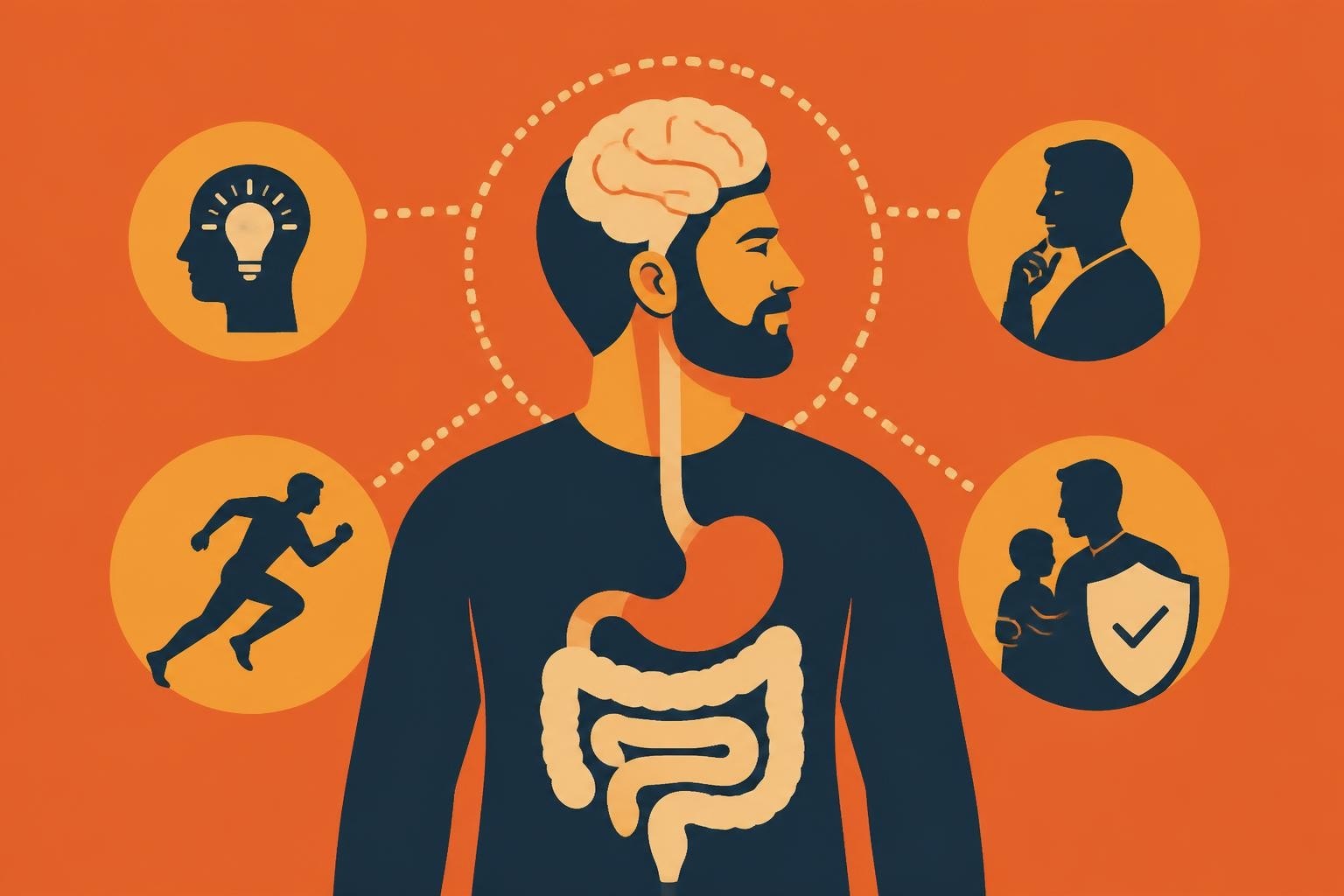
Gut Health: The Foundation of Performance and Leadership
You cannot lead your family from a position of physical weakness. You cannot make sound decisions when your body is fighting inflammation. You cannot model discipline when you lack the energy to enforce standards. These are not motivational statements. They are biological facts rooted in a system most men ignore: the digestive tract. Gut health determines whether you show up as the leader your family needs or as a version of yourself operating at half capacity. This is not about diet trends or elimination protocols. This is about understanding that the same discipline you apply to your training, your marriage, and your leadership must extend to how you fuel and maintain your body.
The Operational Reality of Your Digestive System
Your gut is not just a processing plant for food. It is a command center that influences every system in your body. The digestive tract houses approximately 70% of your immune system and produces 90% of your body's serotonin. When gut health deteriorates, you do not simply experience discomfort. You experience compromised immunity, disrupted sleep, impaired decision-making, and reduced physical performance.
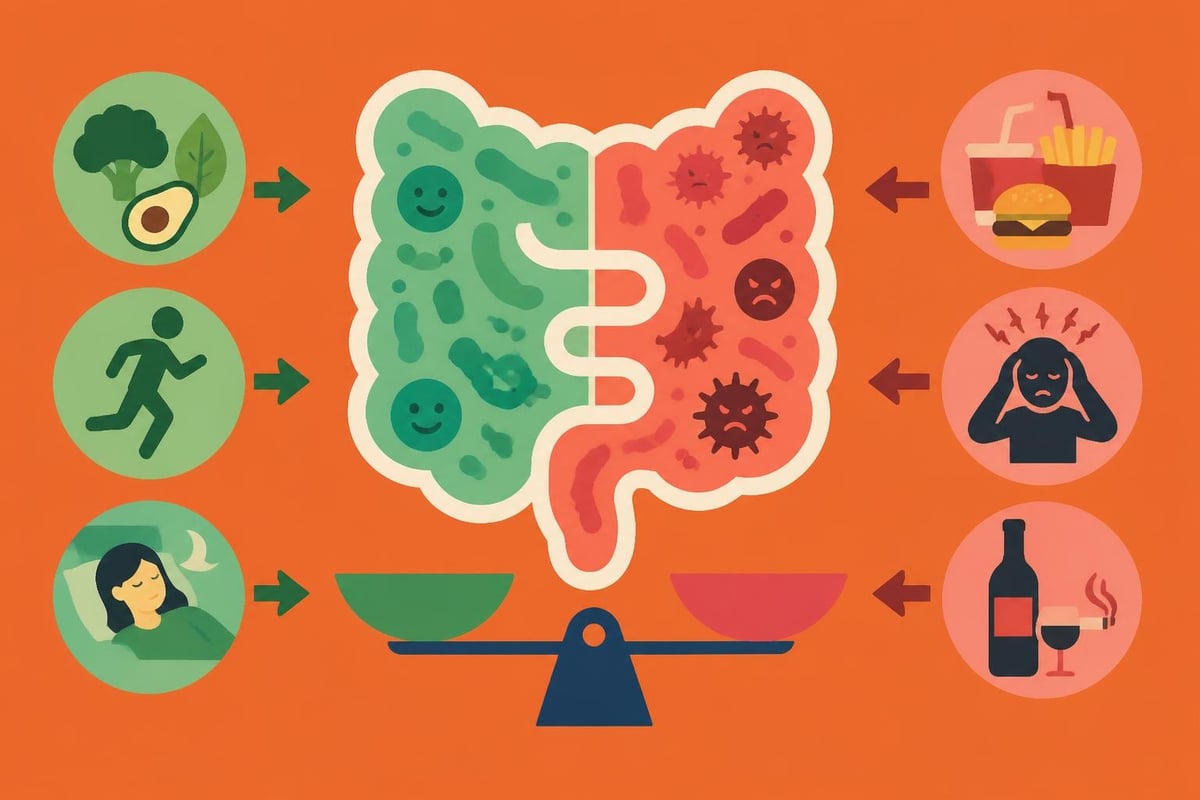
The gut microbiome contains trillions of bacteria, both beneficial and harmful. The balance between these populations determines your body's ability to extract nutrients, regulate inflammation, and maintain mental clarity.Research from Harvard Health demonstrates how specific dietary choicesdirectly influence this bacterial balance, creating either a supportive or hostile internal environment.
The Performance Cost of Poor Gut Health
When your digestive system operates inefficiently, you pay a tax on every physical and mental task. Nutrient absorption drops, meaning the protein you consume does not fully support muscle recovery. Inflammation rises, meaning joint pain increases and training capacity decreases. Energy production falters, meaning you rely on stimulants instead of sustainable metabolic function.
Consider these direct impacts:
Reduced testosterone productionlinked to chronic inflammation from poor gut health
Impaired recoverybetween training sessions due to decreased nutrient uptake
Brain fog and poor decision-makingcaused by inflammation crossing the blood-brain barrier
Increased body fat storageas insulin sensitivity declines
Weakened immune responseleading to more frequent illness
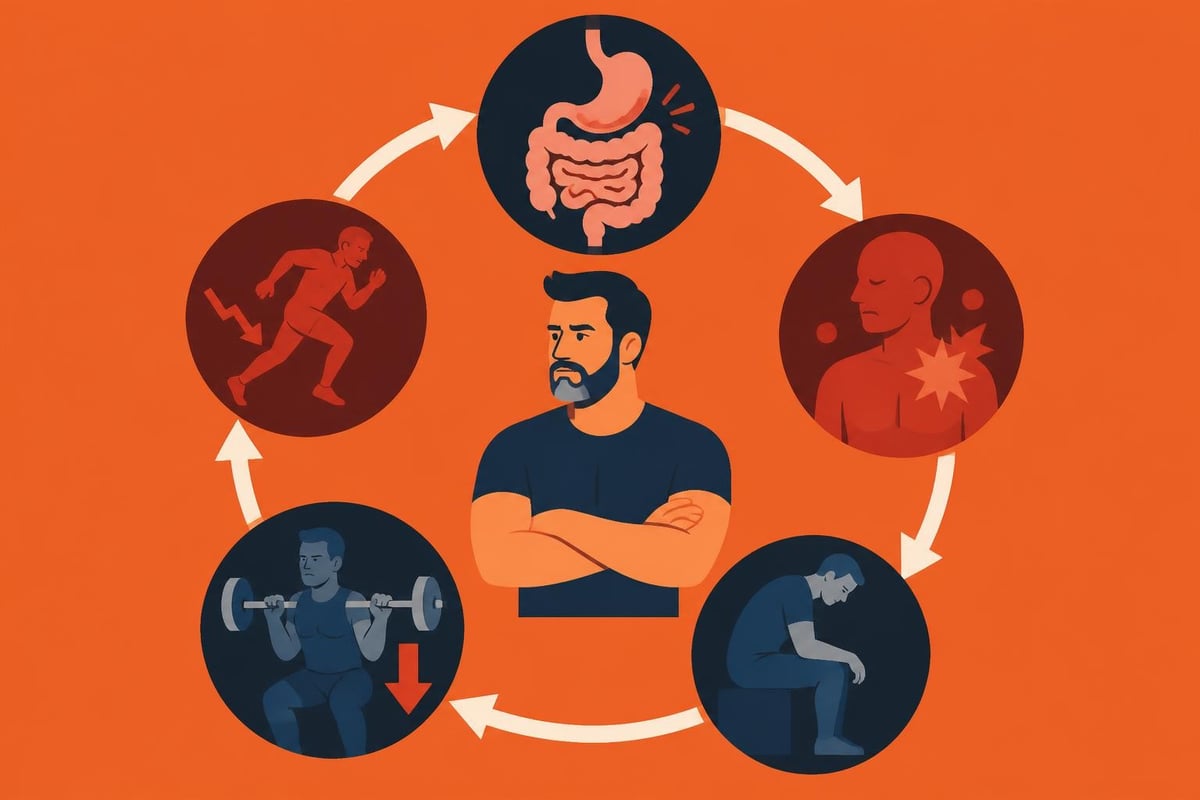
These are not isolated problems. They compound. A father who cannot recover properly trains less effectively. He then makes poorer nutrition choices because his energy is low. His sleep suffers because inflammation disrupts rest. His leadership at home declines because he operates in a constant state of physical stress. The environment you create inside your body determines the environment you create in your home.
Building a Gut Health Foundation Through Nutrition
You do not need complexity. You need consistency applied to proven principles.The Cleveland Clinic outlines clear pathwaysfor improving digestive function, and they all center on what you put in your mouth repeatedly.
Fiber: The Non-Negotiable
Most men consume 15 grams of fiber daily. The minimum effective dose is 25 to 30 grams. Fiber feeds beneficial bacteria, regulates blood sugar, and supports regular elimination. Without adequate fiber, your gut becomes a stagnant environment where harmful bacteria thrive.
High-fiber foods to prioritize:
Vegetables (broccoli, Brussels sprouts, leafy greens)
Legumes (lentils, black beans, chickpeas)
Whole grains (oats, quinoa, brown rice)
Fruits (berries, apples, pears)
You do not need to track fiber obsessively. You need to ensure every meal contains vegetables or legumes. That single standard, enforced daily, solves the majority of fiber deficiency.
Probiotics and Prebiotics: Feeding the Right Population
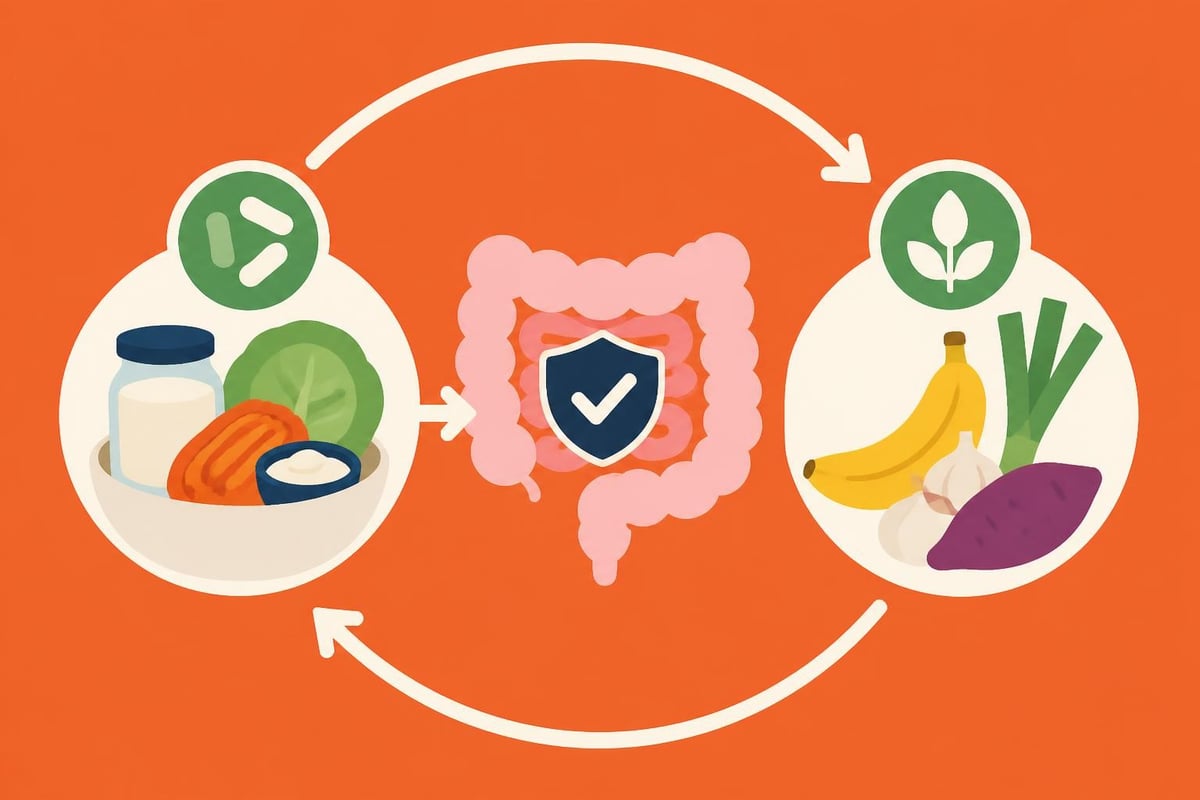
Probiotics are beneficial bacteria. Prebiotics are the food those bacteria need to survive. You need both. Probiotic-rich foods include yogurt, kefir, sauerkraut, kimchi, and kombucha. Prebiotic-rich foods include garlic, onions, asparagus, and bananas.
Food TypeExamplesPrimary BenefitProbioticYogurt, kefir, sauerkraut, kimchiIntroduces beneficial bacteriaPrebioticGarlic, onions, asparagus, bananasFeeds existing beneficial bacteriaFermentedMiso, tempeh, kombuchaSupports microbial diversity
The principle is simple: introduce good bacteria through fermented foods and feed them through prebiotic fiber. This is not a temporary diet adjustment. This is a permanent operational standard.
Protein Quality and Digestive Load
High protein intake supports muscle growth and fat loss, but protein quality matters for gut health. Processed meats, excessive red meat consumption, and low-quality protein powders create digestive stress. They increase harmful bacterial populations and contribute to inflammation.
Prioritize:
Lean poultry and fishas primary protein sources
Grass-fed beefin moderation (2-3 times weekly)
Plant proteinslike lentils and chickpeas to diversify amino acid sources
High-quality whey or plant-based protein powderswithout artificial sweeteners
Men over 35 require approximately 0.8 to 1 gram of protein per pound of body weight to maintain muscle mass. Meeting this requirement while supporting gut health means choosing cleaner sources and distributing intake across multiple meals rather than consuming massive portions in single sittings.
Lifestyle Factors That Destroy or Build Gut Health
Nutrition is foundational, but environment determines whether that foundation supports growth or collapses under stress.Harvard Health's research on the gut-heart connectionconfirms that lifestyle factors amplify or negate dietary efforts.
Sleep: The Uncompromising Standard
Poor sleep disrupts the gut microbiome. Studies show that even partial sleep deprivation alters bacterial populations toward inflammatory species. You cannot out-eat poor sleep. You cannot supplement your way past chronic sleep debt.
The standard is seven to eight hours nightly. Not as an average across a week. Every night. This requires:
Consistent sleep and wake times(including weekends)
No screens 60 minutes before bed
Room temperature between 65-68°F
Complete darknessusing blackout curtains or eye masks
Men resist this standard because it feels restrictive. That resistance is the same impulse that allows mediocrity in other areas. Sleep is not optional if you want optimal gut health, and optimal gut health is not optional if you want to lead effectively.
Stress Management: The Hidden Variable
Chronic stress floods your system with cortisol, which damages the gut lining and promotes harmful bacterial growth. The gut-brain axis operates bidirectionally: stress damages your gut, and poor gut health increases anxiety and stress. You must break this cycle deliberately.
Effective stress management for fathers includes:
Daily physical trainingthat creates acute stress followed by adaptation
Breath work or meditation(10 minutes minimum) to regulate nervous system response
Brotherhood and accountabilitythrough structured support systems
The Father Forge's group coaching communityprovides exactly this type of structured accountability, helping fathers over 35 implement sustainable stress management practices while maintaining training consistency. Stress management is not about eliminating pressure. It is about building capacity to process pressure without breaking down internally.
Hydration: The Overlooked Foundation
Water supports every digestive process. It enables nutrient transport, waste elimination, and mucus production that protects the gut lining. Most men are chronically under-hydrated, drinking only when thirsty rather than maintaining consistent intake.
The minimum standard is half your body weight in ounces daily. A 200-pound man needs 100 ounces of water. More during training days or high-stress periods. This is not negotiable.
The Inflammation Connection: Why Gut Health Determines Recovery
Training breaks down muscle tissue. Recovery builds it back stronger. This process requires adequate nutrition, quality sleep, and low systemic inflammation.Oregon State University's researchdemonstrates that gut health directly influences inflammation levels throughout the body.
When gut health deteriorates, intestinal permeability increases. This allows partially digested food particles and bacterial endotoxins to enter the bloodstream, triggering immune responses. Your body interprets these particles as threats and mobilizes inflammatory responses continuously. This chronic inflammation:
Slows muscle protein synthesis
Increases joint pain and stiffness
Extends recovery time between training sessions
Reduces testosterone production
Impairs sleep quality
You cannot build strength efficiently while fighting constant internal inflammation. Every training session becomes harder. Every recovery period takes longer. The gap between your current performance and your potential widens not because you lack discipline, but because your internal environment works against you.
Identifying Inflammatory Triggers
Common foods that trigger inflammation vary by individual, but patterns emerge:
Food CategoryCommon TriggersGut Health ImpactProcessed sugarsCandy, soda, packaged dessertsFeeds harmful bacteria, spikes insulinRefined grainsWhite bread, pasta, cerealsLacks fiber, promotes blood sugar instabilityIndustrial oilsSoybean, corn, vegetable oilsHigh omega-6 content increases inflammationAlcoholBeer, liquor, wineDamages gut lining, disrupts microbiomeArtificial sweetenersSucralose, aspartame, saccharinAlters bacterial populations negatively
Removing these foods is not about perfection. It is about understanding cause and effect. When you consume processed foods regularly, you create an inflammatory environment. When inflammation becomes chronic, performance suffers. When performance suffers, discipline erodes. This is a leadership failure, not a willpower problem.
Building a Sustainable Gut Health Protocol
Principles without application remain theoretical. You need a structured approach that fits your life without requiring constant decision-making.The USDA's guidance on maintaining gut healthemphasizes sustainable habits over temporary interventions.
The Daily Non-Negotiables
Consume 25-30g fiber dailythrough vegetables, legumes, and whole grains
Include one probiotic-rich food(yogurt, kefir, sauerkraut)
Drink half your body weight in ounces of water
Sleep 7-8 hourswith consistent timing
Train with intensitythat creates acute stress and adaptation
These standards are not goals. They are minimum operational requirements. Missing one occasionally is acceptable. Missing multiple consistently is choosing dysfunction.
The Weekly Gut Health Checklist
Track these weekly to ensure consistency:
14+ servings of vegetablesspread across meals
3-4 servings of fermented foodsfor probiotic support
7 nights of 7+ hour sleep
4-5 training sessionsincluding resistance and conditioning work
Zero processed food bingesthat undo multiple days of progress
Theresources available at The Father Forgeprovide frameworks for integrating these standards into existing schedules without adding complexity. You do not need more information. You need accountability to implement what you already know matters.
Supplementation: Support, Not Replacement
Supplements do not replace dietary standards. They support them when whole food sources fall short. Consider these based on individual needs:
Probiotic supplement(10-20 billion CFU) if fermented food intake is inconsistent
Fiber supplement(psyllium husk, acacia fiber) to bridge gaps on low-vegetable days
Omega-3 fatty acids(2-3g daily) to balance omega-6 intake and reduce inflammation
Digestive enzymesif experiencing consistent bloating or discomfort after meals
Quality matters more than quantity. Choose supplements from third-party tested brands with transparent ingredient lists. Avoid proprietary blends and products making extraordinary claims.
The Leadership Application: Gut Health as Family Standard
Your children watch how you eat. Your wife notices your energy levels. Your family experiences your mood stability or lack thereof. Gut health is not a personal optimization project. It is a leadership responsibility.
When you prioritize gut health, you model:
Disciplinethrough consistent meal planning and preparation
Self-respectby refusing to fuel your body with garbage
Long-term thinkingover immediate gratification
Accountabilityby maintaining standards even when inconvenient
The father who tells his children to eat vegetables while consuming fast food daily teaches hypocrisy, not health. The father who maintains high standards for himself earns the authority to set standards for his family. This is not about perfection. This is about integrity between what you say matters and what your actions prove matters.
Digestive health fundamentalsapply universally, but implementation requires individual adaptation. What works for a 35-year-old father of young children differs from what works for a 50-year-old with teenagers. The principles remain constant. The application flexes based on your current environment and obligations.
Creating a Family Gut Health Culture
Transform individual standards into family culture through these actions:
Meal prep togetheron weekends, involving children in preparation
Eliminate processed snacksfrom the household entirely
Establish vegetable requirementsat every dinner (2-3 servings minimum)
Model recovery practicesincluding sleep hygiene and stress management
Discuss the whybehind food choices to build understanding, not resentment
Your family will resist initially. Children prefer convenience. Spouses question changes to established routines. This resistance is not a signal to retreat. It is an opportunity to lead through explanation and example. When your energy improves, your mood stabilizes, and your performance increases, the results speak louder than any lecture.
The 90-Day Gut Health Transformation
Real change requires 90 days minimum. The first 30 days establish habits. The second 30 days reveal benefits as inflammation decreases and energy improves. The final 30 days cement new standards as your default operating system.
Month One: Elimination and Foundation
Remove processed sugars, refined grains, and industrial oils
Establish 7-8 hour sleep schedule
Add one vegetable serving to every meal
Begin probiotic supplementation or fermented food consumption
Month Two: Optimization and Expansion
Increase fiber to 30g daily through diverse sources
Add prebiotic foods to support beneficial bacteria
Track digestion, energy, and recovery quality
Adjust protein sources based on digestive response
Month Three: Integration and Leadership
Solidify sustainable meal patterns that require minimal decision-making
Involve family in new food standards
Assess performance improvements in training and daily energy
Establish accountability systems to maintain progress
Research from Oregon State Universityshows measurable microbiome changes occur within weeks of dietary modifications, but lasting transformation requires months of consistency. This is not a sprint. This is a permanent elevation of your operational standard.
Gut health is not separate from leadership, performance, or family culture. It is foundational to all three. When you treat your digestive system as the critical infrastructure it represents, you unlock energy, mental clarity, and physical capacity that mediocre habits suppress.The Father Forgebuilds custom fitness and mindset programs that integrate gut health principles into sustainable systems designed for fathers who refuse to operate below their potential. Your family deserves a leader who shows up fully capable, and that starts with how you fuel and maintain your body.