
GLP-1 vs Peptides: What Fathers Need to Know in 2026
The conversation around weight loss medications has created confusion that most men don't need. You hear "GLP-1" treated as something separate from "peptides," when the reality is simpler than the marketing suggests. GLP-1 drugs are peptides. The question isn't glp-1 vs peptides as opposing categories. It's understanding where GLP-1 receptor agonists sit within the broader world of peptide therapeutics, and what that means for fathers who want sustainable results without dependency on drugs they don't understand. This article cuts through the noise and delivers the information you need to make informed decisions about your health.
What GLP-1 Actually Is
GLP-1 stands for glucagon-like peptide-1. It's a hormone your gut produces naturally after you eat. This hormone signals your pancreas to release insulin, slows gastric emptying, and tells your brain you're satisfied. The pharmaceutical versions (semaglutide, tirzepatide, liraglutide) are synthetic peptides designed to mimic this natural hormone with extended half-lives.
Every GLP-1 drug on the market is a peptide. Peptides are short chains of amino acids. Proteins are long chains. The distinction matters for absorption, stability, and how your body processes them. Advances in peptide therapeutic design have made it possible to engineer peptides that last longer in your system and resist breakdown.
When someone asks about glp-1 vs peptides, they're usually comparing prescription GLP-1 receptor agonists against other research peptides used for fat loss, muscle gain, or recovery. Both categories are peptides. The difference lies in FDA approval status, research depth, and intended clinical use.
The Chemistry Behind the Confusion
Pharmaceutical companies modified natural GLP-1 to extend its half-life from minutes to days. Natural GLP-1 breaks down rapidly through an enzyme called DPP-4. Semaglutide resists this breakdown through chemical modifications and binds to albumin in your blood, keeping it active for roughly a week.
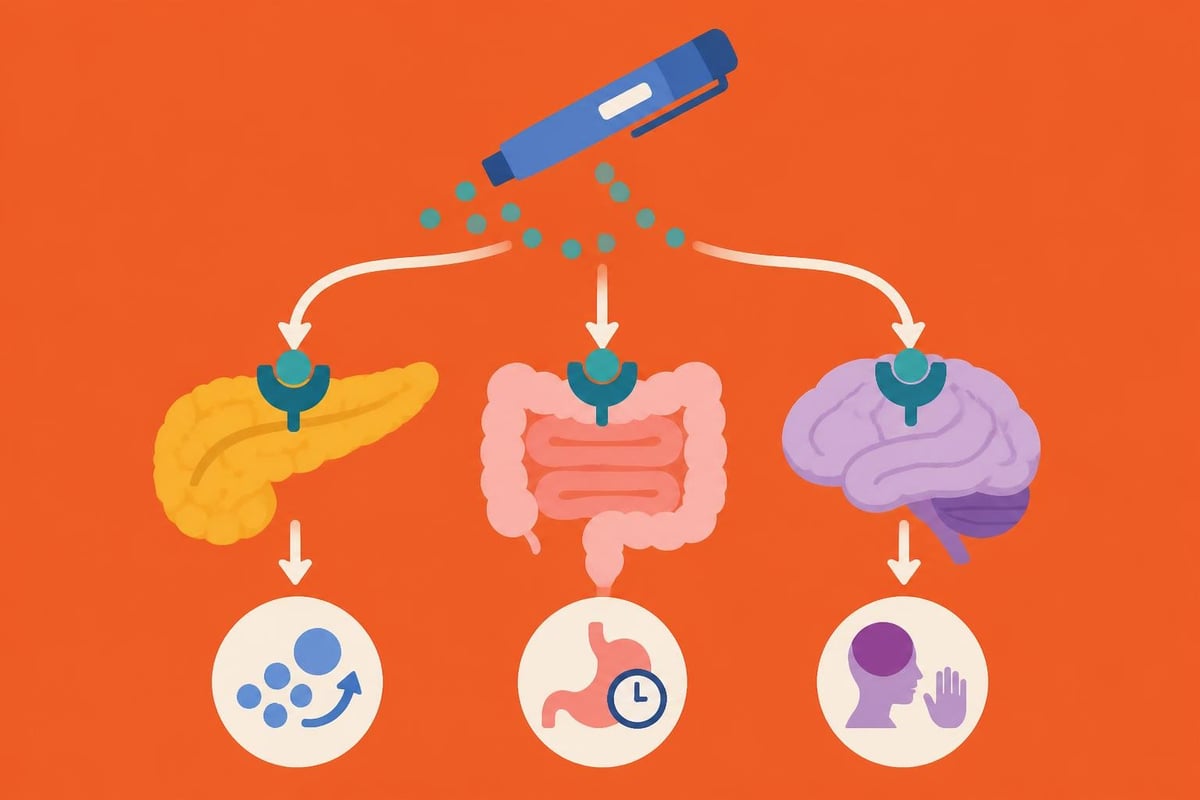
Research peptides marketed for body composition often work through completely different pathways. Some stimulate growth hormone release. Others increase fat oxidation or improve insulin sensitivity through non-GLP-1 mechanisms. The glp-1 vs peptides framing creates a false binary that obscures these mechanistic differences.
The Peptide Landscape in 2026
The peptide space has expanded significantly over the past decade. Current evidence for GLP-1 receptor agonists now includes cardiovascular and renal protection beyond weight loss. Meanwhile, the research peptide market has grown into a complex ecosystem of compounds with varying levels of human data.
Categories of peptides relevant to body composition:
GLP-1 receptor agonists: Semaglutide, tirzepatide (dual GIP/GLP-1), liraglutide
Growth hormone secretagogues: Compounds that stimulate GH release
Metabolic peptides: Targeting fat oxidation, insulin sensitivity, mitochondrial function
Recovery and repair peptides: Focused on tissue healing and inflammation
Muscle-specific peptides: Experimental compounds for hypertrophy or endurance
Only the first category has robust Phase III clinical trial data in humans. The others exist in a gray zone of animal research, small human studies, and anecdotal reports. For research-grade peptides, companies like Veltis focus on laboratory applications, not human consumption, which highlights the regulatory complexity in this space.
What the Research Actually Shows
The distinction between glp-1 vs peptides matters most when you look at evidence quality. Comprehensive reviews of GLP-1 therapies document millions of patient-years of data. We know dosing protocols, side effect profiles, contraindications, and long-term outcomes.
Research peptides lack this foundation. Most have limited human pharmacokinetic data. Optimal dosing is guesswork based on animal models or bodybuilding forums. Side effects emerge in real-time as people experiment. This isn't a moral judgment. It's a risk assessment.
Peptide Class | Clinical Evidence | FDA Status | Data Quality |
|---|---|---|---|
GLP-1 agonists | Extensive Phase III trials | Approved | High |
Growth hormone secretagogues | Limited human studies | Research only | Low to moderate |
Metabolic peptides | Mostly animal models | Research only | Low |
Recovery peptides | Small human trials | Research only | Moderate |
The table shows what matters: certainty. You know what semaglutide will do at 2.4mg weekly because tens of thousands of people have used that exact protocol under medical supervision. You don't have that certainty with research compounds.
Why Men Pursue Peptides Beyond GLP-1
The appeal of research peptides comes from promises GLP-1 drugs don't make. GLP-1 agonists cause weight loss primarily through appetite suppression and delayed gastric emptying. You eat less. You lose weight. A percentage of that weight is muscle unless you're training hard and eating adequate protein.
Men over 35 want muscle preservation or gain alongside fat loss. They want improved recovery. They want hormonal optimization. GLP-1 monotherapy doesn't directly address these goals. This creates demand for peptides that claim to:
Increase growth hormone without exogenous GH
Preserve lean mass during caloric deficits
Accelerate injury recovery
Improve insulin sensitivity independent of weight loss
Enhance mitochondrial function and energy production
Mechanisms of dual GIP/GLP-1 agonists show how pharmaceutical companies are already moving beyond simple GLP-1 receptor activation. Tirzepatide adds GIP receptor agonism to improve metabolic outcomes. The next generation will likely incorporate additional receptor targets.

The Real Trade-Offs
When comparing glp-1 vs peptides in practical terms, you're weighing known risks against unknown ones. GLP-1 drugs have documented side effects: nausea, vomiting, gastroparesis risk, potential thyroid concerns. These risks are quantified. You can make an informed decision with your physician.
Research peptides carry unknown risks because the data doesn't exist. Contamination issues with underground suppliers. Dosing errors from lack of standardization. Unexpected interactions with other medications. Long-term effects that won't emerge for years. You're accepting these unknowns when you step outside the approved framework.
Practical considerations for fathers:
Legal status: GLP-1 drugs are prescription medications. Research peptides exist in regulatory gray zones.
Insurance coverage: GLP-1 drugs may be covered for diabetes or obesity. Research peptides are out-of-pocket with no medical billing.
Medical supervision: GLP-1 requires physician oversight. Research peptides are typically self-administered without monitoring.
Quality assurance: Pharmaceutical GLP-1 has batch testing and purity standards. Research peptides vary wildly by supplier.
Reversibility: GLP-1 clears your system in weeks. Some research peptides have unknown elimination half-lives or metabolites.
The men I work with through 1-on-1 coaching often ask about these compounds because they want shortcuts. The honest answer is that neither GLP-1 nor research peptides fix the root problems: inconsistent training, inadequate protein intake, poor sleep, chronic stress, and lack of accountability. The peptides can shift numbers on a scale. They can't build the habits that keep you capable at 50, 60, or 70.
What Fathers Actually Need
The glp-1 vs peptides debate misses the central issue. Most men don't have a medication deficiency. They have an environment deficiency and an accountability deficiency. You're not failing because your GLP-1 levels are suboptimal. You're failing because your daily structure doesn't support the outcomes you claim to want.
Peptides, including GLP-1 drugs, can be tools within a larger system. They're not the system itself. A father using semaglutide who doesn't lift weights will lose muscle along with fat. A father using research peptides without proper nutrition will waste money and potentially harm himself. The tool doesn't replace the work.
Building the Foundation First
Before considering any peptide intervention, you need these elements locked in:
Resistance training minimum three times weekly: Progressive overload with compound movements
Protein intake at 1 gram per pound of goal body weight: Non-negotiable for muscle preservation
Sleep average of seven hours nightly: Recovery happens during sleep, not in the gym
Stress management protocols: Chronic cortisol elevation undermines every other intervention
Accountability structure: Weekly check-ins with someone who will call out your excuses
These aren't suggestions. They're prerequisites. Adding peptides to a broken foundation just creates expensive failure. The men who succeed with or without pharmaceutical assistance are the ones who built systems that work regardless of what's in their medicine cabinet.

Making the Decision for Your Context
If you're considering GLP-1 drugs, work with a physician who understands body composition goals, not just weight loss. Standard obesity medicine dosing often leads to significant muscle loss because providers don't account for training and protein needs. You need medical supervision that integrates with your performance goals.
If you're considering research peptides, understand you're accepting greater uncertainty. Work with providers experienced in these compounds if possible. Get comprehensive bloodwork before starting and monitor regularly. Source from suppliers with third-party testing. Don't stack multiple novel compounds simultaneously, or you won't know which one caused problems.
Questions to answer before starting any peptide:
Have I maximized training, nutrition, and recovery without pharmaceutical assistance?
Do I have specific, measurable goals this compound is meant to support?
Can I commit to the monitoring and bloodwork required for safe use?
Am I prepared to stop if side effects or health markers deteriorate?
Do I have medical support or at minimum someone knowledgeable reviewing my protocol?
The glp-1 vs peptides comparison becomes clearer when you frame it as risk-benefit assessment within your specific context. A 45-year-old father with obesity, prediabetes, and joint issues limiting training may benefit significantly from medical GLP-1 therapy while building strength. A 38-year-old father already lean and training consistently has less to gain and should question whether peptides address a real limitation or just represent impatience with natural progress.
The Brotherhood Standard
The men in The Father Forge community don't use peptides as substitutes for discipline. Some use them as tools within disciplined systems. The difference matters. A tool enhances capability. A substitute replaces it. When you substitute medication for training consistency, you're building dependency instead of capacity.
Your sons are watching how you approach challenges. They're learning whether Dad solves problems through external chemicals or internal character development. Both can coexist, but the priority order matters. Build the habits first. Add tools second. Never reverse that sequence.
Approach | Foundation | Tool Use | Long-term Outcome |
|---|---|---|---|
Tool-dependent | Inconsistent training and nutrition | GLP-1 or peptides as primary intervention | Weight regain when medication stops |
Tool-enhanced | Consistent training, protein, sleep | GLP-1 or peptides to accelerate progress | Maintained results through habit |
Tool-free | Consistent training, protein, sleep | No pharmaceutical assistance | Slower progress, full autonomy |
All three approaches can work depending on your medical context and goals. Only the second and third build sustainable capability. The first creates a problem you'll spend years trying to escape.
The information environment around glp-1 vs peptides is designed to confuse you. Supplement companies want you buying research peptides. Pharmaceutical companies want you on brand-name GLP-1 drugs. Online communities want you experimenting and reporting results. None of these parties prioritize your long-term capability and independence.
Your obligation as a father is to see through the noise and make decisions based on your specific medical situation, training status, and capacity to manage risk. That requires honest self-assessment, not optimistic self-deception. It requires medical guidance, not forum posts from anonymous users. It requires patience, which is always in shorter supply than peptides.
Understanding the distinction between GLP-1 drugs and other peptides gives you the framework to make informed decisions rather than reactive ones. The science is clear: GLP-1 receptor agonists are peptides with extensive clinical backing, while research peptides offer potential benefits with far less certainty. Neither replaces the foundational work of consistent training, adequate protein, quality sleep, and accountability. The Father Forge builds custom programs that address these foundations first, integrating medical interventions only when they serve your long-term capability rather than replace it. If you're ready to build sustainable strength and leadership instead of chasing pharmaceutical shortcuts, the work starts with honest assessment and committed action.