GLP-1 Drugs Boosting Testosterone: 2026 Data Explained
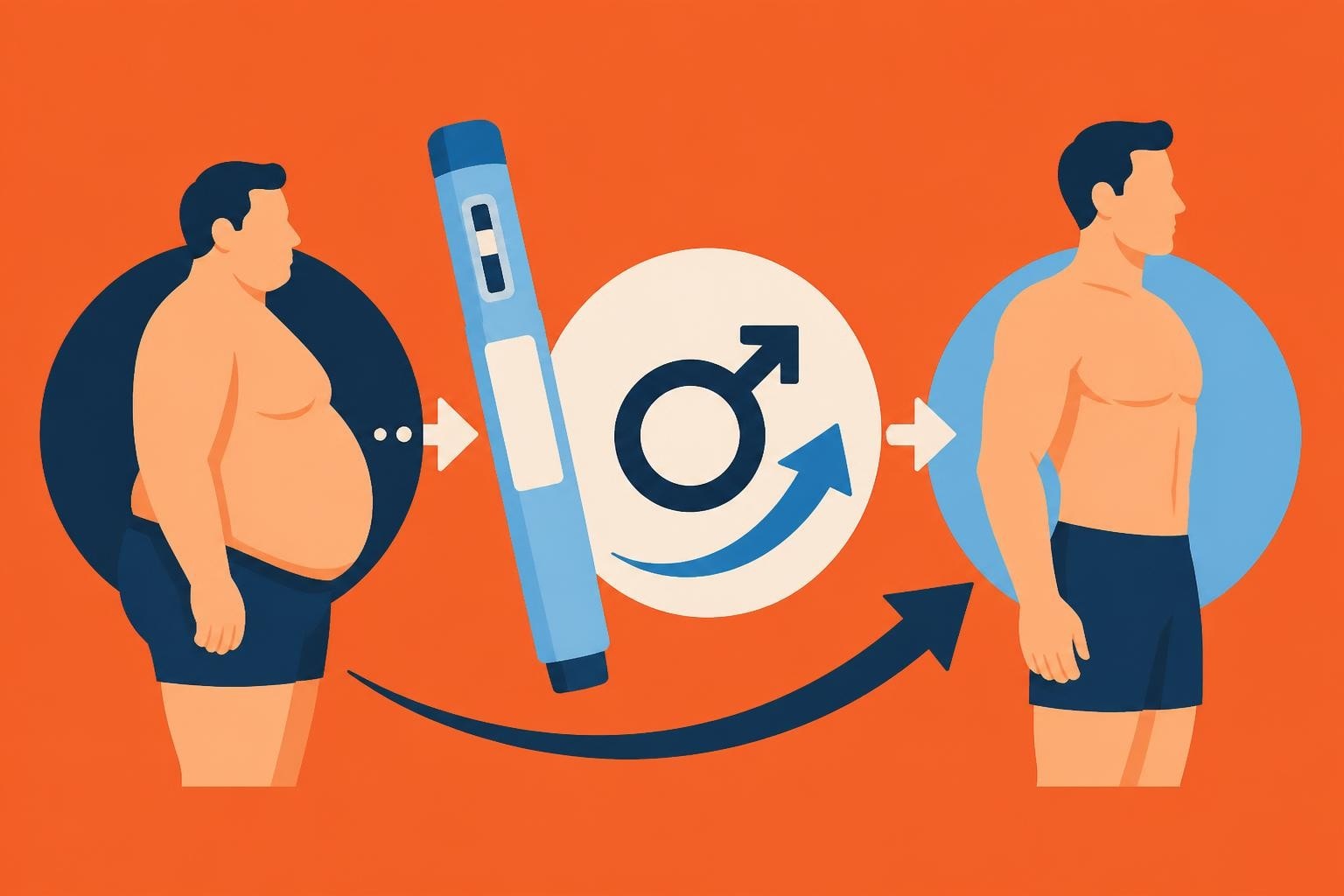
The recent data on glp-1 drugs boosting testosterone shows real potential for men carrying extra weight. A 2026 study from the American Urological Association found that GLP-1 medications increased the percentage of men with normal testosterone levels from 53% to 77%. That is not a minor shift. For men over 40 who have struggled with weight gain and declining energy, this information matters. I have spent 23 years in military leadership and now work daily with fathers who face this exact problem: they know something is wrong, but they do not know which lever to pull first. This article gives you the framework to evaluate whether GLP-1s fit your situation and what you must combine them with to get the outcome you actually want.
What the 2026 Research Actually Shows
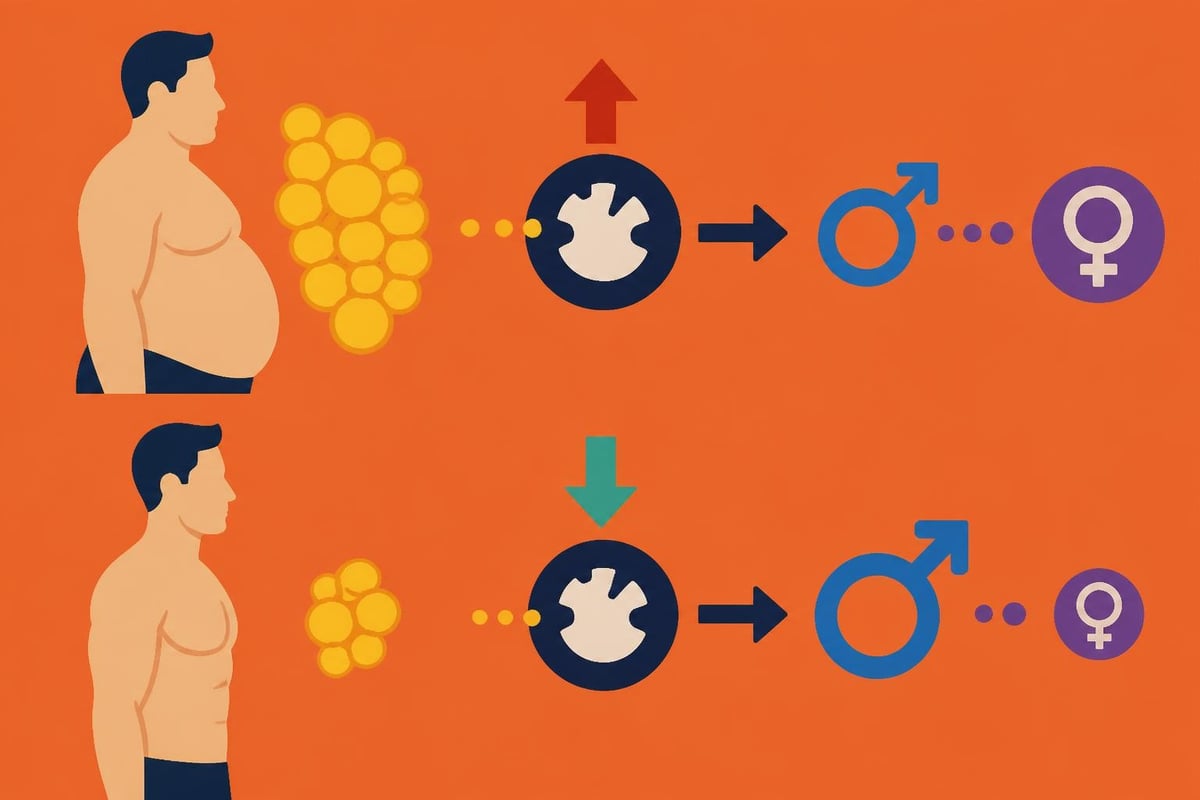
The American Urological Association study tracked men with obesity or type 2 diabetes who used GLP-1 receptor agonists for weight management. Before starting the medication, 53% of participants had testosterone levels in the normal range. After treatment with GLP-1s, that number climbed to 77%. The mechanism is straightforward: excess body fat, particularly visceral fat around the organs, converts testosterone to estrogen through an enzyme called aromatase. When men lose significant weight, that conversion process slows down. Testosterone levels rise because the body stops destroying what it produces.
Research indicates that GLP-1 medications may improve low testosterone levelsin men with metabolic dysfunction, which aligns with what we know about obesity and hormonal health. The study did not claim GLP-1s directly stimulate testosterone production. They create an environment where your body can maintain healthier levels by removing the fat mass that was suppressing them.
The Body Fat Connection
Men carrying 20 to 30 extra pounds face a specific problem. That weight usually sits as visceral fat, the most metabolically harmful type. Each pound of visceral fat actively works against hormonal balance. It increases inflammation, disrupts insulin sensitivity, and accelerates the testosterone-to-estrogen conversion I mentioned earlier.
When you drop that weight through GLP-1s, you remove the primary driver of low testosterone for many men. This is not theoretical.Studies exploring GLP-1's impact on testosterone secretionhave shown measurable hormonal improvements as body composition changes. The drug does not fix a broken endocrine system. It removes the obstacle preventing your system from functioning correctly.
What GLP-1s Fix and What They Do Not
GLP-1 medications address one problem exceptionally well: they reduce appetite and slow gastric emptying, making it easier to maintain a caloric deficit. For men who have struggled with hunger management and portion control, this is a legitimate solution. The weight comes off. The metabolic markers improve. Testosterone often follows because the environmental pressure suppressing it decreases.
But here is what these drugs do not fix:
Muscle loss during weight loss
Poor movement patterns and joint dysfunction
Weak training stimulus and lack of progressive overload
Inadequate protein intake
Sleep deprivation and chronic stress
Lack of accountability and structure
I see men lose 30 pounds on GLP-1s and still feel weak. They dropped fat, but they also dropped muscle because they did not protect it with resistance training and protein. Their testosterone went from low to low-normal, but they lack the strength and resilience they expected. The drug did its job. They did not do theirs. AtThe Father Forge, we build programs that address both sides of this equation, because losing weight without building capacity is just becoming a smaller version of the same problem.
GLP-1 Alone vs GLP-1 With Structure
ApproachWeight LossMuscle RetentionTestosterone ImpactEnergy/PerformanceLong-Term SustainabilityGLP-1 OnlyHighPoor to ModerateModerate ImprovementVariableLow (without habit change)GLP-1 + Training + NutritionHighGood to ExcellentSignificant ImprovementHighHigh (builds new capacity)
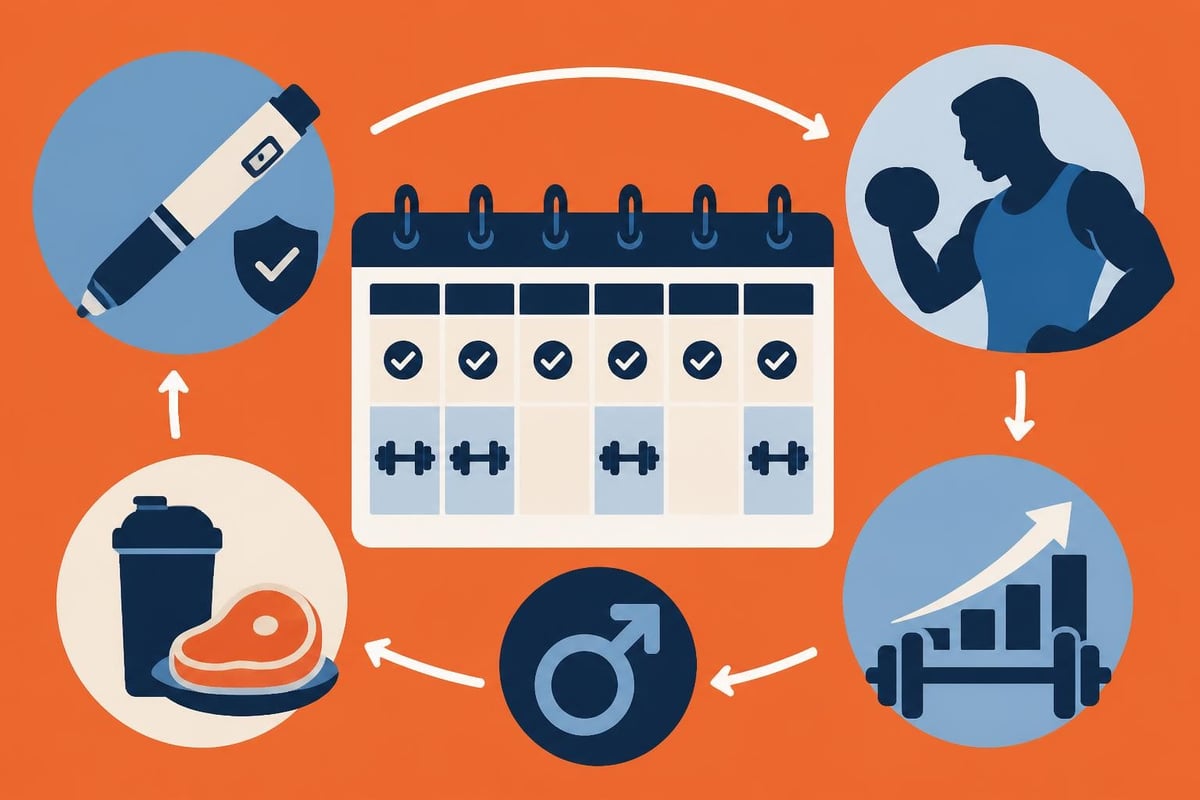
The difference between these two paths is not subtle. GLP-1 alone reduces body weight. GLP-1 combined with structured resistance training, adequate protein intake, and progressive overload builds a different body.Men's Health discusses how GLP-1 medications affect testosteroneand notes the importance of lifestyle factors in maximizing hormonal benefits.
The Training Requirement
Resistance training sends a signal to your body that muscle is necessary. Without that signal, your body does not distinguish between fat and muscle when it needs energy during a caloric deficit. It burns both. With proper training, you force your body to prioritize fat loss and preserve lean tissue.
Three to four sessions per week of compound movements is the minimum effective dose. Squats, deadlifts, presses, rows. Multi-joint exercises that require coordination and strength. Progressive overload matters: you must add weight or reps over time. This is not negotiable if you want the full benefit of glp-1 drugs boosting testosterone through improved body composition.
The Nutrition Framework
Protein intake becomes critical during GLP-1 use because appetite suppression makes it easy to undereat protein while still hitting a caloric deficit. Most men need 0.8 to 1 gram of protein per pound of goal body weight. If you weigh 220 and want to be 190, you need 150 to 190 grams of protein daily.
This is harder than it sounds when you are not hungry. You must plan your meals around protein sources first. Chicken, beef, fish, eggs, Greek yogurt. Hit your protein target before you worry about anything else. Carbohydrates and fats fill in around that foundation. The men who maintain muscle mass during weight loss are the ones who treat protein like a prescription, not a preference.
The Decision Framework
Not every man needs GLP-1s. Some men need accountability and a structured program more than they need medication. Others benefit significantly from the appetite control and metabolic reset these drugs provide. Here is how to evaluate your situation:
Consider GLP-1s if:
You carry 20+ pounds of excess body fat despite consistent effort
You have documented metabolic dysfunction (prediabetes, type 2 diabetes, metabolic syndrome)
Your testosterone is below normal range and tied to obesity
You have tried structured nutrition and training for 6+ months without significant progress
You work with a qualified physician who monitors your health markers
Skip GLP-1s if:
You have not tried consistent training and nutrition yet
Your weight issue is primarily a habit and accountability problem
You are looking for a shortcut around the work
You do not have medical supervision available
Your testosterone is low for reasons unrelated to body fat (primary hypogonadism, pituitary issues)
Thesystematic review on GLP-1 receptor agonists and testosteronemakes clear that these medications work best as part of a comprehensive approach, not as a standalone solution.
What This Means for Men Over 40
Men over 40 face a different landscape than younger men. Testosterone declines naturally with age, but obesity accelerates that decline dramatically. Losing weight at 42 is harder than it was at 25 because your metabolic rate has decreased and your muscle mass has likely declined. GLP-1s level that playing field by controlling the appetite issue that makes sustained caloric deficits difficult.
But the outcome you get depends entirely on what you build during the weight loss phase. If you use the GLP-1 window to establish a solid training routine, dial in your nutrition, and build accountability systems, you come out stronger. If you just ride the appetite suppression and wait for the scale to drop, you waste the opportunity.
The Brotherhood Factor
Isolation kills progress. Men need other men who hold them to a standard and call out the gaps between intention and action. This is not about motivation. This is about accountability that functions regardless of how you feel on a given day. The men I work with do not need cheerleading. They need someone to say, "You committed to four training sessions this week and you did two. What is the plan to close that gap?"

GLP-1s do not provide that structure. They reduce hunger. You still have to show up, do the work, and answer for the gaps.Scientific American explores GLP-1's potential to boost testosteronebut emphasizes that lifestyle factors remain central to long-term hormonal health. OurGroup Coaching Communitywas built specifically for fathers over 35 who need that structure, not another app or information product.
Common Mistakes Men Make
The most common error is treating GLP-1s as a complete solution rather than one tool in a larger system. Men start the medication, watch the weight drop, and assume the hormonal benefits will automatically follow. Sometimes they do. Often they do not, because muscle loss and inadequate protein intake undermine the testosterone recovery that should happen with fat loss.
Mistake 1: Ignoring ProteinAppetite suppression makes it easy to skip meals or eat small portions. If those portions do not prioritize protein, you lose muscle along with fat. Your testosterone might improve slightly from reduced body fat, but you miss the additional benefit of maintaining lean tissue.
Mistake 2: Skipping Resistance TrainingCardio does not preserve muscle. Walking does not preserve muscle. Only progressive resistance training tells your body that muscle is non-negotiable. Without that signal, your body treats muscle as expendable during weight loss.
Mistake 3: No Medical MonitoringGLP-1s require oversight. Blood work before, during, and after treatment tells you what is actually happening with testosterone, thyroid function, and metabolic markers. Guessing is not a strategy.
Mistake 4: Expecting the Drug to Build DisciplineThe medication reduces hunger. It does not teach you how to train, plan meals, or build sustainable habits. Those skills must be developed intentionally, or you regain the weight when you stop the medication.
Mistake 5: Ignoring Sleep and StressTestosterone production happens primarily during deep sleep. Chronic stress elevates cortisol, which suppresses testosterone. GLP-1s cannot override poor sleep or unmanaged stress. You must address the full environment, not just body weight.
The Real Conversation About Hormones
Testosterone is not a magic metric. Higher testosterone does not automatically make you a better father, husband, or leader. But chronically low testosterone makes everything harder. It reduces energy, impairs recovery, decreases libido, and undermines mental clarity. For men over 40 carrying extra weight, glp-1 drugs boosting testosterone is a legitimate pathway back to normal function.
Normal is the goal. Not supraphysiological levels. Not shortcuts. Just restoring what should be there when your body composition and metabolic health are in order. The 2026 AUA data shows that is achievable for most men who address the root cause: excess body fat and the hormonal disruption it creates.
If you chase testosterone optimization without addressing body composition, training, nutrition, sleep, and stress, you are building on sand. The foundation must be solid first. GLP-1s can help remove the obstacle of excess fat, but they do not build the foundation. That is your job.
Frequently Asked Questions
Do GLP-1 drugs directly increase testosterone production?No. GLP-1 medications do not stimulate testosterone production. They reduce body fat, which decreases the conversion of testosterone to estrogen through aromatase enzymes in adipose tissue. The result is higher circulating testosterone because less of it is being destroyed, not because more is being produced.
How long does it take to see testosterone improvements on GLP-1s?Most men see measurable changes in testosterone within 3 to 6 months of starting GLP-1 therapy, corresponding with significant fat loss. The timeline depends on how much weight you lose and how well you preserve muscle mass through training and protein intake.
Can I use GLP-1s and testosterone replacement therapy together?Yes, but this requires medical supervision. Some men have primary hypogonadism where the testes do not produce adequate testosterone regardless of body weight. In those cases, testosterone replacement therapy may be necessary alongside GLP-1s for weight management. Work with a physician who understands both interventions.
Will I lose the testosterone gains if I stop GLP-1s?Only if you regain the weight. If you use the GLP-1 window to build sustainable habits around training, nutrition, and body composition management, your testosterone should remain stable after discontinuing the medication. If you regain the fat, the hormonal suppression returns.
Are there side effects I should watch for?Common side effects include nausea, diarrhea, constipation, and reduced appetite. More serious concerns include pancreatitis, gallbladder issues, and potential impacts on thyroid function. Regular medical monitoring is required. Do not use these medications without physician oversight.
The evidence on glp-1 drugs boosting testosterone is clear: they work by removing the metabolic obstacle of excess body fat, not by directly stimulating hormone production. For men over 40 who have tried structured approaches without success, GLP-1s offer a legitimate tool when combined with proper training, nutrition, and accountability.The Father Forgebuilds custom programs that address the full system, not just one variable, because sustainable change requires more than medication alone.