Fitness Meal Plan: Build Muscle and Lead at Home
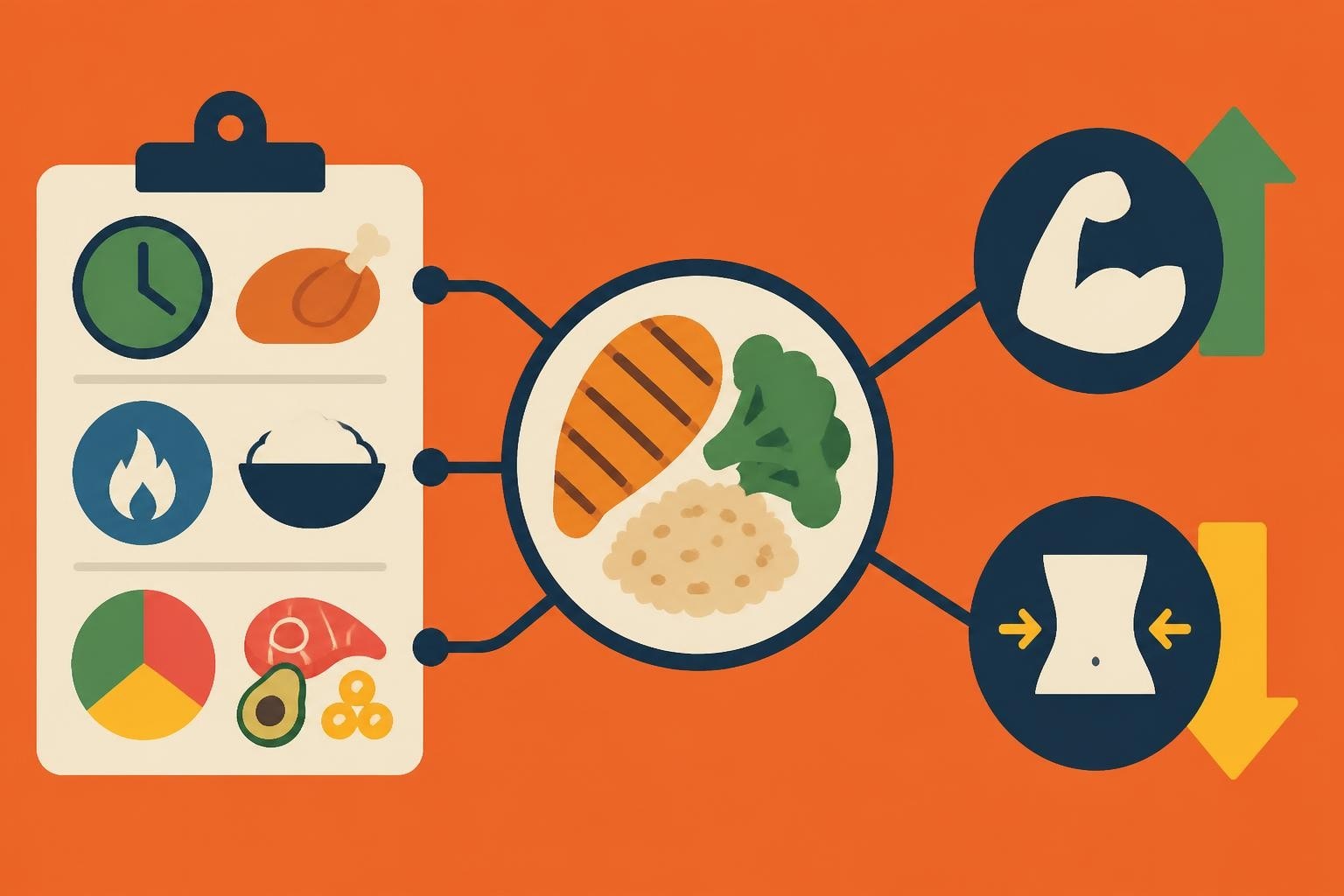
You don't need more recipes. You need a system that works when your kids are screaming, your calendar is packed, and your kitchen looks like a supply depot after a field exercise. A fitness meal plan isn't about perfect portions photographed on white plates. It's about creating an operational framework that supports your body composition goals while you handle the chaos of leading a family. The gap between your current physique and where you want to be isn't closed by finding the right app or meal delivery service. It's closed by building repeatable patterns that align with your mission: building muscle, losing fat, and showing up as the man your family needs.
Why Most Fitness Meal Plans Fail Before They Start
The fundamental problem isn't the plan itself. It's the assumption that information equals execution. You've seen the macros, read the articles aboutbodybuilding meal plans, downloaded the templates. None of that matters when you're staring at an empty fridge at 2100 hours after a 12-hour workday. The plan fails because it was built for someone else's life, someone else's schedule, someone else's responsibilities.
Most fitness meal plan templates assume you have:
Time to prep five meals every Sunday
A kitchen stocked with 37 different ingredients
A family that eats the same food you do
Zero unexpected schedule changes
Unlimited mental bandwidth for tracking apps
Reality looks different. You're managing a household, a career, maybe coaching your kid's team or handling aging parents. The 47-step meal prep tutorial isn't the solution. Structure that adapts to chaos is the solution.
The Accountability Gap in Nutrition Planning
Here's what no one tells you: the hardest part of a fitness meal plan isn't cooking chicken and rice. It's maintaining standards when no one's watching. It's choosing the hard right over the easy wrong when you're tired, stressed, and standing in front of a drive-through at 1900 hours. Information doesn't solve that problem. Brotherhood and accountability solve that problem.
The men who succeed with their nutrition aren't tracking macros in isolation. They're reporting to someone. They're checking in. They're part of a system that holds them to the standard they set for themselves. That's why1-on-1 men's coachingcreates results when apps and PDFs don't. The difference is human accountability, not better information.
Building Your Operational Fitness Meal Plan Framework
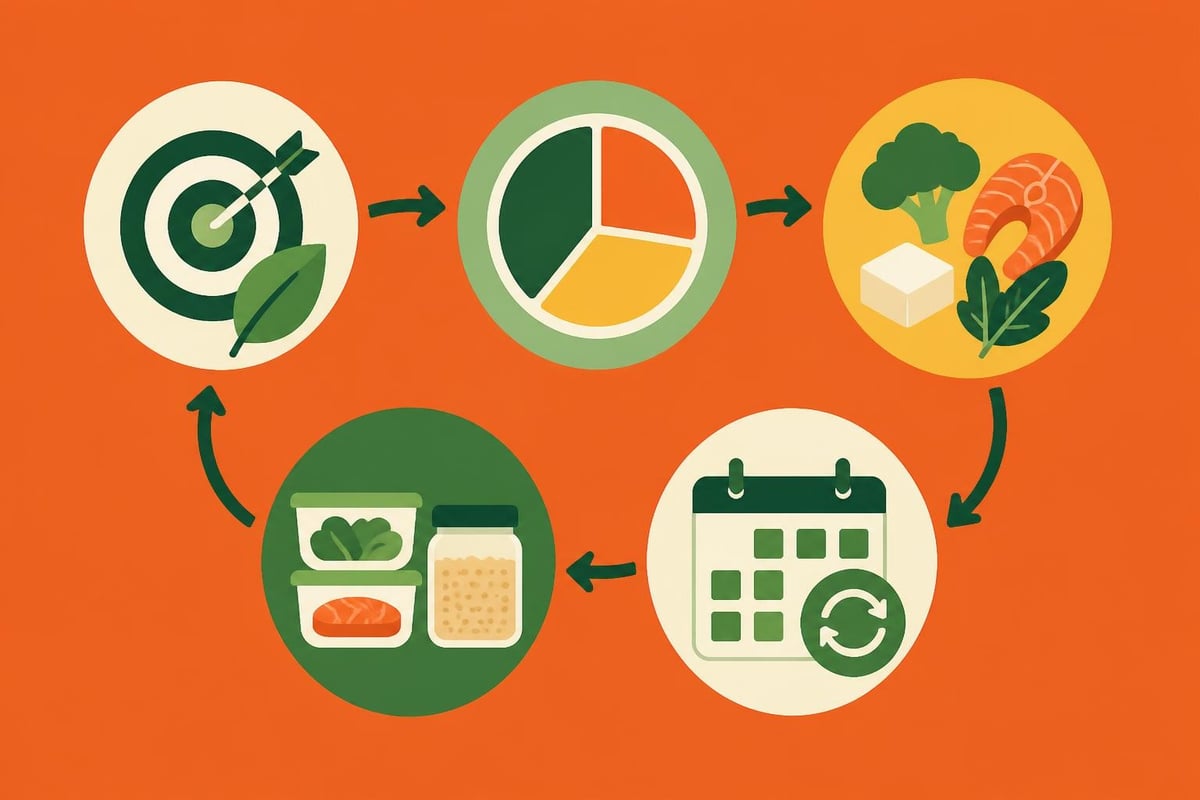
Your fitness meal plan needs to function like a mission brief: clear objective, defined resources, execution steps, contingency plans. Start with the end state. What does success look like in 90 days? Be specific. "Get in shape" isn't a mission. "Lose 15 pounds of fat while maintaining strength on the big three lifts" is a mission.
Calculate Your Targets With Precision
Your body composition goals determine your calorie and macro targets. This isn't optional math. It's the foundation.
GoalCalorie PositionProtein (g/lb bodyweight)Fat (g/lb bodyweight)CarbsFat Loss10-12 x bodyweight1.0-1.20.3-0.4RemainderMaintenance13-15 x bodyweight0.8-1.00.35-0.45RemainderMuscle Gain16-18 x bodyweight0.8-1.00.4-0.5Remainder
A 200-pound man targeting fat loss needs approximately 2,000-2,400 calories daily. Protein sits at 200-240 grams. Fat at 60-80 grams. Carbohydrates fill the remaining calorie budget. These numbers aren't suggestions pulled from thin air. They're based on what works forathletic performance and body composition.
Select Your Core Foods and Eliminate Decision Fatigue
Decision fatigue kills more fitness meal plans than lack of willpower. Every choice you make during the day depletes your mental reserves. By dinner time, you're running on fumes. The solution isn't more variety. It's strategic restriction.
Build your plan around 10-12 core foods:
Protein sources:
Chicken breast or thighs
Ground beef (90/10 or 93/7)
Eggs and egg whites
Greek yogurt
Whey protein
Carbohydrate sources:
White or brown rice
Potatoes (white or sweet)
Oats
Ezekiel bread
Fat sources:
Olive oil
Avocado
Nuts (almonds, cashews)
Natural peanut butter
Vegetables:
Broccoli
Spinach
Peppers
Mixed greens
That's it. You don't need 50 ingredients. You need systems. According tonutrition experts at the Academy of Nutrition and Dietetics, meal planning with familiar foods improves adherence and reduces the cognitive load of healthy eating.
The Prep-Day Execution Protocol
Sunday prep isn't about making Instagram-worthy containers. It's about reducing friction for the week ahead. Your future self under stress will default to the path of least resistance. Make the path of least resistance align with your goals.
The Two-Hour Prep Window
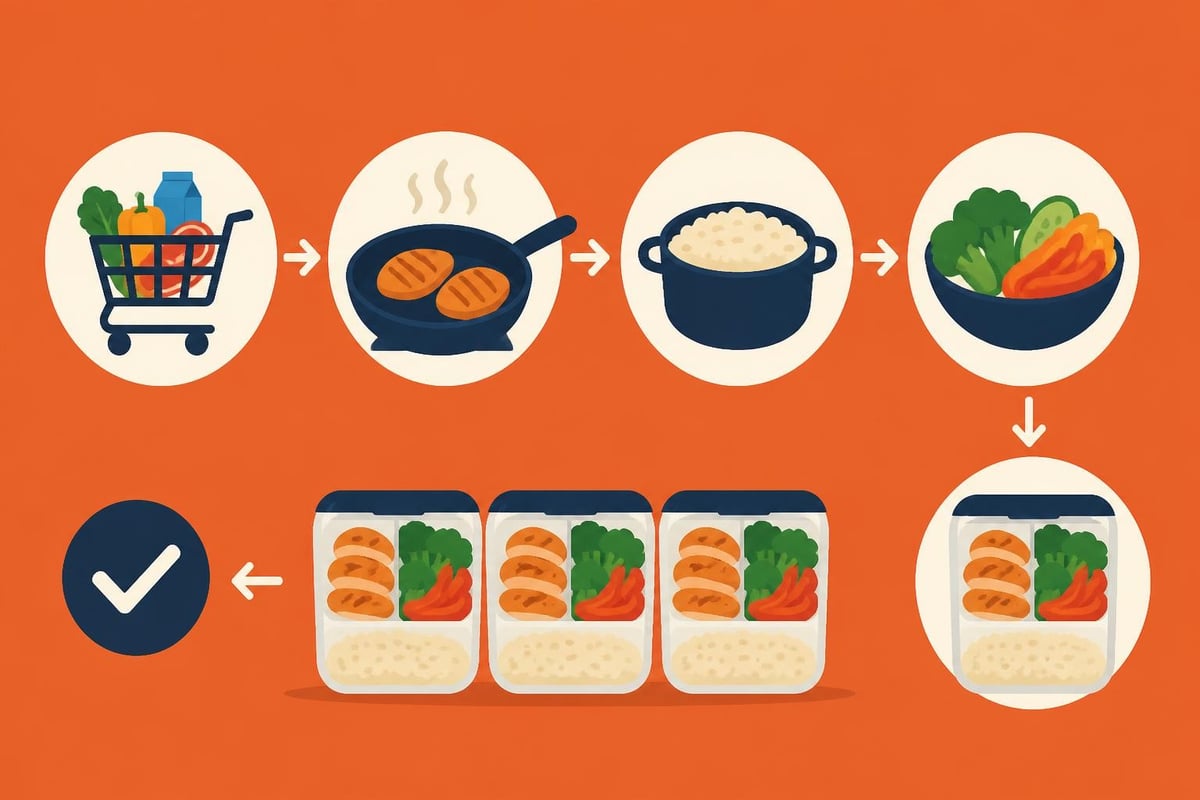
Set a two-hour block. Treat it like a non-negotiable meeting. This is leadership time for your own body and your family's example.
Hour One: Protein and Carbs
Season and bake 4-5 pounds of chicken (400°F, 25-30 minutes)
Brown 2-3 pounds of ground beef with basic seasoning
Hard boil one dozen eggs
Cook large batch of rice (rice cooker is mission-essential equipment)
Roast or microwave 5-6 pounds of potatoes
Hour Two: Assembly and Storage
Portion proteins into daily servings
Divide rice and potatoes into containers
Wash and prep vegetables for grab-and-go access
Assemble 3-4 full meals in containers
Leave remaining components separate for flexibility
You're not meal-prepping every bite for seven days. You're creating components that make good decisions easy. Morning eggs? Already boiled. Lunch protein? Already cooked. Dinner carbs? Ready to microwave.
In-Week Adaptation and Contingency Planning
No plan survives first contact. Your fitness meal plan needs contingency protocols for when life happens.
Contingency scenarios:
SituationPrimary SolutionBackup SolutionForgot lunchChipotle: double protein bowl, light rice, no cheeseGrocery store: rotisserie chicken + bag saladLate meeting, no dinner prepScrambled eggs + toast + fruitProtein shake + PB&J + bananaTravel dayAirport: Chick-fil-A grilled nuggets + fruitProtein bars + nuts (pack in bag)Family restaurantSteak + potato + vegetableBurger (no bun) + side salad
Notice the pattern: every scenario has a defined response. You're not thinking it through under stress. You're executing a pre-planned protocol. This is howsports nutrition professionalsapproach fueling for performance, and it works the same for body composition.
Tracking Progress Without Becoming a Slave to Apps
Your fitness meal plan needs feedback mechanisms, but you're not a data analyst. You're a man with a mission. Track what matters, ignore what doesn't.
The Three Metrics That Actually Matter
Body weight (daily, same time):Weigh every morning after bathroom, before eating. Track the 7-day average, not daily fluctuations. Your weight will bounce 2-4 pounds day to day from water, sodium, and digestion. The trend line over seven days tells the truth.
Performance in the gym:Are your lifts maintaining or progressing? If you're losing fat but can't recover or your strength is dropping hard, protein might be too low or overall calories cut too aggressively. If you're trying to gain muscle but weights aren't moving up over 4-6 weeks, you're not eating enough.
How your clothes fit:The mirror and your belt don't lie. Take photos every two weeks in the same lighting, same location, same time of day. Front, side, back. You don't need to post them. You need objective data when your brain tells you nothing's working.
Everything else is noise. Myofitness Pal can help if you need precision early on, but most men don't need to track every gram forever. Learn what portions look like, verify with tracking for 2-3 weeks, then shift to the eyeball method with weekly check-ins.

The Non-Negotiable Protein Standard
If your fitness meal plan has one immovable anchor point, it's protein intake. Everything else can flex within reason. Protein cannot. This isn't preference. It's biological requirement for the mission of building or maintaining muscle while losing fat.
Target 1 gram per pound of body weight when cutting fat. Target 0.8-1.0 grams per pound when maintaining or gaining. A 200-pound man needs 200 grams daily during a cut. That's roughly:
8 ounces chicken breast (56g)
8 ounces ground beef 93/7 (50g)
4 whole eggs (24g)
1 cup Greek yogurt (20g)
1 scoop whey protein (25g)
Incidental protein from rice, vegetables, bread (15-20g)
You hit 190-200 grams without perfect execution. ThePower Plate model used by performance nutritionistsemphasizes protein at every meal for exactly this reason. Your body doesn't store amino acids like it stores fat or carbohydrates. You need steady intake across the day.
Strategic Timing for Anabolic Response
Protein timing matters less than total daily intake, but strategic distribution helps. Aim for 30-40 grams per meal across 4-5 eating windows. This maintains muscle protein synthesis and prevents the common mistake of eating 100 grams at dinner and 40 grams the rest of the day.
Pre-training and post-training windows get the most attention online, but here's what actually matters: train hard, eat enough protein daily, sleep enough to recover. The 30-minute anabolic window is less critical than the 24-hour anabolic environment you create through consistent intake.
Managing the Family Food Environment
Your fitness meal plan doesn't exist in a vacuum. You're leading a household. Your kids are watching. Your spouse has preferences. Sunday chicken and rice for everyone seven days straight isn't the play.
The Shared Base With Individual Modifications Approach
Cook one dinner for the family. Modify your portions and add-ons to hit your targets.
Family meal: Taco night
Their version: Flour tortillas, cheese, sour cream, full toppings
Your version: Double meat, light cheese, lots of vegetables, measure the tortillas or use lettuce wraps
Family meal: Spaghetti and meatballs
Their version: Regular pasta portion, garlic bread, dessert
Your version: Measured pasta portion (or zucchini noodles), extra meatballs, large salad, skip the bread
Family meal: Grilled chicken and vegetables
Everyone eats the same thing. Add your starch portion separately based on your macro needs.
This approach models discipline without creating food weirdness for your kids. They see dad eating real food, enjoying meals, and making intentional choices. That's leadership education they'll carry into adulthood. For additional guidance on balanced family meals,Nutrition.gov offers practical meal planning resourcesthat work for households with varying nutritional needs.
The Mental Game of Consistent Execution
A fitness meal plan is a test of character repeated three to five times daily. Every meal is a decision point: execute the standard or compromise. The men who win this fight long-term understand that discipline is a practice, not a feeling.
You won't feel like eating chicken and rice when your coworkers order pizza. You won't feel like meal prepping when Sunday football is on. You won't feel like tracking your food when you're tired. The obligation to your mission doesn't care about your feelings. You set the standard. You meet the standard. That's the contract.
This isn't motivational talk. It's operational reality. The difference between the body you have and the body you want is built in these small moments of decision. Most men fail not because they lack a good fitness meal plan, but because they lack the accountability structure to execute it when it's hard.
Building Environmental Supports That Work
Your environment either supports your standards or undermines them. You control your environment. Remove friction from good decisions and add friction to bad ones.
Environmental modifications that work:
Keep protein sources ready-to-eat in the fridge at all times
Don't stock foods that derail you (if you can't moderate chips, don't buy chips)
Prep vegetables immediately after grocery shopping
Keep two protein shakers clean and ready
Set phone reminders for meal times if you forget to eat
Pack gym bag with shaker and protein the night before
Small changes compound. You're not relying on willpower at every decision point. You're engineering an environment where the default choice aligns with your goals.
Your fitness meal plan is a leadership document for your own life and a teaching tool for your family. The principles are simple: set clear targets, build repeatable systems, track what matters, execute the standard when it's hard. Most men don't fail because they lack information. They fail because they lack the structure and accountability to apply what they already know consistently over time. If you're ready to build a custom program that addresses your specific situation as a father and leader,The Father Forgecreates tailored fitness and mindset coaching that turns principles into results. The work doesn't get easier, but you get stronger doing it.