Enclomiphene: Science-Based Testosterone Support
Every man over 35 faces a biological reality: testosterone production declines. That decline affects strength, body composition, mental clarity, and leadership capacity. The question isn't whether this happens, but what you do about it. Enclomiphene represents a specific pharmaceutical intervention that addresses testosterone deficiency while maintaining fertility, a critical distinction from testosterone replacement therapy. Understanding this compound requires cutting through marketing noise and examining the biochemical mechanisms, clinical evidence, and practical applications. This is information, not motivation. Your hormone optimization strategy demands the same rigor you apply to training and nutrition.
What Enclomiphene Is and How It Functions
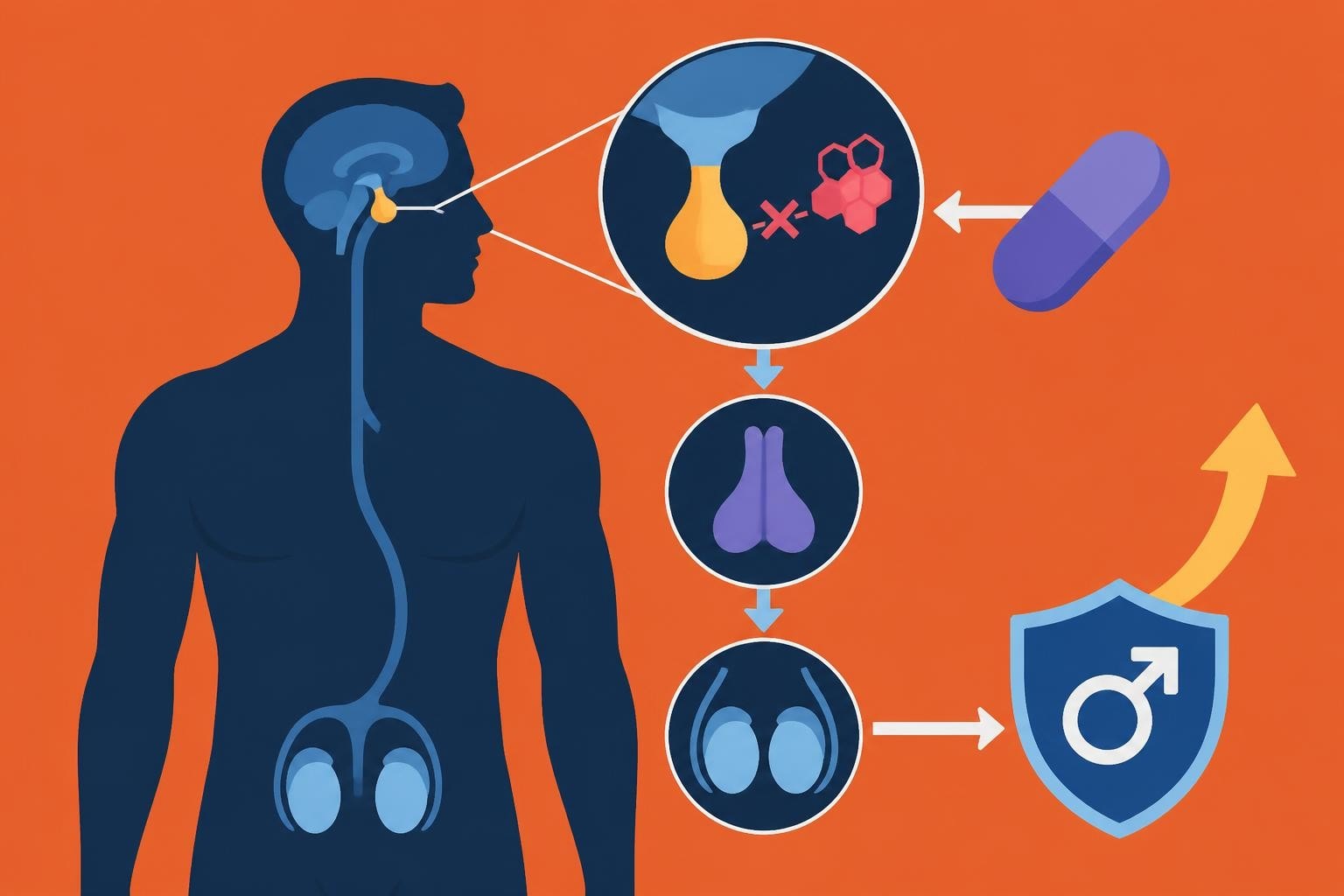
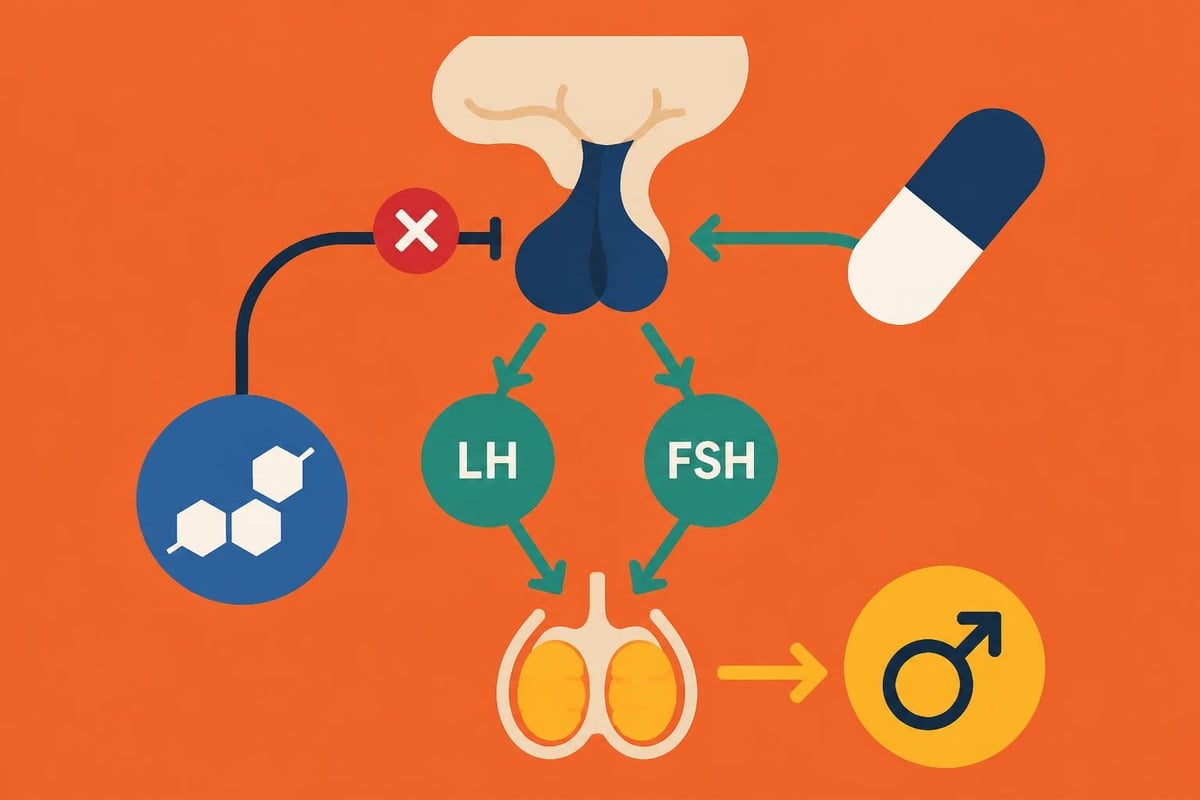
Enclomiphene is the trans-stereoisomer of clomiphene citrate, functioning as aselective estrogen receptor modulatorwith specific antagonist properties at the hypothalamic and pituitary levels. The compound blocks estrogen receptors in these tissues, disrupting the negative feedback loop that normally suppresses gonadotropin-releasing hormone (GnRH) and luteinizing hormone (LH) production. When estrogen cannot signal the pituitary that testosterone levels are adequate, the body responds by increasing LH and follicle-stimulating hormone (FSH), which then stimulate the testes to produce more testosterone naturally.
This mechanism differs fundamentally from exogenous testosterone administration.Testosterone replacement therapyshuts down the hypothalamic-pituitary-gonadal (HPG) axis because external testosterone provides negative feedback, signaling your body to stop producing its own. Enclomiphene does the opposite by removing a brake on the system, allowing your body to amplify its natural production pathways.
The Stereoisomer Distinction
Clomiphene citrate, the parent compound used for decades in fertility medicine, exists as a racemic mixture of two stereoisomers: enclomiphene (trans-clomiphene) and zuclomiphene (cis-clomiphene). These molecules have identical atoms but different spatial arrangements, resulting in distinct pharmacological properties. Zuclomiphene has a significantly longer half-life, remaining in the body for weeks and potentially causing estrogenic effects that counteract the desired testosterone increase.
Enclomiphene as an isolated compound eliminates this problem. Studies examiningchemical properties and pharmacologic actionsdemonstrate that pure enclomiphene provides consistent anti-estrogenic activity without the prolonged accumulation that characterizes the mixed formulation. This pharmacokinetic profile matters for protocol design and side effect management.
Clinical Applications for Testosterone Optimization
The primary clinical indication for enclomiphene centers on secondary hypogonadism, the condition where the testes remain functional but receive inadequate stimulation from the pituitary. This differs from primary hypogonadism, where testicular failure prevents testosterone production regardless of hormonal signals. Secondary hypogonadism often results from aging, obesity, metabolic dysfunction, or chronic stress, all conditions common in men over 35 juggling careers and family responsibilities.
Research published onenclomiphene citrate as a treatment that maintains fertilitydemonstrates significant testosterone increases while preserving spermatogenesis. Men in these trials experienced improvements in:
Total testosterone levels (average increases of 200-300 ng/dL)
Free testosterone concentrations
LH and FSH levels (confirming maintained HPG axis function)
Sperm counts and motility (critical for fertility preservation)
Sexual function and libido
Body composition markers
These outcomes address a fundamental gap in hormone optimization: most fathers don't want to sacrifice fertility for testosterone benefits. The standard testosterone replacement therapy protocol suppresses sperm production, often requiring months of recovery protocols if fertility becomes desired later. Enclomiphene sidesteps this tradeoff entirely.
Dosing Protocols and Treatment Response
Clinical trials have explored various dosing regimens, withdosages examined in clinical researchtypically ranging from 12.5 mg to 25 mg daily. The effective dose varies based on individual factors including baseline testosterone levels, body composition, and metabolic health. Lower doses often prove sufficient for men with borderline testosterone levels, while those with more significant deficiency may require higher doses to achieve therapeutic targets.
Treatment response follows a predictable timeline:
Weeks 1-2: Initial pituitary response with LH and FSH elevation
Weeks 3-4: Testosterone levels begin rising as testes respond to increased gonadotropin stimulation
Weeks 6-8: Peak testosterone response typically achieved
Weeks 8-12: Stabilization of hormone levels and secondary benefits (body composition, strength, mood)
This progression requires patience. Men accustomed to quick fixes will find the gradual response frustrating, but the sustainability of natural production outweighs the rapid onset of exogenous testosterone.
Comparing Enclomiphene to Alternative Interventions
Understanding where enclomiphene fits in the hormone optimization landscape requires direct comparison with other approaches. Each intervention carries distinct advantages, limitations, and tradeoffs that align with different situations and goals.
InterventionMechanismFertility ImpactHPG AxisAdministrationPrimary AdvantageEnclomipheneSERM, blocks estrogen receptorsPreserved/EnhancedMaintainedOral dailyNatural production with fertilityTestosterone ReplacementExogenous hormoneSuppressedShut downInjection/gel/patchPrecise dosing controlHCG MonotherapyLH analogPreservedPartially maintainedSubcutaneous injectionDirect testicular stimulationLifestyle OptimizationMultiple pathwaysNo impactNatural functionOngoing behaviorFoundation for all protocols
The distinction matters because your situation determines the appropriate tool. A 38-year-old father planning to expand his family faces different requirements than a 52-year-old whose family is complete. The former needs fertility preservation as non-negotiable, making enclomiphene or HCG the logical choices. The latter might prioritize dosing precision and symptom control, making testosterone replacement more suitable.
Studies examiningenclomiphene as an estrogen receptor antagonist for testosterone deficiencyconfirm its position as a first-line intervention when maintaining natural production and fertility represents the priority. The compound doesn't work for everyone, particularly men with primary hypogonadism or severe HPG axis dysfunction, but for those with functional systems requiring stimulation, the efficacy is well-documented.
Side Effect Profile and Risk Management
No pharmaceutical intervention is without risks. Enclomiphene's side effect profile includes:
Visual disturbances(rare but concerning, requires immediate discontinuation)
Mood changes(irritability, emotional lability in some users)
Hot flashes(from estrogen receptor antagonism)
Gastrointestinal upset(nausea, particularly at higher doses)
Headaches(typically mild and transient)
The incidence of serious adverse effects remains low in clinical trials, but individual variation exists. Men with pre-existing mood disorders require careful monitoring, as anti-estrogenic effects can exacerbate these conditions in susceptible individuals. Regular bloodwork monitoring addresses safety concerns and confirms therapeutic response.
Implementation Within a Comprehensive Strategy
Enclomiphene is not a standalone solution to low testosterone. The compound addresses a specific biochemical problem, but hormone optimization exists within a larger system of training, nutrition, stress management, and sleep quality. Men who view any pharmaceutical as a replacement for foundational behaviors set themselves up for disappointment and dependency.
The hierarchy of intervention follows this sequence:
Eliminate obvious suppressors: alcohol overconsumption, chronic sleep deprivation, excessive body fat
Optimize training stimulus: progressive resistance training 3-4 times weekly with appropriate volume and intensity
Dial in nutrition: adequate protein (0.8-1.0 g/lb bodyweight), sufficient calories to support training, micronutrient sufficiency
Manage stress and recovery: consistent sleep schedule, stress reduction practices, relationship health
Consider pharmaceutical intervention: only after establishing the above foundation
This sequence isn't arbitrary. Research demonstrates that men with body fat percentages above 25% experience significant aromatase activity, converting testosterone to estrogen at accelerated rates. Adding enclomiphene while carrying excess body fat yields suboptimal results because the underlying metabolic dysfunction remains unaddressed. Similarly, men sleeping 5 hours nightly will not optimize hormone production regardless of pharmaceutical support.
The Father Forge approach to fitness and mindsetemphasizes this systems thinking because isolated interventions fail when the environment works against them. Men seekingGroup Coaching Communitysupport find this integrated perspective valuable precisely because it addresses the full spectrum of variables affecting hormone health, not just the biochemical levers.
Monitoring and Protocol Adjustment
Implementing enclomiphene requires baseline and follow-up laboratory testing. The minimum panel includes:
MarkerBaselineFollow-up TimingPurposeTotal TestosteroneRequired6-8 weeksPrimary outcome measureFree TestosteroneRequired6-8 weeksBioavailable hormone assessmentEstradiol (E2)Required6-8 weeksMonitor estrogen levelsLHRecommended6-8 weeksConfirm mechanism of actionFSHRecommended6-8 weeksFertility preservation confirmationHematocritRecommended12 weeksSafety monitoringLipid PanelRecommended12 weeksMetabolic health tracking
These markers tell you whether the intervention works and whether adjustments are necessary. Men who increase total testosterone but see no change in free testosterone may have elevated sex hormone-binding globulin (SHBG), requiring different protocol modifications than those with adequate free testosterone but persistent symptoms.
The data drives decisions. Subjective improvements in energy, libido, and training performance matter, but objective confirmation prevents both under-treatment and over-optimization. Running testosterone levels at 1,200 ng/dL provides no additional benefit over 800 ng/dL for most men while potentially increasing cardiovascular and hematologic risks.
Legal Status and Access Considerations
Enclomiphene currently lacks FDA approval as a standalone medication for male hypogonadism, though individual physicians may prescribe it off-label. The compound exists in a regulatory gray area, available through compounding pharmacies and telemedicine services but not marketed as an approved drug for this indication. This status affects access, cost, and quality control.
Men pursuing this intervention must:
Work with qualified prescriberswho understand hormone optimization and can interpret laboratory results appropriately
Use reputable compounding pharmaciesthat provide certificates of analysis confirming compound purity and dosing accuracy
Verify legal statusin their jurisdiction, as regulations vary
Understand insurance limitations, as off-label use typically requires out-of-pocket payment
The regulatory uncertainty doesn't invalidate the clinical evidence, but it does require additional due diligence. Research compiled incomprehensive bibliographies of enclomiphene studiesdemonstrates consistent mechanisms and outcomes across trials, but sourcing quality compounds demands more effort than filling a standard prescription.

Cost-Benefit Analysis
Pharmaceutical interventions carry financial costs beyond the compound itself. A realistic monthly budget for enclomiphene protocol includes:
Medication: $50-150/month depending on source and dosing
Laboratory testing: $100-300 per panel (quarterly initially, then semi-annually)
Physician consultations: $100-500 per visit depending on provider type
Adjunct supplements: $50-100/month for optimization stack
This amounts to $200-400 monthly during the initiation phase, decreasing to $150-250 monthly during maintenance. Compare this to testosterone replacement therapy at $100-200 monthly plus similar monitoring costs, or the intangible costs of leaving low testosterone unaddressed: reduced productivity, compromised relationships, accelerated aging, decreased quality of life.
The cost-benefit calculation extends beyond money. Time invested in protocol management, mental energy devoted to health optimization, and opportunity costs of alternative interventions all factor into the equation. Men who lack the capacity or willingness to manage this complexity should not pursue pharmaceutical interventions until their environment supports success.
Integration with Training and Nutrition Protocols
Hormone optimization amplifies training results but doesn't replace intelligent programming. Men beginning enclomiphene often expect immediate strength gains or rapid fat loss, then grow frustrated when progress follows the same principles as always: progressive overload, adequate recovery, and caloric alignment with goals.
The realistic expectation: enclomiphene restores normal hormonal function, allowing you to train and recover as you should have been able to all along. A 40-year-old man with testosterone at 350 ng/dL who increases to 700 ng/dL won't suddenly train like a 25-year-old, but he'll recover better, maintain muscle mass more easily, and lose fat more efficiently than at 350 ng/dL.
Training optimization during hormone protocols requires:
Maintaining progressive overloadacross major movement patterns (squat, hinge, press, pull)
Prioritizing compound movementsthat generate systemic adaptation
Managing volume and intensityto match improved recovery capacity without overreaching
Tracking objective performancemetrics (weight lifted, reps completed, work capacity)
Nutrition similarly demands attention. Improved testosterone levels increase protein synthesis capacity, making adequate protein intake more critical. The man consuming 120g protein daily at 350 ng/dL testosterone might optimize results at 700 ng/dL by increasing to 160-180g daily, but only if total calories and training stimulus support muscle growth.
Who Benefits Most from Enclomiphene
Not every man with low testosterone should pursue this compound. The ideal candidate presents with:
Age 30-55: Old enough for age-related decline, young enough for functional HPG axis
Baseline testosterone 250-450 ng/dL: Low enough to cause symptoms, high enough to suggest secondary rather than primary hypogonadism
Fertility concerns: Active family planning or unwillingness to risk fertility
Functional testes: Normal testicular volume and no history of testicular injury or disease
Commitment to monitoring: Willingness to obtain regular bloodwork and adjust protocols based on data
Conversely, men who should avoid or delay this intervention include:
Those with primary hypogonadism (testicular failure)
Men with severely suppressed testosterone (<150 ng/dL) likely requiring more aggressive intervention
Individuals unwilling or unable to obtain regular laboratory monitoring
Those with untreated sleep disorders, obesity, or metabolic dysfunction
Men expecting pharmaceutical solutions to compensate for poor training and nutrition
The compound is a tool, not a transformation. Studies reviewingenclomiphene citrate for treating secondary male hypogonadismconfirm efficacy and safety in appropriate populations, but appropriate is the operative term. Misapplication yields disappointing results and unnecessary risks.
Long-Term Sustainability and Exit Strategies
Few men continue enclomiphene indefinitely. The typical treatment duration ranges from 6 months to 2 years, during which time concurrent lifestyle optimization ideally addresses underlying causes of testosterone decline. Men who lose significant body fat, improve sleep quality, reduce chronic stress, and optimize training often find that discontinuing enclomiphene after 12-18 months leaves them with testosterone levels superior to pre-treatment baseline.
This outcome requires intentional effort. Simply taking the compound for a year while maintaining the same behaviors that caused low testosterone in the first place guarantees regression upon discontinuation. The pharmaceutical intervention buys time and creates opportunity, but you must capitalize on that window.
Exit strategies include:
Gradual dose reductionover 4-8 weeks to allow natural feedback loops to re-establish
Continued monitoringof testosterone levels at 4, 8, and 12 weeks post-discontinuation
Maintenance of lifestyle factorsthat support natural testosterone production
Readiness to reinitiateif levels drop below threshold and symptoms return
Some men require long-term management. Age-related decline continues regardless of intervention, and men in their 50s may find that natural production no longer meets their functional requirements even with optimal lifestyle. This represents biological reality, not failure. The goal is maximizing natural function for as long as possible while preserving options for future intervention.
Enclomiphene provides a science-backed approach to testosterone optimization that preserves fertility and maintains natural production pathways, but only within the context of comprehensive lifestyle optimization. The compound addresses biochemical dysfunction, not behavioral deficiencies.The Father Forgebuilds custom fitness and mindset programs that integrate hormone health with training, nutrition, and leadership development because isolated interventions fail when the environment works against them. If you're ready for the accountability and brotherhood that makes sustainable change possible, that's where the real work begins.