Creatine and Brain Health: What the Science Says
Creatine improves brain health by increasing energy availability in your neurons, which sharpens memory, reduces mental fatigue, and supports cognitive function under stress. The research is clear, the mechanism is proven, and the application is simple. I started paying attention to creatine and brain health after watching the supplement landscape shift from pure muscle talk to cognitive performance conversations. In 2026, search interest in creatine has hit record highs because people finally understand it does more than build muscle. The data supports what many of us have experienced: better mental clarity, faster recovery from cognitive demands, and improved decision-making when the day gets long. This is not about hacking your brain with compounds you cannot pronounce. This is about using a well-researched, naturally occurring substance that your body already makes and stores in both muscle and brain tissue.
Why Creatine and Brain Health Matter Now
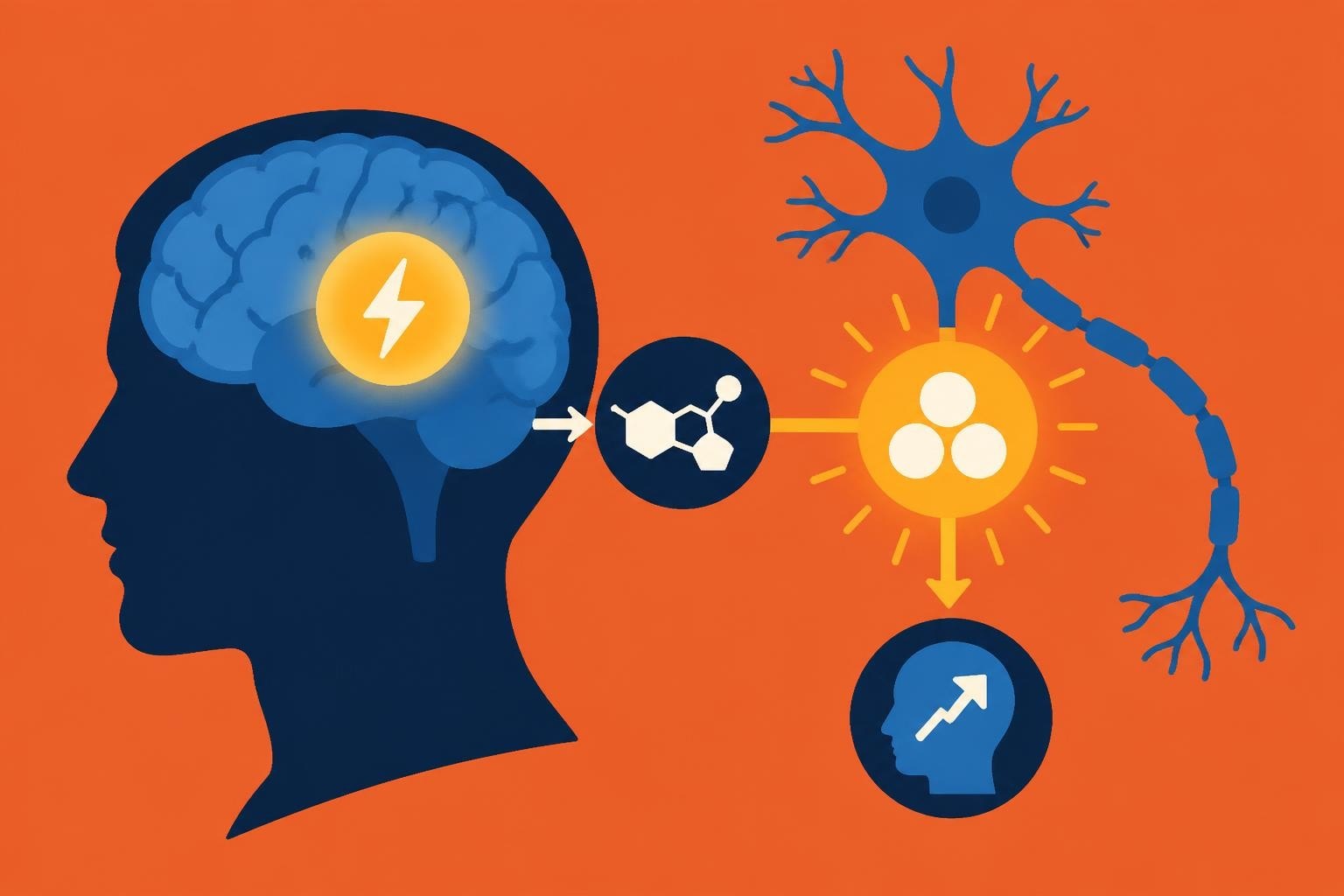
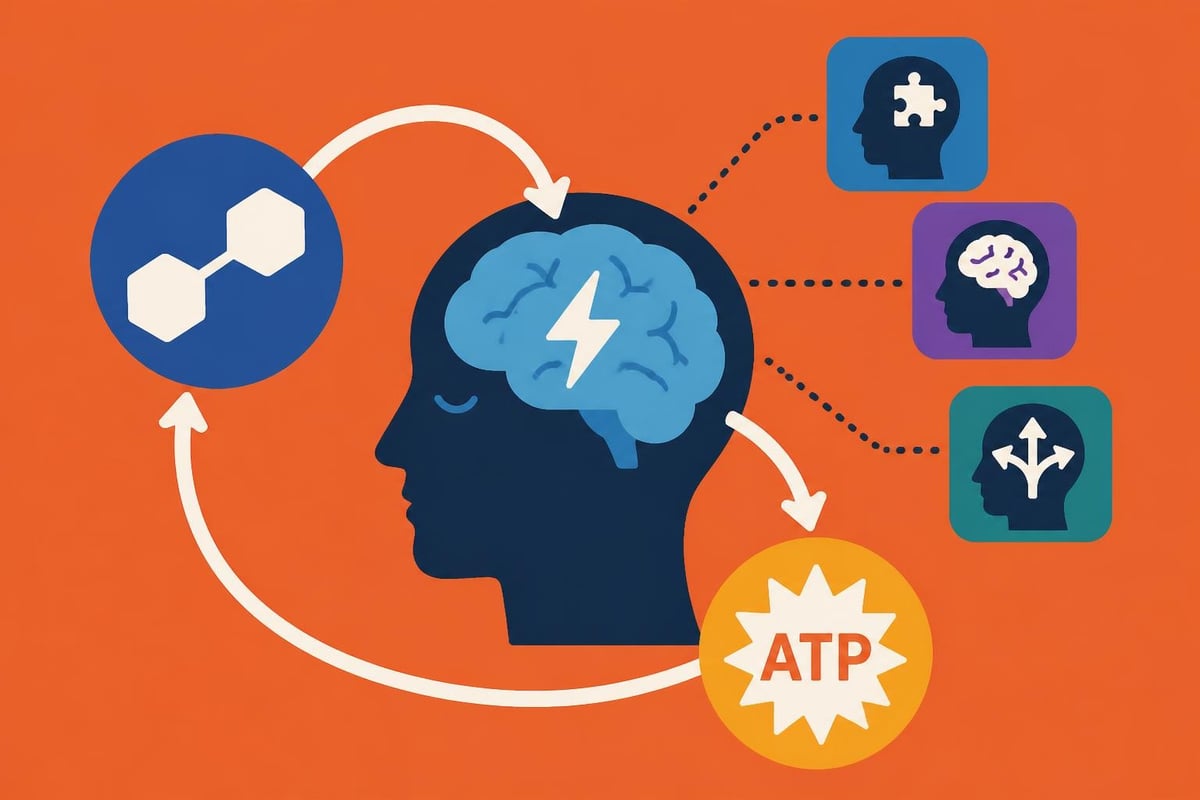
Your brain uses about 20 percent of your body's total energy at rest. That number climbs when you face decisions, stress, conflict, or complex problem-solving. ATP is the energy currency your cells burn to function, and creatine helps regenerate ATP faster in both muscle and neural tissue. When creatine stores run low, cognitive performance drops. You feel slower, less sharp, and mentally worn down before the physical work even begins.
New research published between 2024 and 2026 shows creatine supplementation improves working memory, processing speed, and mental endurance in healthy adults. Studies conducted on sleep-deprived individuals show even stronger effects. One trial out of the UK found that participants taking 5 grams of creatine monohydrate daily for six weeks showed measurable improvements in tasks requiring short-term memory and rapid decision-making compared to placebo groups. The effect size was not massive, but it was consistent and reproducible.
Search interest in creatine spiked in 2026 because influencers, researchers, and practitioners started talking about brain benefits publicly. The supplement stopped being just a bodybuilding staple and became a cognitive tool. Fathers, executives, coaches, and students all want the same thing: sustained mental performance without reliance on stimulants that burn you out by mid-afternoon.
How Creatine Supports Cognitive Function
Creatine does not make you smarter. It makes your brain more efficient under load. Think of it as keeping your gas tank full when the road gets steep. Your prefrontal cortex, hippocampus, and other energy-demanding regions benefit most. These areas handle memory consolidation, emotional regulation, and executive function. When ATP regeneration slows, these processes suffer first.
The Research Behind Creatine and Brain Health
Multiple meta-analyses confirm creatine's role in cognitive enhancement, particularly under conditions of metabolic stress. Here is what the data shows:
Improved short-term memory and reasoning in vegetarians and older adults
Reduced mental fatigue during sustained cognitive tasks
Faster recovery from sleep deprivation and cognitive depletion
Enhanced neural energy metabolism measured via MRI spectroscopy
One 2025 study tracked 120 men aged 35 to 50 over eight weeks. Half received creatine monohydrate, half received placebo. Both groups followed identical training programs. The creatine group reported better focus during work hours, fewer cognitive lapses in the evening, and improved mood stability. Brain scans showed higher phosphocreatine levels in the supplemented group, confirming the mechanism at work.
This matters for fathers juggling career demands, family leadership, and personal development. Your ability to stay present with your kids after a 12-hour day depends on neural energy reserves. Creatine helps maintain those reserves when life does not give you eight hours of sleep and a calm schedule. Themental resilience work we do at The Father Forgealigns with this principle: you cannot lead well when your cognitive tank runs dry.
Practical Guidance: Dosing, Timing, and Form
The effective dose for creatine and brain health sits between 3 and 5 grams daily. Most research uses 5 grams because it saturates both muscle and brain stores within three to four weeks. You do not need a loading phase. The old protocol of 20 grams per day for five days was designed to speed muscle saturation for athletes. For cognitive benefits, steady daily intake works fine.
Dosing Protocols
ProtocolDoseDurationPurposeStandard5g dailyOngoingFull saturation of muscle and brain storesMinimal3g dailyOngoingMaintenance for lighter individuals or those focused on cognition onlyLoading (optional)20g daily5-7 daysRapid saturation, then drop to 5g daily
Take it with food or mix it in water, coffee, or a shake. Timing does not matter much for brain benefits because you are building tissue stores, not chasing an acute performance window. Some people take it pre-workout out of habit. Others take it in the morning with breakfast. Both work. Consistency beats optimization here.
Monohydrate vs Other Forms
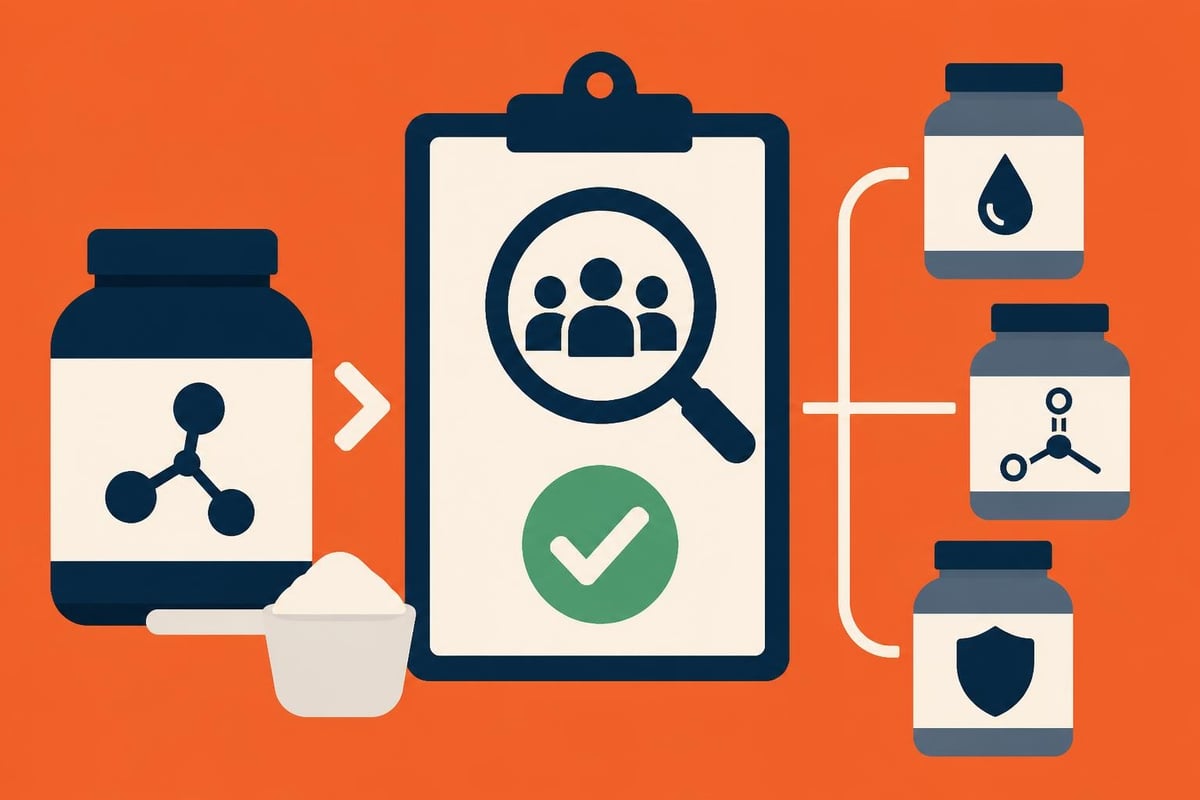
Creatine monohydrate is the only form with decades of peer-reviewed research supporting both safety and efficacy. Every major study on creatine and brain health used monohydrate. Other forms like creatine HCL, ethyl ester, or buffered creatine claim better absorption or reduced bloating, but the evidence does not support those claims in any meaningful way.
Monohydrate is cheap, stable, and effective. It mixes well enough in liquid. If you experience mild water retention, that is normal and temporary as your cells pull in creatine along with water. The bloating some people report usually comes from poor hydration or low-quality product with fillers. Buy micronized creatine monohydrate from a third-party tested brand. You do not need fancy packaging or proprietary blends.
The supplement industry loves selling solutions to problems that do not exist. Creatine monohydrate solved the problem in 1992. Nothing has improved on it since. I have used the same form for over two decades. My clients use it. The research uses it. That is the standard.
What to Expect in the First 30 Days
You will not feel creatine kick in like caffeine. The effects build gradually as tissue stores increase. Most people notice subtle improvements in mental endurance during week two or three. Tasks that used to drain you by late afternoon feel more manageable. You recover faster between high-focus activities. Your mood steadies out, especially under stress.
Physical changes show up faster than cognitive ones for most people. You might gain one to three pounds in the first week from increased water in muscle cells. Strength and power output improve slightly. Workout recovery shortens. These are normal and expected.
By day 30, your creatine stores should be near saturation if you have been consistent with 5 grams daily. Cognitive benefits plateau here unless you are also addressing sleep, nutrition, training, and stress management. Creatine is not a standalone solution. It works best inside a structured environment where the other variables are controlled.
Creatine Alone vs Creatine Inside a System
Taking creatine without fixing your sleep, nutrition, or training is like putting premium fuel in a car with a broken engine. It helps, but not enough to matter long-term. I have seen men add creatine to their routine and feel slightly better for a month, then plateau because nothing else changed. The supplement worked. The system around it did not.
Compare two scenarios:
Scenario A: Man takes 5 grams of creatine daily. Still sleeps five hours. Still skips meals. Still trains without progression or structure. Brain fog improves slightly. Energy stays inconsistent. Progress stalls.
Scenario B: Same man takes 5 grams of creatine daily inside a program with planned training, adequate protein, seven hours of sleep, and accountability. Mental clarity improves. Physical performance climbs. Mood stabilizes. Leadership at home strengthens.
The difference is environment. Creatine enhances what is already working. It does not fix what is broken. The men I work with insidepersonalized coaching at The Father Forgesee creatine as one tool in a larger system built around resilience, strength, and sustainable performance. We do not rely on supplements to carry the load. We use them to support a foundation that is already solid.
Teenagers dealing with school stress, sports demands, and social pressure face similar challenges. The work done through resources likeEmmadavisbooks.comfocuses on emotional regulation and confidence-building, which pairs well with physical health strategies. Teaching young men to manage their bodies and minds together creates long-term resilience. Creatine can play a role there too, especially for student-athletes balancing cognitive and physical loads.
Even your dog benefits from structured health support. Just likeNorth Hound Lifeproduces whole-food supplements tailored to different life stages for pets, we tailor human performance strategies to where you are right now. One size does not fit all, but principles remain consistent.
The Real Advantage of Creatine and Brain Health
Creatine gives you margin when life does not. It helps you stay sharper during the fourth meeting of the day. It keeps you present during bedtime with your kids when you are running on empty. It supports decision-making when stress is high and time is short. These are not dramatic transformations. They are incremental improvements that compound over months and years.
The fathers I coach do not need more information about supplements. They need accountability, structure, and a system that works when motivation fades. Creatine fits into that system because it is simple, proven, and sustainable. You take it daily. You do not think about it. It works quietly in the background while you focus on the harder work of leading your family, building your body, and managing your mind.
When Creatine Matters Most
During periods of high cognitive demand (work projects, major decisions, crisis management)
When sleep quality drops due to life circumstances
During intense training phases that tax both body and mind
When transitioning into new leadership roles at work or home
As you age and natural creatine production declines
Research shows creatine supplementation becomes more important as you move past 35. Natural production slows. Dietary intake from meat and fish may not cover increased demands from training and mental load. Supplementation bridges that gap efficiently.
Separating Signal from Noise
The supplement industry thrives on complexity and confusion. New forms of creatine appear every year with claims of superior absorption, better results, or fewer side effects. The science does not support these claims. Monohydrate remains the gold standard because it has been tested in hundreds of studies across diverse populations over 30 years.
Ignore the marketing. Stick with what works. Creatine monohydrate at 3 to 5 grams daily, taken consistently, with or without food, at any time of day. That is the protocol. Everything else is noise designed to sell you more expensive versions of the same molecule.
Some people worry about kidney damage or dehydration. Those concerns come from outdated information or misapplied animal studies. Human research shows creatine is safe for healthy individuals at recommended doses. If you have pre-existing kidney issues, talk to your doctor before starting any supplement. Otherwise, the risk is minimal and the benefit is measurable.
FAQ: Creatine and Brain Health
Does creatine help with brain fog?
Yes. Creatine improves neural energy availability, which can reduce symptoms of brain fog, especially when caused by mental fatigue, poor sleep, or high cognitive load. It does not fix underlying issues like chronic stress or nutritional deficiencies, but it helps your brain perform better under those conditions.
How long does it take for creatine to improve cognitive function?
Most people notice subtle improvements between weeks two and four of consistent daily supplementation at 5 grams. Full saturation of brain creatine stores takes about four weeks. Effects build gradually, not acutely.
Is creatine safe for long-term use?
Yes. Creatine monohydrate has been studied for over 30 years with no evidence of harm in healthy adults taking recommended doses. Long-term studies tracking users for multiple years show no adverse effects on kidney function, liver health, or other markers.
Can I take creatine if I do not lift weights?
Absolutely. Creatine benefits cognitive function independent of exercise. However, combining creatine with resistance training amplifies both physical and mental benefits by improving overall metabolic health, sleep quality, and stress resilience.
Should I cycle creatine or take breaks?
No. There is no physiological reason to cycle creatine. Your body does not build tolerance or dependence. Continuous daily use maintains saturated stores in muscle and brain tissue, which is the goal. Taking breaks only delays benefits when you restart.
Creatine and brain health research confirms what many of us have experienced: better focus, reduced mental fatigue, and improved cognitive resilience when we fuel our brains properly. The protocol is simple, the science is solid, and the results are measurable when you stay consistent. If you are ready to build a complete system around your fitness, mental performance, and leadership at home,The Father Forgecreates custom programs tailored to where you are and where you need to go. We focus on sustainable progress, real accountability, and the kind of brotherhood that keeps you moving forward when life gets hard.