Clomid for Men: Medical Facts and Leadership Truths
You don't get to skip the hard work. That applies to everything, including hormone optimization. Clomid for men has become a topic of interest among fathers and leaders looking to address low testosterone, but information without context is dangerous. You owe it to yourself and your family to understand what this medication actually does, why physicians prescribe it off-label, and what accountability looks like when you're considering medical intervention. This is not about finding shortcuts. This is about making informed decisions grounded in clinical evidence and personal responsibility.
What Clomid Is and How It Works
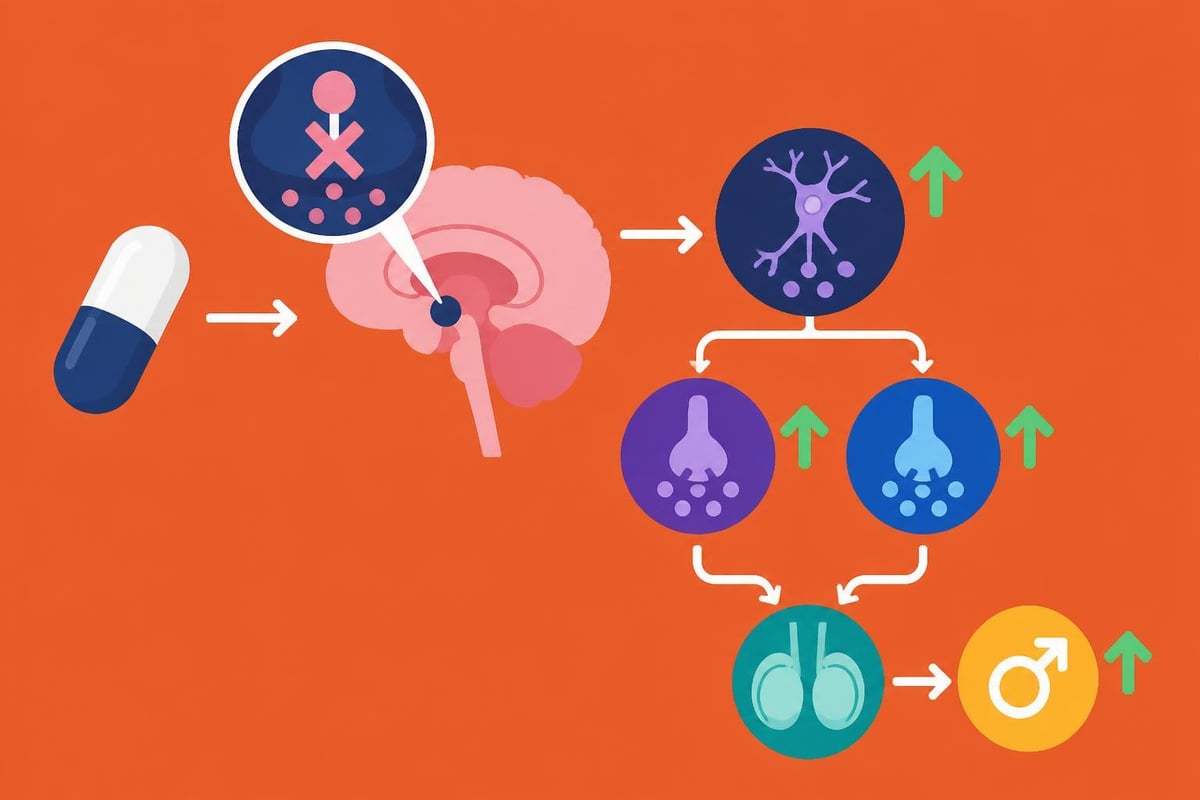
Clomid (clomiphene citrate) is a selective estrogen receptor modulator, originally FDA-approved for ovulation induction in women. The medication blocks estrogen receptors in the hypothalamus, which triggers a cascade that increases luteinizing hormone and follicle-stimulating hormone production. In men, this hormonal shift stimulates the testes to produce more testosterone naturally, rather than introducing synthetic testosterone from external sources.
The clinical pharmacology of clomiphene reveals a mechanism that preserves testicular function while increasing endogenous testosterone production. This distinction matters because it addresses a root cause rather than replacing natural production entirely. When physicians prescribe clomid for men, they're attempting to restore normal hormonal signaling rather than bypassing it.
Off-Label Use in Male Hypogonadism
The FDA has not approved clomid for men, but off-label prescription is common medical practice when evidence supports clinical benefit. Physicians use clomiphene to treat hypogonadism (low testosterone) and male factor infertility when the goal is preserving fertility or avoiding testicular atrophy associated with testosterone replacement therapy.
Key clinical scenarios where clomid for men may be considered:
Hypogonadism with desire to maintain fertility
Secondary hypogonadism (pituitary or hypothalamic dysfunction)
Young men who want to avoid permanent fertility impacts
Athletes subject to anti-doping regulations (note: still prohibited)
The 2024 AUA/ASRM male infertility guideline provides authoritative recommendations on selective estrogen receptor modulators like clomiphene in the context of male reproductive health. Evidence-based medicine requires following established clinical protocols, not internet advice.
Clinical Evidence and Treatment Outcomes
A systematic review and meta-analysis of clomiphene for male hypogonadism examined randomized trials evaluating efficacy and safety. The data shows statistically significant increases in testosterone levels among men treated with clomiphene compared to placebo. These are not dramatic transformations. These are measurable improvements that require ongoing medical supervision.
Treatment response varies significantly between individuals. Some men experience substantial increases in testosterone with minimal side effects. Others see modest changes or develop intolerable symptoms. This variability demands accountability: regular blood work, physician follow-up, and honest assessment of outcomes.
Impact on Fertility Parameters
Beyond testosterone, clomid for men has been studied extensively for male infertility. A comprehensive 2023 systematic review on clomiphene for male infertility analyzed effects on semen parameters and pregnancy outcomes. The evidence supports improvements in sperm concentration and motility in select patient populations.
Parameter | Typical Response | Clinical Significance |
|---|---|---|
Total testosterone | 200-400 ng/dL increase | Often normalizes hypogonadal levels |
Sperm concentration | Variable improvement | Benefits seen in oligospermia |
Sperm motility | Modest increase | May improve fertility potential |
Pregnancy rates | Inconsistent data | Not a guaranteed solution |
Medical intervention is a tool, not a guarantee. Men who expect clomiphene to solve fertility problems without addressing lifestyle factors (obesity, sleep deprivation, chronic stress) are avoiding accountability. The medication works within a system that you control through daily decisions.
Dosing Protocols and Medical Monitoring
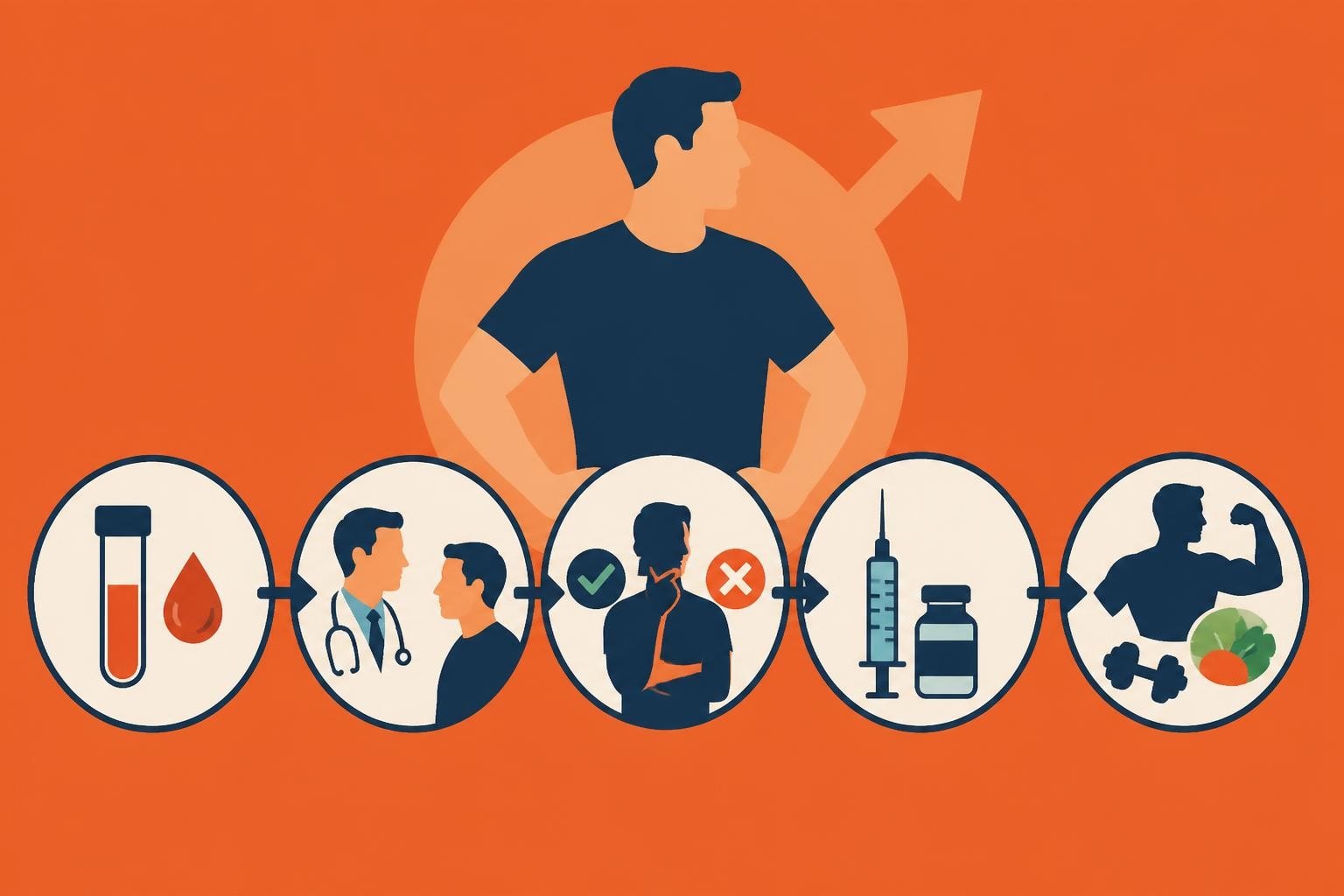
Standard dosing for clomid for men typically ranges from 25 mg to 50 mg daily or every other day. Some protocols use lower doses (12.5 mg) to minimize side effects while maintaining therapeutic benefit. Physicians adjust dosing based on initial response and tolerability.
Typical monitoring schedule:
Baseline labs: total testosterone, free testosterone, estradiol, LH, FSH
Follow-up labs at 4-6 weeks post-initiation
Dose adjustment based on response and side effects
Ongoing monitoring every 3-6 months during treatment
Annual reassessment of treatment necessity and alternatives
You don't start this medication and forget about it. Medical supervision is not optional. FDA labeling information makes clear that clomiphene was studied and approved for female fertility, meaning male use is entirely off-label and requires physician judgment.
Side Effects and Risk Management
Common side effects include mood changes, visual disturbances, gynecomastia (breast tissue development), and alterations in libido. The visual symptoms deserve particular attention because they can indicate serious ocular toxicity requiring immediate discontinuation.
Estradiol levels often rise alongside testosterone when using clomid for men. This estrogen increase can cause emotional lability, water retention, and breast tenderness in some patients. Aromatase inhibitors are sometimes added to manage elevated estradiol, but this introduces additional medication and complexity.
When to stop clomiphene immediately:
Vision changes (blurred vision, floaters, light sensitivity)
Severe mood disturbances or depression
Testicular pain or swelling
Signs of thromboembolic events
Risk management is your responsibility. If you experience side effects and continue taking the medication without medical consultation, you're demonstrating poor leadership. Your family needs you healthy and present, not chasing marginal gains while ignoring warning signs.
Clomid vs Testosterone Replacement Therapy
The choice between clomid for men and traditional testosterone replacement therapy (TRT) depends on individual circumstances, age, fertility goals, and medical history. Neither option is inherently superior. Each carries distinct benefits and limitations.
Factor | Clomiphene | Testosterone Replacement |
|---|---|---|
Preserves fertility | Yes | No (suppresses spermatogenesis) |
Testicular atrophy | Avoided | Common |
Testosterone levels | Moderate increases | Predictable, higher levels possible |
Injection requirement | No (oral medication) | Often yes (IM or SubQ) |
Cost | Generally lower | Varies by formulation |
Reversibility | Fully reversible | Recovery takes months to years |
Young men who want biological children in the future should prioritize fertility preservation. Testosterone replacement shuts down natural production and can cause permanent infertility in some cases. Clomiphene maintains the hormonal axis while attempting to optimize testosterone within physiologic ranges. Just because athletes chasing performance obsess over heat training and recovery protocols (similar to how dedicated players approach their sport), doesn't mean you should bypass medical guidance for hormone optimization.
Lifestyle Foundations Come First
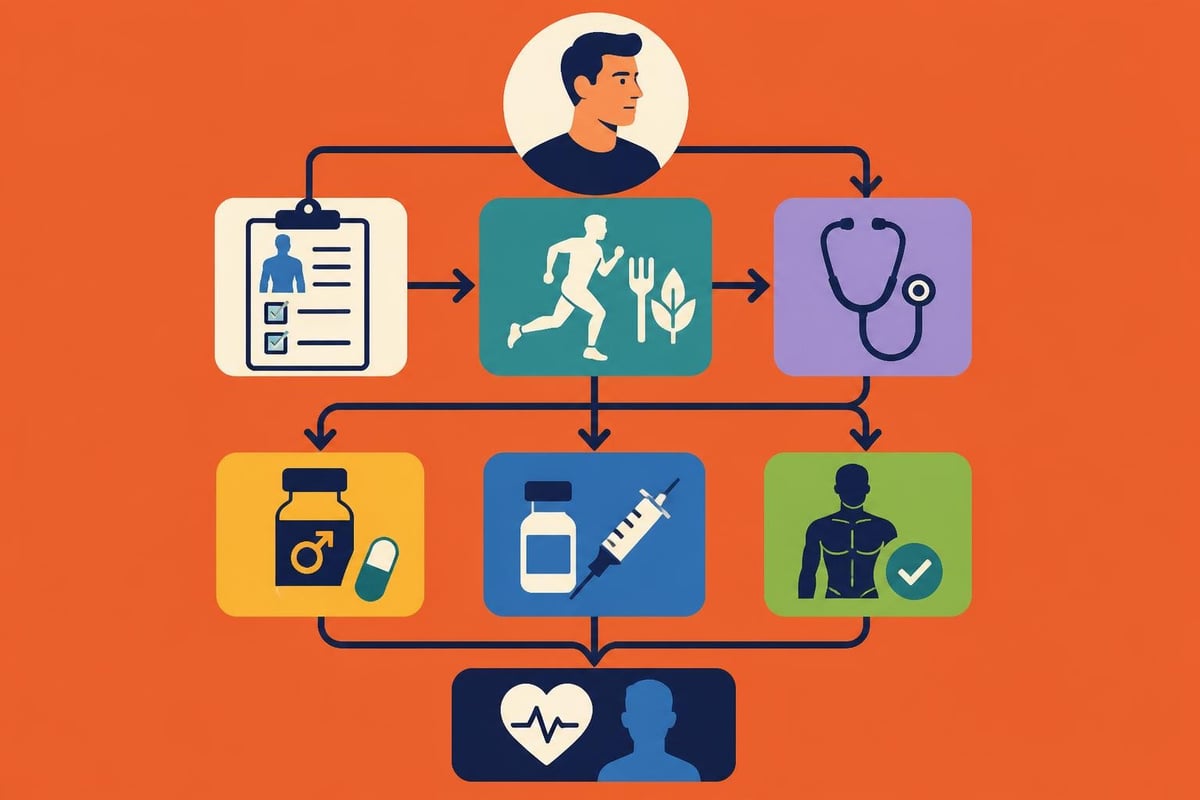
No medication compensates for a broken lifestyle. Sleep deprivation, obesity, sedentary behavior, and chronic stress suppress testosterone production more effectively than any treatment can restore it. Before considering clomid for men or any hormonal intervention, you have an obligation to fix what you control.
Non-negotiable lifestyle factors that affect testosterone:
Sleep quantity and quality (7-9 hours, consistent schedule)
Body composition (excess adipose tissue increases aromatization)
Resistance training (compound movements, progressive overload)
Stress management (cortisol directly suppresses testosterone)
Alcohol consumption (even moderate intake impairs hormonal function)
Men who implement 1-on-1 coaching that addresses training, nutrition, and accountability often see testosterone improvements before any medical intervention becomes necessary. The discipline required to train consistently, eat properly, and manage stress is the same discipline required to use medication responsibly. If you can't maintain basic habits, adding medication creates complexity without addressing root causes.
When Recovery Takes Priority
After years of poor sleep, inadequate nutrition, or excessive training stress, the body needs time to recalibrate. Some men experience temporary hypogonadism following periods of extreme caloric deficit or overtraining. Adding clomid for men during an acute recovery phase may interfere with natural restoration.
Consider whether you've actually given your body the conditions to produce testosterone optimally. Have you maintained adequate caloric intake for 12 weeks? Have you reduced training volume to allow full recovery? Have you eliminated chronic sleep debt? If the answer is no, the problem is not medical. The problem is your environment and decisions.
Athletic Considerations and Anti-Doping Rules
Clomiphene appears on the World Anti-Doping Agency prohibited list because it can mask steroid use or provide performance advantages through testosterone elevation. Competitive athletes subject to drug testing cannot use clomid for men without risking sanctions, regardless of medical justification.
This prohibition extends beyond elite professional sports. Masters athletes, military service members in certain specialties, and recreational competitors who participate in tested events must understand the regulatory landscape. Medical necessity does not override anti-doping rules in most federations.
The same accountability that drives proper recovery protocols applies here. Just as serious players understand equipment regulations and invest in quality gear for their pursuit, athletes must operate within the rules of their sport. Ignorance provides no protection when test results come back positive.

Making the Decision With Full Information
Choosing to use clomid for men requires honest assessment of your situation, goals, and willingness to maintain medical oversight. This is not a decision made from internet research alone. You need laboratory confirmation of hypogonadism, physician evaluation of underlying causes, and realistic expectations about outcomes.
Questions to Answer Before Starting Treatment
Medical and diagnostic questions:
Have you confirmed low testosterone with multiple early-morning blood draws?
Has your physician evaluated secondary causes (sleep apnea, medications, pituitary disorders)?
Do you have contraindications (liver disease, history of blood clots, certain cancers)?
What is your baseline fertility status if that matters to your family planning?
Lifestyle and accountability questions:
Have you optimized sleep, training, and nutrition for at least 12 weeks?
Are you willing to commit to regular blood work and medical appointments?
Can you afford ongoing treatment and monitoring costs?
Will you stop immediately if side effects occur, even if testosterone improves?
The regulatory guidance from UK medicines authorities reinforces that clomiphene use in men is off-label and requires careful medical judgment. You're asking a physician to prescribe outside approved indications based on clinical evidence and individual circumstances.
Integration With Training and Performance Goals
Clomid for men is not a performance-enhancing drug in the sense that anabolic steroids are, but testosterone optimization can support training adaptations when combined with proper programming. The medication does not replace progressive overload, adequate protein intake, or recovery protocols.
Men who use clomiphene while maintaining inconsistent training, inadequate caloric intake, or poor sleep hygiene waste the opportunity. The hormonal environment supports muscle protein synthesis and recovery, but you still have to provide the stimulus and resources for adaptation. Whether you're pursuing fitness goals or just maintaining health during a demanding season, dedicated recovery practices matter (similar to how premium recovery tools like quality saunas support training adaptation when used consistently).
Training considerations during clomiphene treatment:
Monitor recovery capacity as testosterone normalizes (may increase work capacity)
Adjust volume and intensity based on actual performance, not expected changes
Maintain detailed training logs to assess objective progress
Avoid the temptation to dramatically increase volume immediately
Prioritize movement quality and injury prevention
Increased testosterone supports recovery and adaptation. It does not eliminate the need for intelligent programming or create immunity to overtraining. Your responsibility is executing the fundamentals with greater consistency, not chasing unsustainable volume.
Long-Term Sustainability and Exit Strategies
No medical intervention is risk-free indefinitely. Even if clomid for men produces desirable results initially, long-term safety data in this population is limited compared to decades of testosterone replacement research. You need an exit strategy before you start.
Some men use clomiphene as a bridge treatment while addressing lifestyle factors, then discontinue once natural production recovers. Others remain on treatment for years with ongoing medical supervision. Neither approach is wrong if it's deliberate and monitored.
Considerations for long-term use:
Annual reassessment of treatment necessity and alternatives
Periodic discontinuation trials to assess natural recovery
Monitoring for tolerance development or diminishing response
Evaluation of cumulative cost versus benefit over time
The goal is optimizing your health and performance to lead effectively at home. If clomiphene helps you function better as a father and husband while you build sustainable lifestyle habits, that's a valid medical decision made with full information. If you're using it to avoid fixing sleep, training, or nutrition, you're building on a failing foundation.
Clomid for men represents one tool in a comprehensive approach to hormone optimization, not a standalone solution or shortcut past foundational work. The clinical evidence supports its use in select cases, but only within a framework of medical supervision, lifestyle accountability, and honest self-assessment. If you're ready to build that framework with personalized coaching that addresses training, nutrition, and the leadership required to sustain real change, The Father Forge provides the structure and accountability men need to optimize performance at home and in life.