Casein Protein: The Slow-Release Fuel for Fathers
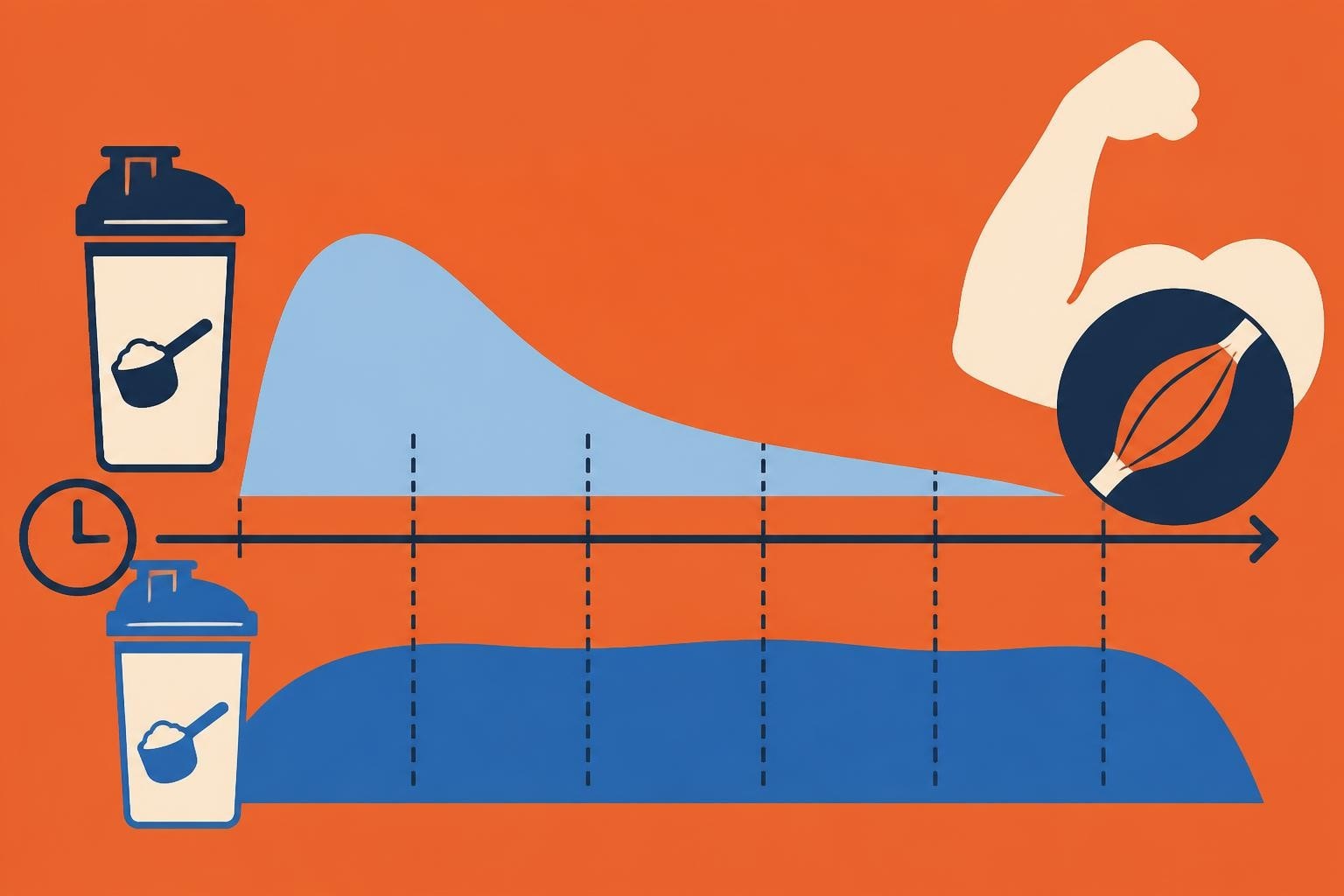
Most men focus on what they eat without understanding when their body receives it. Casein protein stands apart from every other protein source because of its controlled release mechanism. While whey floods your system in 30 minutes, casein delivers amino acids for seven to eight hours straight. That difference matters when you're sleeping, when you're between meals, and when you need your body to maintain an anabolic environment without constant feeding. This isn't about convenience. It's about matching fuel delivery to your body's actual requirements throughout the day and night.
What Sets Casein Protein Apart From Other Protein Sources
Casein makes up roughly 80 percent of the protein content in cow's milk. The remaining 20 percent is whey. That ratio exists for a reason. When milk enters an acidic environment like your stomach, casein forms micelles that clump together into a gel-like structure. This gel slows gastric emptying and creates a time-release effect that feeds your muscles over hours instead of minutes.
The micellar structure of casein determines both its nutritional properties and its functional behavior in your digestive system. Each micelle is a complex assembly of calcium phosphate and protein subunits. When stomach acid hits these structures, they coagulate into curds. Your digestive enzymes then break down these curds gradually, releasing amino acids into your bloodstream at a steady rate.
The Science Behind Slow Digestion
Understanding digestion speed requires clarity on protein kinetics. Fast proteins spike blood amino acid levels quickly and then drop off. Slow proteins maintain moderate elevation for extended periods. Neither is superior in all contexts. Both serve specific purposes.
Key differences in digestion rates:
Whey protein: Peak amino acid levels at 40-60 minutes, returns to baseline by 3-4 hours
Casein protein: Gradual rise over 90-120 minutes, sustained elevation for 7-8 hours
Whole food proteins: Variable rates depending on food matrix, fat content, and preparation method
Research on protein-based delivery systems demonstrates how casein's gelling behavior creates a controlled-release mechanism in the stomach. This isn't marketing language. It's measurable physiology. The gel formation physically blocks rapid gastric emptying, forcing your digestive system to work through the protein mass slowly.
Casein Variants and What They Mean for Your Results
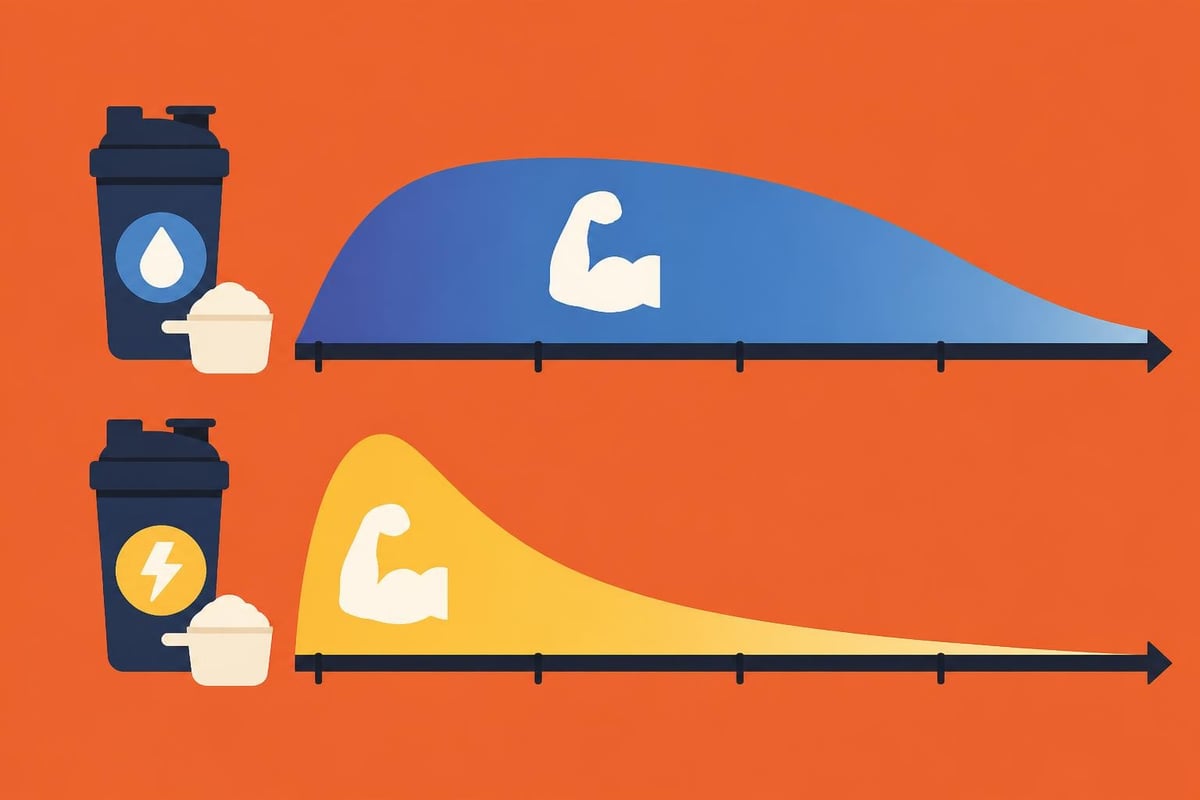
Not all casein behaves identically. The type matters. Micellar casein, calcium caseinate, and hydrolyzed casein each have distinct properties. Understanding these differences prevents wasted money on products that don't match your goals.
Casein Type | Processing Method | Digestion Speed | Primary Use |
|---|---|---|---|
Micellar Casein | Cold-filtered, minimal processing | Slowest (7-8 hours) | Overnight recovery, extended fasting |
Calcium Caseinate | Acid casein treated with calcium hydroxide | Moderate (5-6 hours) | Meal replacement, satiety |
Hydrolyzed Casein | Enzymatically pre-digested | Faster (3-4 hours) | Post-workout with additional benefits |
Micellar casein preserves the natural micelle structure. This form provides the slowest digestion and longest amino acid release. If you're using casein before bed or during extended periods without food, micellar casein delivers what you need.
Calcium caseinate breaks down the micelles during processing. The result digests somewhat faster but still slower than whey. Many protein blends use caseinate because it mixes more easily and costs less to produce. You sacrifice some time-release benefit for practical convenience.
A1 Versus A2 Beta-Casein Considerations
The structure and properties of β-casein include genetic variants that affect digestion for some individuals. Most commercial dairy contains a mix of A1 and A2 beta-casein. A1 beta-casein releases a peptide called BCM-7 during digestion. Some research suggests this peptide may cause digestive discomfort in certain people.
A2 milk and A2 casein products contain only the A2 variant, which doesn't produce BCM-7. If you experience bloating or digestive issues with standard casein despite tolerating other dairy products, the A1/A2 difference might be relevant. Most men don't need to worry about this distinction. For those who do, it's not optional, it's necessary.
Strategic Applications for Fathers Over 35
Your metabolism at 35 doesn't match your metabolism at 25. Recovery takes longer. Muscle protein synthesis becomes less efficient. The feeding window required to maintain lean mass extends. Casein protein addresses these realities directly.
Proven applications for sustained amino acid delivery:
Overnight recovery: Consume 30-40 grams before bed to prevent muscle catabolism during the 8-hour fast
Extended work periods: Use between meals when 4-6 hours will pass before your next feeding
Hunger management: Slower digestion increases satiety and reduces the impulse to snack on garbage
Travel situations: Provides steady nutrition when meal timing becomes unpredictable
The Father Forge structures nutrition around real-world demands fathers face. You don't live in a laboratory. You have early mornings, late meetings, kid obligations, and compressed feeding windows. Casein fills gaps that whey and whole foods can't address as effectively.
If you need a complete system that accounts for both training and nutrition within the constraints of family leadership, 1-on-1 Men's Coaching provides custom programming built around your actual schedule, not theoretical ideals. This includes specific macronutrient targets and supplement timing that match your recovery requirements.
Quality Standards and What to Look for in Products
The supplement industry includes both legitimate manufacturers and operations that cut every corner. USDA standards for edible dry casein establish baseline quality metrics for commercial products. Understanding these standards helps you separate real protein from filler-heavy garbage.
Product Label Analysis
Read ingredient lists from a position of skepticism. The first ingredient should be a specific casein type (micellar casein, calcium caseinate, etc.), not "protein blend" or "proprietary matrix." Those terms usually mean the manufacturer is hiding cheap protein sources behind marketing language.
Red flags on casein protein labels:
Amino acid spiking (added glycine, taurine, or creatine counted toward protein total)
Maltodextrin or other carbohydrate fillers listed before casein
Proprietary blends that don't disclose individual ingredient amounts
Absence of third-party testing certification
Third-party testing matters. Look for NSF Certified for Sport, Informed-Choice, or similar verification. These programs test for banned substances and verify that the label matches the actual content. EU regulatory standards provide additional context on safety requirements and approved uses for casein products in commercial applications.

Practical Implementation Without Overthinking It
Most nutrition advice fails because it prioritizes complexity over execution. You don't need 47 different protein sources. You need a system that works when you're tired, when you're busy, and when conditions aren't perfect.
Basic Casein Integration Protocol
Start with one serving (30-40 grams) before bed. Mix with water or milk in a shaker bottle. Consume within 30 minutes of your planned sleep time. Track your morning hunger levels and recovery quality for two weeks. If you wake up less hungry and recover better, continue. If you see no difference, adjust timing or amount.
The goal isn't perfection. The goal is sustainable improvement over months and years. Casein protein supports that timeline better than any fast-digesting alternative.
Timing Window | Casein Amount | Primary Benefit |
|---|---|---|
Before bed (8-hour fast) | 30-40g | Prevents overnight muscle breakdown |
Between meals (4-6 hours) | 20-30g | Maintains amino acid availability |
Post-workout with whey | 15-20g | Extends recovery window beyond immediate spike |
Common Mistakes That Waste Money and Results
The supplement industry profits from confusion. Clear thinking costs them sales. Most fathers make predictable errors when adding casein to their program. Recognizing these patterns prevents wasted effort.
Frequent implementation failures:
Using casein post-workout when whey would serve better (wrong tool for the job)
Buying flavored products loaded with artificial sweeteners that disrupt sleep
Consuming casein with high-fat meals that further slow digestion beyond useful ranges
Expecting casein to compensate for inadequate total daily protein intake
Mixing multiple slow proteins together without understanding cumulative digestion time
Casein doesn't replace whole food. It fills specific gaps in your feeding schedule. If your total daily protein sits below 0.8 grams per pound of body weight, adding casein before bed doesn't fix the underlying deficit. You're still underfeeding. Fix the foundation before you optimize the details.
Digestive Tolerance and Adaptation
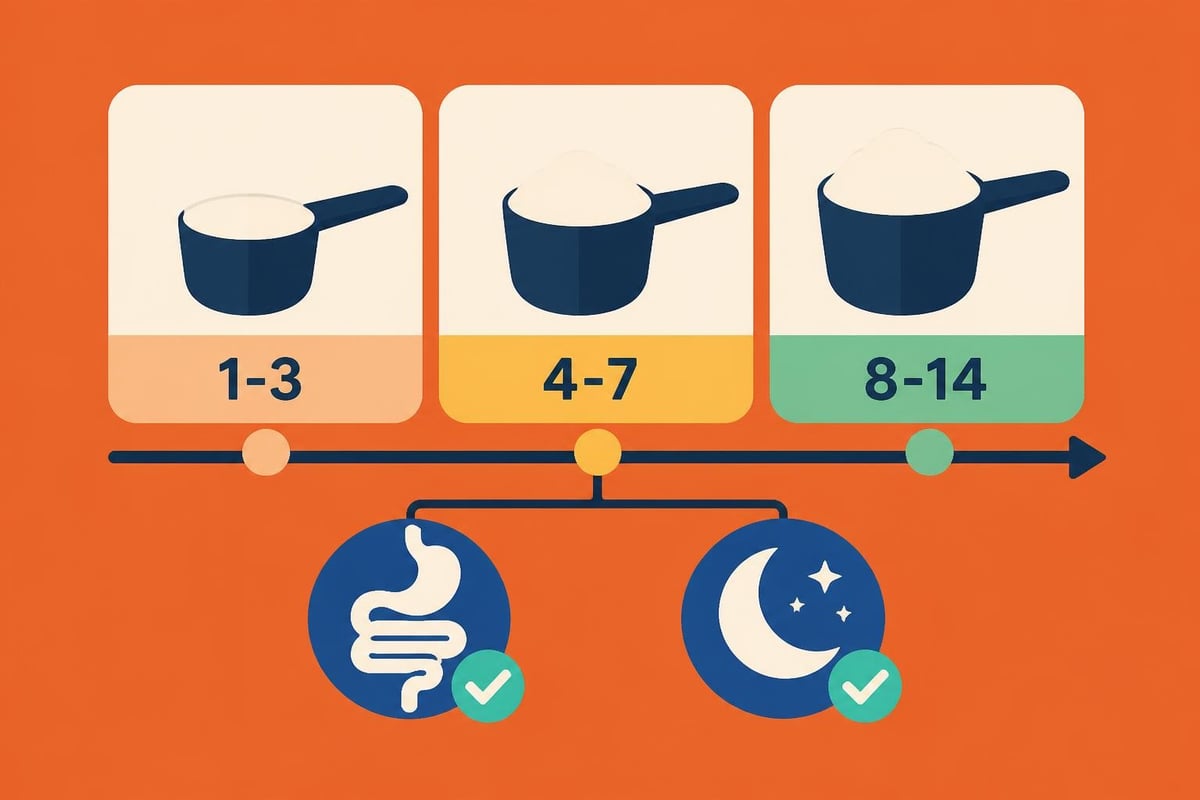
Some men experience initial bloating or digestive discomfort when introducing casein. This usually resolves within 5-7 days as gut bacteria adapt. If symptoms persist beyond two weeks, you likely have a casein sensitivity or lactose intolerance that requires a different approach.
Start with half servings (15-20 grams) if you're concerned about tolerance. Increase gradually over two weeks. Monitor not just digestion but also sleep quality. Poor-quality casein products or those with added ingredients sometimes interfere with sleep despite the amino acids supporting recovery.
The Real Value Proposition for Busy Fathers
You already know protein matters. That information doesn't help you. What helps is understanding that your feeding schedule directly limits your results. Eight hours of sleep equals eight hours of muscle breakdown unless you provide sustained amino acids.
Casein protein solves a specific problem: maintaining an anabolic environment during unavoidable fasting periods. It doesn't build muscle by itself. It prevents muscle loss when you can't eat. That distinction matters.
The fathers who progress year over year aren't following complicated protocols. They're executing simple systems consistently. Casein before bed. Adequate protein throughout the day. Progressive overload in training. Recovery prioritized over additional volume. These basics compound over time into results that look exceptional to outsiders but feel inevitable to the man doing the work.
Integration with Whole Food Protein Sources
Supplements supplement. They don't replace. Your primary protein sources should still be eggs, beef, chicken, fish, and Greek yogurt. These foods provide complete amino acid profiles plus micronutrients that isolated protein powders lack.
Daily protein structure for optimal results:
Morning: Whole food breakfast with 40-50g protein (eggs, meat, Greek yogurt)
Midday: Whole food lunch with 40-50g protein (chicken, beef, fish)
Post-training: Whey protein shake (25-30g) for rapid amino acid delivery
Evening: Whole food dinner with 40-50g protein (steak, salmon, turkey)
Pre-bed: Casein protein shake (30-40g) for overnight recovery
This framework delivers 200-250 grams of protein daily for a 200-pound man targeting lean mass maintenance or modest growth. Adjust amounts based on body weight and training demands. The pattern matters more than precise numbers.
Casein occupies one slot in a complete nutrition system. It handles the overnight period. Whey handles post-training. Whole foods handle everything else. Don't overcomplicate what's fundamentally straightforward.
Cost Analysis and Value Assessment
Quality micellar casein typically costs $12-15 per pound. At 30 grams per serving, that's roughly $0.80-1.00 per serving. Compare that to the cost of inadequate recovery: lost training sessions, slower progress, increased injury risk, and the time cost of starting over repeatedly.
The question isn't whether casein costs money. The question is whether preventing muscle loss during eight-hour fasts justifies a dollar per day. For most fathers serious about long-term development, that calculation answers itself.
Cheap casein usually means calcium caseinate instead of micellar casein, added fillers, or amino acid spiking to inflate protein numbers. The $8-per-pound products rarely deliver what you're paying for. Buy once based on quality or buy repeatedly based on price. Choose accordingly.
Monitoring Progress and Making Adjustments
Track morning body weight, waist measurement, and subjective recovery quality weekly. If you're sleeping through the night without hunger, waking refreshed, and maintaining strength in the gym, your protein timing works. If you're waking up hungry at 3 AM despite adequate calories, increase pre-bed casein by 10 grams.
If you're gaining unwanted fat, you're overeating total calories. Casein isn't the problem. Your daily energy balance is. Don't blame the tool when the strategy needs adjustment. Most fathers need to reduce carbohydrate intake in the evening, not eliminate pre-bed protein.
The measurement cycle runs monthly, not daily. Your weight will fluctuate 2-4 pounds based on water, sodium, and carbohydrate intake. Monthly averages reveal actual trends. Daily fluctuations reveal nothing useful and create anxiety that undermines consistency.
Accountability Mechanisms That Ensure Execution
Information doesn't change behavior. Accountability changes behavior. You already know casein helps. Knowing doesn't make you consume it consistently for six months. Brotherhood and external accountability make you consistent when motivation fades.
Men operating alone drift toward what's easy. Men operating within accountable structures drift toward what's necessary. The difference isn't intelligence or discipline. It's environment. Build an environment that makes the right choice the default choice.
This principle extends beyond protein timing to every aspect of development: training, nutrition, sleep, emotional regulation, marriage investment, and fatherhood presence. The isolated information helps temporarily. The accountable environment changes everything permanently.
Casein protein delivers sustained amino acid release that prevents muscle breakdown during extended fasting periods, particularly overnight. It's not revolutionary, it's practical physiology applied to real schedules. If you need more than information, if you need a complete system built around your actual life, The Father Forge creates custom fitness and mindset programs that account for training, nutrition, recovery, and the mental game required to sustain progress year after year. The work starts when you decide accountability matters more than information.