
BPC-157: What Fathers Need to Know Before Using
The conversation around bpc-157 has intensified among men seeking faster recovery, injury healing, and performance enhancement. This synthetic peptide, derived from a naturally occurring protein in gastric juice, has become a topic of interest for fathers who train hard and need their bodies to function at high capacity. The appeal is straightforward: a substance that might accelerate tissue repair, reduce inflammation, and support gut health. The complication is equally clear: we're operating with limited human clinical data in a regulatory environment that's shifting rapidly. As men responsible for families, businesses, and teams, you don't have the luxury of making decisions based on hype. You need facts, context, and an understanding of what you're accepting when you step into this space.
The Science Behind BPC-157
BPC-157 stands for Body Protection Compound-157, a pentadecapeptide consisting of 15 amino acids. Research teams isolated this sequence from a protective protein found in human gastric juice, then synthesized it for experimental use. The compound doesn't exist naturally in this isolated form, which is the first distinction you need to understand. You're not taking something your body already produces. You're introducing a synthetic variant designed to amplify specific protective mechanisms.
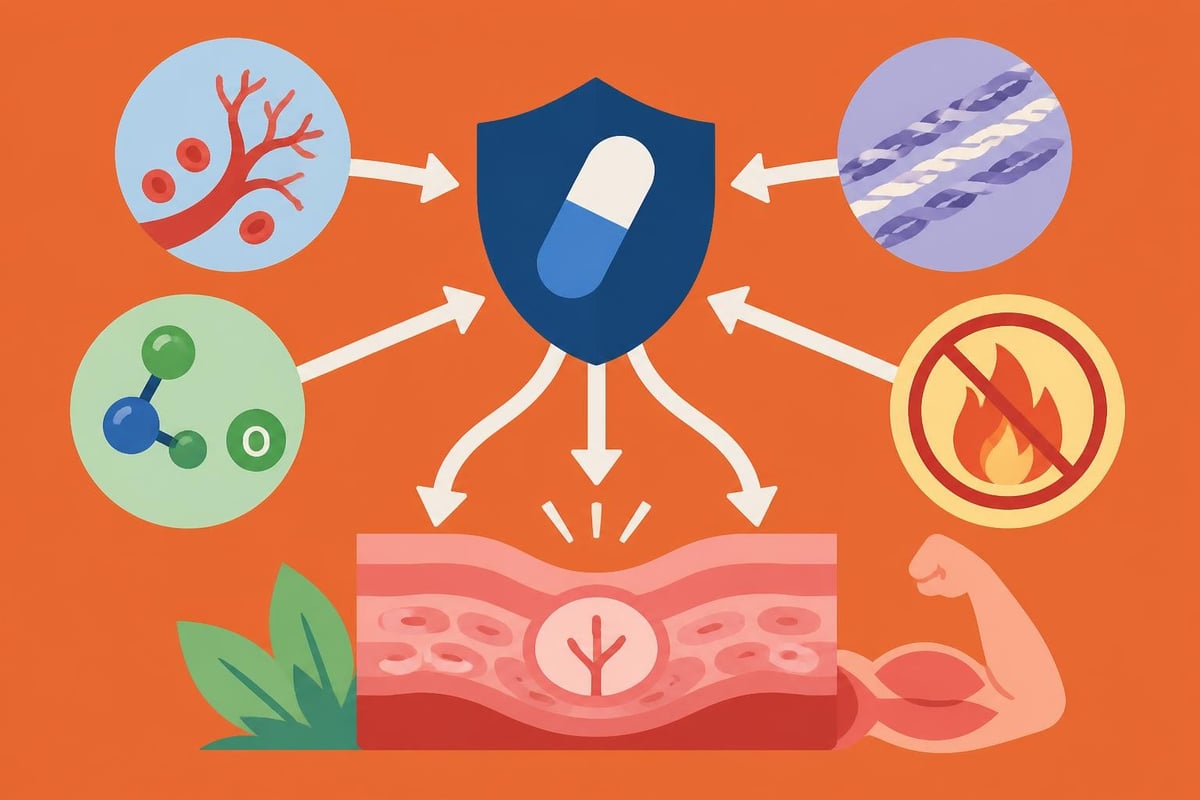
Thetheoretical mechanisms of actioninvolve multiple pathways. Animal studies suggest bpc-157 influences growth factor expression, particularly vascular endothelial growth factor (VEGF), which plays a central role in blood vessel formation and tissue repair. The peptide appears to modulate nitric oxide pathways, support collagen formation, and interact with various signaling cascades that regulate inflammation and healing. These aren't vague claims. Researchers have documented specific biochemical changes in controlled studies.
Animal Study Findings
The bulk of evidence comes from rodent models, and the results are compelling within that limited context:
Tendon and ligament repair: Studies showed accelerated healing of Achilles tendon injuries in rats, with improved biomechanical strength at injury sites
Muscle recovery: Reduced healing time for muscle tears and contusions, with better preservation of muscle architecture
Gastrointestinal protection: Demonstrated protective effects against ulcers, inflammatory bowel conditions, and intestinal damage from NSAIDs
Bone healing: Enhanced fracture repair and bone density improvements in animal models
The research also suggests systemic effects beyond local injection sites. Oral administration showed similar benefits in some studies, indicating the peptide survives digestive processes and reaches target tissues. This broad distribution raises both therapeutic possibilities and safety considerations.
Current Regulatory Status and Legal Landscape
The regulatory environment for bpc-157 changed significantly in 2024 and continues to evolve. The FDA does not approve this peptide for human use.Recent advisory committee decisionshave complicated access through compounding pharmacies, though enforcement remains inconsistent across jurisdictions. You're navigating a space where legality depends on sourcing, stated use, and local interpretation of federal guidelines.
The compound remains available for research purposes through specialized suppliers. Companies likeData Peptidesprovide laboratory-grade materials for scientific investigation, not human consumption. This distinction matters legally and practically. When you see bpc-157 marketed for personal use, you're looking at a gray market operating outside traditional pharmaceutical oversight.
Source TypeRegulatory StatusQuality ControlLegal RiskCompounding pharmacyIncreasingly restrictedVariable, depends on facilityModerate, changingResearch chemical supplierNot for human useBatch testing commonHigh if used personallyOverseas vendorNo US oversightUnknown, unreliableHigh, import violations possibleClinical trialFDA-supervisedRigorous protocolsNone, legitimate participation
Safety Profile and Known Side Effects
Thesafety data on BPC-157comes primarily from animal toxicity studies and anecdotal human reports. No long-term human clinical trials have established comprehensive safety profiles. This gap is not trivial. Animal studies suggest low acute toxicity, meaning the peptide doesn't cause immediate harm at reasonable doses. What we don't know is the effect of repeated use over months or years in humans.
Documented Concerns
Reported side effects in human users remain relatively mild:
Headaches, particularly in the first days of use
Injection site reactions: redness, soreness, occasional bruising
Nausea or digestive changes, though less common than expected given the peptide's GI focus
Fatigue or lethargy, reported by a minority of users
Increased appetite in some individuals
Thetheoretical risksdeserve more attention than the common side effects. BPC-157's promotion of angiogenesis (new blood vessel formation) is beneficial for healing but potentially problematic in cancer scenarios. If you have undetected cancer cells, substances that promote vascularization could theoretically support tumor growth. No clinical evidence confirms this risk in humans, but the biological logic is sound.

Individuals on psychiatric medications face another consideration. Some users report mood changes or alterations in medication effectiveness, though mechanisms remain unclear. The peptide's influence on neurotransmitter systems isn't well characterized. If you're managing depression, anxiety, or other mental health conditions with medication, adding bpc-157 introduces unknown variables.
What Human Data Actually Shows
Human data on BPC-157consists mainly of case reports, small observational studies, and user surveys. This isn't the gold standard of randomized controlled trials. A handful of Eastern European studies from the 1990s and early 2000s examined BPC-157 in ulcer treatment and inflammatory conditions, showing promise but lacking the methodological rigor modern medicine requires.
The most reliable human insights come from:
Ulcerative colitis trials: Small patient groups showed symptom improvement with oral BPC-157, though study design limitations prevent definitive conclusions
Tendon injury case series: Individual reports of athletes using the peptide for tendinopathy, with mixed but generally positive subjective outcomes
Community tracking projects: User databases where individuals log experiences, dosing, and effects over time
These sources provide useful signals but not definitive answers. Anecdotal success doesn't account for placebo effects, natural healing timelines, or concurrent interventions. When someone reports that bpc-157 healed their shoulder injury, you don't know what physical therapy, rest, nutrition changes, or simple time contributed to that outcome.
Practical Considerations for Fathers Over 35
Your body's recovery capacity changes after 35. Inflammation lingers longer. Injuries that would heal in weeks now take months. The appeal of a peptide that might compress recovery timelines is obvious. You have training goals, family obligations, and limited time to be sidelined with preventable setbacks.
Dosing Protocols in Current Use
Standard protocols from research and user communities suggest:
Typical dose range: 250-500 mcg daily, sometimes split into two administrations
Injection sites: Subcutaneous (most common) or intramuscular near injury sites
Duration: 4-8 week cycles, though some users extend longer
Administration frequency: Once or twice daily for consistent blood levels
These aren't medical recommendations. They're observations of common practice. The optimal human dose hasn't been established through clinical trials. Users are essentially experimenting based on animal study extrapolations and community wisdom.
For fathers managing the demands atThe Father Forge, the decision framework should account for more than physical recovery. You're modeling decision-making for your children. You're maintaining the capacity to lead your household. Taking compounds with limited human safety data carries responsibilities beyond your personal health outcomes.
Alternative Approaches and Comparative Context
Before considering bpc-157, you owe yourself an honest assessment of conventional recovery strategies. Most men haven't optimized the basics:
Sleep quality: Are you getting 7-8 hours consistently, or justifying 5-6 hours as "enough for now"?
Nutrition timing: Does your protein intake support tissue repair, or are you undereating in the name of fat loss?
Training periodization: Have you built deload weeks into your program, or do you push maximum intensity year-round?
Stress management: What are you doing to manage cortisol beyond occasional meditation attempts?
The peptide conversation often starts because men are unwilling to address the environmental factors destroying their recovery capacity. You can't supplement your way out of chronically poor sleep and expect optimal healing. The compound might help, but you're building on a broken foundation.
Recovery StrategyEvidence LevelCostImplementation DifficultyRisk ProfileSleep optimizationExtensive human dataFree-lowModerate (habit change)NoneProtein timingStrong research baseLow-moderateLowNoneDeload programmingWell-establishedFreeLow (requires discipline)NoneBPC-157Limited human trialsModerate-highModerate (sourcing, administration)Unknown long-term
Other peptides compete in the same space. TB-500 (Thymosin Beta-4) shares similar healing promotion claims with different mechanisms. Growth hormone secretagogues like ipamorelin or CJC-1295 approach recovery through hormonal pathways. Each carries its own evidence base and risk profile. None have the comprehensive human safety data you'd find with FDA-approved medications.
Sourcing and Quality Control Challenges
The unregulated nature of bpc-157 creates quality control problems you can't ignore. When you purchase from research chemical suppliers, you're trusting their testing protocols and manufacturing standards. Some companies provide third-party batch testing certificates. Others offer no verification beyond their word.

Pure Peptiderepresents the higher end of this market, with documented quality control processes and purity standards. Even with reputable suppliers, you're operating outside the pharmaceutical oversight system. The peptide might be exactly what the label claims. It might contain impurities, degradation products, or incorrect concentrations. You have limited recourse if something goes wrong.
Storage and handling add another layer of complexity. BPC-157 typically arrives as lyophilized powder requiring reconstitution with bacteriostatic water. Improper mixing, contaminated water, or poor refrigeration can degrade the peptide or introduce infection risks. These aren't insurmountable challenges, but they require attention to detail many users don't maintain.
The Decision Framework
Your choice to use or avoid bpc-157 should follow a structured evaluation, not emotional reaction to injury frustration or performance pressure. Ask these questions in sequence:
Have I exhausted evidence-based recovery strategies?If you haven't optimized sleep, nutrition, and training structure, you're not ready for peptides.
Do I understand my personal risk factors?Family cancer history, current medication interactions, and underlying health conditions change the risk calculation.
Can I source legitimate product and administer safely?If you're planning to inject something ordered from a questionable website without proper sterile technique, the answer is no.
Am I prepared to monitor and adjust?Managing potential side effectsrequires awareness and responsiveness, not "set it and forget it" mentality.
What's my plan if this doesn't work or causes problems?Hope isn't a strategy. You need defined criteria for discontinuation.
The1-on-1 Men's Coachingoffered through The Father Forge can provide the accountability structure needed for these decisions. Working with someone who understands both performance optimization and the responsibilities of fatherhood creates space for honest assessment without the echo chamber of internet forums.
What the Research Community Still Needs
The gap between animal promise and human application won't close without proper clinical trials. Researchers need to establish:
Optimal dosing rangesfor different injury types and healing goals
Long-term safety profilestracking users over years, not weeks
Interaction studieswith common medications and supplements
Mechanism clarificationto understand exactly how the peptide works in human tissue
Cancer risk assessmentto determine if theoretical angiogenesis concerns manifest in practice
Some of this work is happening.Comprehensive reviewssynthesize available data and identify research priorities. Funding remains limited because pharmaceutical companies can't patent a peptide sequence found in nature, even in synthetic form. The profit incentive driving most drug development doesn't exist here.
Until better data emerges, you're making decisions with incomplete information. That's not unique to bpc-157. Every father makes choices with imperfect knowledge daily. The difference is acknowledging what you don't know and adjusting your risk tolerance accordingly.
Medical Oversight and Professional Guidance
Finding a physician willing to discuss bpc-157 requires persistence. Most primary care doctors won't engage with compounds outside FDA approval. Sports medicine specialists and integrative health practitioners sometimes show more openness, though their knowledge varies widely.
If you pursue medical guidance, look for providers who:
Acknowledge the limits of current evidence rather than making definitive claims
Understand peptide pharmacology beyond surface-level marketing materials
Can monitor relevant biomarkers and assess your individual health context
Will work with you rather than dismissing your questions or pushing products
Telemedicine has expanded access to physicians comfortable in this space. The quality ranges from thoughtful to predatory. Anyone promising that bpc-157 will definitely heal your injury is either uninformed or dishonest. The honest answer acknowledges possibility while respecting uncertainty.
Lab monitoring makes sense if you proceed. Baseline bloodwork establishes your starting point. Follow-up testing can identify unexpected changes. Standard markers (CBC, CMP, liver enzymes) won't catch peptide-specific issues, but they provide general health tracking. More specialized testing depends on your specific concerns and risk factors.
Real-World Application for Training Fathers
The typical user profile among fathers involves chronic overuse injuries from years of training without adequate recovery. You've built business success and family stability while ignoring the accumulated damage in your shoulders, elbows, and knees. Now you're facing the choice between accepting reduced capacity or exploring options like bpc-157.
Common Use Scenarios
Tendinopathy: Tennis elbow, golfer's elbow, rotator cuff issues that haven't responded to physical therapy
Joint inflammation: Knee or hip pain limiting training volume and intensity
Gut health: IBS symptoms or digestive issues complicating nutrition adherence
Muscle strains: Recurring hamstring or calf problems preventing consistent lower body training
The reported experiences cluster around gradual improvement over weeks rather than dramatic overnight healing. Users describe reduced pain, improved range of motion, and ability to resume training sooner than expected. These accounts are valuable as data points but insufficient as proof.
Success stories don't appear in isolation. Men using bpc-157 typically modify training, improve sleep, adjust nutrition, and increase recovery focus simultaneously. Attributing results to the peptide alone ignores these confounding variables. The compound might contribute. It might do nothing while other changes drive improvement. You won't know with certainty.
BPC-157 represents a calculated risk with theoretical upside and unknown long-term consequences. The decision requires honest assessment of your recovery optimization, health status, and risk tolerance.The Father Forgebuilds programs addressing the root causes of recovery failure: inadequate sleep, poor nutrition timing, unmanaged stress, and training structures that ignore your body's actual capacity. Leadership at home starts with the discipline to address foundational issues before reaching for advanced interventions. If you're ready for that level of accountability and custom programming designed around your specific situation, the work begins with fundamentals, not peptides.