
Are Peptides Legal? Complete Guide for 2026
The question "are peptides legal" doesn't have a simple yes or no answer. The legal status of peptides depends on classification, intended use, and regulatory jurisdiction. Men seeking performance optimization and recovery need clarity, not guesswork. This guide breaks down the current regulatory framework in the United States and European Union, explains what separates legal use from violations, and provides the knowledge required to make informed decisions about peptide use in 2026.
Understanding Peptide Classification in the United States
The legality of peptides in America hinges on how the Food and Drug Administration classifies each compound. The FDA operates under the Federal Food, Drug, and Cosmetic Act, which establishes three distinct categories for peptides. Each category carries different legal obligations and restrictions.
FDA-Approved Prescription Peptidesrepresent the first category. These compounds have completed clinical trials, demonstrated safety and efficacy, and received formal approval for specific medical conditions. Examples include semaglutide (Ozempic, Wegovy), tesamorelin (Egrifta), and sermorelin. These peptides are legal when prescribed by a licensed physician and dispensed through legitimate pharmacies. Possession without a valid prescription constitutes a federal violation.
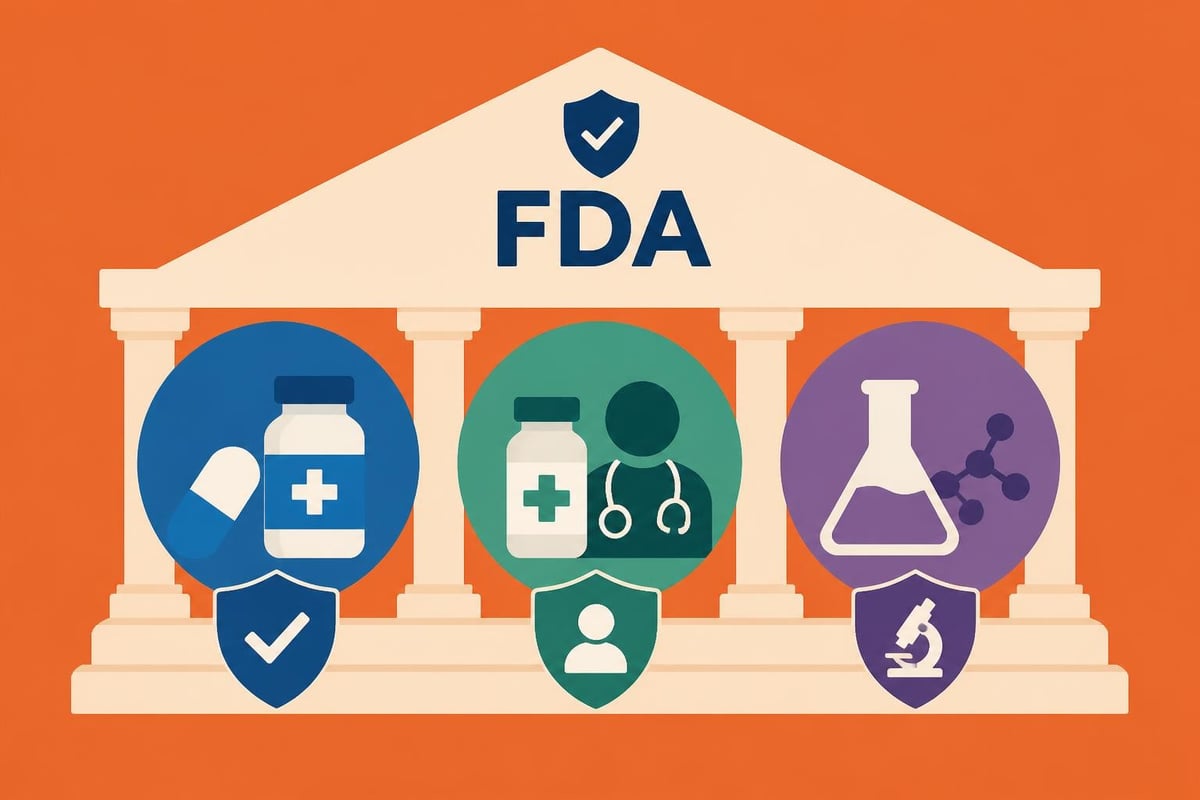
Compoundable Peptidesoccupy the second category. These substances can be legally prepared by licensed compounding pharmacies when prescribed by a physician for individual patient needs.Recent regulatory developmentshave shifted this landscape significantly. The FDA maintains both Category 1 (demonstrating safety concerns) and Category 2 (requiring more data) lists that determine which peptides compounding pharmacies can prepare.
BPC-157, TB-500 (Thymosin Beta-4), and similar compounds have faced increased scrutiny. As detailed inreporting from AP News, an FDA advisory panel narrowly voted to ease some restrictions, but the overall regulatory environment remains restrictive. These peptides require valid prescriptions and medical oversight to remain within legal boundaries.
Research-Use-Only Peptides and Legal Boundaries
The third category includes research chemicals sold with "not for human consumption" labels. These peptides are legal to purchase for laboratory research purposes only. Using these compounds for human enhancement, bodybuilding, or performance optimization violates federal law. The label doesn't protect buyers from legal consequences if authorities determine the intended use was human consumption.
Many online vendors exploit regulatory gaps by selling research peptides to individuals clearly intending personal use. This practice puts both seller and buyer at legal risk. The distinction between research use and human use is not a technicality. It's a legal boundary with enforcement consequences.
Current FDA Regulatory Framework for 2026
The FDA's approach to peptide regulation has intensified over the past two years. The agency issued warning letters to compounding pharmacies, clarified enforcement priorities, and updated guidance documents throughout 2024 and 2025. Understanding the current framework requires examining specific regulatory actions and their practical implications.
Comprehensive regulatory guidesoutline how the FDA evaluates peptides for safety, efficacy, and approval status. The agency's primary concern centers on unapproved drugs marketed with therapeutic claims. When peptides are sold as dietary supplements or wellness products while making drug-like claims, the FDA treats them as illegal unapproved drugs.
The distinction matters for anyone considering peptide use. A peptide prescribed by your physician and obtained through a licensed pharmacy operates within the legal framework. The same peptide purchased from an online research chemical vendor for personal use does not, regardless of marketing language or disclaimers.
Peptide CategoryLegal StatusRequirementsPrimary RiskFDA-Approved DrugsLegal with prescriptionLicensed physician, legitimate pharmacyPossession without Rx is federal violationCompoundable SubstancesLegal under medical supervisionPrescription, licensed compounding pharmacyCategory 1 list compounds face restrictionsResearch ChemicalsLegal for lab use onlyNot for human consumptionHuman use violates FD&C Act
Prescription Requirements and Medical Oversight
Are peptides legal without a prescription? The answer is categorically no for therapeutic use. All peptides intended for human administration require prescriptions from licensed medical professionals. This requirement isn't bureaucratic overhead. It's the core mechanism ensuring medical necessity, appropriate dosing, and safety monitoring.
Telemedicine has expanded access to peptide prescriptions, but legal access still requires genuine medical evaluation. Services offering prescriptions without meaningful consultation or medical history review operate in gray areas that expose patients to both health and legal risks. The convenience of online ordering doesn't change underlying legal requirements.
Licensed compounding pharmaciesprovide the only legal avenue for obtaining compounded peptides. These facilities operate under state pharmacy boards and follow USP 795 and 797 standards for sterile compounding. When a source bypasses these requirements, it signals illegal operation regardless of website appearance or marketing claims.
Peptide Legality in the European Union
The European regulatory framework differs significantly from American structures. Understanding are peptides legal in the EU requires examining how the European Medicines Agency and national authorities classify these compounds.
EU peptide regulationsestablish that substances intended for therapeutic use must receive marketing authorization as medicines. This process involves demonstrating quality, safety, and efficacy through clinical trials. Peptides lacking this authorization cannot be legally sold or marketed for human use within EU member states.
The regulatory complexity increases because enforcement varies by country. Germany maintains strict controls through the Arzneimittelgesetz (Medicines Act), while other nations show different enforcement priorities. This variation creates confusion but doesn't change the fundamental legal principle: unapproved peptides for human use remain illegal across the EU.
Research Peptides and EU Classification
Research peptide status in the EUfollows similar principles to American regulations but with different enforcement mechanisms. Peptides sold for research purposes must remain in laboratory settings. Individual possession for personal use, even of research-grade peptides, can trigger legal consequences depending on national law enforcement priorities.
The European market shows significant underground activity in peptide sales despite regulatory prohibitions. This reality doesn't change legal obligations. Men purchasing peptides from European sources without prescriptions assume legal risk regardless of vendor claims or product labeling. The responsibility lies with the individual making the purchase decision.

Anti-Doping Regulations and Athletic Competition
Beyond general legality, athletes face additional restrictions through anti-doping regulations. The World Anti-Doping Agency maintains the Prohibited List, which includes many peptides regardless of national legal status. Athletes subject to WADA testing face sanctions for peptide use even when obtained legally through prescriptions.
Growth hormone releasing peptides (GHRPs), growth hormone secretagogues, and peptides affecting metabolism or muscle growth commonly appear on prohibited lists. Therapeutic Use Exemptions exist but require substantial medical justification and advance approval. As explained indetailed legal guides, competitive athletes cannot assume prescription legality equals competition eligibility.
This creates a decision point for men competing in sanctioned events. Legal access through medical channels doesn't override sport-specific prohibitions. The choice isn't just about legality but about competition eligibility and career consequences. Amateur athletes often underestimate these risks until facing unexpected testing or sanctions.
Practical Implications for Performance and Recovery
Men exploring peptides for performance optimization, recovery enhancement, or body composition improvements need realistic understanding of legal pathways. The gap between desired access and legal requirements creates temptation to pursue gray market sources. This decision carries consequences beyond legal risk.
Legal pathways require:
Consultation with licensed physicians knowledgeable about peptide therapy
Legitimate medical evaluation and documentation of therapeutic need
Prescriptions filled through state-licensed compounding pharmacies
Ongoing medical monitoring and follow-up care
Compliance with dosing protocols and safety guidelines
Illegal approaches involve:
Purchasing research chemicals marketed for human use
Buying from international sources without prescriptions
Obtaining substances through underground bodybuilding networks
Using peptides without medical oversight or safety monitoring
Misrepresenting intended use to exploit regulatory loopholes
The distinction between these pathways determines both legal standing and health outcomes. Medical oversight provides dosing accuracy, purity verification, and adverse event management. Underground sources offer none of these protections while exposing users to legal consequences.
Men committed tobuilding mental resilience and physical capabilitybenefit from understanding these realities. Shortcuts that compromise legal standing or health undermine the leadership and self-mastery required for sustainable growth. The decision to pursue peptides legally reflects the same accountability required in every other domain of masculine development.
State-Level Variations and Enforcement Priorities
Federal regulations establish baseline legality, but state laws add complexity. Some states impose additional restrictions on peptide prescribing, compounding, or possession. Others maintain enforcement priorities that differ from federal approaches. This variation means legal status can shift based on geographic location.
California, Texas, and Florida have enacted specific regulations affecting peptide access through compounding pharmacies. These states require additional documentation, limit specific compounds, or impose reporting requirements beyond federal minimums. Men obtaining peptides legally in one state may face different requirements when relocating or traveling.
Detailed peptide legal status informationemphasizes the importance of understanding both federal and state frameworks. Compliance at the federal level doesn't guarantee state-level compliance. The responsibility for understanding applicable laws rests with the individual, not the prescribing physician or pharmacy.
Enforcement Trends and Legal Risks
Are peptides legal in practice versus on paper? Enforcement patterns reveal regulatory priorities. The FDA focuses enforcement actions on manufacturers making therapeutic claims, compounding pharmacies violating category restrictions, and large-scale distributors. Individual users rarely face direct federal prosecution for personal possession of small quantities obtained through prescriptions.
This enforcement pattern doesn't create legal protection. It reflects resource allocation and regulatory priorities that can shift. States vary significantly in their approach to prosecuting unauthorized peptide possession or use. Some treat it as low priority, others enforce aggressively, particularly when connected to distribution or sales.
The legal risk calculation must account for both current enforcement patterns and potential changes. Regulatory crackdowns follow public health incidents, media attention, or policy shifts. Building decisions on current enforcement leniency rather than legal compliance creates vulnerability to future consequences.
Risk FactorLegal PathwayGray Market PathwayCriminal prosecutionMinimal with valid RxModerate to high depending on quantityProduct purity/dosingVerified through pharmacy standardsUnknown, frequently inaccurateHealth complicationsMedical monitoring availableNo oversight or interventionInsurance/employmentProtected as legitimate treatmentPotential policy violations
Making Informed Decisions About Peptide Use
The question "are peptides legal" ultimately requires individual assessment based on specific circumstances, jurisdictions, and intended uses. Men seeking performance benefits through peptide use face a choice between legal medical pathways and illegal shortcuts. This choice carries consequences that extend beyond immediate legal risk.
Comprehensive guidance on legal peptide accessemphasizes that legitimate therapeutic use follows established medical channels. When health optimization requires pharmaceutical intervention, the path runs through licensed physicians and regulated pharmacies. This structure exists to protect patient safety while maintaining accountability.
Men who circumvent these requirements make a calculated decision to prioritize convenience or cost over legal compliance and medical safety. That's a personal choice, but it shouldn't be made under illusions about legal protection offered by disclaimers, vendor claims, or community practices. The legal framework is clear even when enforcement is inconsistent.
Professional Guidance and Legal Compliance
Fathers over 35 seeking sustainable performance improvements benefit from working with professionals who understand both physiological goals and legal requirements.The Father Forgeprovides coaching that integrates fitness programming, nutrition planning, and accountability without relying on pharmaceutical shortcuts that create legal exposure or health risks.
The focus on mental resilience, emotional balance, and growth mindset builds capacity that peptides cannot provide. Physical optimization achieved through legal, sustainable methods creates foundation for leadership at home. Chemical enhancement through illegal channels undermines the very attributes required for masculine development.
This doesn't mean peptides lack legitimate therapeutic applications. It means the decision to pursue peptide therapy must align with legal requirements and medical necessity, not just desired outcomes or community trends. The distinction separates men building genuine capability from those chasing shortcuts that ultimately compromise both health and standing.
International Variations and Travel Considerations
Peptide legality shifts dramatically across international borders. Compounds legal in the United States may be controlled substances in other countries, and vice versa. Men traveling internationally with peptides face customs regulations, possession laws, and enforcement approaches that vary by destination.
Prescription peptides generally receive protection under medical necessity exceptions, but documentation requirements differ by country. Carrying peptides without proper medical documentation, original pharmacy labeling, and physician letters creates risk of confiscation or legal action. Some nations impose strict liability for possession regardless of prescription status in the country of origin.
Peptide legal frameworksin countries like Australia, Canada, and the United Kingdom establish different regulatory structures than American or European systems. Research before international travel is not optional when transporting prescription peptides. The consequences of assumption-based decisions include criminal charges, travel bans, and international legal complications.
The Cost of Legal Compliance Versus Illegal Access
Price differences between legal medical channels and gray market sources create temptation. Prescription peptides obtained through physicians and licensed pharmacies cost significantly more than research chemicals ordered online. This cost gap reflects quality control, medical oversight, regulatory compliance, and legitimate business operation.
Men evaluating this cost difference must factor in the complete picture. Legal pathways include medical consultation, laboratory monitoring, proper dosing verification, and adverse event management. Gray market purchases offer none of these protections while adding legal risk and uncertain product quality. The apparent savings evaporate when accounting for actual risks and missing safeguards.
The decision to pursue illegal access for cost savings represents a specific value judgment. It prioritizes immediate financial benefit over legal compliance, health safety, and personal accountability. That's a choice every man makes for himself, but it should be made with clear understanding of actual tradeoffs rather than rationalization about technical legality or enforcement probability.
Understanding are peptides legal requires examining classification systems, regulatory frameworks, and enforcement realities across jurisdictions. The legal pathway exists through licensed physicians and regulated pharmacies. Everything else carries risk. Men building sustainable performance and leadership capacity benefit from making decisions aligned with both legal requirements and long-term capability development.The Father Forgeprovides the structure, accountability, and brotherhood required to optimize physical performance through legitimate methods that build rather than undermine the mental resilience and self-mastery required for leading at home.